The Best Low Sugar Vanilla Cake Recipe: Fluffy, Moist & Guilt-Free
Low Sugar Low Sugar Vanilla Cake Recipe
Indulge in this incredibly moist and tender Low Sugar Vanilla Cake that rivals any bakery classic without the sugar crash. Perfect for birthdays, celebrations, or a simple afternoon treat, this diabetic-friendly recipe uses a smart blend of ingredients to deliver fluffy perfection with a fraction of the carbs.
20 minutes
30 minutes
50 minutes
12 servings
Dessert
Baking
American
Low Sugar
There is something undeniably nostalgic and comforting about a classic slice of vanilla cake. It is the quintessential dessert, the centerpiece of birthday parties, and the blank canvas of the baking world. However, for those monitoring their blood sugar levels, adhering to a low-carb lifestyle, or simply trying to reduce their refined sugar intake, traditional vanilla cake is often strictly off-limits. The high sugar content in standard recipes doesn’t just provide sweetness; it contributes to the moisture and structure of the crumb, making it notoriously difficult to replicate in a healthier format. Often, low-sugar alternatives end up dense, dry, or possessing an unpleasant artificial aftertaste that ruins the experience.
That is exactly why this Low Sugar Vanilla Cake recipe is a game-changer. After extensive testing in the kitchen, we have cracked the code to achieving that coveted tender crumb and rich, buttery flavor without relying on cups of white sugar. By utilizing a specific blend of high-quality sugar alternatives and incorporating moisture-rich ingredients like Greek yogurt and almond flour, this cake defies the stereotypes of ‘diet desserts.’ It is light, airy, and deeply aromatic with pure vanilla bean notes. Whether you are baking for a diabetic family member, looking for a keto-friendly option, or just want a healthier dessert that doesn’t taste like a compromise, this cake delivers on every front. Prepare to be amazed by how a cake this healthy can taste this decadent.
History & Origins
The history of the vanilla cake is deeply intertwined with the evolution of baking technology and the global spice trade. While ‘cakes’ have existed since ancient times—often resembling sweetened breads enriched with honey, nuts, and dried fruits—the light, fluffy sponge cake we recognize today is a relatively modern invention. The journey began in the 17th century when European bakers started whipping eggs to leaven their batter, moving away from yeast. However, it wasn’t until the mid-19th century, with the invention of chemical leavening agents like baking soda and baking powder, that the modern ‘butter cake’ truly took form.
Vanilla itself has a storied past. Native to Mexico and cultivated by the Totonacs and later the Aztecs, vanilla was introduced to Europe by Spanish conquistadors in the 1500s. For centuries, it was an exclusive luxury, used primarily in chocolate drinks for the aristocracy. It wasn’t until the mid-19th century, when a method for hand-pollinating vanilla orchids was discovered by Edmond Albius on the island of Réunion, that vanilla became more accessible. By the 20th century, vanilla had cemented its status as the default flavor for American cakes, synonymous with celebrations.
In recent decades, the culinary landscape has shifted again. The rise of health consciousness, the obesity epidemic, and a better understanding of diabetes management have driven a demand for low-sugar baking. The ‘Dietetic’ foods of the 1980s and 90s were often lackluster, but the 21st-century explosion of the Keto and Paleo diets has spurred innovation in natural sweeteners like Stevia, Monk Fruit, and Erythritol. This recipe stands on the shoulders of this history, combining classic 19th-century baking techniques with cutting-edge 21st-century ingredients to create a modern classic.
Why This Recipe Works
Baking is chemistry, and sugar plays a vital role beyond just sweetness; it is hygroscopic, meaning it attracts and holds water, which keeps cakes moist. It also inhibits gluten development, keeping the cake tender. When you remove sugar, you risk creating a dry, tough, and rubbery product. This recipe works because we have meticulously engineered the ingredients to compensate for the lack of sugar.
First, we use a combination of almond flour and all-purpose flour (or a gluten-free blend). The almond flour adds natural fats and moisture that sugar would typically provide, ensuring a soft crumb that stays moist for days. Second, the inclusion of full-fat Greek yogurt is the secret weapon. The acidity in the yogurt reacts with the leavening agents for a better rise, while the protein and fat content add richness and structure without weighing the batter down.
Furthermore, we use a granulated erythritol and monk fruit blend. Unlike liquid sweeteners which can throw off the liquid-to-dry ratio, this granular substitute mimics the crystalline structure of sugar, allowing us to ‘cream’ it with the butter. This creaming process aerates the batter, creating tiny air pockets that expand in the oven, resulting in that classic fluffy texture. Finally, a touch of high-quality oil mixed with the butter ensures the cake remains soft even when refrigerated, as butter tends to solidify when cold.
Why You’ll Love This Recipe
- ✓Significantly lower in carbohydrates and sugar than traditional cake.
- ✓Uses Greek yogurt for superior moisture and a tender crumb.
- ✓No artificial aftertaste thanks to a balanced sweetener blend.
- ✓Versatile base recipe that works for cupcakes or layered cakes.
- ✓Diabetic-friendly and easily adaptable for Gluten-Free diets.
- ✓Freezes beautifully for meal-prepped desserts.
Equipment You’ll Need
- ✓Two 8-inch round cake pans
- ✓Parchment paper
- ✓Stand mixer or electric hand mixer
- ✓Large mixing bowl
- ✓Medium mixing bowl
- ✓Wire cooling rack
- ✓Measuring cups and spoons
- ✓Silicone spatula
Ingredients
- ✓2 cups All-Purpose Flour (or 1:1 Gluten-Free Baking Flour)
- ✓1 cup Superfine Almond Flour
- ✓1 1/2 cups Granulated Sugar Substitute (Erythritol/Monk Fruit blend recommended)
- ✓1 tbsp Baking Powder
- ✓1/2 tsp Salt
- ✓1/2 cup Unsalted Butter, softened to room temperature
- ✓1/4 cup Avocado Oil or Light Olive Oil
- ✓3 large Eggs, room temperature
- ✓1 tbsp Pure Vanilla Extract
- ✓1/2 cup Full-Fat Greek Yogurt, room temperature
- ✓3/4 cup Unsweetened Almond Milk (or regular milk), room temperature
Instructions
- Preheat your oven to 350°F (175°C). Grease two 8-inch round cake pans with butter or cooking spray and line the bottoms with parchment paper circles to ensure easy removal.
- In a medium mixing bowl, whisk together the all-purpose flour, almond flour, baking powder, and salt until well combined and free of lumps. Set aside.
- In a large bowl or the bowl of a stand mixer fitted with the paddle attachment, beat the softened butter, oil, and granulated sugar substitute on medium-high speed for about 3-4 minutes. The mixture should look light, fluffy, and aerated. Do not rush this step.
- Reduce the mixer speed to medium-low and add the eggs one at a time, beating well after each addition. Scrape down the sides of the bowl with a spatula as needed.
- Mix in the vanilla extract and the Greek yogurt until fully incorporated. The batter may look slightly curdled at this stage; this is normal.
- Reduce the mixer speed to low. Add the dry ingredients in three parts, alternating with the almond milk in two parts, starting and ending with the dry ingredients. Mix only until just combined and no streaks of flour remain. Do not overmix.
- Divide the batter evenly between the two prepared cake pans. Smooth the tops gently with a spatula.
- Bake in the preheated oven for 25-30 minutes, or until the tops are golden brown and a toothpick inserted into the center comes out clean or with just a few moist crumbs.
- Remove the cakes from the oven and let them cool in the pans for 10 minutes. Then, carefully invert them onto a wire cooling rack to cool completely before frosting.
Expert Cooking Tips
- ✓Room Temperature Ingredients: It is critical that your butter, eggs, yogurt, and milk are at room temperature. This ensures they emulsify properly, creating a smooth batter and a uniform texture.
- ✓Weigh Your Flour: For the most accurate results, use a kitchen scale. If using cups, spoon the flour into the cup and level it off; scooping directly packs the flour and leads to a dry cake.
- ✓Don’t Overmix: Once the flour is added, mix gently. Overmixing develops gluten, which can make the cake tough instead of tender.
- ✓Check Your Sweetener: Different brands of sugar substitutes have different sweetness levels. Check the package to see if it measures 1:1 with sugar.
- ✓Cool Completely: Low sugar cakes can be more fragile when warm. Let them cool fully on the rack before attempting to level or frost them.
- ✓Almond Flour Quality: Use superfine blanched almond flour, not almond meal, to avoid a gritty texture.
Substitutions and Variations
This recipe is quite adaptable to various dietary needs. **Flour**: If you need this to be gluten-free, substitute the all-purpose flour with a high-quality 1:1 Gluten-Free Baking Flour blend that contains xanthan gum. The almond flour should remain as it provides necessary moisture. **Sweetener**: We recommend a Monk Fruit and Erythritol blend (like Lakanto or Swerve) for the best taste and texture. Pure Stevia can be bitter and doesn’t provide bulk, so avoid using it alone. Allulose is another excellent option that browns well and keeps the cake soft. **Dairy**: To make this dairy-free, swap the butter for a high-quality vegan butter block (not tub margarine) and replace the Greek yogurt with a thick coconut yogurt or dairy-free sour cream. Use unsweetened almond or soy milk for the liquid. **Eggs**: While eggs provide structure, you can try using a commercial egg replacer or aquafaba for a vegan version, though the cake may be slightly denser.
Common Mistakes to Avoid
The most common mistake with low-sugar baking is expecting the batter to behave exactly like a sugar-filled one. The batter might be thicker than you are used to; resist the urge to add more liquid unless necessary. Another error is over-baking. Sugar-free cakes do not always turn as dark golden brown as traditional cakes, so relying solely on color can lead to a dry cake. Trust the toothpick test. Additionally, using cold ingredients will cause the butter to seize up when mixed, resulting in a curdled batter that won’t rise evenly. Finally, do not skip the parchment paper. Low-sugar cakes can stick more stubbornly to pans than their sugary counterparts.
Serving Suggestions
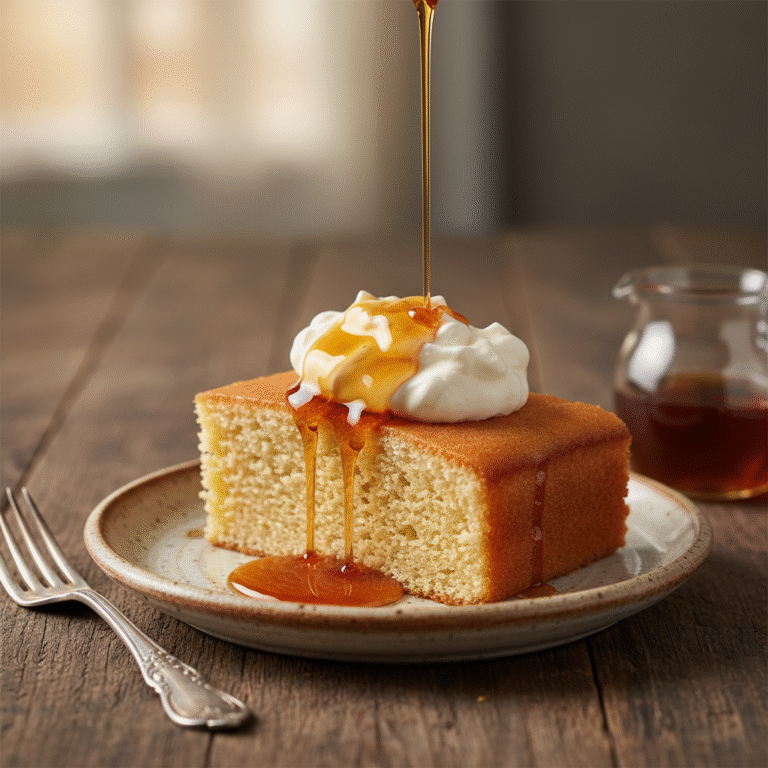
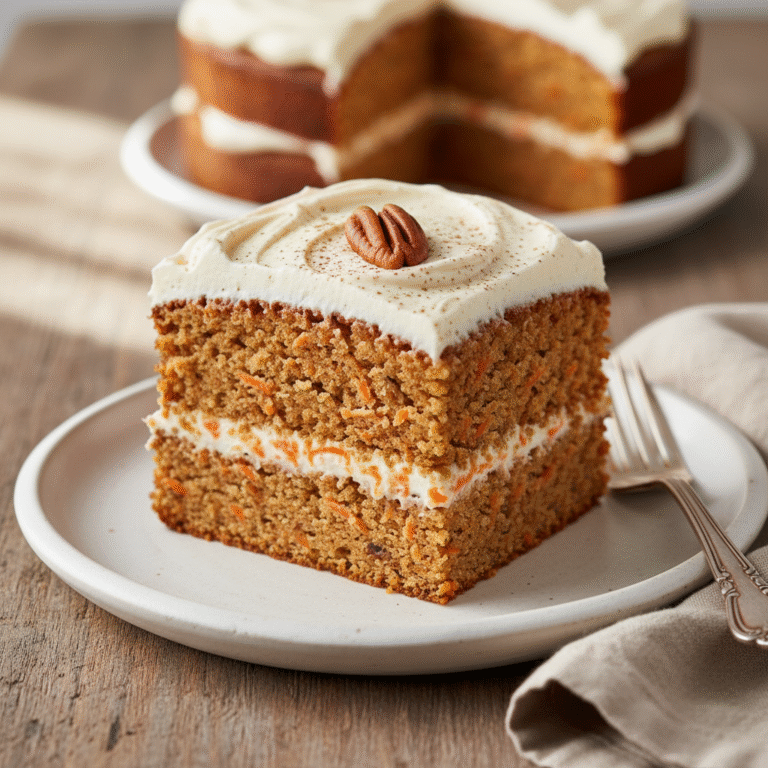
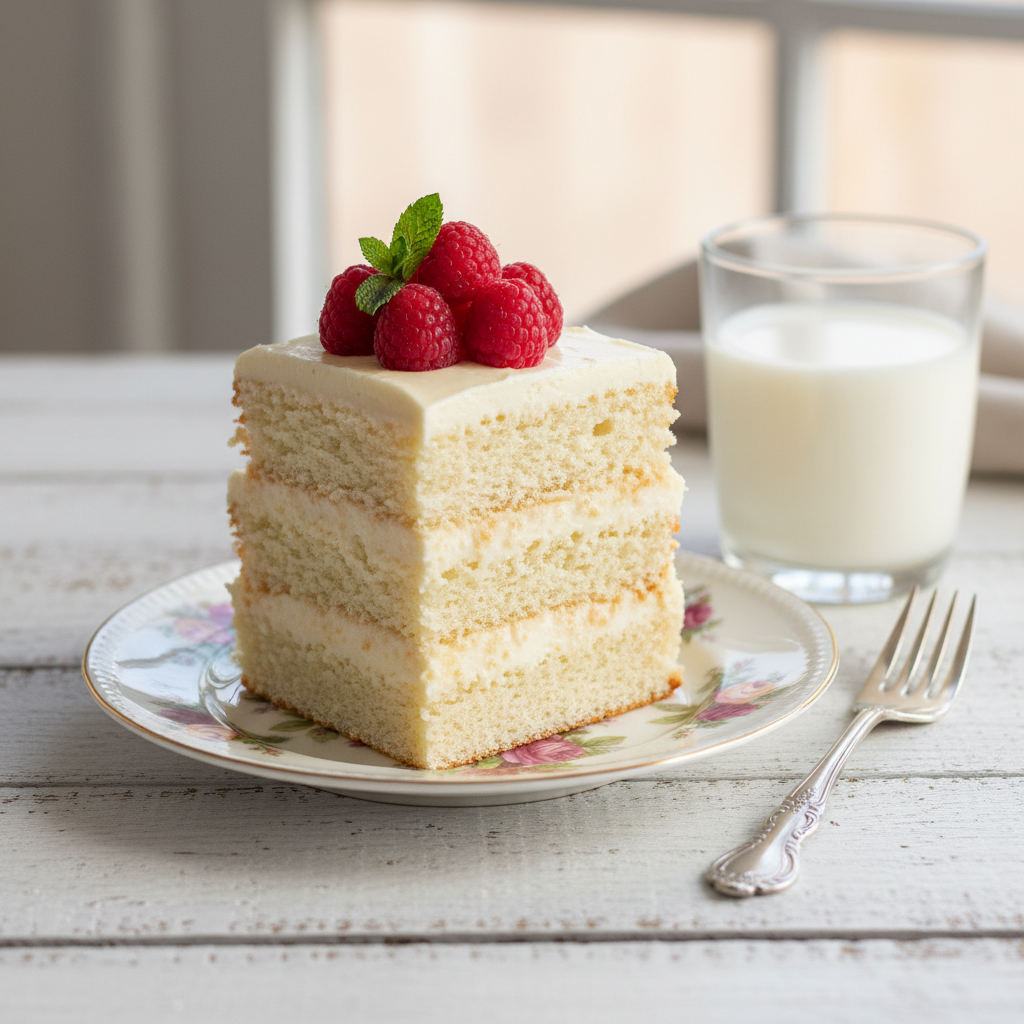
This Low Sugar Vanilla Cake is a versatile canvas. For a classic birthday feel, frost it with a sugar-free buttercream made from butter, powdered erythritol, vanilla, and a splash of heavy cream. For a lighter option, serve slices with a dollop of freshly whipped cream (sweetened with a few drops of liquid stevia) and a mountain of fresh berries like strawberries, raspberries, or blueberries. It also pairs beautifully with a lemon curd filling or a dusting of powdered sugar substitute for a simple tea cake. Serve alongside a hot cup of coffee or herbal tea.
Storage and Reheating Tips
Because this cake contains moist ingredients like yogurt and almond flour, it stores well. **Room Temperature**: Store the unfrosted cake in an airtight container for up to 2 days. **Refrigerator**: If frosted or if you live in a humid climate, store the cake in the fridge for up to 5 days. Bring it to room temperature before serving for the best texture. **Freezing**: This cake freezes exceptionally well. Wrap individual slices or the whole cooled cake layers tightly in plastic wrap, then a layer of aluminum foil. Freeze for up to 3 months. Thaw in the refrigerator overnight or on the counter for a few hours.
Nutrition Facts (Estimated)
| Serving Size | 1 slice (without frosting) |
| Calories | 185 |
| Fat | 14g |
| Saturated Fat | 6g |
| Unsaturated Fat | 7g |
| Trans Fat | 0g |
| Cholesterol | 45mg |
| Sodium | 180mg |
| Carbohydrates | 6g (Net Carbs) |
| Fiber | 2g |
| Sugar | 1.5g |
| Protein | 5g |
Frequently Asked Questions
Can I make this cake completely grain-free?
This specific recipe relies on the structure of all-purpose or GF blend flour. For a completely grain-free (keto) version, you would need a recipe specifically designed for only almond and coconut flour, as the ratios of liquid to dry ingredients would be vastly different.
Why did my cake sink in the middle?
Sinking usually happens if the oven door was opened too early, causing a temperature drop, or if the cake was underbaked. It can also happen if there was too much leavening agent (baking powder) or if the batter was over-beaten, incorporating too much air that collapsed.
Does this cake taste like ‘diet’ food?
Not at all! The combination of butter, vanilla, and almond flour masks the ‘cooling’ effect sometimes associated with erythritol. Most people cannot tell it is low sugar.
Can I use liquid sweetener like honey or maple syrup?
We do not recommend it for this specific recipe. Liquid sweeteners add extra moisture and acidity that requires rebalancing the dry ingredients and baking soda. Plus, honey and maple syrup are high in sugar, defeating the ‘low sugar’ purpose.
Can I make cupcakes with this recipe?
Yes! This batter works perfectly for cupcakes. Line a muffin tin with liners and bake at 350°F for 18-22 minutes. It should yield about 18-20 cupcakes.
What frosting do you recommend?
A Swiss Meringue Buttercream made with powdered sweetener is the most stable and delicious option. Alternatively, a simple cream cheese frosting using low-fat cream cheese and powdered sweetener is excellent.
Is this cake keto-friendly?
It is low carb, but not strictly Keto if you use All-Purpose flour. To make it Keto, you must use a Keto-friendly flour blend substitute for the AP flour, though the texture may vary slightly.
Why do I need both butter and oil?
Butter provides the delicious flavor, while oil ensures the cake stays soft and moist. Butter is solid at room temperature, which can make cakes firm; oil remains liquid, keeping the crumb tender.
Conclusion
Finding a dessert that fits into a healthy lifestyle without feeling like a sacrifice is a true joy, and this Low Sugar Vanilla Cake hits that sweet spot perfectly. It proves that you don’t need cups of refined sugar to create a celebration-worthy treat. With its tender crumb, aromatic vanilla flavor, and easy preparation, it is bound to become a staple in your recipe box. Whether you are managing diabetes, cutting carbs, or just looking for a lighter option, this cake allows you to have your cake and eat it too. We hope you enjoy baking it as much as you enjoy eating it!