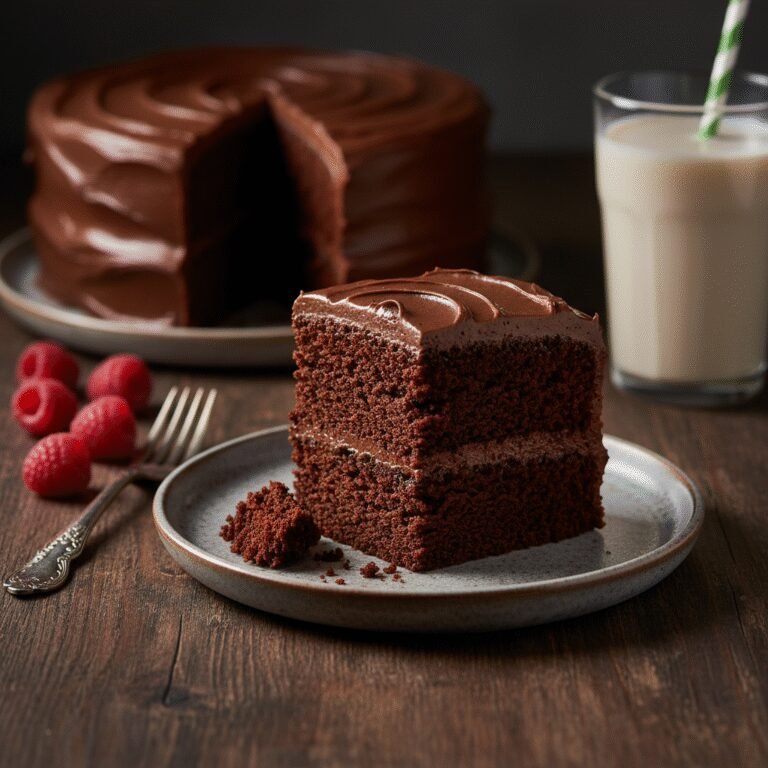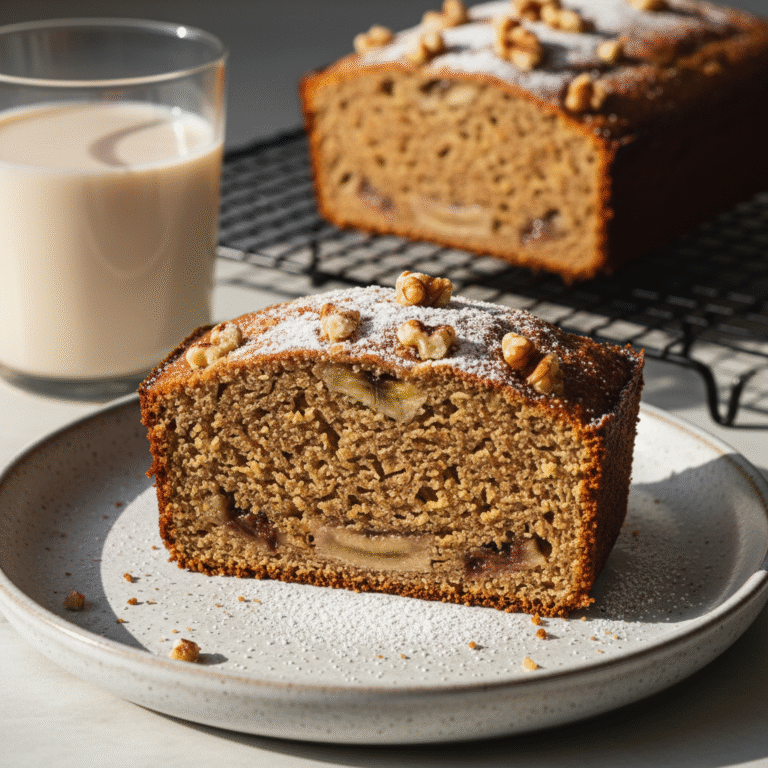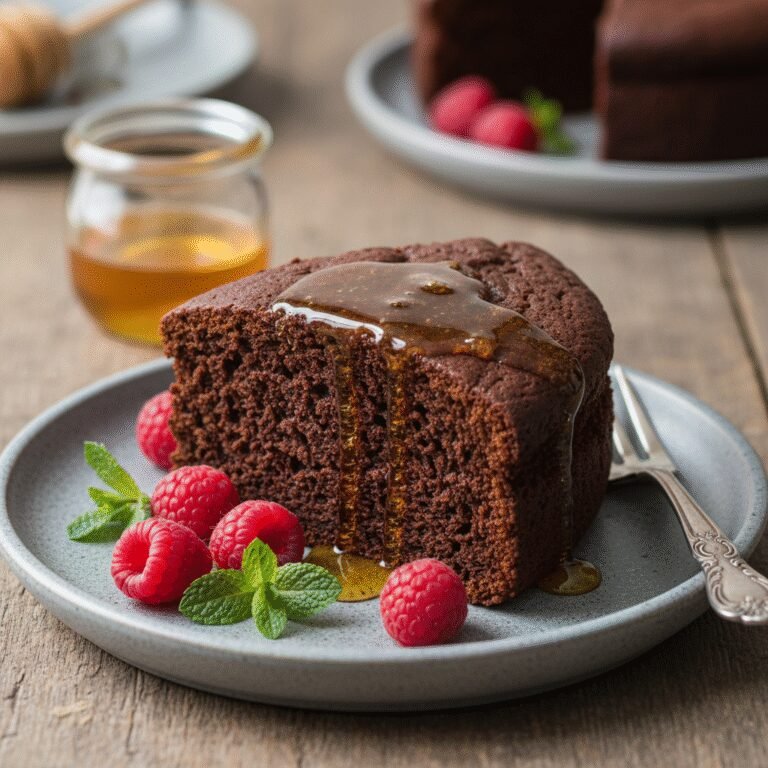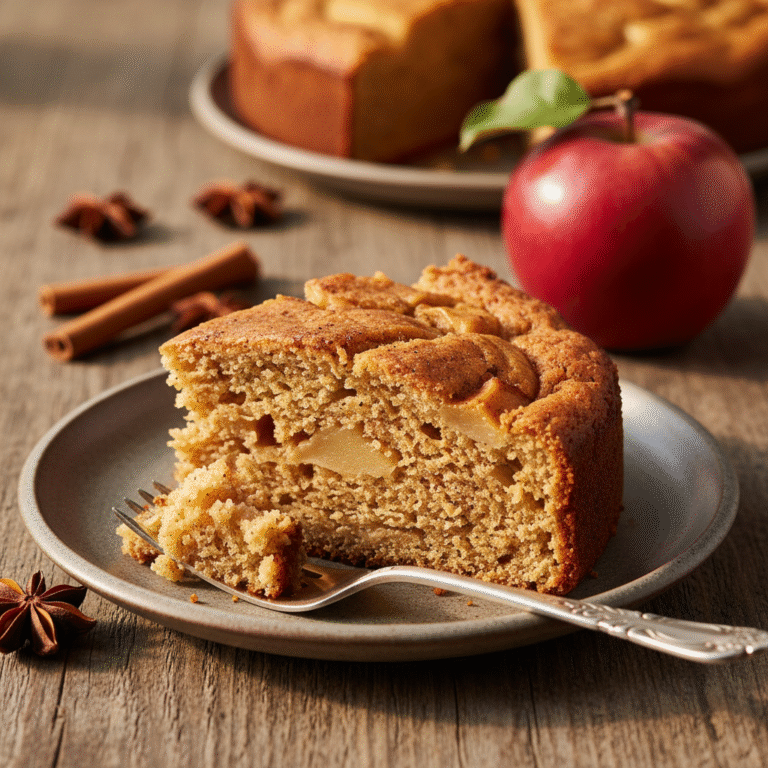
Decadent Low Sugar Chocolate Cake with Stevia: The Ultimate Guilt-Free Dessert
Low Sugar Low Sugar Chocolate Cake With Stevia Recipe
Satisfy your deepest chocolate cravings without the sugar crash with this incredibly moist and rich Low Sugar Chocolate Cake sweetened with Stevia. Perfect for diabetics or anyone watching their sugar intake, this recipe delivers all the indulgence of a classic bakery style cake with a fraction of the calories.
20 minutes
35 minutes
55 minutes
12 servings
Dessert
Baking
American
Low-Sugar
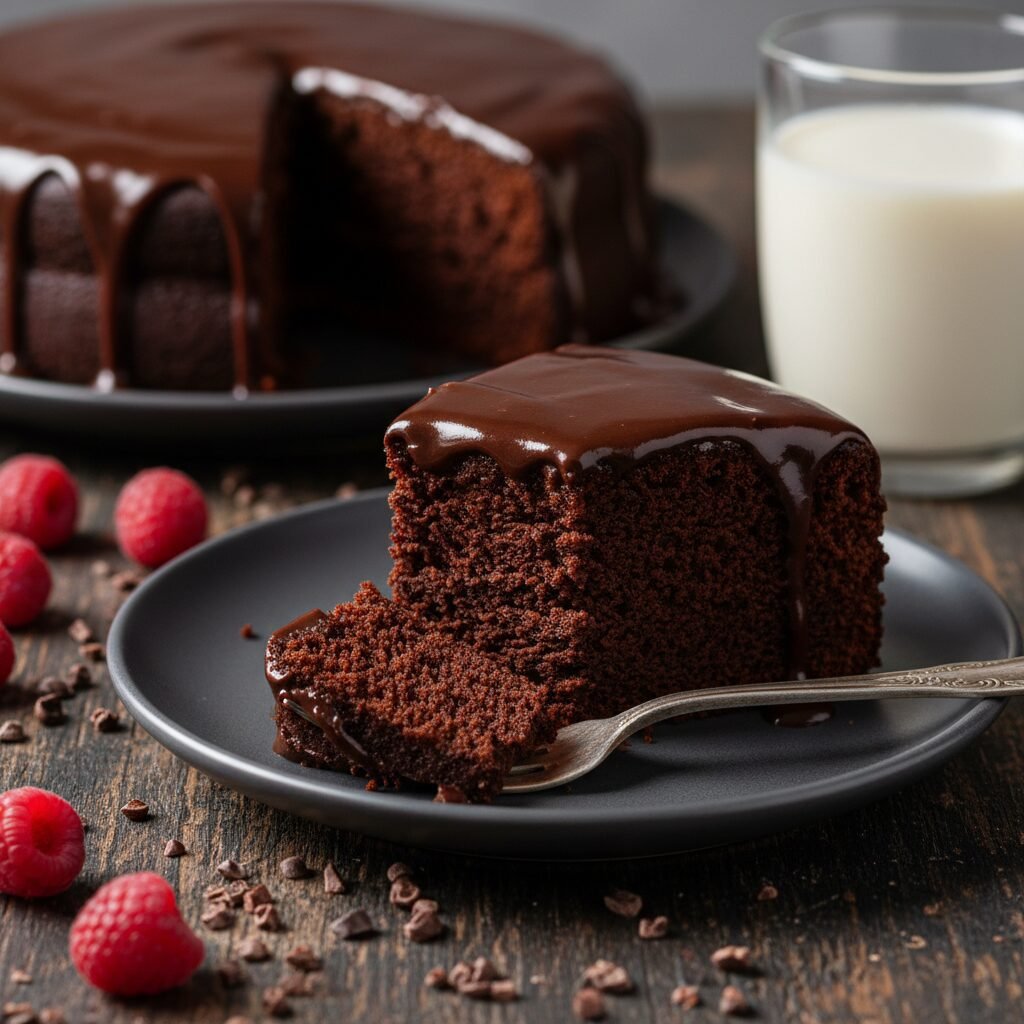
There is something universally comforting about a slice of rich, velvety chocolate cake. It is the centerpiece of birthdays, the remedy for bad days, and the ultimate celebration of culinary indulgence. However, for many of us trying to maintain a healthier lifestyle, manage diabetes, or simply reduce our refined sugar intake, navigating the world of desserts can feel like walking through a minefield. That is where this Low Sugar Chocolate Cake with Stevia comes in to save the day. This isn’t just a ‘good for a diet’ cake; it is a genuinely delicious dessert that stands toe-to-toe with its sugar-laden counterparts. We have spent countless hours in the kitchen testing ratios to ensure that the often-dreaded ‘cooling effect’ or bitter aftertaste associated with some stevia products is completely masked by the deep, luxurious notes of premium cocoa and vanilla. By balancing the chemistry of baking—where sugar usually plays a structural role—we have utilized ingredients that maintain moisture and tender crumb without the need for glucose spikes. Imagine biting into a forkful of dark, moist sponge that melts in your mouth, topped with a silky, sugar-free ganache. This recipe is a testament to the fact that you do not have to sacrifice flavor for health. Whether you are hosting a dinner party or looking for a weekend treat for the family, this cake promises to deliver pure joy without the guilt.
History & Origins
The history of chocolate cake is a journey that dates back to the 17th century, though it looked very different from the fluffy sponges we know today. Originally, chocolate was consumed primarily as a beverage. It wasn’t until 1828, when Coenraad van Houten of the Netherlands developed a mechanical extraction method for extracting fat from cacao liquor resulting in cacao butter and the partially defatted cacao, a compacted mass of solids that could be sold as ‘rock cacao’ or ground into powder, that chocolate became affordable and usable in baking. The first recipes for chocolate cake appeared in cookbooks in the late 19th century, often yellow cakes with chocolate frosting. The ‘Devil’s Food’ style, dark and rich, gained popularity in the early 20th century in the United States.
Parallel to this timeline is the history of Stevia rebaudiana, a plant native to Brazil and Paraguay. The Guaraní people have used stevia leaves, which they call ‘ka’a he’ê’ (sweet herb), for centuries to sweeten yerba mate and as a medicinal herb. However, it wasn’t until the late 20th and early 21st centuries that Stevia gained global traction as a zero-calorie sweetener. The convergence of these two histories—the classic American chocolate cake and the ancient South American sweetener—represents a modern culinary evolution. As health consciousness rose in the 2000s and the dangers of excessive sugar consumption became clear, bakers began experimenting. Early attempts were often dry or bitter, but as stevia processing improved and bakers understood the science of bulking agents, recipes like this one emerged, bridging the gap between historical indulgence and modern nutritional science.
Why This Recipe Works
Baking with Stevia presents a unique set of challenges because sugar does more than just sweeten; it provides structure, aeration, and moisture (hygroscopy). When you remove sugar, you often remove the bulk of the cake, leading to a dense or dry result. This recipe works exceptionally well because we address these chemical deficits directly. First, we use a ‘baking blend’ of Stevia which often includes erythritol or another bulking agent to mimic the volume of sugar, allowing for better creaming with butter or oil. Second, we rely on chemical leavening agents (baking powder and baking soda) reacting with the acidity of natural cocoa powder and buttermilk (or a sour cream substitute) to create a robust rise, ensuring the cake is fluffy rather than puck-like.
Furthermore, the inclusion of hot coffee in the batter is a game-changer. The hot liquid blooms the cocoa powder, releasing its full flavor potential and dissolving the stevia completely to prevent any gritty texture. The coffee intensifies the chocolate flavor, masking the metallic aftertaste that some people detect in stevia. Finally, we prioritize high-fat moisture sources like oil and eggs to compensate for the lack of sticky sugar syrup that usually keeps cakes moist. The result is a crumb that is tender, moist, and deeply flavorful.
Why You’ll Love This Recipe
- ✓Zero Refined Sugar
- ✓Diabetic Friendly
- ✓Intense Chocolate Flavor
- ✓Moist and Tender Crumb
- ✓Low Carb Options Available
- ✓No Bitter Aftertaste
Equipment You’ll Need
- ✓Two 8-inch round cake pans
- ✓Large mixing bowl
- ✓Medium mixing bowl
- ✓Electric hand mixer or stand mixer
- ✓Whisk
- ✓Sifter or fine-mesh sieve
- ✓Measuring cups and spoons
- ✓Parchment paper
- ✓Wire cooling rack
Ingredients
- ✓1 3/4 cups All-Purpose Flour (or almond flour for low carb)
- ✓3/4 cup Unsweetened Cocoa Powder (high quality)
- ✓1 1/2 cups Granulated Stevia Baking Blend (measure-for-measure)
- ✓1 1/2 tsp Baking Powder
- ✓1 1/2 tsp Baking Soda
- ✓1 tsp Salt
- ✓2 large Eggs, room temperature
- ✓1 cup Whole Milk or Almond Milk, room temperature
- ✓1/2 cup Vegetable Oil or Melted Coconut Oil
- ✓2 tsp Pure Vanilla Extract
- ✓1 cup Boiling Water (or hot brewed coffee for deeper flavor)
Instructions
- Preheat your oven to 350°F (175°C). Grease two 8-inch round cake pans with butter or oil and dust with cocoa powder. Line the bottoms with parchment paper for easy removal.
- In a large bowl, sift together the flour, cocoa powder, stevia blend, baking powder, baking soda, and salt. Whisk well to ensure the leavening agents are evenly distributed.
- In a separate medium bowl, whisk together the eggs, milk, oil, and vanilla extract until fully combined.
- Add the wet ingredients to the dry ingredients. Using an electric mixer on medium speed, beat for about 2 minutes. The batter will be thick at this stage.
- Reduce the mixer speed to low and carefully pour in the boiling water (or hot coffee). The batter will become very thin and liquidy—this is normal and essential for a moist cake.
- Pour the batter evenly into the prepared cake pans.
- Bake for 30 to 35 minutes, or until a wooden toothpick inserted into the center comes out clean or with just a few moist crumbs attached.
- Remove from the oven and let the cakes cool in the pans for 10 minutes. This allows them to set slightly before moving.
- Run a knife around the edges to loosen the cakes, then invert them onto a wire rack to cool completely before frosting.
Expert Cooking Tips
- ✓Use room temperature ingredients (eggs and milk) to ensure the batter emulsifies properly.
- ✓Do not skip the boiling water step; it blooms the cocoa and ensures the stevia dissolves fully.
- ✓If using a stevia blend that is more concentrated than sugar, adjust the amount according to the package instructions.
- ✓For a darker color and richer flavor, use Dutch-processed cocoa powder.
- ✓Let the cake cool completely before frosting, as stevia-based frostings can be more heat-sensitive.
- ✓Weigh your flour if possible; too much flour will make the cake dry.
- ✓Tap the cake pans on the counter before baking to release large air bubbles.
Substitutions and Variations
This recipe is quite versatile, allowing for several dietary adjustments. If you need this to be gluten-free, you can substitute the all-purpose flour with a high-quality 1:1 Gluten-Free Baking Flour blend that contains xanthan gum. For a lower carb or keto version, almond flour can be used, though the texture will be denser and you may need to add an extra egg for binding. If you are avoiding dairy, the whole milk can be swapped for unsweetened almond milk, soy milk, or oat milk without compromising the texture. The vegetable oil can be replaced with melted coconut oil or melted butter if you prefer a buttery flavor, though oil generally keeps the cake moister for longer. Regarding the sweetener, while this recipe calls for a Stevia baking blend, you can also use Erythritol or Monk Fruit sweetener blends, provided they are formulated to measure 1:1 like sugar. Always check the conversion chart on your specific sweetener packaging.
Common Mistakes to Avoid
The most common mistake when baking with stevia is over-baking. Sugar-free cakes do not caramelize the same way traditional cakes do, so relying solely on color to judge doneness can be misleading. If you bake it too long, the lack of sugar (which holds moisture) will result in a dry, crumbly texture. Trust the toothpick test. Another frequent error is using pure stevia extract powder or liquid drops instead of a baking blend. Pure stevia is hundreds of times sweeter than sugar and lacks the bulk needed for the cake’s structure; using it directly without a bulking agent will ruin the recipe. Additionally, failing to sift the cocoa powder can result in bitter lumps of dry cocoa in your finished cake. Lastly, be careful not to overmix the batter once the flour is added (before the water step), as this develops gluten and can make the cake tough.
Serving Suggestions
This Low Sugar Chocolate Cake is incredibly versatile in how it can be served. For a classic approach, frost it with a sugar-free chocolate buttercream or a whipped ganache made from sugar-free chocolate chips and heavy cream. It pairs beautifully with fresh berries—raspberries and strawberries add a tart contrast that cuts through the richness of the chocolate. A dollop of unsweetened whipped cream or a scoop of keto-friendly vanilla ice cream makes for an indulgent dessert presentation. For a simple afternoon tea treat, simply dust the top with a little powdered erythritol or cocoa powder. If you are serving this for a special occasion, garnish with fresh mint leaves and edible flowers for a pop of color.
Storage and Reheating Tips
Because this cake contains high moisture ingredients and lacks the preserving power of sugar, it is best stored in the refrigerator if you plan to keep it for more than 24 hours. Place the cake in an airtight container or cake dome to prevent it from absorbing fridge odors and drying out. It will stay fresh in the fridge for up to 5 days. Allow the cake to come to room temperature before eating for the best flavor and texture. This cake also freezes beautifully. Wrap individual slices or the whole cake layers tightly in plastic wrap, followed by a layer of aluminum foil. It can be frozen for up to 3 months. Thaw overnight in the refrigerator before serving.
Nutrition Facts (Estimated)
| Serving Size | 1 slice |
| Calories | 245 |
| Fat | 18g |
| Saturated Fat | 4g |
| Unsaturated Fat | 12g |
| Trans Fat | 0g |
| Cholesterol | 45mg |
| Sodium | 320mg |
| Carbohydrates | 22g |
| Fiber | 4g |
| Sugar | 1g |
| Protein | 6g |
Frequently Asked Questions
Can I use pure liquid stevia instead of a granular blend?
It is not recommended for this specific recipe. The granular blend provides bulk and volume that mimics sugar, which is crucial for the cake’s structure. Liquid stevia would alter the wet-to-dry ratio significantly.
Does this cake have a cooling aftertaste?
If you use a high-quality stevia baking blend and include the cocoa and vanilla as directed, the aftertaste is minimal to non-existent. The hot coffee also helps mask any potential metallic notes.
Can I make this into cupcakes?
Yes! This batter works perfectly for cupcakes. Line a muffin tin with papers and bake for 18-22 minutes at the same temperature.
Why is the batter so runny?
The batter is intentionally thin because of the boiling water. This ensures the cocoa blooms and the cake stays moist without the hygroscopic properties of sugar.
Is this cake keto-friendly?
As written with all-purpose flour, it is low sugar but not keto. To make it keto, substitute the flour with almond flour or a keto flour blend.
What frosting goes best with this?
A cream cheese frosting sweetened with powdered stevia or a whipped chocolate ganache using sugar-free chocolate chips are excellent choices.
Can I use olive oil?
Yes, a light olive oil works well, but avoid extra virgin olive oil as its strong flavor might clash with the chocolate.
How do I know when it is done if it doesn’t brown much?
Rely on the toothpick test. Insert a toothpick into the center; it should come out clean or with a few moist crumbs, but no wet batter.
Conclusion
Baking a Low Sugar Chocolate Cake with Stevia doesn’t mean you have to compromise on the joy of dessert. This recipe proves that with the right balance of ingredients and techniques, you can achieve a cake that is every bit as luscious, moist, and satisfying as a traditional sugar-filled version. It is a wonderful option for those managing their health but unwilling to give up their favorite treats. We hope this cake becomes a staple in your kitchen, bringing smiles to your table without the sugar spike. Happy baking, and enjoy every guilt-free bite!