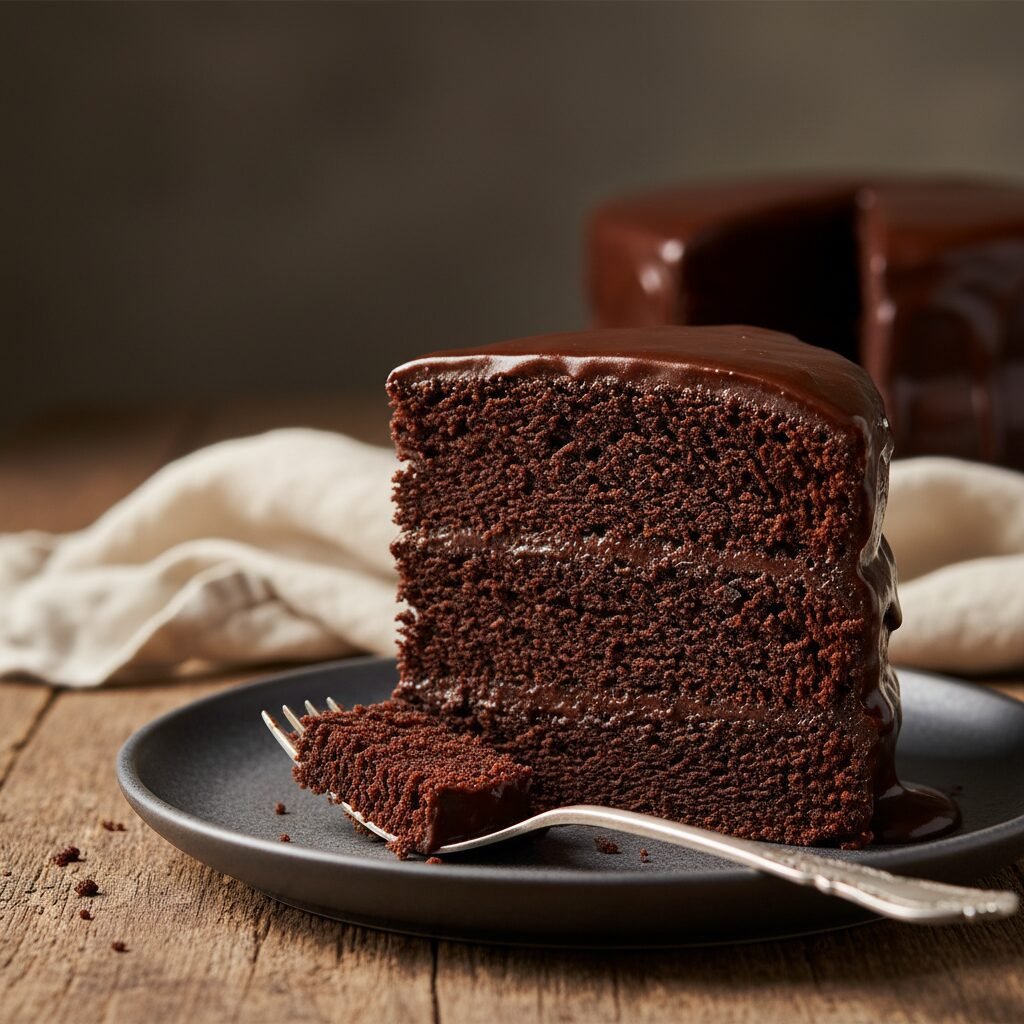
The Ultimate Ultra-Moist Low Sugar Chocolate Cake With Erythritol
Low Sugar Low Sugar Chocolate Cake With Erythritol Recipe
Discover the holy grail of keto baking with this decadent, low sugar chocolate cake sweetened with erythritol. It is incredibly moist, rich in deep cocoa flavor, and completely free of the dreaded cooling effect, making it the perfect guilt-free dessert for any occasion.
20 minutes
30 minutes
50 minutes
12 servings
Dessert
Baking
American Low-Carb
Gluten-Free
If you have been on a low-carb or ketogenic journey for any length of time, you likely know the heartbreak of dry, crumbly, or strangely cooling sugar-free desserts. Finding a low sugar chocolate cake recipe that actually tastes like the real deal—moist, tender, and profoundly chocolatey—can feel like searching for a needle in a haystack. But put down the search party, because you have finally arrived at the destination. This Low Sugar Chocolate Cake with Erythritol is not just ‘good for a diet cake’; it is genuinely delicious in its own right. We have engineered this recipe to overcome the common pitfalls of erythritol-based baking. By balancing the sweetener with high-quality fats and a specific blend of almond and coconut flours, we achieve a crumb structure that rivals traditional wheat-based cakes. The flavor profile is dominated by premium Dutch-processed cocoa, which provides that luxurious, dark chocolate intensity that chocolate lovers crave. Whether you are managing diabetes, sticking to a keto lifestyle, or simply trying to reduce your refined sugar intake without sacrificing joy, this cake is a game-changer. It pairs perfectly with a sugar-free ganache or a dollop of heavy whipped cream, creating a centerpiece dessert that will fool even your most carb-loving family members. Get ready to reignite your love for baking with a recipe that proves you really can have your cake and eat it too.
History & Origins
The concept of chocolate cake has evolved drastically over the centuries. While chocolate itself has been consumed as a beverage by Mesoamerican civilizations for thousands of years, the chocolate cake as we know it is a relatively modern invention. Dr. James Baker discovered how to make chocolate by grinding cocoa beans between massive circular millstones in 1764, but it wasn’t until the late 19th century that chocolate cake began to resemble the fluffy confections we adore today. The first recipes were actually yellow cakes with chocolate frosting, or spice cakes with a hint of cocoa. It wasn’t until the Devil’s Food Cake appeared in the early 1900s that rich, dark, chocolate-forward cakes became the standard. Fast forward to the late 20th and early 21st centuries, and a new dietary revolution began. As awareness of the health impacts of refined sugar grew, alongside the rise of the Atkins, Paleo, and Ketogenic diets, home bakers began experimenting with alternatives. Erythritol, a sugar alcohol discovered in 1848 by Scottish chemist John Stenhouse, eventually emerged as a frontrunner for healthy baking. Unlike other sweeteners that spike blood sugar or leave a bitter aftertaste, erythritol offered a natural, zero-calorie solution with a sweetness profile very close to sucrose. This recipe represents the culmination of that history: blending the classic, comforting texture of 20th-century American baking with the nutritional science of the 21st century. It honors the tradition of the celebratory chocolate cake while adapting it for the modern, health-conscious kitchen.
Why This Recipe Works
This recipe succeeds where many others fail due to a deep understanding of the chemistry of gluten-free and sugar-free baking. First, we address the ‘cooling effect’ often associated with erythritol. This sensation occurs because erythritol absorbs heat as it dissolves. To counteract this, we use a powdered form of erythritol which dissolves more readily into the batter, and we pair it with a high fat content from butter and almond flour, which coats the tongue and mitigates the sensation. Secondly, structure is crucial. Without gluten, cakes can fall apart. We use a precise ratio of almond flour for moisture and density, combined with a smaller amount of coconut flour. Coconut flour is highly absorbent and fibrous, acting similarly to a binder that holds the crumb together without making it rubbery. Third, the ‘bloom’. We utilize hot coffee or boiling water to mix the cocoa powder before adding it to the batter. This technique, known as blooming, releases the flavor compounds in the cocoa butter, resulting in a more intense chocolate taste that masks any residual sweetener aftertaste. Finally, the inclusion of sour cream or Greek yogurt adds acidity, which reacts with the baking soda for a better rise and a tenderizing effect on the protein structure of the egg and almond flour.
Why You’ll Love This Recipe
- ✓Zero refined sugar and completely keto-friendly
- ✓Uses common pantry staples found in low-carb kitchens
- ✓Incredibly moist crumb that does not dry out
- ✓Rich, deep chocolate flavor enhanced by coffee
- ✓No bitter aftertaste or strong cooling sensation
- ✓Freezes beautifully for meal prep desserts
Equipment You’ll Need
- ✓Two 8-inch round cake pans
- ✓Large mixing bowl
- ✓Electric hand mixer or stand mixer
- ✓Whisk
- ✓Rubber spatula
- ✓Measuring cups and spoons
- ✓Parchment paper
- ✓Wire cooling rack
Ingredients
- ✓2 cups blanched almond flour (super fine)
- ✓1/3 cup coconut flour
- ✓3/4 cup unsweetened cocoa powder (Dutch-processed preferred)
- ✓1 1/2 cups powdered erythritol sweetener
- ✓1 1/2 teaspoons baking powder
- ✓1 teaspoon baking soda
- ✓1/2 teaspoon sea salt
- ✓4 large eggs, room temperature
- ✓1/2 cup unsalted butter, melted and slightly cooled
- ✓1/2 cup full-fat sour cream or Greek yogurt
- ✓2 teaspoons vanilla extract
- ✓1/2 cup hot brewed coffee (or hot water)
Instructions
- Preheat your oven to 350°F (175°C). Grease two 8-inch round cake pans generously with butter or coconut oil and line the bottoms with parchment paper to ensure easy removal.
- In a medium bowl, whisk together the dry ingredients: almond flour, coconut flour, cocoa powder, powdered erythritol, baking powder, baking soda, and salt. Ensure there are no lumps, especially in the almond flour and cocoa.
- In a large mixing bowl, beat the eggs, melted butter, sour cream, and vanilla extract using an electric mixer on medium speed until well combined and smooth, about 2 minutes.
- Slowly add the dry ingredient mixture to the wet ingredients in two batches, mixing on low speed until just incorporated. Do not overmix.
- Pour the hot coffee (or hot water) into the batter. Whisk gently by hand or mix on the lowest speed until the liquid is fully absorbed and the batter is glossy. The batter will be thinner than traditional cake batter; this is normal.
- Divide the batter evenly between the two prepared cake pans. Tap the pans gently on the counter to release any trapped air bubbles.
- Bake in the center of the preheated oven for 25-30 minutes, or until a toothpick inserted into the center comes out clean or with just a few moist crumbs attached.
- Remove the cakes from the oven and let them cool in the pans for at least 15-20 minutes. This step is critical as gluten-free cakes are fragile when hot.
- Gently run a knife around the edges, then invert the cakes onto a wire rack to cool completely before frosting.
Expert Cooking Tips
- ✓Use room temperature eggs and sour cream to prevent the melted butter from seizing when mixed.
- ✓Powdered erythritol is essential; granular versions can result in a gritty texture.
- ✓Do not skip the parchment paper; low-carb flours stick more than wheat flour.
- ✓If the top browns too quickly, tent the pans loosely with aluminum foil halfway through baking.
- ✓Let the cake cool completely before slicing; the structure firms up significantly as it cools.
- ✓Weighing your flours with a kitchen scale is more accurate than cup measurements for keto baking.
- ✓Dutch-processed cocoa yields a darker color and mellower flavor than natural cocoa.
Substitutions and Variations
This recipe is quite flexible, but specific substitutions are required to maintain the low-sugar integrity. For the sweetener, if you dislike pure erythritol, a monk fruit/erythritol blend works wonderfully and is often 1:1. Allulose is another excellent option that browns better and keeps the cake softer, but it is less sweet, so you may need to increase the amount by 25%. For the dairy, you can substitute the butter with melted coconut oil for a dairy-free version, and use full-fat coconut cream instead of sour cream. Note that coconut oil will impart a slight coconut flavor. Regarding flours, do not try to substitute almond flour with coconut flour in a 1:1 ratio; coconut flour is extremely absorbent and requires much more liquid. If you have a nut allergy, sunflower seed flour is the closest 1:1 substitute for almond flour, though it may turn green due to a reaction with baking soda (adding a splash of vinegar helps prevent this). Regular brewed coffee enhances chocolate flavor without adding coffee taste, but hot water works if you are sensitive to caffeine.
Common Mistakes to Avoid
The most common mistake with this recipe is over-baking. Almond flour cakes do not dry out in the same visible way wheat cakes do; they burn or become crumbly. Trust the toothpick test and remember the cake continues to cook slightly in the pan. Another mistake is using granular sweetener without powdering it first. This leads to a crunchy texture in the finished cake. You can powder granular erythritol yourself in a high-speed blender. Failing to let the cake cool in the pan is another frequent error; unlike gluten cakes, the structure of an almond flour cake is very delicate when hot. If you try to flip it too soon, it will crumble. Lastly, do not use cold ingredients. Cold eggs hitting melted butter will cause the fat to solidify immediately, resulting in a lumpy batter and an uneven bake.
Serving Suggestions
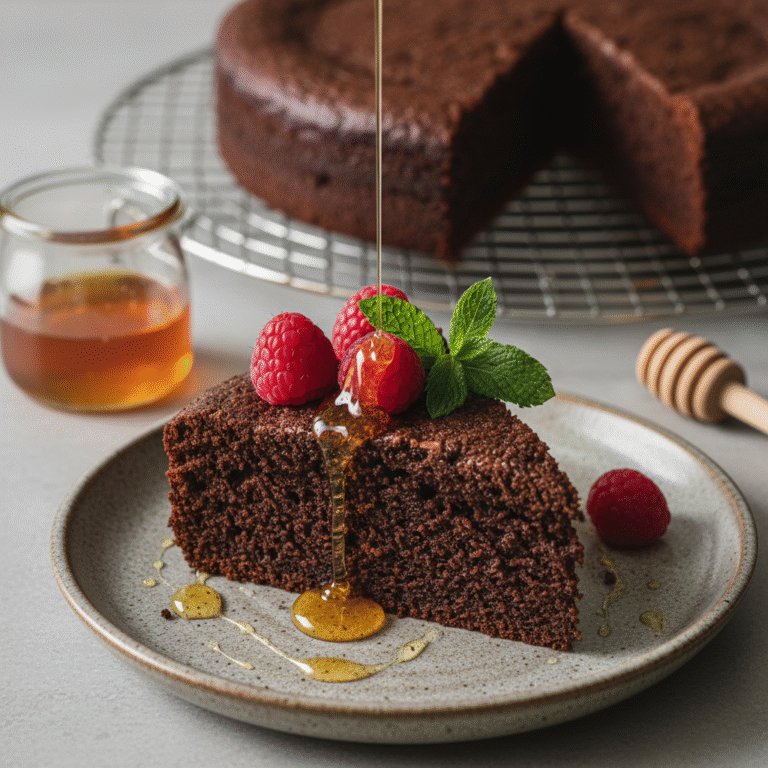
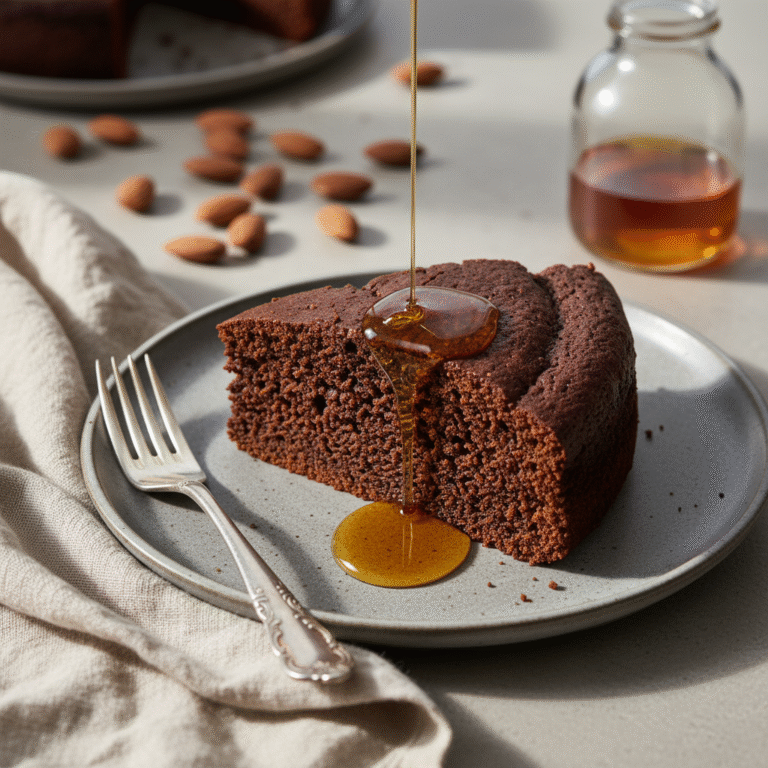
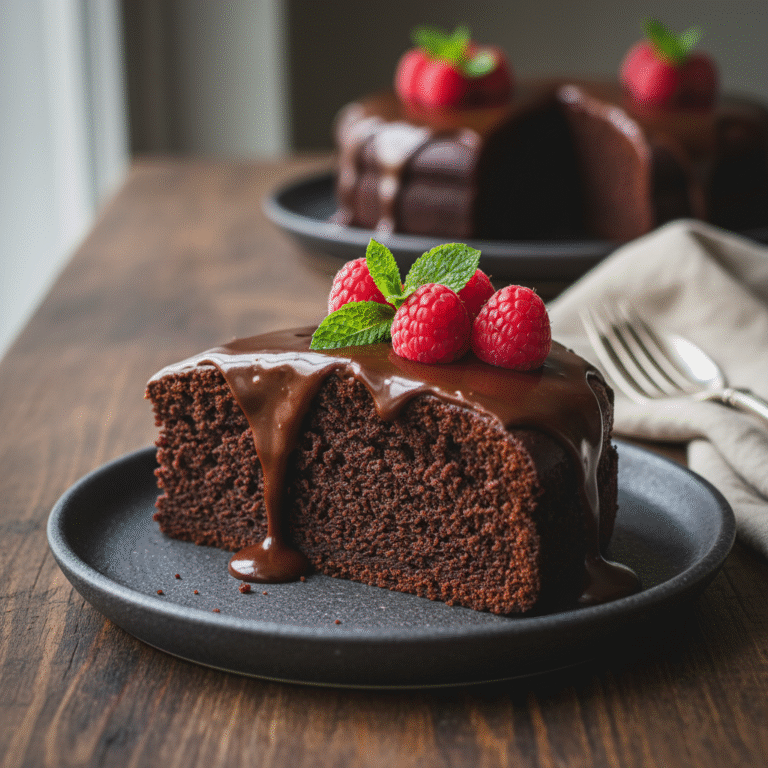
This cake is versatile and elegant. For a classic birthday cake feel, frost it with a sugar-free chocolate buttercream or a cream cheese frosting sweetened with powdered stevia or erythritol. For a more sophisticated dinner party dessert, serve a slice warm with a pour of heavy cream or a scoop of keto-friendly vanilla ice cream. Fresh berries, particularly raspberries or strawberries, cut through the richness of the chocolate and add a beautiful pop of color. A dusting of powdered sweetener and a sprig of fresh mint makes for a minimalist, restaurant-quality presentation. If you are a coffee lover, pair this with an espresso or a bulletproof coffee for an indulgent afternoon treat.
Storage and Reheating Tips
Because this cake contains fresh ingredients like eggs and sour cream, and lacks the preservatives of boxed mixes, it is best stored in the refrigerator. Wrap the cake layers tightly in plastic wrap or store them in an airtight cake carrier. It will stay fresh in the fridge for up to 5 days. In fact, many find the texture improves after a night in the fridge as the moisture redistributes. For long-term storage, this cake freezes exceptionally well. Wrap individual slices or whole cake layers in plastic wrap, followed by a layer of aluminum foil to prevent freezer burn. It can be frozen for up to 3 months. Thaw overnight in the refrigerator or on the counter for an hour before serving. If serving from the fridge, letting it sit at room temperature for 20 minutes softens the butter content for a better mouthfeel.
Nutrition Facts (Estimated)
| Serving Size | 1 slice |
| Calories | 245 |
| Fat | 21g |
| Saturated Fat | 8g |
| Unsaturated Fat | 11g |
| Trans Fat | 0g |
| Cholesterol | 65mg |
| Sodium | 180mg |
| Carbohydrates | 6g |
| Fiber | 3g |
| Sugar | 1g |
| Protein | 7g |
Frequently Asked Questions
Can I use stevia instead of erythritol?
Pure stevia extract is much sweeter than sugar and lacks bulk, so it cannot be swapped 1:1. However, many ‘baking stevia’ blends contain bulking agents and might work. Check the package conversion, but erythritol or allulose provides the best structural bulk.
Why did my cake fall in the center?
This usually happens if the oven door was opened too early during baking, causing a temperature drop, or if the leavening agents (baking powder/soda) were expired. Ensure your oven is fully preheated before baking.
Does this cake taste like coconut?
Despite containing coconut flour, the chocolate and vanilla flavors are strong enough to mask the coconut taste. It tastes like a rich chocolate cake, not a tropical dessert.
Is this cake suitable for diabetics?
Yes, generally. Erythritol has a glycemic index of zero and does not spike blood sugar for most people. However, always check with your doctor and test your own blood sugar response as individual sensitivities vary.
Can I make this as cupcakes instead?
Absolutely. This batter makes about 12-15 standard cupcakes. Reduce the baking time to 18-22 minutes and check for doneness earlier.
What frosting do you recommend?
A keto chocolate buttercream made with butter, cocoa powder, powdered erythritol, and heavy cream is the standard choice. A ganache made from sugar-free chocolate chips and heavy cream is also delicious.
Can I use normal flour instead of almond flour?
No, this recipe relies on the fat and protein content of almond flour for structure. Wheat flour behaves completely differently and would require a totally different recipe.
How do I get the lumps out of almond flour?
Almond flour can be oily and clump together. The best method is to sift it through a fine-mesh sieve or whisk it vigorously before mixing. You can also pulse it briefly in a food processor.
Why is my batter so runny?
The batter is supposed to be on the thinner side, especially after adding the hot coffee. This ensures the coconut flour has enough moisture to absorb during baking. Do not add more flour.
What is the net carb count?
Depending on the specific brands of ingredients used, each slice typically contains between 3g and 5g of net carbs, making it very suitable for ketogenic diets.
Conclusion
Baking without sugar doesn’t mean baking without passion or flavor. This Low Sugar Chocolate Cake with Erythritol stands as proof that you can nourish your body while indulging your soul. It is a recipe that invites everyone to the table, regardless of dietary restrictions, to share in the simple pleasure of a homemade dessert. From the ease of preparation to the luxurious, velvety texture of the final crumb, every step of this process is designed for success. We hope this cake becomes a staple in your kitchen, a reliable friend for birthdays, holidays, or those Tuesday nights when only chocolate will do. Happy baking, and enjoy every guilt-free bite!