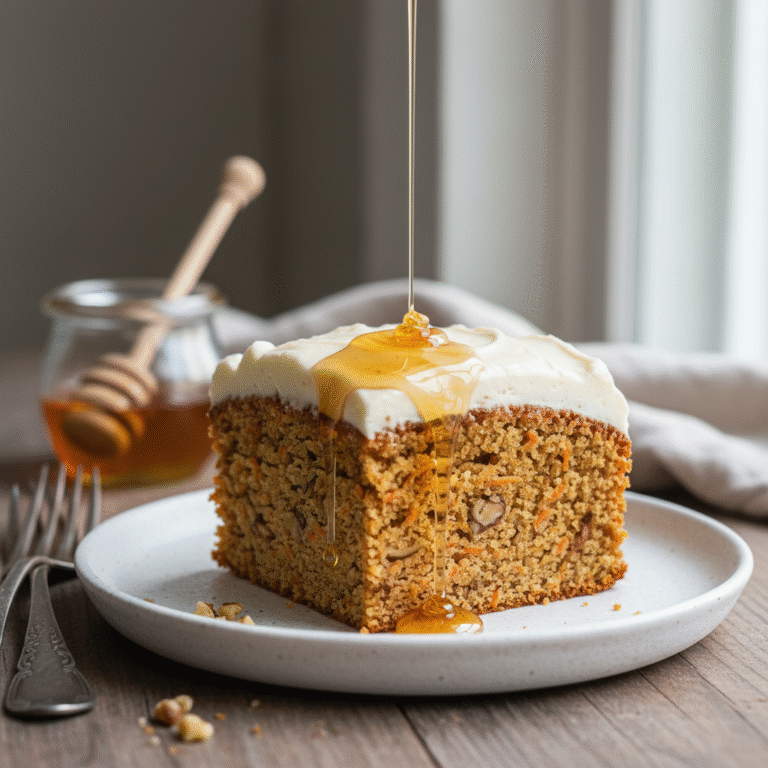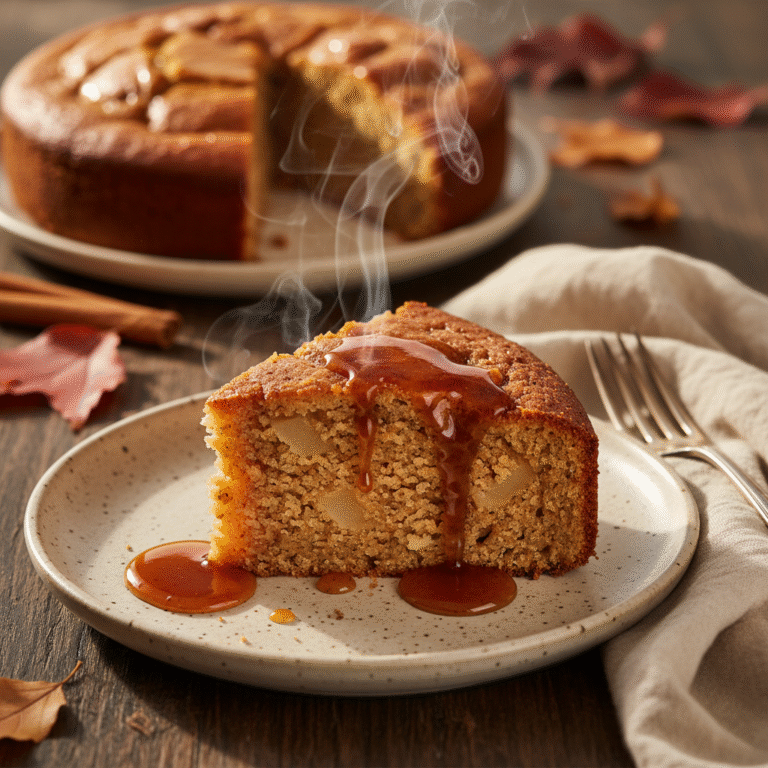
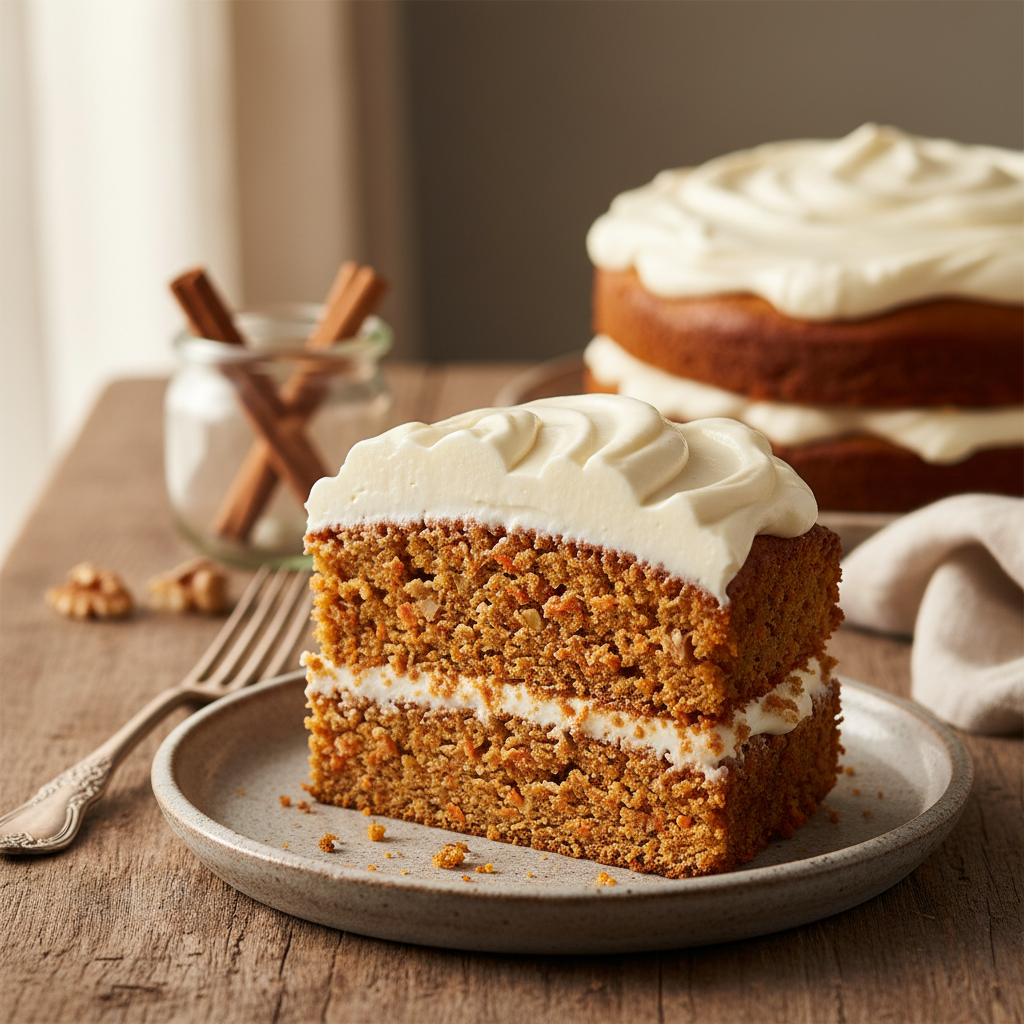
Moist & Fluffy Low Sugar Carrot Cake with Stevia: A Guilt-Free Classic
Low Sugar Low Sugar Carrot Cake With Stevia Recipe
Indulge in the classic comfort of carrot cake without the sugar crash. This moist, spiced masterpiece uses Stevia for sweetness and features a luscious, sugar-free cream cheese frosting that rivals any bakery favorite.
25 minutes
35 minutes
1 hour 15 minutes (includes cooling)
12 servings
Dessert
Baking
American
Diabetic Friendly
Carrot cake is one of those timeless desserts that manages to bridge the gap between wholesome comfort food and decadent indulgence. However, for those watching their sugar intake—whether for diabetic management, weight loss, or simply a healthier lifestyle—traditional carrot cake is often strictly off-limits due to its massive sugar content. Enter this Low Sugar Carrot Cake with Stevia, a recipe meticulously designed to replicate the tender crumb, rich spice profile, and creamy topping of the original, without the glycemic spike.
The challenge with baking with sugar substitutes, particularly Stevia, is often the texture and the aftertaste. Sugar doesn’t just sweeten; it provides bulk and moisture. When you remove it, you risk a dry, dense brick. This recipe combats that by incorporating unsweetened applesauce and Greek yogurt, which not only keep the cake incredibly moist but also add a subtle tang that complements the spices. We use a blend of cinnamon, nutmeg, and ginger to create that signature warmth that fills your kitchen as it bakes. The result is a cake so flavorful and satisfying that most people won’t even realize it’s a ‘healthier’ version.
Furthermore, the crowning glory of any carrot cake is the cream cheese frosting. We’ve developed a silky-smooth, sugar-free version using powdered Stevia and high-quality cream cheese. It provides the perfect cool, tangy contrast to the warm spices of the cake. Whether you are serving this for a birthday, a holiday brunch, or just a Tuesday night treat, this recipe proves that you don’t have to sacrifice flavor for health. It is a labor of love that yields a dessert worthy of any celebration, promising a guilt-free slice of heaven in every bite.
History & Origins
The origins of carrot cake are somewhat debated, but food historians generally agree that it likely evolved from medieval carrot puddings. In the Middle Ages, sugar was a rare and expensive luxury imported from distant lands. Carrots, however, were abundant, cheap, and naturally sweet—second only to beets in sugar content among vegetables. European cooks would use them to sweeten their desserts, creating dense, steamed puddings that were the ancestors of the modern cake.
Fast forward to the 20th century, carrot cake experienced a resurgence during World War II in Great Britain. With strict rationing of sugar and other baking staples, the government disseminated recipes using carrots as a sweetener to keep morale high and diets varied. It was presented as a patriotic and healthy alternative to traditional sweets.
However, the carrot cake as we know it today—fluffy, baked in layers, and slathered in cream cheese frosting—became an American icon in the 1960s and 1970s. It rode the wave of the budding health food movement; despite being laden with oil and sugar, the presence of a vegetable convinced many that it was a ‘health food.’ It became a staple in cafes and restaurants across the United States.
In recent decades, as awareness of sugar’s health impacts has grown, the recipe has continued to evolve. The rise of high-quality natural sweeteners like Stevia, derived from the Stevia rebaudiana plant used by Guarani peoples of South America for centuries, has allowed bakers to revisit this classic. This version honors the medieval ingenuity of using vegetables for sweetness while utilizing modern ingredients to fit contemporary dietary needs.
Why This Recipe Works
This recipe succeeds where many low-sugar baked goods fail because it addresses the chemical functions of sugar, not just the taste. In baking, sugar is hygroscopic, meaning it attracts and holds water. When you replace sugar with Stevia (which has zero bulk and no hygroscopic properties), you often end up with a dry product. To counteract this, we introduce ‘structural moisture’ through unsweetened applesauce and full-fat Greek yogurt. These ingredients mimic the tenderizing effect of sugar, ensuring the crumb remains soft and springy rather than tough.
Additionally, Stevia can sometimes have a metallic or bitter aftertaste. We mask this effectively by using a robust spice blend. Cinnamon, nutmeg, and ginger are strong aromatics that distract the palate from the sweetener’s nuances, allowing the natural sweetness of the roasted carrots to shine through. We also recommend a ‘baking blend’ of Stevia if available, or a high-quality pure extract mixed with erythritol, as these bulkier blends disperse more evenly than pure liquid drops. Finally, the inclusion of walnuts adds a necessary textural contrast and healthy fats, which help carry the flavor compounds across the tongue, making the eating experience richer and more satisfying.
Why You’ll Love This Recipe
- ✓Significantly lower in calories and carbohydrates than traditional carrot cake.
- ✓Uses Stevia for a diabetic-friendly, blood-sugar-safe dessert.
- ✓Incredibly moist texture thanks to Greek yogurt and applesauce.
- ✓Richly spiced with cinnamon, nutmeg, and ginger for authentic flavor.
- ✓Includes a decadent, sugar-free cream cheese frosting recipe.
- ✓Perfect for meal prep or freezing for later enjoyment.
Equipment You’ll Need
- ✓Two 8-inch or 9-inch round cake pans
- ✓Large mixing bowl
- ✓Medium mixing bowl
- ✓Whisk
- ✓Rubber spatula
- ✓Box grater or food processor (for carrots)
- ✓Electric hand mixer or stand mixer
- ✓Measuring cups and spoons
- ✓Wire cooling rack
Ingredients
- ✓2 cups all-purpose flour (or whole wheat pastry flour)
- ✓1 1/2 tsp baking soda
- ✓1/2 tsp salt
- ✓2 tsp ground cinnamon
- ✓1/2 tsp ground nutmeg
- ✓1/2 tsp ground ginger
- ✓1 cup Stevia granular sweetener (baking blend equivalent to 1 cup sugar)
- ✓3/4 cup vegetable oil (or melted coconut oil)
- ✓3 large eggs, room temperature
- ✓1/2 cup unsweetened applesauce
- ✓1/3 cup plain Greek yogurt
- ✓2 tsp vanilla extract
- ✓2 1/2 cups grated fresh carrots (approx. 4-5 medium carrots)
- ✓3/4 cup chopped walnuts or pecans (optional)
- ✓8 oz cream cheese, softened (for frosting)
- ✓1/4 cup unsalted butter, softened (for frosting)
- ✓1/2 cup powdered Stevia sweetener (or confectioners style erythritol blend)
- ✓1 tsp vanilla extract (for frosting)
- ✓1 tbsp heavy cream (optional, for consistency)
Instructions
- Preheat your oven to 350°F (175°C). Grease two 8-inch or 9-inch round cake pans with oil or butter and line the bottoms with parchment paper to ensure easy release.
- In a medium bowl, whisk together the flour, baking soda, salt, cinnamon, nutmeg, and ginger until well combined and no lumps remain. Set aside.
- In a large mixing bowl, combine the Stevia granular sweetener, oil, eggs, applesauce, Greek yogurt, and vanilla extract. Whisk vigorously until the mixture is smooth and slightly emulsified.
- Gradually add the dry ingredients to the wet ingredients. Use a rubber spatula to mix gently. Stop mixing as soon as the flour streaks disappear; do not overmix.
- Fold in the grated carrots and chopped walnuts (if using) until they are evenly distributed throughout the batter.
- Divide the batter evenly between the prepared cake pans. Smooth the tops with the spatula.
- Bake in the preheated oven for 30-35 minutes. Test for doneness by inserting a toothpick into the center of the cake; it should come out clean or with just a few moist crumbs attached.
- Remove the cakes from the oven and let them cool in the pans for about 10 minutes. Then, carefully invert them onto a wire rack to cool completely before frosting. This is crucial as frosting a warm cake will cause it to melt.
- While the cakes cool, prepare the frosting. In a large bowl using a handheld or stand mixer, beat the softened cream cheese and butter together on medium-high speed until smooth and creamy (about 2-3 minutes).
- Lower the mixer speed and gradually add the powdered Stevia and vanilla extract. Beat until fully incorporated. If the frosting is too thick, add 1 tablespoon of heavy cream. Increase speed to high and whip for another minute until fluffy.
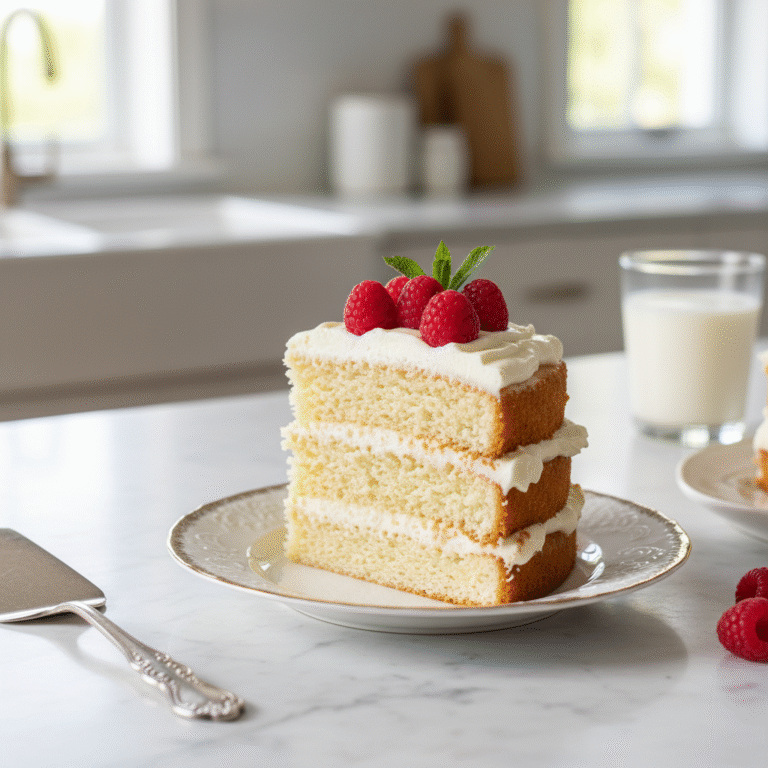
- Once the cakes are completely cool, place one layer on a serving plate. Spread a layer of frosting over the top. Place the second cake layer on top and spread the remaining frosting over the top and sides.
- Garnish with extra chopped nuts or a dusting of cinnamon if desired. Slice and serve.
Expert Cooking Tips
- ✓Ensure all refrigerated ingredients (eggs, yogurt, cream cheese) are at room temperature before mixing. This prevents the batter from separating and ensures a smooth frosting.
- ✓Grate your own carrots using the medium holes of a box grater. Pre-shredded store-bought carrots are often too dry and thick, which can affect the moisture of the cake.
- ✓Don’t pack the flour when measuring. Spoon it into the measuring cup and level it off with a knife to avoid a dense cake.
- ✓If you find Stevia has a cooling effect or aftertaste, try a blend of Stevia and Erythritol, which often tastes more like real sugar.
- ✓Let the cake sit overnight if possible. Carrot cake is one of those rare desserts that tastes even better the next day as the moisture redistributes and the spices meld.
- ✓To prevent the cake layers from doming too much, you can wrap wet cake strips around the outside of the pans before baking.
Substitutions and Variations
This recipe is quite versatile. If you need a gluten-free version, you can substitute the all-purpose flour with a high-quality 1:1 gluten-free baking flour blend containing xanthan gum. For a dairy-free option, swap the Greek yogurt for a dairy-free coconut yogurt or additional applesauce, and use plant-based cream cheese and butter alternatives for the frosting. If you are allergic to nuts, simply omit the walnuts or replace them with pumpkin seeds or raisins (note that raisins will increase the sugar content). Regarding the oil, you can use melted coconut oil for a slight tropical hint, or avocado oil for a neutral flavor. If you don’t have Stevia, monk fruit sweetener is an excellent 1:1 natural alternative that works similarly in baking.
Common Mistakes to Avoid
The most common mistake with low-sugar baking is over-baking. Without sugar to hold onto moisture, the window between ‘perfectly cooked’ and ‘dry’ is smaller. Start checking your cake 5 minutes before the timer goes off. Another error is over-mixing the batter after adding the flour. This develops the gluten too much, leading to a rubbery texture rather than a tender crumb. When making the frosting, using cold cream cheese is a recipe for disaster; it will result in a lumpy frosting that won’t smooth out no matter how long you beat it. Lastly, do not skip the parchment paper. Low-sugar cakes can sometimes stick more stubbornly to pans than traditional ones.
Serving Suggestions
Serve this carrot cake chilled or at room temperature. It pairs beautifully with a hot cup of black coffee or an herbal tea like chamomile or chai, which complements the spices in the cake. For a brunch setting, serve thin slices alongside a fresh fruit salad to balance the richness of the cream cheese. If you want to dress it up for a dinner party, garnish with edible flowers or candied carrot ribbons (made with a little honey or sweetener) for a professional touch.
Storage and Reheating Tips
Because of the cream cheese frosting and the moist nature of the cake, it should be stored in the refrigerator. Place it in an airtight cake carrier or wrap slices individually in plastic wrap. It will keep well for up to 5 days in the fridge. For longer storage, you can freeze the cake. You can freeze the unfrosted layers wrapped tightly in plastic wrap and foil for up to 3 months. You can also freeze frosted slices; place them on a baking sheet to freeze solid first (flash freezing), then wrap them tightly. Thaw overnight in the refrigerator before eating.
Nutrition Facts (Estimated)
| Serving Size | 1 slice |
| Calories | 285 |
| Fat | 22g |
| Saturated Fat | 8g |
| Unsaturated Fat | 12g |
| Trans Fat | 0g |
| Cholesterol | 45mg |
| Sodium | 210mg |
| Carbohydrates | 18g |
| Fiber | 3g |
| Sugar | 4g |
| Protein | 6g |
Frequently Asked Questions
Can I use liquid Stevia instead of granular?
It is not recommended for this specific recipe. Granular Stevia provides some volume that liquid drops do not. If you must use liquid, you will need to adjust the dry ingredients and likely add more flour to balance the moisture, which can be tricky.
Why did my carrot cake sink in the middle?
This usually happens if the oven door was opened too early during baking, causing a sudden temperature drop, or if the cake was underbaked. It can also occur if too much leavening (baking soda) was used.
Does this cake taste exactly like regular carrot cake?
It is remarkably close! The texture is slightly different—often a bit more tender and less ‘sticky’ than sugar-laden cakes—but the spices, carrots, and cream cheese frosting provide the authentic flavor profile you expect.
Can I add pineapple to this recipe?
Yes, crushed pineapple is a classic addition. However, pineapple contains natural sugars and extra liquid. If you add 1/2 cup of drained crushed pineapple, reduce the applesauce by half to avoid a soggy bottom.
Is this recipe Keto-friendly?
Not strictly, as it uses all-purpose wheat flour which is high in carbs. To make it Keto, you would need to replace the flour with almond flour and coconut flour, which requires a different ratio of liquid ingredients.
What brand of Stevia is best?
Look for ‘Baking Blends’ like Stevia in the Raw or Pyure. These are formulated to measure cup-for-cup like sugar. Pure Stevia extracts are much more potent and difficult to dose correctly.
Can I bake this as cupcakes?
Absolutely. This batter makes excellent cupcakes. Bake them in a muffin tin lined with paper liners for about 18-22 minutes at the same temperature.
How do I grate the carrots quickly?
A food processor with a shredding disk is the fastest method. If doing it by hand, use the medium holes of a box grater and watch your fingers!
Conclusion
Baking with reduced sugar doesn’t mean you have to exile joy from your kitchen. This Low Sugar Carrot Cake with Stevia is a testament to how a few smart ingredient swaps can transform a calorie-heavy classic into a health-conscious delight. Whether you are managing diabetes, cutting carbs, or just looking for a lighter dessert option, this cake delivers on all fronts: taste, texture, and presentation. The warmth of the spices combined with the cool, tangy frosting makes for a perfect bite every time. Give this recipe a try for your next gathering, and enjoy the surprised smiles when you reveal it’s sugar-free!