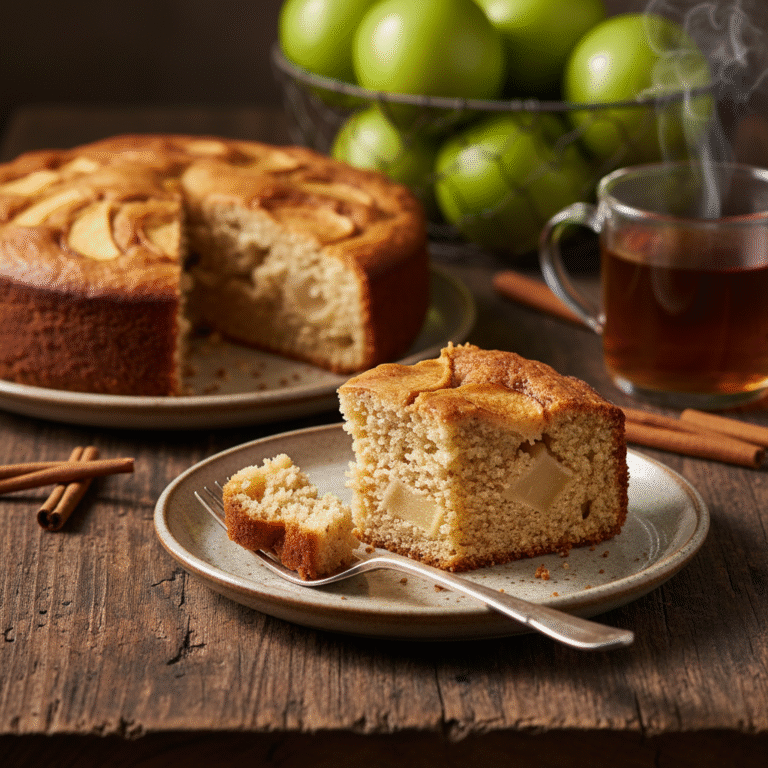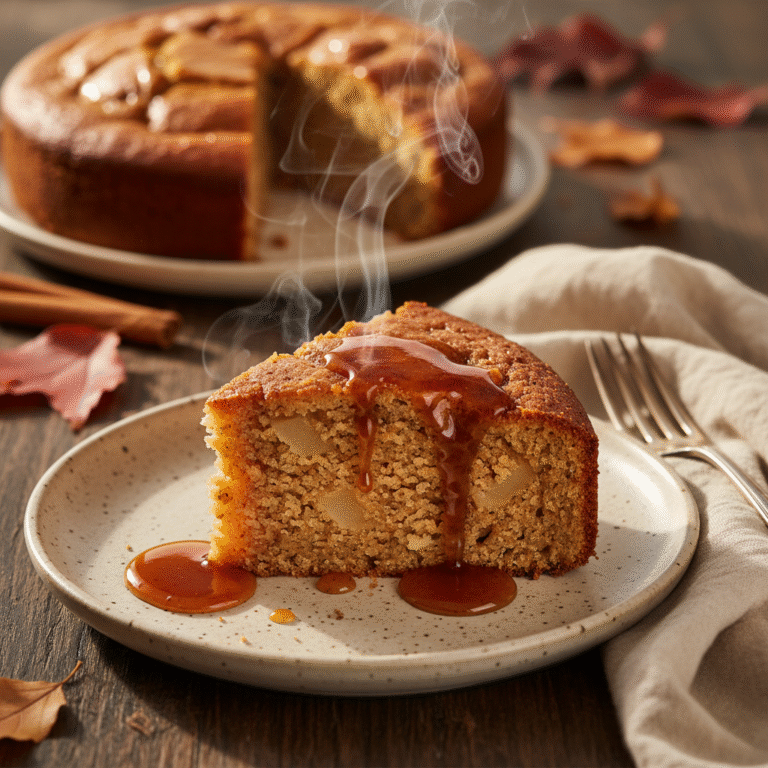
The Ultimate Low Sugar Carrot Cake with Maple Syrup Frosting
Low Sugar Low Sugar Carrot Cake With Maple Syrup Recipe
Indulge in this incredibly moist and flavorful Low Sugar Carrot Cake, naturally sweetened with pure maple syrup. It offers all the classic spiced warmth and creamy texture you love, without the refined sugar crash, making it the perfect guilt-free dessert for any occasion.
25 minutes
35 minutes
1 hour 15 minutes (includes cooling)
12 servings
Dessert
Baking
American
Vegetarian
There is something undeniably comforting about a slice of homemade carrot cake. It is a dessert that bridges the gap between savory and sweet, earthy and indulgent. However, traditional recipes are often laden with cups of refined white sugar, which can mask the delicate natural sweetness of the carrots and leave you feeling sluggish. This Low Sugar Carrot Cake with Maple Syrup is my answer to that dilemma. By swapping out processed sugars for high-quality, pure maple syrup, we not only reduce the glycemic load but also introduce a rich, complex flavor profile that white sugar simply cannot compete with. The maple syrup adds a caramel-like depth that pairs beautifully with the warm spices of cinnamon, nutmeg, and ginger.
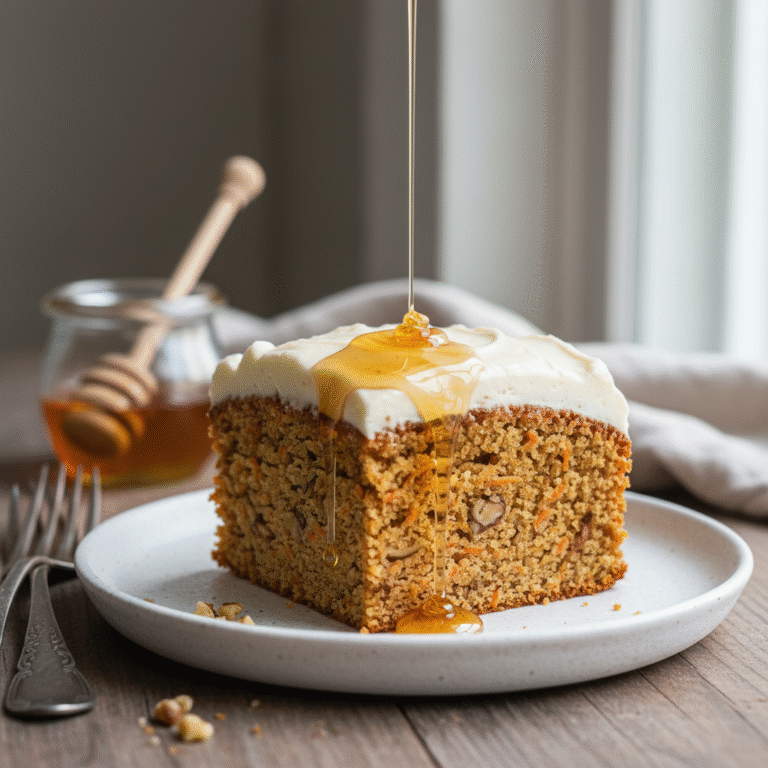
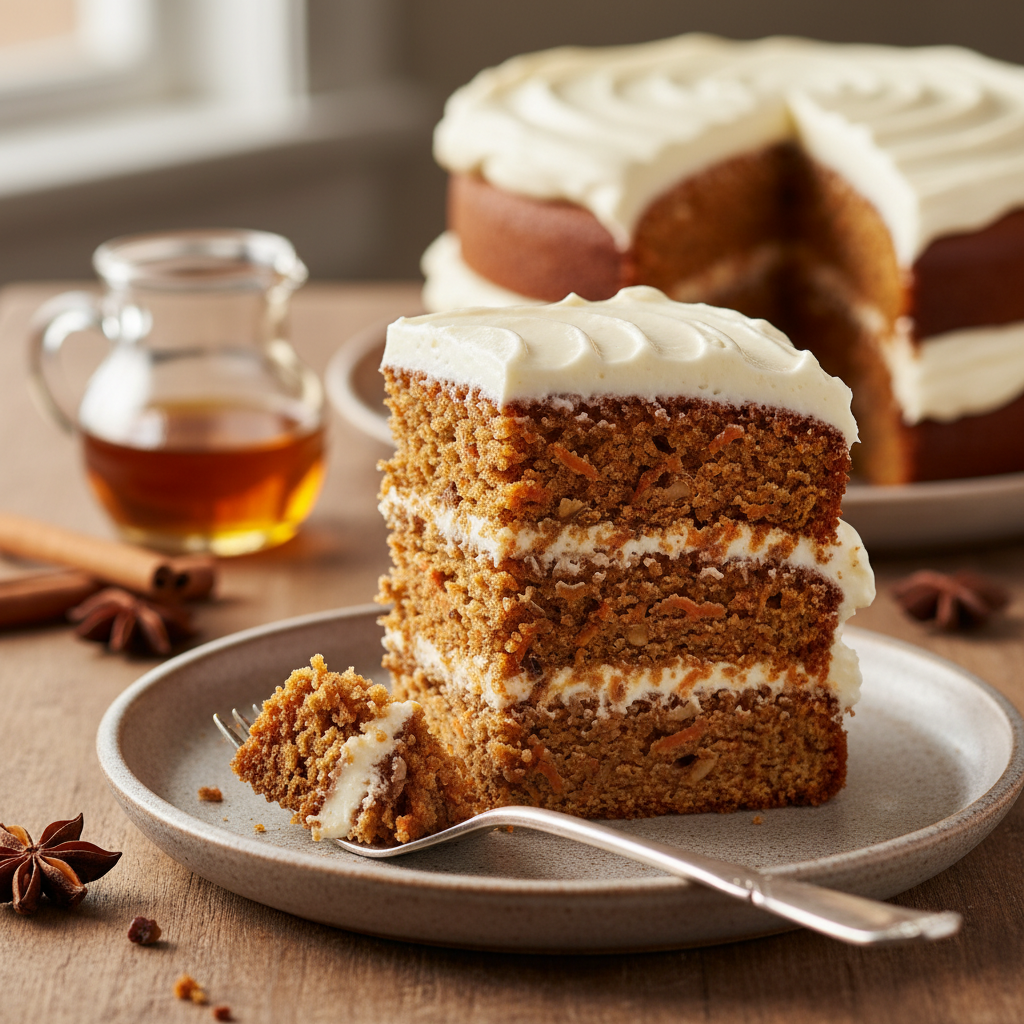
What makes this recipe truly special is that it doesn’t taste like a ‘diet’ cake. The texture is incredibly moist—often a challenge in low-sugar baking—thanks to the inclusion of unsweetened applesauce and a generous amount of freshly grated carrots. The crumb is tender and dense in the best possible way, holding up perfectly to the tangy, luscious cream cheese frosting which is also lightly sweetened with maple. As a food blogger who loves to host, I have served this to countless guests who had no idea they were eating a healthier version of the classic. It is a celebration of whole ingredients, proving that you don’t need excessive sugar to create a dessert that feels decadent, satisfying, and worthy of your holiday table or Sunday brunch.
History & Origins
The history of carrot cake is as rich and layered as the cake itself, with roots tracing back to medieval Europe. Before sugar became a widely available and affordable commodity, sweet vegetables like carrots were often used to sweeten puddings and desserts. Carrot pudding, the precursor to the modern cake, was a staple in European households, often steamed and served with a sauce. It was a practical solution to the scarcity of sweeteners, utilizing the natural sugars found in root vegetables.
Fast forward to the 20th century, carrot cake saw a significant resurgence during World War II. With strict rationing of sugar in the United Kingdom, housewives had to be inventive. The British government actually promoted recipes using carrots as a sweetener to keep morale high and nutrition stable during the difficult war years. This cemented the carrot’s status as a viable baking ingredient.
However, the carrot cake as we know it today—a moist, spiced layer cake slathered in cream cheese frosting—is largely an American innovation that exploded in popularity during the 1960s and 70s. It became a symbol of the health food craze of that era, perhaps erroneously perceived as a ‘health food’ simply because it contained a vegetable, despite often being loaded with oil and sugar. Today, we are taking a page from history by returning to the concept of natural sweetness. By using maple syrup and fruit purees, we are honoring the dish’s origins of resourcefulness while adapting it for a modern palate that seeks flavor without the heavy processing of industrial sugar.
Why This Recipe Works
Baking with liquid sweeteners like maple syrup instead of granulated sugar requires a delicate balance of chemistry, and this recipe has been rigorously tested to ensure perfection. First, maple syrup is hygroscopic, meaning it attracts and holds water. This property is a huge advantage in baking, as it ensures the cake stays moist for days, unlike cakes made with white sugar which can dry out quickly.
Secondly, the acidity of the maple syrup reacts beautifully with the baking soda. This reaction creates carbon dioxide bubbles, which act as a leavening agent, giving the cake a superior lift and a lighter crumb that prevents it from becoming heavy or gummy—a common pitfall in healthier baking. We also incorporate unsweetened applesauce, which serves a dual purpose: it adds natural sweetness without refined sugar and contributes pectin, which helps structure the cake while allowing us to reduce the amount of oil needed.
Finally, the spice blend is key. Without the overwhelming sweetness of refined sugar, the spices—cinnamon, ginger, nutmeg, and cloves—have room to shine. They don’t just flavor the cake; they enhance the perception of sweetness. Our palate associates these warm spices with sweet treats, tricking the brain into perceiving the dessert as sweeter than it actually is. This synergy of natural chemistry and flavor psychology is why this specific recipe yields the best results.
Why You’ll Love This Recipe
- ✓Naturally sweetened with 100% pure maple syrup
- ✓Incredibly moist texture from fresh carrots and applesauce
- ✓Lower glycemic index compared to traditional cakes
- ✓Rich in fiber and Vitamin A
- ✓Perfect balance of warm spices
- ✓Luscious, tangy maple cream cheese frosting
Equipment You’ll Need
- ✓Two 8-inch round cake pans
- ✓Large mixing bowl
- ✓Medium mixing bowl
- ✓Box grater or food processor
- ✓Electric hand mixer or stand mixer
- ✓Whisk
- ✓Rubber spatula
- ✓Wire cooling rack
- ✓Measuring cups and spoons
- ✓Parchment paper
Ingredients
- ✓2 1/2 cups all-purpose flour (or whole wheat pastry flour)
- ✓2 tsp baking soda
- ✓1 tsp baking powder
- ✓1/2 tsp salt
- ✓2 tsp ground cinnamon
- ✓1 tsp ground ginger
- ✓1/4 tsp ground nutmeg
- ✓1/4 tsp ground cloves
- ✓3 large eggs, room temperature
- ✓3/4 cup pure maple syrup (Grade A dark color preferred)
- ✓1/2 cup unsweetened applesauce
- ✓1/2 cup melted coconut oil or mild olive oil
- ✓1 tsp vanilla extract
- ✓3 cups freshly grated carrots (approx. 5-6 medium carrots)
- ✓1/2 cup chopped walnuts or pecans (optional)
- ✓FOR THE FROSTING:
- ✓16 oz cream cheese, softened
- ✓1/2 cup unsalted butter, softened
- ✓1/3 cup pure maple syrup
- ✓1 tsp vanilla extract
Instructions
- Preheat your oven to 350°F (175°C). Grease two 8-inch round cake pans with a little oil or butter and line the bottoms with parchment paper to ensure easy removal.
- In a medium mixing bowl, whisk together the flour, baking soda, baking powder, salt, cinnamon, ginger, nutmeg, and cloves until well combined and no lumps remain.
- In a large mixing bowl, beat the eggs, 3/4 cup maple syrup, applesauce, melted coconut oil, and 1 tsp vanilla extract until the mixture is smooth and emulsified.
- Gradually add the dry ingredients to the wet ingredients. Stir gently with a spatula or wooden spoon just until the flour disappears. Do not overmix.
- Fold in the grated carrots and chopped nuts (if using) until they are evenly distributed throughout the batter.
- Divide the batter evenly between the two prepared cake pans. Smooth the tops with a spatula.
- Bake for 30-35 minutes, or until a toothpick inserted into the center comes out clean or with just a few moist crumbs attached.
- Remove the cakes from the oven and let them cool in the pans for about 10 minutes. Then, carefully turn them out onto a wire rack to cool completely before frosting.
- While the cakes cool, prepare the frosting. In a large bowl using a handheld or stand mixer, beat the softened cream cheese and butter together on medium-high speed until smooth and creamy (about 2-3 minutes).
- Lower the mixer speed and slowly pour in the 1/3 cup maple syrup and 1 tsp vanilla extract. Increase speed back to high and whip for another 2 minutes until fluffy. If the frosting is too soft, refrigerate it for 15-20 minutes to firm up.
- Once the cakes are completely cool, place one layer on your serving plate. Spread a generous layer of frosting over the top. Place the second cake layer on top and frost the top and sides of the cake.
- Garnish with extra chopped walnuts or a sprinkle of cinnamon if desired. Slice and serve.
Expert Cooking Tips
- ✓Grate your own carrots. Pre-shredded carrots are often dry and hard; freshly grated carrots provide essential moisture.
- ✓Room temperature ingredients are crucial. Ensure your eggs, cream cheese, and butter are at room temperature to prevent lumpy batter and frosting.
- ✓Don’t overmix the batter. Once the flour is added, mix only until combined to keep the cake tender.
- ✓Use Grade A Dark maple syrup. It has a more robust flavor that stands up better to baking than the lighter varieties.
- ✓Cool completely. If you try to frost the cake while it’s even slightly warm, the cream cheese frosting will melt and slide off.
- ✓Toast the nuts. If adding walnuts or pecans, toast them in a dry pan for a few minutes first to enhance their flavor.
- ✓Weigh your flour. If possible, use a kitchen scale for the flour (approx 120g per cup) to avoid a dense cake.
Substitutions and Variations
This recipe is quite versatile and can accommodate several dietary needs. For the flour, you can substitute white whole wheat flour or whole wheat pastry flour for a nuttier, more fibrous cake. For a gluten-free version, use a high-quality 1:1 gluten-free baking flour blend that includes xanthan gum. If you are dairy-free, the cake batter itself is naturally dairy-free if you use coconut oil. For the frosting, you can use vegan cream cheese and vegan butter sticks, though the texture may be slightly softer. If you don’t have applesauce, mashed ripe banana or crushed pineapple (drained) work as excellent moisture retainers, though they will slightly alter the flavor profile. Honey or agave nectar can replace maple syrup, but maple offers the distinct flavor profile intended for this recipe. Lastly, if you have a nut allergy, simply omit the walnuts or replace them with raisins or golden sultanas for added texture.
Common Mistakes to Avoid
The most common mistake with carrot cake is using pre-bagged shredded carrots from the grocery store. These are often treated with preservatives and are too thick and dry, leading to a crunchy, dry cake. Always grate them fresh on the medium or small holes of a box grater. Another frequent error is over-baking. Because this cake relies on liquid sweeteners and fruit for moisture, over-baking can quickly turn it rubbery. Start checking the cake at the 30-minute mark. Regarding the frosting, a common pitfall is using cold cream cheese or butter, which results in a lumpy frosting that won’t whip up smoothly. Conversely, if your kitchen is very hot, the frosting might be too runny; simply chill it for a bit before spreading. Finally, do not skip the cooling step. Frosting a warm cake is a recipe for disaster as the fats in the frosting will separate and slide right off the layers.
Serving Suggestions
This Low Sugar Carrot Cake is elegant enough for a dinner party yet homely enough for a casual family gathering. Serve it chilled or at room temperature. It pairs exceptionally well with a hot cup of black coffee or an herbal tea like chamomile or rooibos, which complements the spices. For a brunch setting, serve thin slices alongside a fresh fruit salad to balance the richness. If you want to elevate the presentation for a holiday or birthday, garnish the top with candied pecans, edible flowers, or carrot curls made using a vegetable peeler. A light dusting of cinnamon or nutmeg over the final frosting adds a professional touch.
Storage and Reheating Tips
Because of the cream cheese frosting, this cake must be stored in the refrigerator. It will keep well in an airtight container or cake carrier for up to 5 days. In fact, the flavors often meld and improve on the second day. If you have cut the cake, press a piece of plastic wrap directly against the exposed crumb to prevent it from drying out. This cake also freezes beautifully. You can freeze individual slices wrapped tightly in plastic wrap and then foil for up to 3 months. Thaw overnight in the refrigerator before serving. If you are making the cake ahead of time for an event, you can bake the layers, wrap them in plastic, and freeze them unfrosted. Thaw and frost on the day of serving for the freshest taste.
Nutrition Facts (Estimated)
| Serving Size | 1 slice |
| Calories | 340 |
| Fat | 18g |
| Saturated Fat | 6g |
| Unsaturated Fat | 10g |
| Trans Fat | 0g |
| Cholesterol | 45mg |
| Sodium | 210mg |
| Carbohydrates | 38g |
| Fiber | 3g |
| Sugar | 18g |
| Protein | 6g |
Frequently Asked Questions
Can I use honey instead of maple syrup?
Yes, you can substitute honey in a 1:1 ratio. However, honey is slightly sweeter and has a more floral flavor, which will change the taste profile slightly compared to the earthy notes of maple syrup.
Why did my carrot cake sink in the middle?
Sinking usually happens if the oven door was opened too early, causing a sudden temperature drop, or if the cake was underbaked. It can also occur if there was too much leavening (baking soda/powder) relative to the flour.
Can I make this into cupcakes?
Absolutely! This batter works great for cupcakes. Line a muffin tin with papers and bake for 18-22 minutes at 350°F. This recipe should yield about 24 cupcakes.
Is this cake suitable for diabetics?
While this cake has significantly less sugar and a lower glycemic index than traditional cakes, it still contains carbohydrates from flour and natural sugars from maple syrup and carrots. It’s best to consult with a healthcare provider regarding portion sizes.
Do I have to peel the carrots before grating?
It is highly recommended to peel the carrots first. The skin can sometimes be bitter and tough, which can affect the delicate texture of the cake.
Can I reduce the oil further?
We have already reduced the oil by using applesauce. Reducing it further might result in a rubbery or dry texture. If you must, you can try swapping another 1/4 cup of oil for more applesauce, but the texture will change.
What kind of oil is best?
Melted coconut oil adds a subtle, pleasant flavor that pairs well with the spices. However, any neutral oil like avocado oil, grapeseed oil, or a light olive oil works perfectly fine.
Can I use a bundt pan instead of round pans?
Yes, but you will need to adjust the baking time. A bundt cake is thicker and will likely take 45-55 minutes to bake. Ensure the pan is very well greased to prevent sticking.
My frosting is too runny, what do I do?
Maple syrup adds liquid to the frosting, which can make it soft. If it’s too runny, refrigerate it for 20-30 minutes. You can also add a small amount of cornstarch or tapioca flour (1 tsp at a time) to help thicken it without adding sugar.
Conclusion
Creating a healthier version of a classic favorite doesn’t mean you have to compromise on taste or texture, and this Low Sugar Carrot Cake with Maple Syrup is the ultimate proof. It brings together the wholesome goodness of fresh carrots, the warmth of aromatic spices, and the rich, natural sweetness of maple syrup into one spectacular dessert. Whether you are looking to cut down on refined sugars or simply want to try a delicious new twist on an old classic, this recipe is sure to become a staple in your kitchen. I hope you enjoy baking it as much as I do. Don’t forget to share your creations on social media and tag me—I love seeing your beautiful bakes!