Moist & Healthy Low Sugar Carrot Cake Sweetened with Honey
Low Sugar Low Sugar Carrot Cake With Honey Recipe
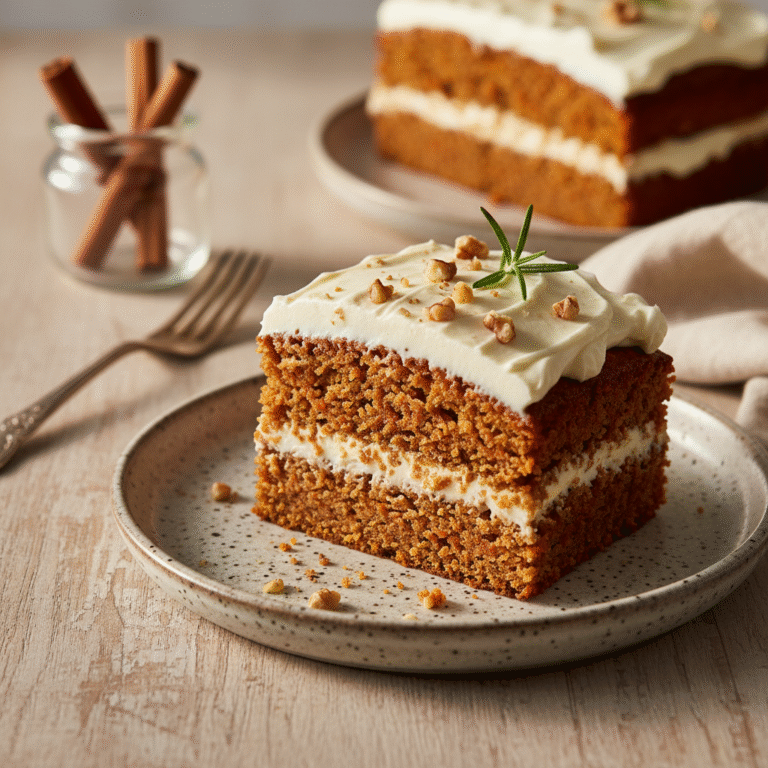
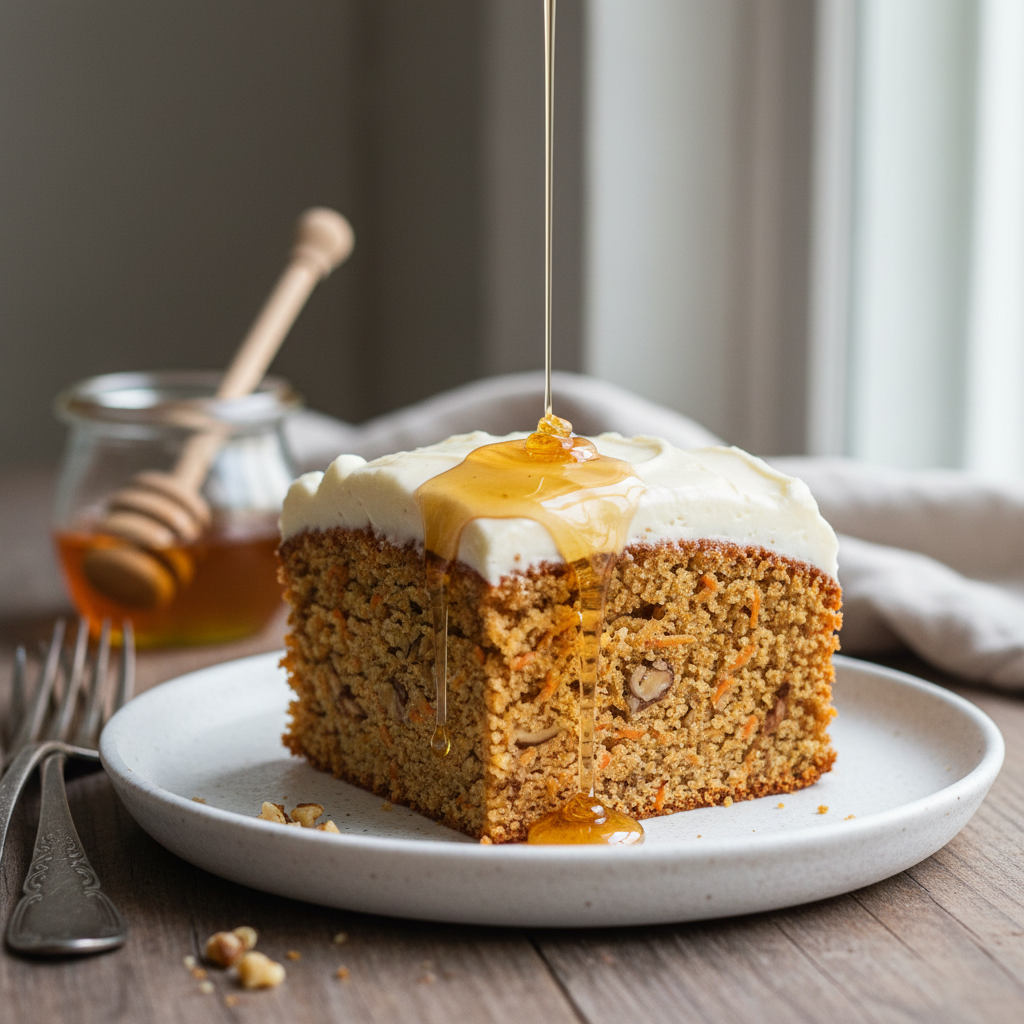
Discover the ultimate guilt-free indulgence with this incredibly moist Low Sugar Carrot Cake. Naturally sweetened with honey and applesauce, this recipe delivers all the classic spiced flavors you crave without the refined sugar crash, topped with a tangy, honey-sweetened cream cheese frosting.
20 minutes
35 minutes
55 minutes
12 servings
Dessert
Baking
American
Vegetarian
There is something undeniably comforting about a slice of carrot cake. It is one of those timeless desserts that manages to bridge the gap between a morning coffee companion and a decadent after-dinner treat. However, traditional recipes are often laden with cups of refined white sugar and brown sugar, masking the natural sweetness of the carrots and leaving you with a heavy, sluggish feeling afterward. This Low Sugar Carrot Cake with Honey is the answer to that dilemma, offering a wholesome alternative that refuses to compromise on texture or flavor. By swapping out refined sugars for raw honey and unsweetened applesauce, we achieve a depth of flavor that is floral, earthy, and perfectly spiced. The honey not only sweetens the batter but also contributes to a lush, tender crumb that stays moist for days. We have also dialed up the warm spices—cinnamon, nutmeg, and ginger—to complement the natural sugars in the carrots. This cake is robust enough to stand up to a thick layer of frosting yet light enough to enjoy as a mid-morning snack. Whether you are trying to reduce your refined sugar intake, cooking for family members with dietary restrictions, or simply looking for a more natural approach to baking, this recipe is a game-changer. It proves that you do not need a cup of white sugar to create a bakery-quality cake. The result is a dense, moist, and aromatic masterpiece that highlights the humble carrot in all its glory, finished with a frosting that provides just the right amount of tang to cut through the richness.
History & Origins
The history of carrot cake is a fascinating journey that dates back much further than the cream cheese-frosted squares we see in modern coffee shops. Historians believe the origins of using carrots in desserts can be traced back to the medieval period. During the Middle Ages, sugar was a rare and expensive luxury, often imported and reserved for the wealthy. Carrots, however, were abundant and contain more natural sugar than almost any other vegetable, second only to sugar beets. Because of this, medieval cooks utilized carrots to sweeten puddings and steamed cakes. These early iterations were more akin to a dense pudding than the fluffy cakes we know today. The concept traveled through Europe, appearing in various forms in recipe books from the 18th and 19th centuries. However, the modern resurgence of carrot cake is largely attributed to times of scarcity. During World War II, when sugar rationing was strictly enforced in the United Kingdom, the government promoted recipes using carrots as a sweetener to keep morale high and pantries stocked. This reintroduced the concept to a generation of home bakers. In the United States, carrot cake found its massive popularity in the 1960s and 1970s, riding the wave of the burgeoning health food movement. It was perceived as a ‘healthy’ cake due to the vegetable content, even though commercial versions quickly became saturated with oil and sugar. The addition of cream cheese frosting, now inseparable from the cake itself, is an American innovation that solidified its place in the dessert hall of fame. This specific recipe honors that long history by returning to the roots of using natural sweeteners, channeling the ingenuity of the past to create a healthier present-day treat.
Why This Recipe Works
This recipe succeeds where many ‘healthy’ cakes fail because it understands the chemistry of baking with liquid sweeteners. Honey is hygroscopic, meaning it attracts and retains water. In baking, this property is a superpower; it ensures that the cake remains incredibly moist and tender far longer than a cake made with granulated sugar, which can dry out. Furthermore, honey is acidic. When this acidity interacts with baking soda, it creates carbon dioxide bubbles, giving the cake a superior lift and a fluffy, rather than gummy, texture. We also utilize unsweetened applesauce as a partial fat substitute and a moisture agent. This allows us to reduce the amount of oil needed without sacrificing the richness of the mouthfeel. The combination of oil (which remains liquid at room temperature) and applesauce guarantees a soft crumb even straight out of the fridge. Another key factor is the spice blend. Without the overwhelming sweetness of refined sugar, the spices—cinnamon, nutmeg, and ginger—are allowed to shine, creating a complex flavor profile that enhances the earthiness of the carrots. Finally, using freshly grated carrots instead of pre-shredded ones is crucial. Fresh carrots release their own moisture during baking, steaming the cake from the inside out and ensuring the vegetable melts into the batter rather than remaining as crunchy bits.
Why You’ll Love This Recipe
- ✓Refined sugar-free and sweetened entirely with honey and fruit.
- ✓Incredibly moist texture thanks to the hygroscopic nature of honey.
- ✓Packed with fiber and nutrients from fresh carrots and whole wheat flour.
- ✓Includes a lush, tangy cream cheese frosting that is naturally sweetened.
- ✓Freezer-friendly, making it perfect for meal prep or make-ahead desserts.
- ✓One-bowl mixing method means less cleanup and faster prep time.
Equipment You’ll Need
- ✓Large mixing bowl
- ✓Medium mixing bowl
- ✓Box grater or food processor
- ✓9×9 inch square baking pan or 9-inch round pan
- ✓Whisk
- ✓Rubber spatula
- ✓Measuring cups and spoons
- ✓Wire cooling rack
- ✓Electric hand mixer (for frosting)
Ingredients
- ✓2 cups whole wheat pastry flour (or half all-purpose, half whole wheat)
- ✓1 1/2 teaspoons baking soda
- ✓1 teaspoon baking powder
- ✓1/2 teaspoon fine sea salt
- ✓2 teaspoons ground cinnamon
- ✓1/2 teaspoon ground nutmeg
- ✓1/2 teaspoon ground ginger
- ✓1/2 cup melted coconut oil or mild olive oil
- ✓1/2 cup raw honey
- ✓2 large eggs, room temperature
- ✓1/2 cup unsweetened applesauce
- ✓1 teaspoon pure vanilla extract
- ✓1/2 cup plain Greek yogurt (adds moisture and protein)
- ✓2 cups freshly grated carrots (approx. 3-4 medium carrots)
- ✓1/2 cup chopped walnuts or pecans (optional)
- ✓For the Frosting: 8 oz block cream cheese, softened
- ✓For the Frosting: 2 tablespoons raw honey or maple syrup
- ✓For the Frosting: 1 teaspoon vanilla extract
Instructions
- 1. Preheat your oven to 350°F (175°C). Grease a 9×9 inch square baking pan or a 9-inch round cake pan with coconut oil or line it with parchment paper for easy removal.
- 2. Peel and grate the carrots using the medium holes of a box grater. Do not use pre-shredded bagged carrots as they are too dry. Set the grated carrots aside.
- 3. In a medium bowl, whisk together the flour, baking soda, baking powder, salt, cinnamon, nutmeg, and ginger until well combined and no lumps remain.
- 4. In a large mixing bowl, whisk together the melted coconut oil and honey until smooth. Add the eggs one at a time, beating well after each addition. Whisk in the applesauce, Greek yogurt, and vanilla extract until the wet mixture is uniform.
- 5. Pour the dry ingredients into the wet ingredients. Switch to a rubber spatula and gently mix until just combined. Do not overmix, or the gluten will develop too much, making the cake dense.
- 6. Gently fold in the grated carrots and chopped nuts (if using) until they are evenly distributed throughout the batter.
- 7. Pour the batter into the prepared baking pan and smooth the top with the spatula.
- 8. Bake for 30 to 35 minutes, or until a toothpick inserted into the center comes out clean or with just a few moist crumbs attached. The top should be golden brown and spring back when lightly touched.
- 9. Remove the cake from the oven and place the pan on a wire rack. Let it cool completely in the pan. This is crucial as the cake sets as it cools; frosting a warm cake will cause the frosting to melt.
- 10. While the cake cools, prepare the frosting. In a medium bowl, use an electric mixer to beat the softened cream cheese until creamy and smooth. Add the honey and vanilla extract, whipping for another 1-2 minutes until light and fluffy.
- 11. Once the cake is completely cool, spread the frosting evenly over the top. Slice into squares and serve.
Expert Cooking Tips
- ✓Grate your own carrots: Pre-bagged shredded carrots are hard and dry. Freshly grated carrots provide the necessary moisture for the cake.
- ✓Room temperature ingredients: Ensure your eggs and yogurt are at room temperature. If they are cold, they can solidify the melted coconut oil, creating a clumpy batter.
- ✓Measuring honey: Before measuring the honey, lightly coat your measuring cup with a bit of oil. The honey will slide right out without sticking.
- ✓Don’t overmix: Once the flour hits the wet ingredients, mix only until the flour streaks disappear to keep the cake tender.
- ✓Toast the nuts: If you are adding walnuts or pecans, toast them in a dry pan for 2-3 minutes first to release their essential oils and enhance the flavor.
- ✓Cool completely: Honey-based cakes can be more delicate when warm. Letting it cool completely ensures it holds its structure when sliced.
- ✓Check your leavening: Since honey is heavy, fresh baking soda is essential for the rise. Ensure yours isn’t expired.
Substitutions and Variations
This recipe is quite versatile and can accommodate several dietary needs and pantry staples. Flour: If you do not have whole wheat pastry flour, you can use white whole wheat flour or a 50/50 blend of all-purpose flour and regular whole wheat flour. For a gluten-free version, use a high-quality 1:1 gluten-free baking flour blend that contains xanthan gum. Sweetener: While honey is the star here for flavor and moisture, pure maple syrup or agave nectar can be used in equal amounts. Note that maple syrup will give a slightly different, woodier flavor profile. Oil: Melted coconut oil provides a lovely subtle flavor, but you can easily substitute it with avocado oil, light olive oil, or melted butter if you prefer. Dairy-Free: To make the cake dairy-free, swap the Greek yogurt for a dairy-free yogurt (like coconut or almond based) or simply use an extra 1/4 cup of applesauce. For the frosting, use a vegan cream cheese alternative or a whipped coconut cream topping. Nut-Free: Simply omit the walnuts or pecans. You can replace them with raisins, dried cranberries, or toasted pumpkin seeds for crunch without the allergens.
Common Mistakes to Avoid
The most common mistake with carrot cake is using the wrong type of carrots. Bagged, matchstick carrots found in the salad aisle are too thick and dry; they will not soften properly during baking and won’t release moisture into the cake. Always grate them fresh. Another error is aggressive mixing. Because this recipe uses whole wheat flour, overmixing activates the gluten quickly, leading to a rubbery, tough texture rather than a soft crumb. Be gentle and stop mixing as soon as the flour is incorporated. Additionally, baking with honey requires vigilance regarding oven temperature. Honey burns faster than sugar, so ensure your oven is accurately calibrated to 350°F. If the top is browning too quickly before the center is done, tent it loosely with aluminum foil. Finally, do not skip the cooling step. The structure of a honey cake is delicate while hot; trying to remove it from the pan or frost it too early will result in a messy, crumbled disaster.
Serving Suggestions
This Low Sugar Carrot Cake is versatile enough to be served at various occasions. For a delightful brunch spread, serve squares of this cake alongside a fresh fruit salad and a hot cup of herbal tea or coffee. The spices in the cake pair beautifully with a chai latte. If you are serving this as a dessert for a dinner party, consider garnishing each slice with a light dusting of cinnamon, a few chopped toasted walnuts, or even a tiny edible flower for an elegant touch. For a summer treat, serve the cake slightly chilled from the fridge; the cold cream cheese frosting offers a refreshing contrast to the spiced crumb. It also works wonderfully as a snack cake; simply omit the frosting for a travel-friendly muffin-style treat that you can pack in lunchboxes.
Storage and Reheating Tips
Because this cake contains fresh carrots and a cream cheese frosting, it must be stored in the refrigerator. It will keep well in an airtight container in the fridge for up to 5 days. In fact, many find that the flavor improves on the second day as the spices have time to meld and the moisture redistributes. If you want to store it for longer, this cake freezes exceptionally well. You can freeze the unfrosted cake whole or in slices. Wrap the cake tightly in plastic wrap and then in aluminum foil to prevent freezer burn. It will last in the freezer for up to 3 months. Thaw it in the refrigerator overnight before serving. If the cake is already frosted, place the slices on a baking sheet in the freezer for an hour until the frosting is solid, then wrap them individually. This prevents the frosting from sticking to the wrapper.
Nutrition Facts (Estimated)
| Serving Size | 1 slice |
| Calories | 290 |
| Fat | 16g |
| Saturated Fat | 6g |
| Unsaturated Fat | 9g |
| Trans Fat | 0g |
| Cholesterol | 45mg |
| Sodium | 210mg |
| Carbohydrates | 32g |
| Fiber | 3g |
| Sugar | 18g |
| Protein | 5g |
Frequently Asked Questions
Can I use almond flour instead of wheat flour?
Yes, but with adjustments. Almond flour has no gluten and higher fat content. You cannot swap it 1:1 with wheat flour without changing the texture significantly. It is better to look for a specific paleo carrot cake recipe, or use a 1:1 Gluten-Free flour blend for the most reliable results in this specific recipe.
Is this cake safe for diabetics?
While this cake is ‘low sugar’ compared to traditional recipes and uses natural sweeteners which have a slightly lower glycemic index than white sugar, it still contains carbohydrates and natural sugars. It is best to consult with a doctor or nutritionist regarding your specific dietary needs.
Why did my carrot cake sink in the middle?
Sinking usually happens for two reasons: underbaking or opening the oven door too early. The center needs to set completely. If you open the door too soon, the rush of cold air can cause the rising structure to collapse. Ensure the toothpick comes out clean before removing it.
Can I bake this in a bundt pan?
This recipe yields enough for a single layer 9×9 or 9-inch round cake. A standard bundt pan is much larger (usually 10-12 cups). You would need to double the recipe to fill a bundt pan adequately, and you would need to increase the baking time to 50-60 minutes.
Can I make this into cupcakes?
Absolutely! This batter works great for cupcakes. Line a muffin tin with liners and fill them about 3/4 full. Bake at 350°F for 18-22 minutes. This recipe should yield about 12 standard cupcakes.
Does the honey make the cake taste like honey?
There is a subtle floral note from the honey, but it is not overpowering. The strong spices (cinnamon, nutmeg, ginger) and the flavor of the carrots and walnuts are the dominant flavors. The honey mostly contributes to the sweetness and moisture.
Can I reduce the oil further?
We have already replaced half the fat with applesauce. Reducing the oil further might result in a rubbery or dry texture. If you must reduce it, you can try adding more applesauce, but the cake will become denser and more bread-like.
My frosting is too runny, what can I do?
Cream cheese frosting can become runny if the cream cheese was melted rather than softened, or if the kitchen is too hot. Try refrigerating the frosting for 20 minutes to firm it up. If it’s still too loose, you can add a tablespoon of coconut flour or more cream cheese to thicken it without adding powdered sugar.
Conclusion
Baking a healthier version of a classic favorite doesn’t mean you have to settle for a dry, flavorless substitute. This Low Sugar Carrot Cake with Honey proves that nature provides the best ingredients for a truly decadent dessert. The combination of wholesome whole wheat, heart-healthy fats, and the natural sweetness of honey and carrots creates a treat that feels indulgent yet nourishes the body. Whether you are an experienced baker or just starting your journey toward reduced-sugar cooking, this recipe is forgiving, reliable, and utterly delicious. We hope this cake becomes a staple in your kitchen, bringing warmth and joy to your table without the sugar crash. Happy baking!