The Ultimate Low Sugar Carrot Cake with Erythritol: Moist, Spiced, and Guilt-Free
Low Sugar Low Sugar Carrot Cake With Erythritol Recipe
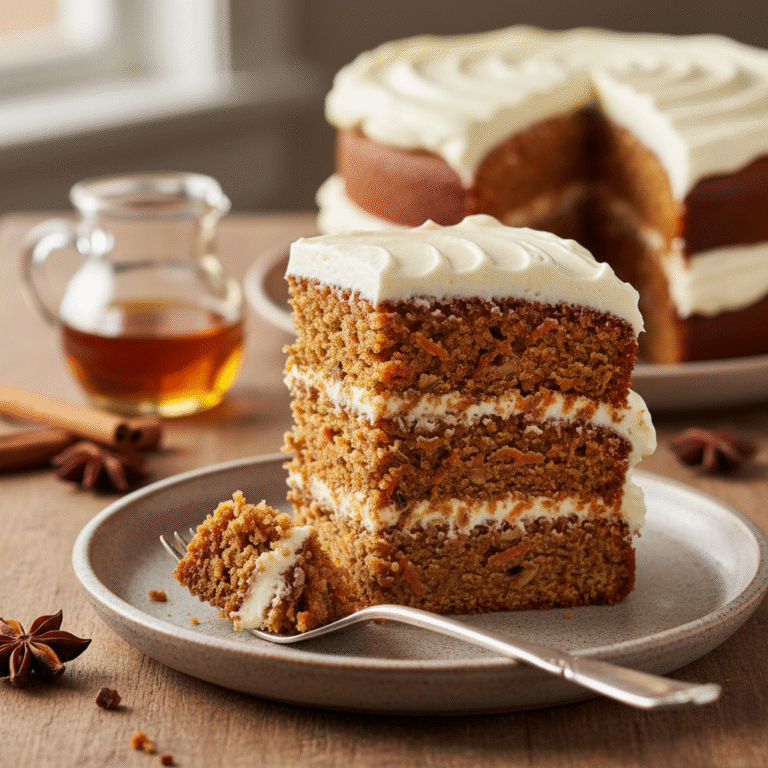
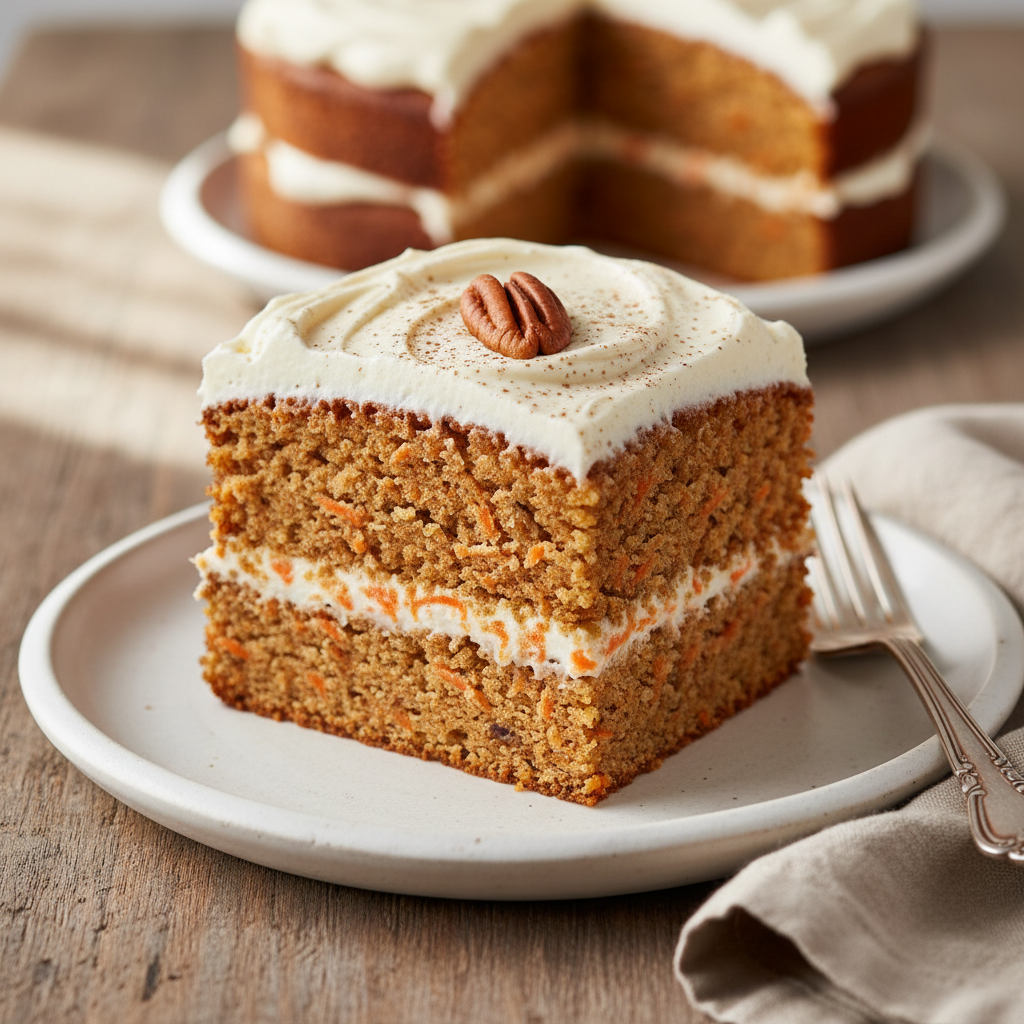
Indulge in the classic comfort of carrot cake without the sugar crash. This low sugar carrot cake with erythritol is incredibly moist, perfectly spiced, and topped with a luscious sugar-free cream cheese frosting, making it the ultimate keto-friendly dessert.
20 minutes
35 minutes
1 hour 15 minutes
12 servings
Dessert
Baking
American
Gluten-Free
Carrot cake holds a special place in the pantheon of classic American desserts. There is something undeniably comforting about the blend of warm spices—cinnamon, nutmeg, and ginger—mingling with the earthy sweetness of carrots and the crunch of toasted nuts. However, traditional recipes are often laden with refined sugars and white flour, turning a vegetable-based cake into a high-carbohydrate indulgence that can spike blood sugar levels. Enter this meticulously tested Low Sugar Carrot Cake with Erythritol. This recipe was born out of a desire to recreate that nostalgic, dense, and moist texture we all love, but without the heavy sugar load. By utilizing erythritol, a natural sugar alcohol that doesn’t impact blood glucose, we can achieve the perfect level of sweetness without the guilt.
Many low-carb or sugar-free baking experiments result in dry, crumbly, or oddly textured goods. This recipe, however, defies those stereotypes. We utilize a blend of almond flour and coconut flour to mimic the tender crumb of wheat flour, while the moisture from the freshly grated carrots and healthy fats ensures every bite is melt-in-your-mouth delicious. The pièce de résistance is, of course, the frosting. A carrot cake is simply naked without a thick layer of tangy cream cheese frosting. Our version uses powdered erythritol to create a smooth, velvety topping that perfectly complements the spiced cake. Whether you are following a ketogenic diet, managing diabetes, or simply looking to reduce your sugar intake, this cake delivers all the flavor and satisfaction of the original, proving that healthy swaps doesn’t mean compromising on taste.
History & Origins
The origins of carrot cake are somewhat debated, but food historians generally agree that it likely evolved from medieval carrot puddings. In the Middle Ages, sugar was a rare and expensive luxury, so cooks looked to vegetables with high natural sugar content to sweeten their desserts. Carrots, being one of the sweetest vegetables available, were a logical choice. These early iterations were more like steamed puddings than the fluffy cakes we know today, often enriched with spices and dried fruits to preserve them.
The transformation from pudding to cake likely occurred slowly over centuries, but the modern carrot cake began to take shape in the 20th century. During World War II, rationing of sugar in the United Kingdom led the government to promote carrots as a sweetener once again, reviving interest in carrot-based confections. However, it wasn’t until the 1960s and 1970s in the United States that carrot cake exploded in popularity. It became a staple of the ‘health food’ craze, perhaps ironically, as it was often perceived as a healthier option due to the presence of a vegetable, despite being covered in sugary cream cheese frosting.
Today, we are witnessing the next evolution of this historic dish: the low-carb and sugar-free revolution. As our understanding of nutrition evolves, so do our recipes. This low sugar carrot cake represents the modern intersection of culinary history and nutritional science, adapting a centuries-old concept for a generation focused on metabolic health and reduced sugar consumption. It honors the tradition of using carrots for sweetness while utilizing modern ingredients like erythritol to fit contemporary dietary needs.
Why This Recipe Works
This recipe succeeds where many other low-sugar baked goods fail because of the careful balance of moisture and structure. Erythritol is a fantastic sweetener because it has zero calories and zero glycemic impact, but it can sometimes have a ‘cooling’ effect or re-crystallize after baking. To counteract this, we use a specific ratio of almond flour to coconut flour. Almond flour provides healthy fats and a dense, moist crumb that mimics traditional cake, while a small amount of coconut flour absorbs excess moisture, providing structure so the cake doesn’t fall apart—a common issue in gluten-free baking.
Furthermore, the heavy reliance on spices like cinnamon, ginger, and nutmeg does more than just flavor the cake; these spices mask any potential aftertaste from the sweetener, creating a robust flavor profile that hits the palate before the sweetness does. The inclusion of freshly grated carrots (not pre-shredded) is non-negotiable; they release water during baking, steaming the cake from the inside out to keep it tender. Finally, the fat content from the eggs and oil (or melted butter) ensures that the erythritol dissolves properly during the mixing process, reducing the gritty texture sometimes associated with sugar-free baking. The result is a cake that is indistinguishable from its high-sugar counterpart in terms of texture and satisfaction.
Why You’ll Love This Recipe
- ✓Zero added sugar and keto-friendly
- ✓Incredibly moist texture thanks to almond flour
- ✓Rich, authentic cream cheese frosting
- ✓High in fiber and healthy fats
- ✓Diabetic-friendly with low glycemic impact
- ✓Free from gluten and grains
Equipment You’ll Need
- ✓Two 8-inch round cake pans
- ✓Large mixing bowl
- ✓Medium mixing bowl
- ✓Electric hand mixer or stand mixer
- ✓Box grater
- ✓Silicone spatula
- ✓Wire cooling rack
- ✓Parchment paper
Ingredients
- ✓2 1/2 cups Almond Flour (super fine)
- ✓1/4 cup Coconut Flour
- ✓1 cup Granulated Erythritol
- ✓2 tsp Baking Powder
- ✓1 tbsp Ground Cinnamon
- ✓1/2 tsp Ground Nutmeg
- ✓1/2 tsp Ground Ginger
- ✓1/4 tsp Salt
- ✓4 large Eggs (room temperature)
- ✓1/2 cup Unsalted Butter (melted) or Coconut Oil
- ✓1/3 cup Unsweetened Almond Milk
- ✓1 tsp Vanilla Extract
- ✓2 cups Grated Carrots (freshly grated, loosely packed)
- ✓1/2 cup Chopped Pecans or Walnuts (optional)
- ✓8 oz Cream Cheese (softened, for frosting)
- ✓4 tbsp Unsalted Butter (softened, for frosting)
- ✓3/4 cup Powdered Erythritol (for frosting)
- ✓1 tsp Vanilla Extract (for frosting)
- ✓1 tbsp Heavy Cream (optional, for frosting consistency)
Instructions
- Preheat your oven to 350°F (175°C). Grease two 8-inch round cake pans and line the bottoms with parchment paper to ensure easy removal.
- In a medium mixing bowl, whisk together the almond flour, coconut flour, granulated erythritol, baking powder, cinnamon, nutmeg, ginger, and salt. Ensure there are no lumps, especially in the almond flour.
- In a large mixing bowl, beat the eggs, melted butter (or coconut oil), almond milk, and vanilla extract until well combined and slightly frothy.
- Gradually add the dry ingredients into the wet ingredients. Mix with a spatula or on low speed until a thick batter forms. Do not overmix, but ensure all flour is hydrated.
- Fold in the freshly grated carrots and chopped pecans (if using) until they are evenly distributed throughout the batter.
- Divide the batter evenly between the two prepared cake pans. Smooth the tops with a spatula.
- Bake for 30-35 minutes, or until the tops are golden brown and a toothpick inserted into the center comes out clean or with just a few moist crumbs. If the tops are browning too quickly, tent loosely with foil halfway through.
- Remove the cakes from the oven and let them cool in the pans for at least 20 minutes. This step is crucial as gluten-free cakes are fragile when hot.
- Carefully transfer the cakes to a wire cooling rack to cool completely before frosting.
- While the cakes cool, prepare the frosting. In a large bowl, beat the softened cream cheese and softened butter together until smooth and creamy.
- Add the powdered erythritol and vanilla extract. Beat on low speed initially to incorporate, then increase to high speed and whip for 2-3 minutes until fluffy. Add heavy cream one teaspoon at a time if the frosting is too stiff.
- Once the cakes are completely cool, frost the top of one layer, place the second layer on top, and frost the top and sides of the entire cake. Garnish with extra chopped nuts or a sprinkle of cinnamon.
Expert Cooking Tips
- ✓Always grate your own carrots. Store-bought pre-shredded carrots are too dry and thick, which will result in a crunchy, dry cake.
- ✓Ensure all refrigerated ingredients (eggs, cream cheese, butter) are at room temperature before starting. This prevents the batter from separating and ensures a smooth frosting.
- ✓If you don’t have powdered erythritol for the frosting, you can blend granulated erythritol in a high-speed blender for 30 seconds until it becomes a fine powder.
- ✓Let the cake cool completely. Almond flour cakes are very tender when warm and may crumble if you try to frost them too soon.
- ✓Toast your pecans or walnuts in a dry pan for a few minutes before adding them to the batter for enhanced flavor and crunch.
- ✓Weigh your almond flour if possible. Packing it into a measuring cup can lead to a dry cake; it should be spooned and leveled.
Substitutions and Variations
This recipe is quite versatile, but low-carb baking requires precision. If you do not have almond flour, sunflower seed flour is a 1:1 substitute that keeps the recipe nut-free (though it may turn green due to a reaction with baking powder—add a splash of lemon juice to prevent this). You cannot substitute coconut flour with almond flour directly as they have vastly different absorption rates. For the sweetener, a monk fruit/erythritol blend works perfectly and often has less of a cooling effect. If you are not strictly keto, you can use coconut sugar, though it will change the carb count and color. For a dairy-free version, use coconut oil instead of butter in the cake, and a dairy-free cream cheese alternative and palm shortening for the frosting.
Common Mistakes to Avoid
The most common mistake is using pre-shredded carrots from a bag. These are often treated with preservatives and are very dry, leading to a cake that lacks moisture. Another error is over-measuring the flour; always spoon and level or use a scale. In terms of the sweetener, using granulated erythritol in the frosting will result in a gritty, crunchy texture; you must use the powdered version. Finally, impatience is the enemy of keto baking. Cutting into the cake while it is still warm will likely cause it to crumble apart. It needs time to set as it cools.
Serving Suggestions
This cake is rich and satisfying, so a small slice goes a long way. It pairs beautifully with a hot cup of black coffee or an unsweetened herbal tea, which cuts through the richness of the cream cheese frosting. For a summer twist, serve it chilled from the fridge. If you want to elevate the presentation for a dinner party, garnish the top with whole pecan halves arranged in a circle, or even edible flowers for a pop of color. A side of unsweetened whipped cream or a few fresh raspberries can also add a nice contrast to the spices.
Storage and Reheating Tips
Because of the cream cheese frosting, this cake must be stored in the refrigerator. It will keep well in an airtight container for up to 5-7 days. In fact, many find that the flavor improves after the first day as the spices meld. If you wish to freeze it, you can freeze individual slices wrapped tightly in plastic wrap and then placed in a freezer bag for up to 3 months. Thaw in the refrigerator overnight before eating. Unfrosted cake layers can be wrapped and frozen separately if you want to prep ahead.
Nutrition Facts (Estimated)
| Serving Size | 1 slice |
| Calories | 280 |
| Fat | 24g |
| Saturated Fat | 8g |
| Unsaturated Fat | 14g |
| Trans Fat | 0g |
| Cholesterol | 65mg |
| Sodium | 180mg |
| Carbohydrates | 8g |
| Fiber | 3g |
| Sugar | 2g |
| Protein | 7g |
Frequently Asked Questions
Does this cake taste like ‘diet’ food?
Not at all. The combination of almond flour, butter, and plenty of spices masks the cooling effect of erythritol. Most people can’t tell it’s sugar-free.
Can I bake this in a 9×13 pan instead?
Yes, you can bake this in a rectangular 9×13 inch pan. The baking time may need to be adjusted slightly, likely adding 5-10 minutes. Check with a toothpick starting at 30 minutes.
Why is my frosting runny?
Runny frosting usually happens if the cream cheese or butter was melted rather than just softened, or if the cake was still warm when you frosted it. Refrigerating the frosting for 30 minutes can help firm it up.
Is erythritol safe for pets?
Erythritol is generally considered safe for dogs, unlike Xylitol which is toxic. However, it’s best to keep sweets away from pets, especially since this recipe contains nutmeg and possibly macadamia nuts or walnuts which can be harmful.
Can I use liquid sweetener like Stevia?
It is not recommended to swap the granulated erythritol for liquid stevia entirely, as the granules provide bulk and structure to the cake. You could use a baking blend, but pure liquid sweetener will change the texture significantly.
How do I grate carrots efficiently?
A food processor with a grating attachment is the fastest way. If doing it by hand, use the medium holes of a box grater. Avoid the finest holes as they can make the batter too wet.
Can I make this nut-free?
Yes, you can substitute the almond flour with sunflower seed flour and omit the pecans. Just be aware of the potential color change with sunflower seeds and baking powder.
What is the net carb count?
Depending on the exact brands used, each slice typically contains about 4-5g of net carbs, making it suitable for most keto diets.
Conclusion
There is no reason to deprive yourself of your favorite desserts just because you are watching your sugar intake. This Low Sugar Carrot Cake with Erythritol proves that you can have your cake and eat it too—literally. With its tender crumb, aromatic spices, and decadent creamy topping, it is a recipe that will likely become a staple in your kitchen, whether you are low-carb or not. Gather your ingredients, grate those fresh carrots, and fill your home with the scent of warm cinnamon and nutmeg. It’s time to enjoy a slice of happiness, guilt-free!