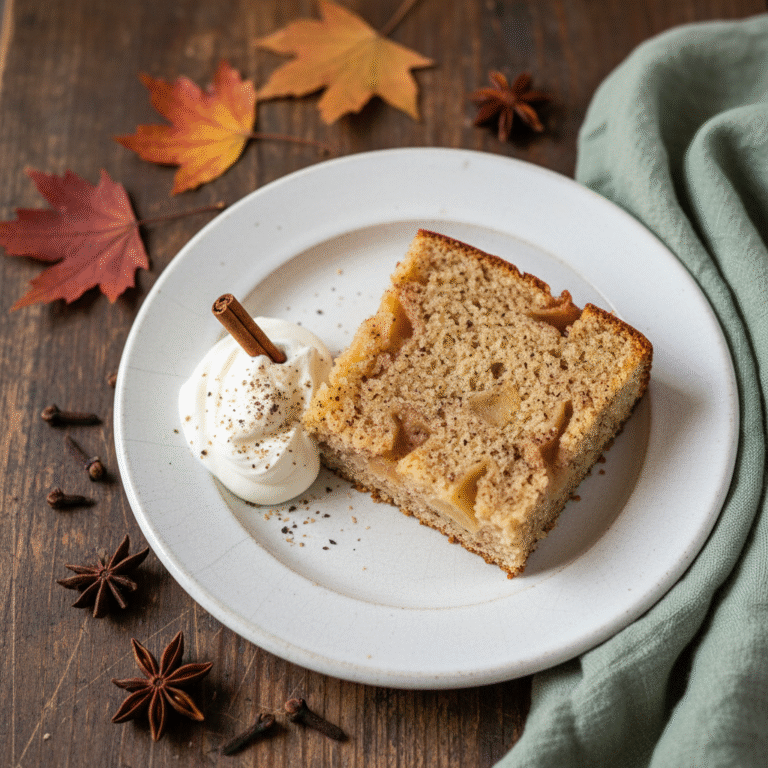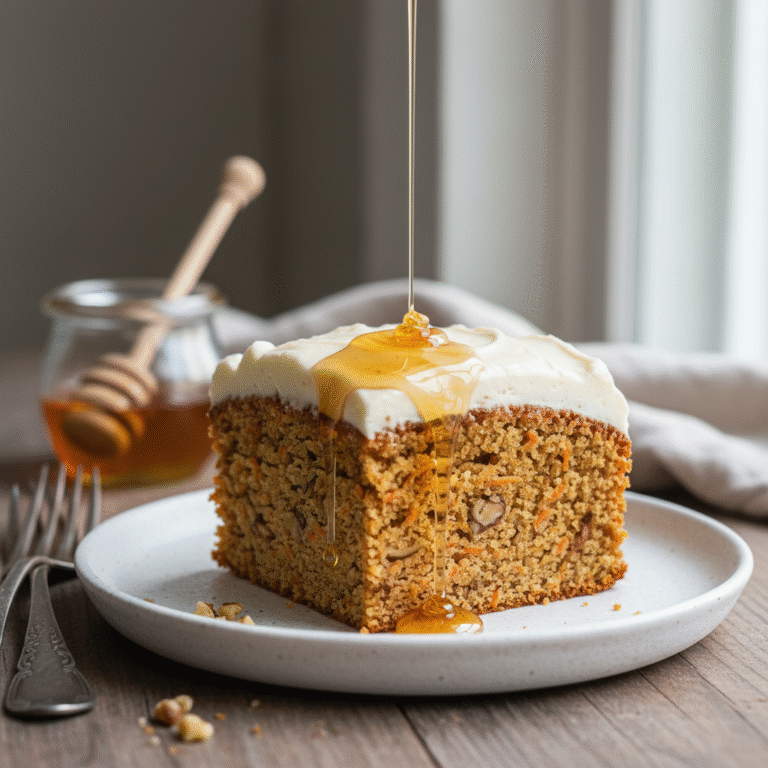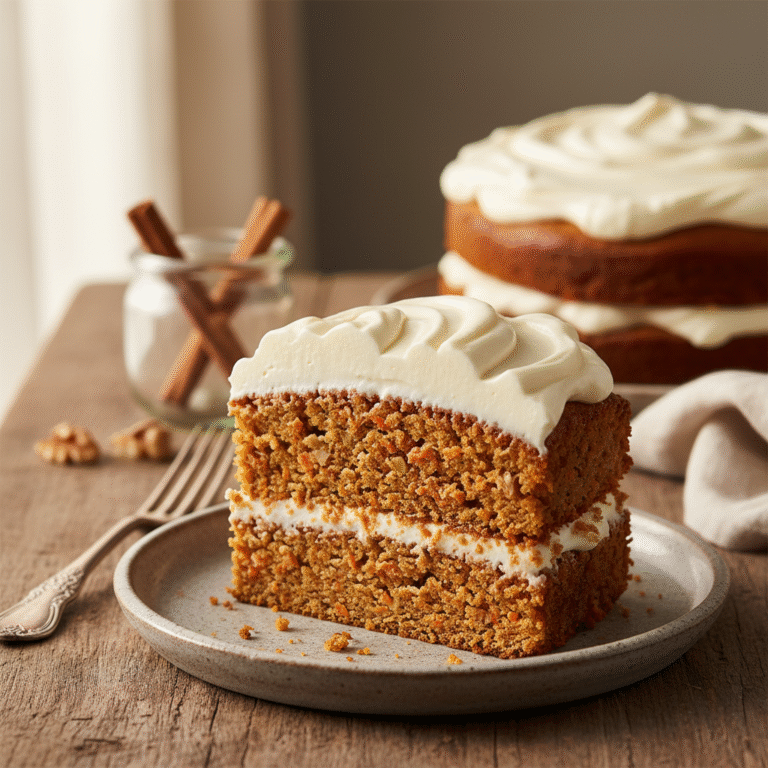
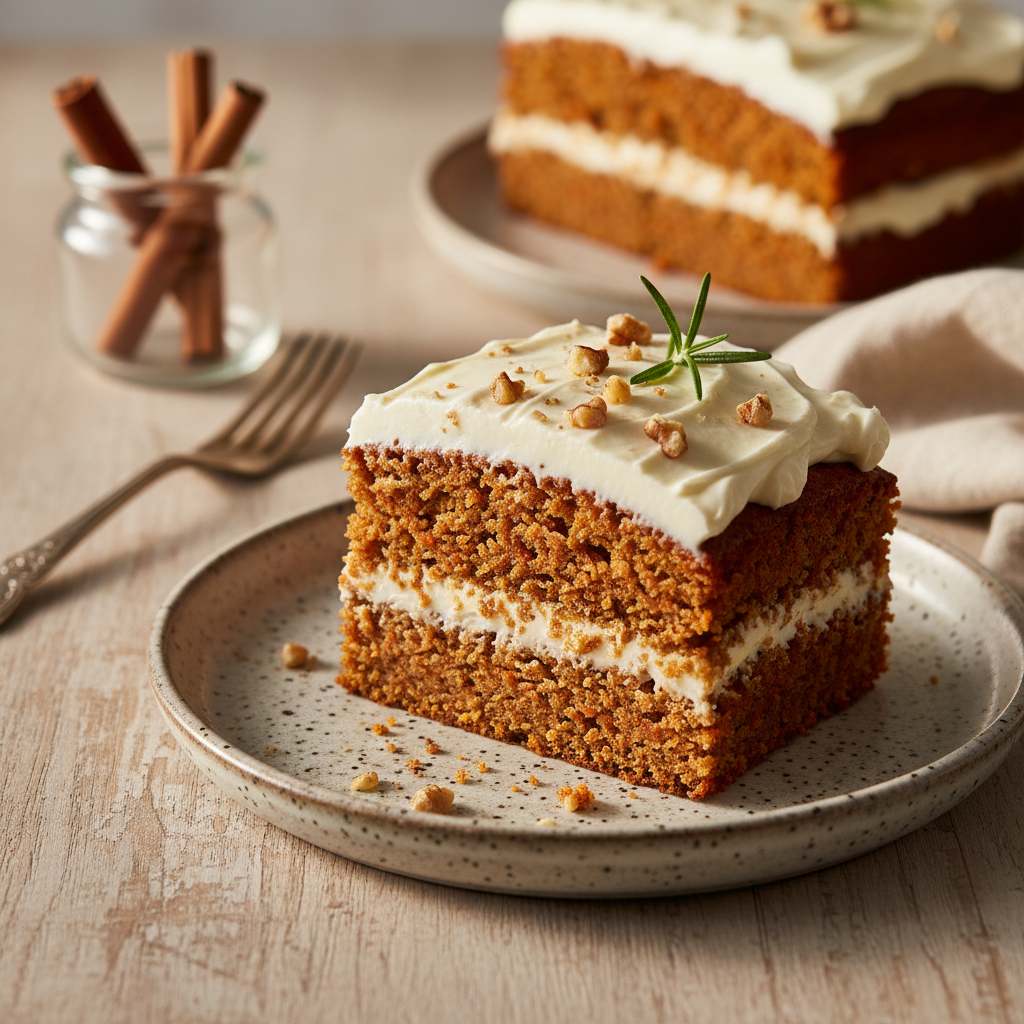
The Ultimate Moist & Fluffy Low Sugar Carrot Cake with Cream Cheese Frosting
Low Sugar Low Sugar Carrot Cake Recipe
Indulge in the classic, spiced warmth of carrot cake without the sugar crash. This moist, tender cake uses smart substitutions to keep the flavor high and the sugar low, topped with a dreamy, guilt-free cream cheese frosting.
25 minutes
35 minutes
1 hour
12 servings
Dessert
Baking
American
Low Sugar
There is something undeniably comforting about a slice of carrot cake. It is a dessert that bridges the gap between savory earthiness and sweet indulgence, a culinary hug that brings back memories of family gatherings, holiday tables, and cozy afternoons with a cup of tea. However, traditional carrot cake recipes are often laden with refined sugars—sometimes boasting more sugar than flour—which can turn a wholesome-sounding treat into a dietary setback. That is exactly why I developed this Low Sugar Carrot Cake recipe. I wanted to capture the essence of the classic: the dense yet fluffy crumb, the aromatic symphony of cinnamon, nutmeg, and ginger, and the tangy richness of cream cheese frosting, but without the overwhelming sweetness that masks the natural flavors.
In this recipe, we are not just cutting calories; we are elevating the ingredients. By relying on the natural sweetness of fresh carrots and perhaps a touch of unsweetened applesauce or crushed pineapple, we reduce the need for added granulated sugar. We swap traditional cane sugar for high-quality, bake-stable sweeteners like erythritol or monk fruit blends that behave just like sugar in the oven but won’t spike your blood glucose. The result is a cake that feels decadent and rich, yet leaves you feeling light and energized. Whether you are managing diabetes, following a keto-friendly lifestyle, or simply trying to reduce your sugar intake for better health, this cake proves you do not have to sacrifice texture or taste. It is moist, perfectly spiced, and topped with a luscious frosting that melts in your mouth. Get ready to redefine what healthy baking tastes like.
History & Origins
The history of carrot cake is as rich and layered as the dessert itself, tracing its roots back to medieval Europe. Long before refined sugar became a household staple, sweeteners were expensive and rare. Medieval cooks, known for their resourcefulness, discovered that carrots contain more natural sugar than almost any other vegetable, second only to sugar beets. Consequently, carrots were used to sweeten puddings and desserts. These early iterations were more akin to a ‘carrot pudding,’ often steamed and served with a sauce, rather than the baked cake we recognize today.
As baking technology advanced and leavening agents like baking powder became available in the 19th century, the pudding evolved into a lighter, baked cake. However, it wasn’t until the mid-20th century that carrot cake truly exploded in popularity in the United States. During World War II, when sugar rationing was in full effect, the British government promoted carrot recipes as a way to create sweet treats without using up precious sugar rations. This revival crossed the Atlantic, and by the 1960s and 70s, carrot cake became a health food craze in America, often marketed as a ‘wholesome’ alternative to chocolate cake because of its vegetable content.
Today, carrot cake is a staple of American baking, beloved for its rustic texture and complex spice profile. While the ‘health food’ halo of the 70s was somewhat diminished by the heavy application of sugary frostings, modern adaptations like this low-sugar version are bringing the dessert full circle. We are returning to the roots of the dish—relying on the vegetable itself for moisture and sweetness—while utilizing modern ingredients to fit contemporary dietary needs.
Why This Recipe Works
Baking without sugar is often viewed as a chemistry experiment gone wrong, resulting in dry, dense, or rubbery cakes. Sugar does more than sweeten; it provides structure, tenderness, and moisture retention. This recipe works because it addresses each of those chemical functions with specific, deliberate substitutions. First, to tackle the moisture issue usually solved by hygroscopic sugar, we utilize a higher ratio of freshly grated carrots and a touch of unsweetened applesauce. These ingredients release water slowly during baking, steaming the crumb from the inside out to ensure a moist texture that lasts for days.
Secondly, for structure and bulk, we use a blend of almond flour and all-purpose flour (or a gluten-free blend). Almond flour adds natural fats that mimic the tenderizing effect of sugar, preventing the gluten in the wheat flour from becoming too tough. The use of a granulated sweetener based on erythritol or monk fruit is crucial here because these sweeteners are designed to measure 1:1 with sugar, providing the necessary volume for creaming with the butter or oil, which creates the tiny air pockets needed for a fluffy rise. Finally, the spice blend is amplified slightly. Without the overpowering sweetness of white sugar, the warm notes of cinnamon, nutmeg, and cloves have more room to shine, making the cake taste sweeter than it actually is through aromatic association. This holistic approach ensures a cake that rivals any traditional bakery offering.
Why You’ll Love This Recipe
- ✓Significantly lower glycemic index than traditional carrot cake.
- ✓Incredibly moist texture thanks to fresh carrots and almond flour.
- ✓Rich, tangy cream cheese frosting without the sugar grit.
- ✓Packed with warm spices like cinnamon, nutmeg, and ginger.
- ✓Free from refined white sugar.
- ✓Keeps well in the refrigerator for up to 5 days.
Equipment You’ll Need
- ✓Two 8-inch round cake pans
- ✓Large mixing bowl
- ✓Medium mixing bowl
- ✓Electric hand mixer or stand mixer
- ✓Box grater or food processor (for carrots)
- ✓Wire cooling rack
- ✓Measuring cups and spoons
- ✓Spatula
- ✓Parchment paper
Ingredients
- ✓2 1/2 cups almond flour (blanched)
- ✓1/2 cup coconut flour (or all-purpose flour for non-GF)
- ✓1 1/2 cups granulated sugar-free sweetener (Erythritol or Monk Fruit blend)
- ✓2 tsp baking soda
- ✓1 tsp baking powder
- ✓1 tbsp ground cinnamon
- ✓1/2 tsp ground nutmeg
- ✓1/2 tsp ground ginger
- ✓1/2 tsp salt
- ✓4 large eggs, room temperature
- ✓1/2 cup melted coconut oil or unsalted butter
- ✓1/3 cup unsweetened almond milk
- ✓1 tsp vanilla extract
- ✓3 cups grated carrots (freshly grated, not pre-packaged)
- ✓1/2 cup chopped walnuts or pecans (optional)
- ✓FOR THE FROSTING: 8 oz cream cheese, softened
- ✓1/4 cup unsalted butter, softened
- ✓1 cup powdered sugar-free sweetener
- ✓1 tsp vanilla extract
- ✓1 tbsp heavy cream (if needed for consistency)
Instructions
- Preheat your oven to 350°F (175°C). Grease two 8-inch round cake pans with butter or cooking spray and line the bottoms with parchment paper to ensure easy removal.
- In a medium bowl, whisk together the dry ingredients: almond flour, coconut flour, granulated sweetener, baking soda, baking powder, cinnamon, nutmeg, ginger, and salt. Ensure there are no lumps.
- In a large mixing bowl, beat the eggs, melted coconut oil (or butter), almond milk, and vanilla extract until well combined and slightly frothy.
- Gradually add the dry ingredients to the wet ingredients, mixing on low speed until just combined. Do not overmix.
- Fold in the grated carrots and chopped walnuts (if using) with a spatula. The batter will be thick and textured.
- Divide the batter evenly between the two prepared cake pans. Smooth the tops with a spatula.
- Bake for 30-35 minutes, or until a toothpick inserted into the center comes out clean or with just a few moist crumbs. The tops should be golden brown.
- Remove from the oven and let the cakes cool in the pans for 10 minutes. Then, carefully invert them onto a wire rack to cool completely before frosting. This is crucial as warm cake will melt the frosting.
- To make the frosting: In a large bowl, beat the softened cream cheese and butter together until smooth and creamy.
- Add the powdered sweetener and vanilla extract. Beat on low speed initially to incorporate, then increase to high speed and whip for 2-3 minutes until fluffy. Add heavy cream one teaspoon at a time if the frosting is too stiff.
- Once the cakes are completely cool, frost the top of one layer, place the second layer on top, and frost the top and sides of the entire cake. Garnish with extra chopped walnuts or a sprinkle of cinnamon.
Expert Cooking Tips
- ✓Always grate your own carrots. Pre-shredded store-bought carrots are often dry and hard, whereas fresh carrots provide essential moisture.
- ✓Ensure all dairy ingredients (eggs, cream cheese, butter) are at room temperature before starting. This prevents the batter from separating and ensures a smooth frosting.
- ✓Don’t pack the almond flour when measuring. Spoon it into the cup and level it off to avoid a dense cake.
- ✓If the cake starts browning too quickly on top but isn’t done in the middle, tent it loosely with aluminum foil for the last 10 minutes of baking.
- ✓Let the cake cool completely before frosting. Low-sugar and gluten-free cakes can be more fragile when warm, and the frosting will slide right off.
- ✓For a smoother frosting texture, sift your powdered sweetener to remove any clumps before mixing.
- ✓If you find the sweetener has a cooling aftertaste, try a blend that includes allulose or stevia to balance the flavor profile.
Substitutions and Variations
Dietary restrictions and pantry limitations are common, so here are some effective substitutions. If you have a nut allergy, you can replace the almond flour with oat flour or a high-quality gluten-free 1-to-1 baking flour blend, though this may slightly alter the carb count. For the oil, avocado oil or light olive oil works just as well as coconut oil. If you aren’t strictly keto, you can substitute the granulated sweetener with coconut sugar for a paleo version, though this will increase the sugar content. For the frosting, if you need a dairy-free option, use a high-quality vegan cream cheese and vegan butter sticks; just be aware that vegan cream cheese can be softer, so you might need to refrigerate the frosting before spreading. Lastly, if you dislike walnuts, pecans are a classic alternative, or you can omit nuts entirely and add raisins or unsweetened dried cranberries for texture.
Common Mistakes to Avoid
The most common mistake with low-sugar carrot cake is using pre-shredded carrots. These are treated to stay dry and crisp, which is the opposite of what you want in a cake; always grate them fresh on the medium or small holes of a box grater. Another pitfall is over-measuring the flour. Because almond and coconut flours absorb liquid differently than wheat flour, packing them into the cup will result in a dry, crumbly brick. Always use the ‘spoon and level’ method. Additionally, patience is key when cooling. Because sugar provides structural integrity, low-sugar cakes are more delicate when hot. Trying to remove them from the pan too early often leads to breakage. Finally, do not overmix the batter once the dry ingredients are added, as this can knock out the air bubbles created by the leavening agents, leading to a flat cake.
Serving Suggestions
This cake is rich and flavorful, so it pairs beautifully with beverages that cut through the creaminess. Serve a slice with a hot cup of black coffee, an unsweetened Earl Grey tea, or a glass of cold almond milk. For a dessert presentation, place a slice on a white plate and garnish with a sprig of fresh mint or an edible flower. If you are serving this at a brunch, it goes wonderfully alongside a savory quiche or fruit salad. You can also drizzle a tiny bit of sugar-free caramel sauce over the slice just before serving for an extra touch of decadence.
Storage and Reheating Tips
Because of the cream cheese frosting and the high moisture content of the carrots, this cake must be stored in the refrigerator. Place the cake in an airtight cake carrier or cover it tightly with plastic wrap (once the frosting has set). It will stay fresh for up to 5 days in the fridge. In fact, the flavors often meld and improve on the second day. For long-term storage, you can freeze individual slices. Wrap each slice tightly in plastic wrap and then in aluminum foil. Freeze for up to 3 months. To eat, thaw the slice in the refrigerator overnight or let it sit on the counter for 30 minutes to reach room temperature.
Nutrition Facts (Estimated)
| Serving Size | 1 slice |
| Calories | 245 |
| Fat | 18g |
| Saturated Fat | 6g |
| Unsaturated Fat | 10g |
| Trans Fat | 0g |
| Cholesterol | 45mg |
| Sodium | 180mg |
| Carbohydrates | 12g |
| Fiber | 3g |
| Sugar | 3g |
| Protein | 6g |
Frequently Asked Questions
Can I use regular flour instead of almond flour?
Yes, you can use all-purpose flour or whole wheat pastry flour. However, the carb count will be higher, and the texture will be slightly different. Use the same volume measurement.
What is the best sweetener to use?
I recommend an Erythritol and Monk Fruit blend (like Lakanto) or an Allulose blend. These measure 1:1 with sugar and bake very similarly without a bitter aftertaste.
Why did my cake fall in the middle?
This usually happens if the oven door was opened too early, causing a temperature drop, or if the cake was underbaked. Ensure the center is set before removing it.
Can I make this as cupcakes instead?
Absolutely! This recipe yields about 18-24 cupcakes. Bake them at 350°F for 18-22 minutes. Check for doneness with a toothpick.
Is this recipe keto-friendly?
Yes, with approximately 4-5g net carbs per slice (depending on specific brands used), this fits well within a keto diet.
Can I add pineapple to this recipe?
Yes, you can add 1/2 cup of well-drained crushed pineapple for extra moisture and flavor, but keep in mind this will increase the natural sugar content slightly.
My frosting is runny, what should I do?
If your cream cheese was too warm or the kitchen is hot, chill the frosting bowl in the fridge for 20 minutes, then whip again. Adding a bit more powdered sweetener can also stiffen it.
Can I leave the nuts out?
Yes, the nuts are completely optional. The cake will still be delicious and moist without them.
Conclusion
Creating a healthier version of a classic favorite doesn’t mean you have to compromise on the joy of eating. This Low Sugar Carrot Cake is proof that with the right ingredients and techniques, you can enjoy a decadent, spice-filled dessert that supports your wellness goals. Whether you are baking for a special occasion or just prepping a treat for the week, this recipe is sure to become a staple in your kitchen. It brings all the nostalgia of traditional baking with none of the sugar crash. So, grab your grater, preheat your oven, and get ready to enjoy a slice of pure, guilt-free happiness. Happy baking!