Low Sugar Banana Cake With Stevia Recipe
Low Sugar Low Sugar Banana Cake With Stevia Recipe
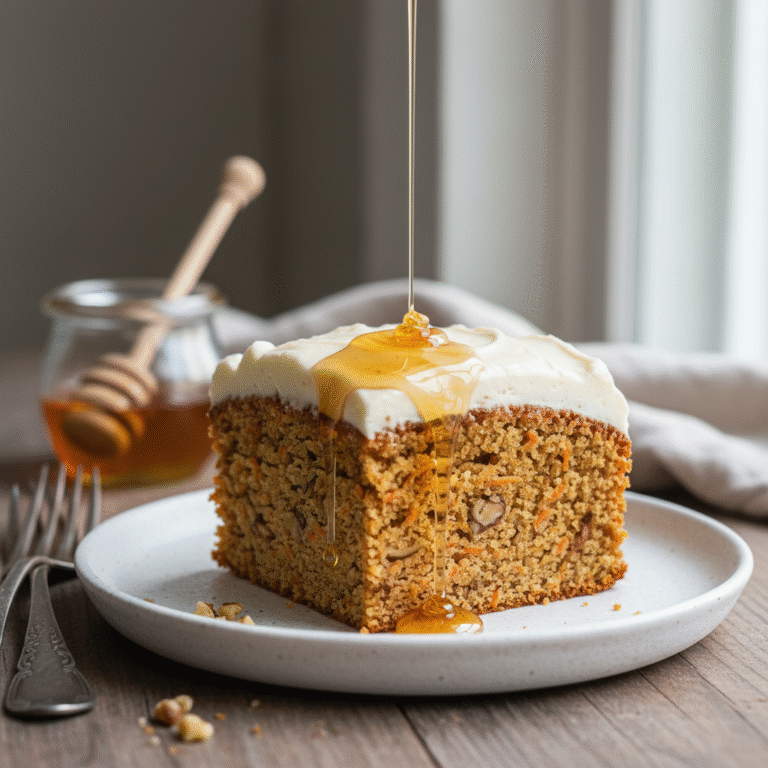
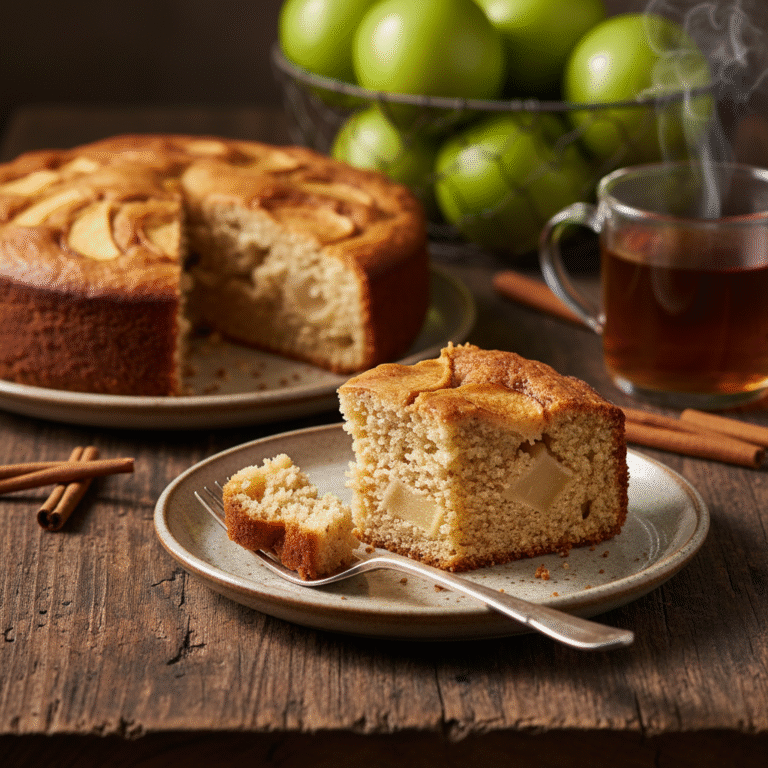
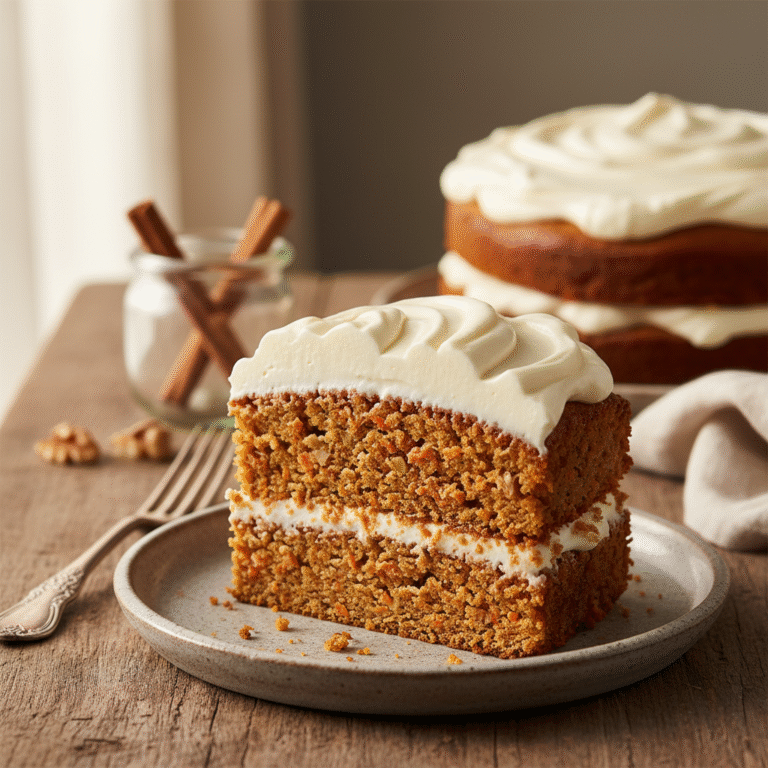
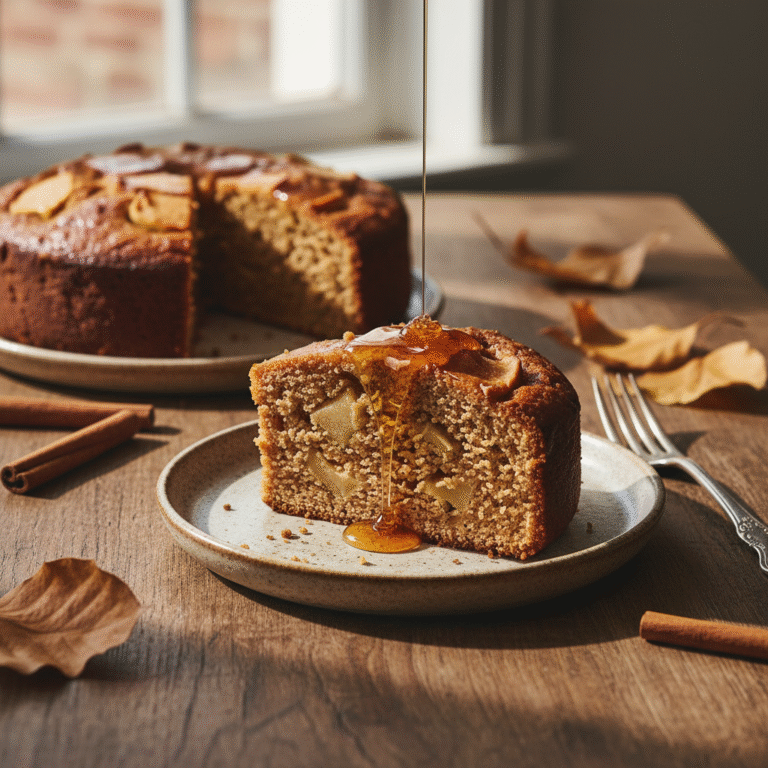
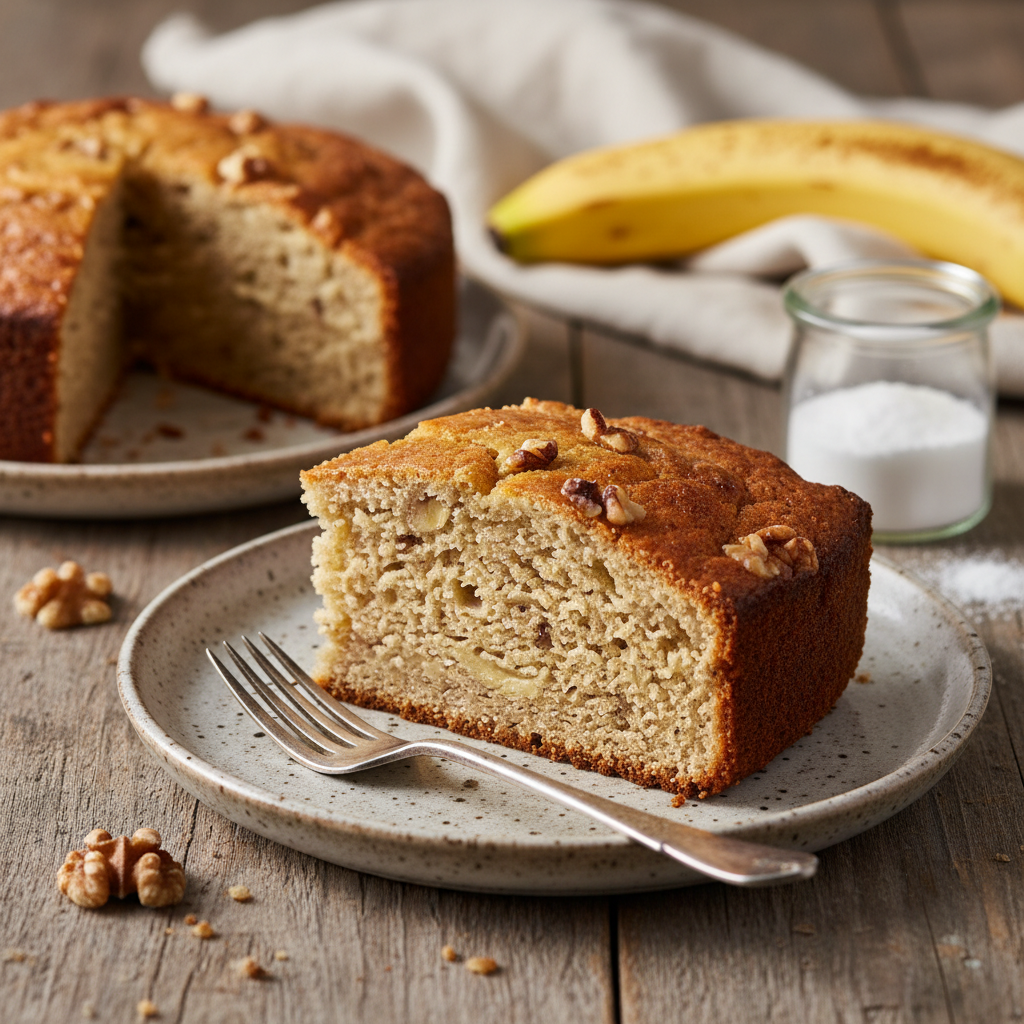
Indulge in the sweet, comforting flavor of banana cake without the sugar spike. This moist, fluffy Low Sugar Banana Cake uses stevia and ripe bananas for natural sweetness, making it the perfect guilt-free treat for breakfast or dessert.
15 minutes
35 minutes
50 minutes
12 servings
Dessert
Baking
American
Low Sugar
For many of us, the quest for a healthier lifestyle often hits a roadblock when it comes to dessert. We crave the comforting warmth of a freshly baked cake, yet we dread the inevitable sugar crash and the empty calories that come with it. Enter the Low Sugar Banana Cake with Stevia—a game-changer in the world of mindful baking. This recipe is not just a compromise; it is a revelation. By harnessing the intense natural sweetness of overripe bananas and pairing it with the zero-calorie magic of stevia, we achieve a flavor profile that rivals any traditional bakery treat. The texture is incredibly moist, tender, and fluffy, dispelling the myth that low-sugar bakes are dense or dry. As you bite into a slice, you are greeted with the familiar, aromatic embrace of caramelized bananas, enhanced by a hint of cinnamon and vanilla. It is a cake that feels indulgent but nourishes your body, allowing you to have your cake and eat it too. Whether you are managing diabetes, cutting down on refined carbs, or simply looking for a wholesome snack for your family, this recipe delivers on all fronts. We have spent hours testing the ratios to ensure the stevia doesn’t leave a bitter aftertaste, balancing it perfectly with the natural fructose from the fruit. This isn’t just a diet recipe; it is a celebration of how delicious healthy food can be, proving that you don’t need a cup of white sugar to create something truly spectacular.
History & Origins
The history of banana cake is deeply intertwined with the history of banana bread, a staple of American comfort food that rose to prominence during the Great Depression. As food became scarce, resourceful home cooks refused to throw away overripe bananas, instead mashing them into quick breads leavened with baking soda. This ingenuity birthed a classic that has remained a favorite for nearly a century. However, the evolution from a dense bread to a lighter, sweeter cake marked a shift in culinary desires, moving from pure sustenance to enjoyment. In recent decades, a new chapter has been written in this history: the rise of sugar alternatives. Stevia, derived from the leaves of the Stevia rebaudiana plant native to Brazil and Paraguay, has been used for centuries by indigenous peoples to sweeten teas and medicines. Its introduction to the global market revolutionized low-glycemic baking. Initially, early adopters struggled with texture and aftertaste, but as refining processes improved and culinary science advanced, recipes like this Low Sugar Banana Cake became possible. This dish represents the modern intersection of historical frugality—using up those brown bananas—and contemporary wellness trends. It honors the tradition of home baking while adapting to the nutritional needs of the 21st century, marking a significant milestone in the timeline of ‘better-for-you’ desserts.
Why This Recipe Works
Baking with stevia can be tricky because sugar does more than just sweeten; it provides structure, moisture, and browning. This recipe works exceptionally well because we have carefully compensated for the lack of bulk sugar. First, the reliance on heavily speckled, overripe bananas is crucial. They provide a significant amount of moisture and natural sugars that mask any potential metallic aftertaste sometimes associated with stevia. Secondly, we incorporate Greek yogurt or sour cream into the batter. The acidity in these dairy products reacts with the baking soda to create a fantastic lift, ensuring the cake is fluffy rather than heavy. The fat content also coats the flour proteins, preventing toughness. We also use a specific blend of almond flour and all-purpose flour (or a gluten-free blend) which adds a nutty richness that complements the banana flavor perfectly. Unlike other low-sugar recipes that turn out rubbery, the combination of healthy fats and fruit puree ensures a tender crumb. The addition of cinnamon and vanilla extract further enhances the perception of sweetness without adding calories, tricking the palate into perceiving a richer treat. This synergy of ingredients results in a cake that is chemically balanced to rise beautifully and taste delicious.
Why You’ll Love This Recipe
- ✓Zero refined sugar, sweetened naturally with stevia and bananas
- ✓Incredibly moist texture thanks to Greek yogurt
- ✓Diabetes-friendly and low glycemic index
- ✓Perfect way to use up overripe bananas
- ✓Quick and easy one-bowl preparation
- ✓Kid-friendly and great for lunchboxes
Equipment You’ll Need
- ✓9×9 inch square baking pan or loaf pan
- ✓Large mixing bowl
- ✓Medium mixing bowl
- ✓Whisk
- ✓Silicone spatula
- ✓Measuring cups and spoons
- ✓Fork or potato masher
Ingredients
- ✓3 large very ripe bananas, mashed (approx. 1.5 cups)
- ✓2 large eggs, room temperature
- ✓1/3 cup Greek yogurt or sour cream
- ✓1/4 cup unsalted butter, melted and cooled (or coconut oil)
- ✓1 teaspoon vanilla extract
- ✓1 1/2 cups all-purpose flour (or measure-for-measure gluten-free flour)
- ✓1/2 cup almond flour (optional, for texture)
- ✓1 teaspoon baking soda
- ✓1/2 teaspoon baking powder
- ✓1/2 teaspoon salt
- ✓1 teaspoon ground cinnamon
- ✓1/3 cup granulated stevia blend (baking blend)
- ✓1/2 cup chopped walnuts or sugar-free chocolate chips (optional)
Instructions
- Preheat your oven to 350°F (175°C). Grease a 9×9 inch baking pan or a standard loaf pan with butter or non-stick spray. You can also line it with parchment paper for easy removal.
- In a large bowl, peel the ripe bananas and mash them thoroughly using a fork or potato masher until they are smooth with only small lumps remaining.
- Add the melted butter, Greek yogurt, eggs, and vanilla extract to the mashed bananas. Whisk vigorously until the wet ingredients are fully combined and the mixture is uniform.
- In a separate medium bowl, whisk together the all-purpose flour, almond flour, granulated stevia, baking soda, baking powder, salt, and cinnamon. Ensure there are no large clumps of stevia or flour.
- Pour the dry ingredients into the wet ingredients. Using a silicone spatula, gently fold the mixture together. Do not overmix; stir just until the flour streaks disappear to keep the cake tender.
- If you are using walnuts or sugar-free chocolate chips, gently fold them into the batter now.
- Pour the batter into the prepared baking pan and smooth the top with your spatula.
- Bake in the preheated oven for 30-35 minutes. If using a loaf pan, it may take 45-50 minutes. Test for doneness by inserting a toothpick into the center; it should come out clean or with a few moist crumbs.
- Remove the cake from the oven and let it cool in the pan for at least 10 minutes. Then, transfer it to a wire rack to cool completely before slicing.
Expert Cooking Tips
- ✓Use bananas that are brown and spotted; yellow bananas won’t provide enough sweetness or moisture.
- ✓Room temperature eggs incorporate better into the batter, creating a smoother texture.
- ✓Don’t overmix the batter once the flour is added, or the gluten will develop and make the cake rubbery.
- ✓Check your stevia brand’s conversion chart; some are twice as sweet as sugar, while others measure 1:1.
- ✓If the top is browning too quickly before the center is cooked, tent the pan loosely with aluminum foil.
- ✓Let the cake cool completely before cutting to prevent it from crumbling.
Substitutions and Variations
This recipe is quite versatile and accommodates several dietary needs. For a gluten-free version, simply swap the all-purpose flour for a high-quality 1:1 gluten-free baking flour blend that contains xanthan gum. If you are dairy-free, replace the butter with melted coconut oil and use a dairy-free yogurt or even applesauce in place of the Greek yogurt. Note that coconut oil will impart a slight coconut flavor. For the sweetener, while this recipe calls for stevia, you can also use erythritol, monk fruit sweetener, or xylitol. Be sure to check the sweetness level of your specific brand, as some are more concentrated than others. If you have a nut allergy, simply omit the almond flour and use an equal amount of additional all-purpose flour, and skip the walnut mix-in. You can also swap the mix-ins for dried fruit like cranberries or raisins, though keep in mind this will increase the natural sugar content.
Common Mistakes to Avoid
The most common mistake with low-sugar baking is using bananas that aren’t ripe enough. If your bananas are yellow or even slightly green, the cake will lack sweetness and flavor. Another pitfall is over-measuring the flour. Always spoon and level your flour into the measuring cup rather than scooping it directly from the bag, which packs it down and leads to a dry cake. Using the wrong type of stevia can also be problematic; liquid stevia drops are difficult to substitute for granulated blends because they lack volume. Stick to a granulated baking blend for the best structural results. Finally, slicing the cake while it is still hot allows steam to escape too rapidly, which can dry out the crumb. Patience is key—letting it cool ensures the moisture is locked inside.
Serving Suggestions
This Low Sugar Banana Cake is wonderful on its own, but you can elevate it for special occasions. Serve a warm slice with a dollop of sugar-free whipped cream and a dusting of cinnamon. For a decadent breakfast, spread a thin layer of almond butter or cream cheese on top. It pairs beautifully with a hot cup of black coffee or herbal tea, which balances the sweetness. If you want to turn it into a dessert, try serving it with a scoop of low-carb vanilla ice cream or a drizzle of sugar-free caramel sauce. It also makes for a fantastic base for a healthier strawberry shortcake twist—just add fresh berries and yogurt.
Storage and Reheating Tips
To keep your banana cake moist, store it in an airtight container at room temperature for up to 3 days. If you live in a hot or humid climate, it is safer to store it in the refrigerator, where it will last for up to a week. This cake also freezes exceptionally well. Slice the cooled cake individually and wrap each piece tightly in plastic wrap, then place them in a freezer-safe bag. They can be frozen for up to 3 months. To reheat, simply unwrap a slice and microwave it for 20-30 seconds, or let it thaw at room temperature for an hour. Reheating restores that fresh-baked softness and aroma.
Nutrition Facts (Estimated)
| Serving Size | 1 slice |
| Calories | 145 |
| Fat | 7g |
| Saturated Fat | 1.5g |
| Unsaturated Fat | 5g |
| Trans Fat | 0g |
| Cholesterol | 35mg |
| Sodium | 180mg |
| Carbohydrates | 18g |
| Fiber | 2g |
| Sugar | 6g |
| Protein | 4g |
Frequently Asked Questions
Can I use liquid stevia instead of granulated?
It is not recommended for this specific recipe. Granulated stevia provides volume that helps the cake’s structure. If you must use liquid, you will need to increase the dry ingredients slightly to compensate for the lost bulk.
Why did my cake sink in the middle?
Sinking usually happens if the cake is underbaked or if the oven door was opened too early. Ensure the toothpick comes out clean before removing it from the oven.
Is this cake keto-friendly?
While it is lower in carbs than traditional cake, bananas are high in natural sugars and carbs. For a strict keto diet, the carb count might still be too high, depending on your daily allowance.
Can I use frozen bananas?
Yes! Thaw the frozen bananas completely and drain off any excess liquid before mashing them. They work perfectly and are often sweeter.
Does stevia leave a bitter aftertaste?
Some brands can, but the strong flavor of banana, cinnamon, and vanilla in this recipe does an excellent job of masking it. Using a high-quality stevia blend helps significantly.
Can I make this into muffins?
Absolutely. Pour the batter into a 12-cup muffin tin lined with paper liners. Reduce the baking time to 18-22 minutes.
What is the best way to ripen bananas quickly?
Place unpeeled bananas on a baking sheet and bake at 300°F for 15-20 minutes until the skins turn black and the fruit is soft.
Can I replace the eggs?
You can try using flax eggs (1 tbsp flax meal + 3 tbsp water per egg) for a vegan option, though the texture may be slightly denser.
Conclusion
Embracing a low-sugar lifestyle doesn’t mean saying goodbye to your favorite baked goods. This Low Sugar Banana Cake with Stevia is proof that with the right ingredients and a little culinary creativity, you can enjoy a moist, flavorful, and satisfying treat that supports your health goals. The combination of ripe bananas and stevia creates a sweetness that feels indulgent without the negative effects of refined sugar. We hope this recipe becomes a staple in your kitchen, bringing joy to your mornings and comfort to your afternoons. Happy baking, and enjoy every guilt-free bite!