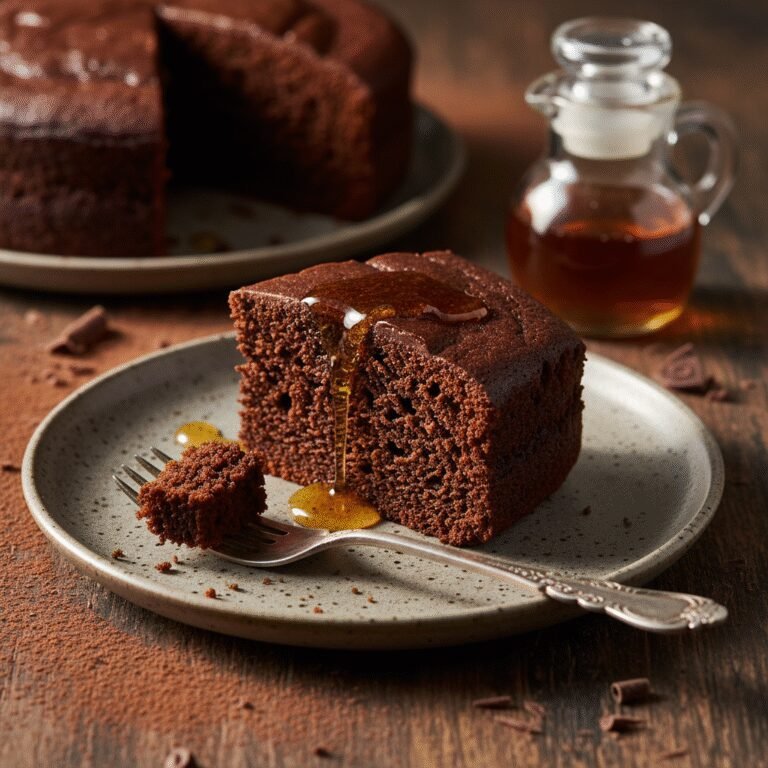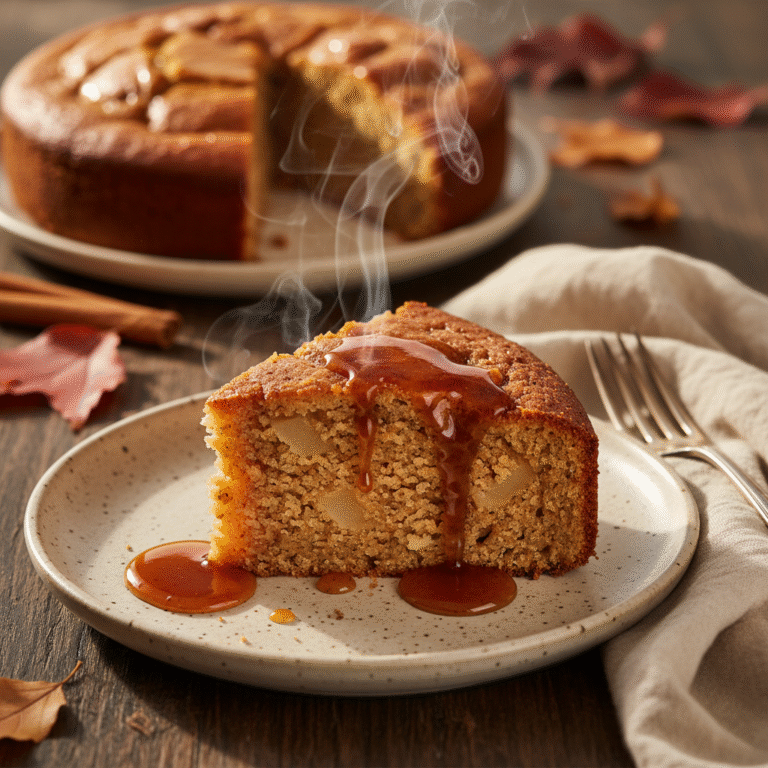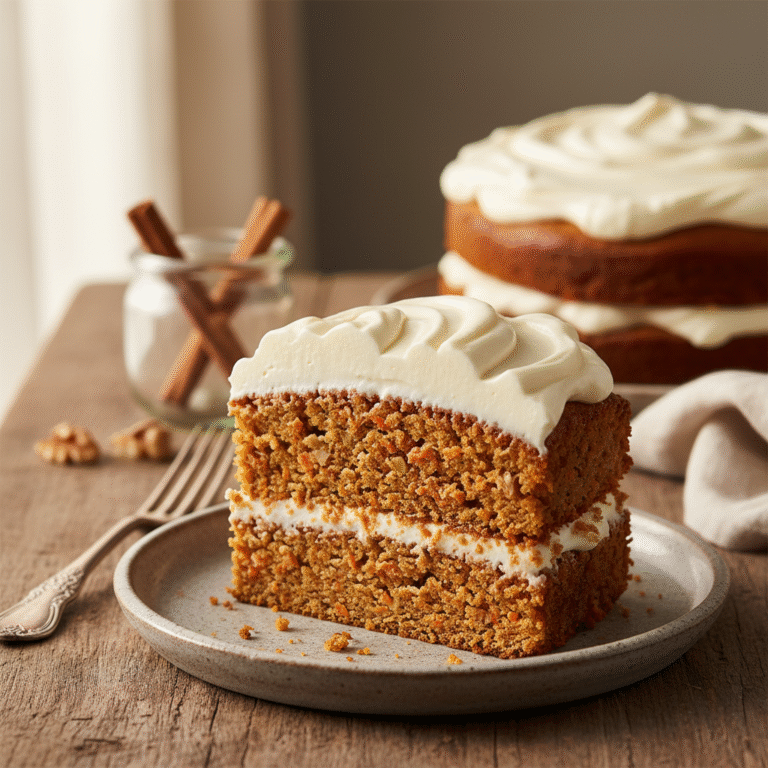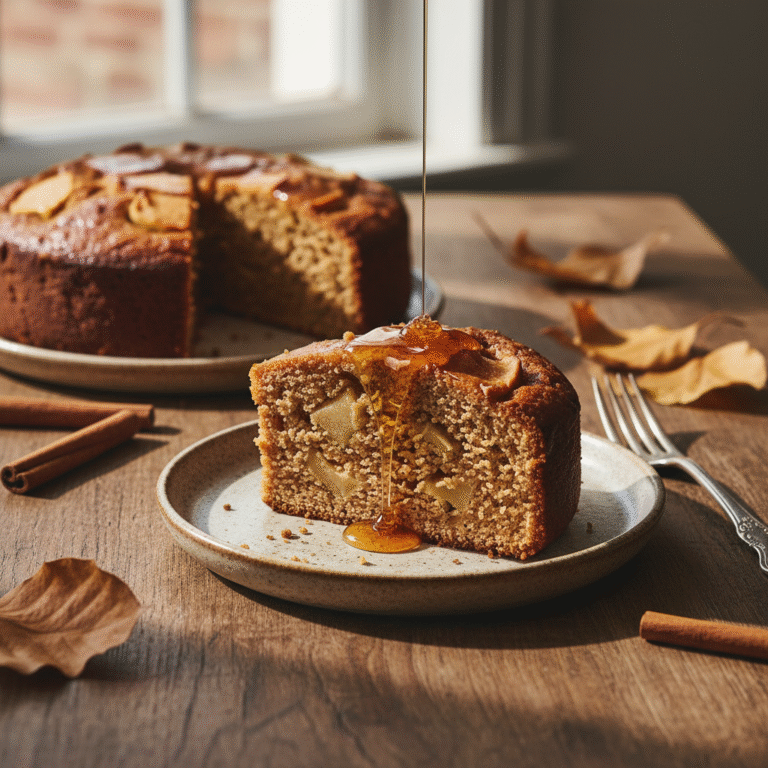
The Ultimate Low Sugar Banana Cake With Erythritol
Low Sugar Low Sugar Banana Cake With Erythritol Recipe
Indulge in the comforting warmth of classic banana cake without the sugar crash. This moist, tender recipe uses erythritol for sweetness and ripe bananas for flavor, creating a guilt-free treat that rivals any bakery favorite.
15 minutes
45 minutes
60 minutes
12 slices
Dessert
Baking
American
Low Sugar
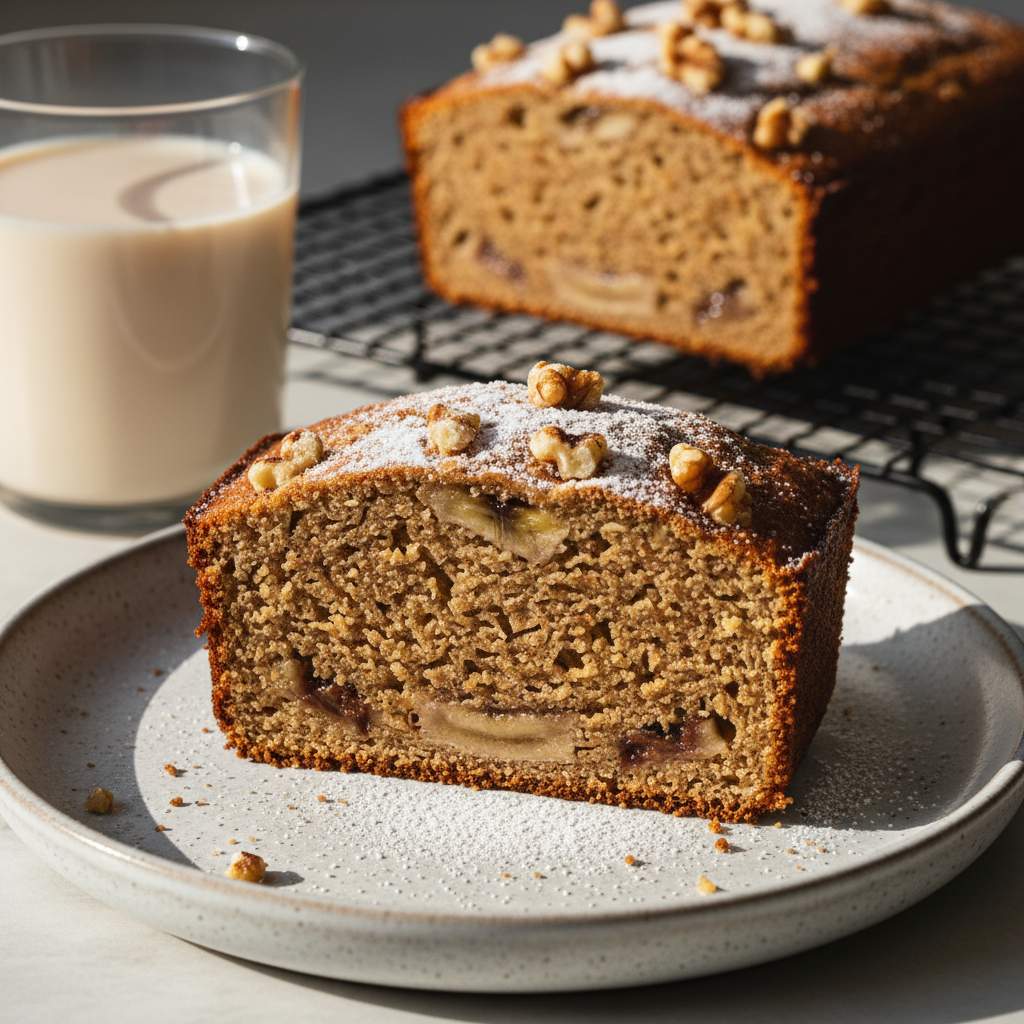
There is something undeniably nostalgic about the scent of banana cake wafting through the kitchen. It evokes memories of slow Sunday mornings, family gatherings, and the simple joy of turning overripe fruit into a culinary masterpiece. However, for those of us watching our sugar intake, whether for health reasons, dietary restrictions, or simply a desire to live a more balanced lifestyle, traditional baking recipes can often feel like a minefield of empty calories and glucose spikes. Enter the Low Sugar Banana Cake with Erythritol—a recipe designed to bridge the gap between indulgence and wellness. This isn’t just a ‘health food’ substitute that tastes like cardboard; it is a genuinely lush, moist, and flavorful cake that respects the chemistry of baking while swapping out refined sugar for a natural, zero-calorie alternative. By harnessing the natural fructose found in spotty, brown bananas and pairing it with the unique properties of erythritol, we achieve a crumb that is tender and a sweetness that is perfectly balanced. This cake is perfect for a mid-morning snack with coffee, a light dessert, or even a quick breakfast on the go. In this extensive guide, we will explore exactly how to work with erythritol to avoid that dreaded ‘cooling effect,’ how to keep your cake moist without excess fat, and why this specific method yields the best results every single time.
History & Origins
The history of banana cake, and its denser cousin banana bread, is deeply rooted in American ingenuity and the ethos of ‘waste not, want not.’ The recipe gained massive popularity in the United States during the Great Depression of the 1930s. During this time, food was scarce, and throwing away overripe bananas was unthinkable. Simultaneously, the commercial availability of baking powder and baking soda was rising, allowing home cooks to create quick breads without yeast. This perfect storm created a household staple that has endured for nearly a century. Fast forward to the 21st century, and we see a new culinary revolution: the rise of low-carb, keto, and low-sugar baking. As awareness of the metabolic impact of refined sugar grew, so did the demand for alternatives. Artificial sweeteners like aspartame dominated the 80s and 90s, but they often lacked the bulk and texture required for baking. The discovery and commercialization of sugar alcohols, specifically erythritol, changed the game. Occurring naturally in some fruits and fermented foods, erythritol provided a way to sweeten baked goods without spiking blood sugar or adding calories. This recipe represents the modern evolution of the 1930s classic, adapting a depression-era staple for the health-conscious era of today, proving that comfort food can evolve alongside our nutritional understanding.
Why This Recipe Works
Baking is chemistry, and removing sugar—which provides structure, moisture, and browning—is risky. This recipe works because it carefully compensates for the lack of sucrose. First, we rely heavily on the bananas. By using bananas that are heavily spotted or even black, we maximize the natural fructose and moisture content, reducing the need for added sweeteners. Second, we address the erythritol challenge. Erythritol is about 70% as sweet as sugar and can sometimes crystallize or create a cooling sensation on the tongue. To counteract this, we use a specific ratio of fat (butter or coconut oil) and often recommend a powdered version of erythritol which integrates better into the batter. Furthermore, the addition of Greek yogurt or sour cream is a game-changer in this recipe. The acidity in the dairy reacts with the baking soda to create a lift, ensuring the cake isn’t dense or gummy—a common complaint in low-sugar baking. The protein and fat in the yogurt also tenderize the gluten strands in the flour, resulting in a velvety crumb that mimics the texture of full-sugar cakes. Finally, baking at a slightly lower temperature ensures the cake cooks through evenly without burning, as erythritol does not caramelize the same way sugar does.
Why You’ll Love This Recipe
- ✓Contains zero refined sugar
- ✓Diabetic-friendly and low glycemic index
- ✓Uses Greek yogurt for superior moisture
- ✓Freezes beautifully for meal prep
- ✓No chemical aftertaste often found in diet desserts
- ✓Kid-friendly and perfect for lunchboxes
Equipment You’ll Need
- ✓9×9 inch square baking pan or loaf pan
- ✓Large mixing bowl
- ✓Medium mixing bowl
- ✓Electric hand mixer or stand mixer
- ✓Whisk
- ✓Rubber spatula
- ✓Wire cooling rack
- ✓Measuring cups and spoons
Ingredients
- ✓1/2 cup unsalted butter, softened (or coconut oil for dairy-free)
- ✓3/4 cup granular erythritol (or monk fruit/erythritol blend)
- ✓2 large eggs, room temperature
- ✓1 teaspoon pure vanilla extract
- ✓3 medium very ripe bananas, mashed (approx. 1.5 cups)
- ✓1/3 cup plain Greek yogurt or sour cream
- ✓2 cups all-purpose flour (see substitutions for gluten-free)
- ✓1 teaspoon baking soda
- ✓1/2 teaspoon salt
- ✓1/2 teaspoon ground cinnamon (optional)
- ✓1/4 cup chopped walnuts or sugar-free chocolate chips (optional)
Instructions
- Preheat your oven to 350°F (175°C). Grease a 9×9 inch square baking pan or a standard loaf pan with butter or non-stick spray. Line with parchment paper for easy removal.
- In a medium bowl, whisk together the flour, baking soda, salt, and cinnamon. Ensure there are no clumps of baking soda. Set aside.
- In a large mixing bowl, cream together the softened butter and erythritol using an electric mixer on medium speed. Beat for about 2-3 minutes until the mixture looks fluffy. Note that erythritol won’t cream exactly like sugar, but it should be well incorporated.
- Add the eggs one at a time, beating well after each addition. Scrape down the sides of the bowl.
- Mix in the vanilla extract and the mashed bananas. Beat on low speed until combined.
- Stir in the Greek yogurt (or sour cream). This adds the necessary acidity and moisture.
- Gradually add the dry ingredients to the wet ingredients in two batches. Mix on low speed or fold by hand with a spatula just until no flour streaks remain. Do not overmix, as this will make the cake tough.
- If using walnuts or sugar-free chocolate chips, fold them in gently now.
- Pour the batter into the prepared baking pan and smooth the top with a spatula.
- Bake for 40-50 minutes. The time will vary based on your pan size (loaf pans take longer than square pans). Test for doneness by inserting a toothpick into the center; it should come out clean or with just a few moist crumbs.
- Remove from the oven and let the cake cool in the pan for 10 minutes. Then, lift it out using the parchment paper and transfer to a wire rack to cool completely before slicing.
Expert Cooking Tips
- ✓Use the ripest bananas you can find. If they aren’t brown enough, you can roast them in their skins at 300°F for 15 minutes to develop sweetness.
- ✓Room temperature ingredients are crucial. Cold eggs or yogurt can cause the butter to seize and curdle the batter.
- ✓Don’t overmix the flour. Once the wet and dry ingredients touch, gluten begins to form. Mixing too much leads to a rubbery texture.
- ✓If you find erythritol has a cooling effect, try using a blend of erythritol and monk fruit, or reduce the amount slightly and rely more on the banana sweetness.
- ✓Cover the top loosely with foil if you notice it browning too quickly before the center is set.
Substitutions and Variations
This recipe is quite versatile. For a **Gluten-Free** version, substitute the all-purpose flour with a high-quality 1:1 gluten-free baking flour blend that contains xanthan gum. Almond flour alone will change the texture significantly, making it denser and more like a torte, but can be used (use 2.5 cups almond flour instead of 2 cups wheat flour). For **Dairy-Free**, swap the butter for coconut oil or a vegan butter stick, and use a dairy-free yogurt alternative (coconut or almond based). Regarding the **Sweetener**, you can use Xylitol (keep away from dogs!) or a Monk Fruit/Erythritol blend. If you prefer liquid stevia, the bulk of the cake will change, so it is not recommended to swap granular for liquid directly. If you don’t have **Greek Yogurt**, sour cream or even buttermilk works perfectly to provide the acid needed for the baking soda.
Common Mistakes to Avoid
The most common mistake with low-sugar baking is expecting the sweetener to act exactly like sugar. Erythritol does not melt and caramelize the same way, so the crust will be lighter in color. Do not leave it in the oven waiting for a dark brown crust, or you will dry out the cake. Another mistake is using under-ripe bananas. Green or yellow bananas lack the necessary sugar content and moisture, resulting in a bland, dry cake. Finally, slicing the cake while it is too hot is a recipe for disaster. Low-sugar cakes often have a more delicate structure when hot; letting it cool completely allows the crumb to set properly.
Serving Suggestions
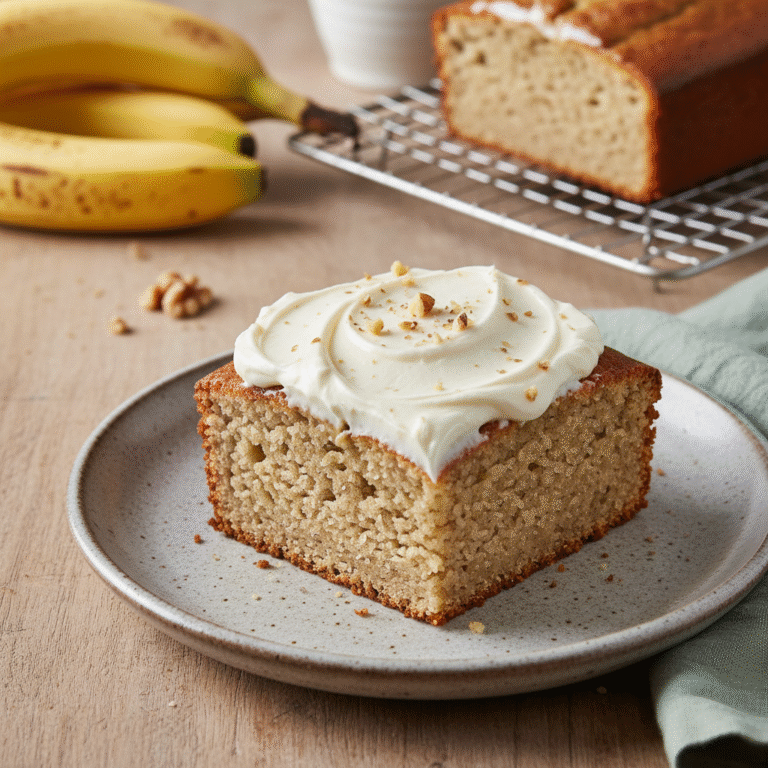
This cake is delightful when served slightly warm. For a breakfast treat, serve a slice with a dollop of additional Greek yogurt and a sprinkle of cinnamon. For a more decadent dessert, top it with a sugar-free cream cheese frosting (cream cheese, butter, powdered erythritol, vanilla) or a drizzle of sugar-free caramel sauce. It pairs exceptionally well with hot black coffee or an unsweetened almond milk latte to balance the sweetness.
Storage and Reheating Tips
Because this cake contains fresh fruit and dairy, it keeps best in the refrigerator. Store it in an airtight container for up to 5 days. You can keep it on the counter for 2 days if your kitchen is cool. For long-term storage, slice the cake and wrap each slice individually in plastic wrap, then place them in a freezer-safe bag. They can be frozen for up to 3 months. Thaw on the counter for 30 minutes or microwave for 20 seconds to revive the texture.
Nutrition Facts (Estimated)
| Serving Size | 1 slice |
| Calories | 165 |
| Fat | 9g |
| Saturated Fat | 5g |
| Unsaturated Fat | 3g |
| Trans Fat | 0g |
| Cholesterol | 45mg |
| Sodium | 180mg |
| Carbohydrates | 22g |
| Fiber | 2g |
| Sugar | 4g (from fruit) |
| Protein | 4g |
Frequently Asked Questions
Does erythritol have an aftertaste?
Erythritol is known for having the least aftertaste of most sugar alcohols, but some people detect a mild ‘cooling’ sensation similar to mint. Using a high-quality brand or a blend with monk fruit minimizes this significantly.
Can I use almond flour to make this Keto?
Yes, but the texture will change. If you swap the 2 cups of AP flour for about 2.5 cups of almond flour, you will get a denser, wetter cake. You may need to bake it slightly longer.
Why did my cake sink in the middle?
Sinking usually happens if the cake was underbaked or if the oven door was opened too early, causing a temperature drop. It can also happen if there was too much leavening (baking soda).
Is this safe for dogs?
While erythritol is generally considered safe for dogs, other sweeteners like Xylitol are toxic. However, this recipe uses walnuts and sometimes chocolate chips, so it is best to keep human treats away from pets.
Can I use oil instead of butter?
Absolutely. Vegetable oil, canola oil, or melted coconut oil works well and often results in an even moister cake, though you lose the buttery flavor.
How do I measure the flour correctly?
The scoop-and-sweep method is best if you don’t have a scale. Fluff the flour, spoon it into the cup, and level it off. Dipping the cup directly packs the flour and leads to a dry cake.
Can I add other mix-ins?
Yes! Blueberries, pecans, seeds, or dried unsweetened coconut flakes are excellent additions.
Why is my cake gummy?
Gumminess is often a sign of overmixing the batter (developing too much gluten) or not baking it long enough.
Conclusion
Baking with less sugar doesn’t mean you have to compromise on flavor or texture. This Low Sugar Banana Cake with Erythritol is a testament to how simple ingredient swaps can transform a classic comfort food into a health-conscious delight. Whether you are managing diabetes, cutting carbs, or just trying to reduce your refined sugar intake, this recipe offers the perfect solution. It’s moist, fluffy, and packed with that distinct banana flavor we all love. Give this recipe a try for your next bake sale, brunch, or Sunday meal prep, and watch it disappear from the plate—guilt-free!