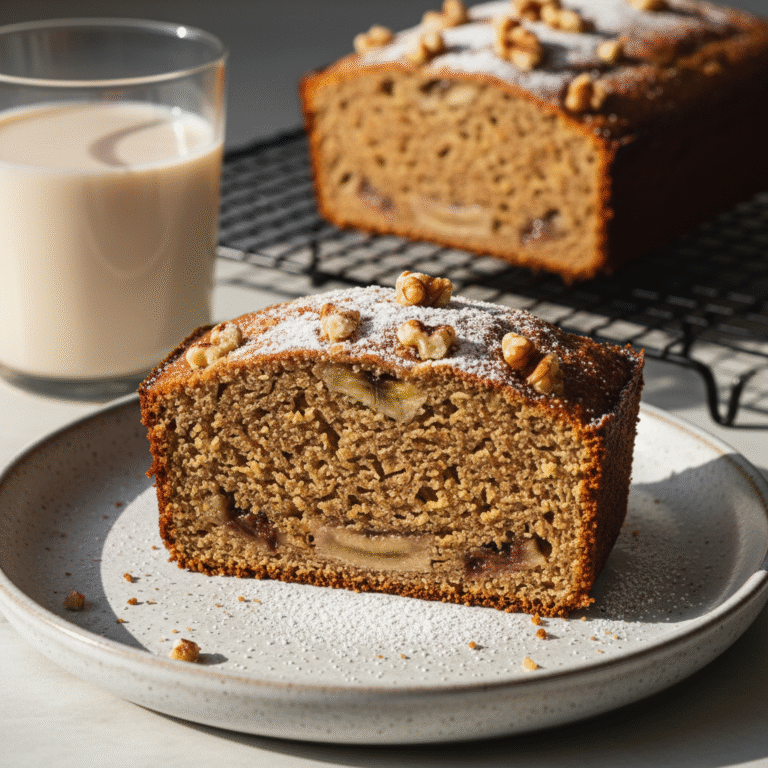
The Ultimate Moist Low Sugar Banana Cake with Cream Cheese Frosting
Low Sugar Low Sugar Banana Cake Recipe
Indulge in the comforting flavors of banana cake without the sugar crash. This incredibly moist, tender, and naturally sweetened recipe uses ripe bananas and a touch of alternative sweetener to create a guilt-free dessert that tastes just like the classic.
20 minutes
35 minutes
55 minutes
12 slices
Dessert
Baking
American
Low Sugar
There is something undeniably nostalgic about the aroma of baking bananas. It evokes memories of slow Sunday mornings, family gatherings, and the simple joy of homemade comfort food. However, traditional banana cake recipes are often laden with refined sugars that can leave you feeling sluggish and guilty. That is where this Low Sugar Banana Cake recipe steps in to save the day. It is a game-changer for anyone looking to reduce their sugar intake without sacrificing that beloved, melt-in-your-mouth texture and rich flavor. We have spent countless hours in the kitchen testing various ratios of flour, fat, and fruit to ensure that this cake remains fluffy and moist—never dense or rubbery—despite the reduction in granulated sugar.
What makes this recipe truly special is its reliance on the natural sugars found in heavily spotted, overripe bananas. By letting nature do the heavy lifting, we can cut back significantly on added sweeteners. The result is a cake that highlights the pure, floral essence of the banana, complemented by warm undertones of cinnamon and nutmeg. Whether you are diabetic, following a low-glycemic diet, or simply trying to make healthier lifestyle choices for your family, this cake proves that you do not have to give up your favorite treats. It is perfect for an afternoon snack with coffee, a light dessert after dinner, or even a quick breakfast on the go. Prepare to be amazed by how a few simple ingredient swaps can transform a calorie-heavy classic into a wholesome, nutritious delight that everyone will ask for again and again.
History & Origins
The history of banana cake is inextricably linked to the history of banana bread, a staple of American baking that rose to prominence during the Great Depression. Before the 20th century, bananas were a luxury import in the United States, but with the advent of better refrigeration and transport, they became widely available. During the 1930s, as the economic depression forced households to stretch every penny, throwing away overripe fruit became unthinkable. Resourceful home cooks began mashing up browning bananas and incorporating them into quick breads, aided by the popularization of chemical leaveners like baking powder and baking soda. This era birthed the classic banana bread, which eventually evolved into the lighter, sweeter banana cake we know today.
Over the decades, banana cake became a potluck favorite, often smothered in sugary frostings and loaded with brown sugar. However, the late 20th and early 21st centuries saw a significant cultural shift towards health-conscious eating. As awareness of the adverse effects of excessive sugar consumption grew—linked to inflammation, diabetes, and energy crashes—bakers began experimenting with modifications. The low-sugar movement gained traction, borrowing techniques from diabetic-friendly cooking and the rise of paleo and keto diets. This specific recipe represents the modern evolution of that historical lineage: it honors the frugal, resourceful roots of the original Depression-era dish while adapting to contemporary nutritional science. It celebrates the banana not just as a flavor vehicle, but as a functional ingredient that provides natural sweetness and moisture, reducing the need for processed additives.
Why This Recipe Works
This recipe works because it fundamentally understands the chemistry of baking with fruit. Sugar is not just a sweetener; it is a tenderizer and a hygroscopic agent, meaning it attracts and holds water. When you remove sugar, you risk ending up with a dry, tough cake. To combat this, we utilize a high ratio of mashed, overripe bananas. As bananas ripen, their starches convert into simple sugars, providing not only sweetness but also the essential moisture and structure that sugar usually provides. We amplify this moisture retention by incorporating Greek yogurt (or sour cream), which adds fat and acidity. The acidity reacts with the baking soda to create a robust lift, ensuring the cake is airy rather than dense.
Furthermore, we use a specific blend of spices—cinnamon, nutmeg, and vanilla extract—that trick the palate. These ‘sweet spices’ enhance the perception of sweetness without adding a single gram of sugar. By using a high-quality sugar substitute like erythritol or monk fruit for the small amount of added sweetness required, we maintain the traditional crystalline structure necessary for creaming with butter, which aerates the batter. The result is a crumb that is indistinguishable from a full-sugar version: tender, golden, and perfectly moist. It is a delicate balance of maximizing natural fruit sugars and using smart fats to replicate the mouthfeel of a traditional high-calorie dessert.
Why You’ll Love This Recipe
- ✓Significantly lower glycemic index than traditional cakes
- ✓Uses overripe bananas for natural sweetness and moisture
- ✓Incredibly moist texture thanks to Greek yogurt
- ✓Quick and easy one-bowl preparation method
- ✓Freezer-friendly for meal prep or snacks
- ✓Customizable with nuts, chocolate chips, or berries
Equipment You’ll Need
- ✓9×9 inch square baking pan
- ✓Large mixing bowl
- ✓Medium mixing bowl
- ✓Electric hand mixer or stand mixer
- ✓Silicone spatula
- ✓Measuring cups and spoons
- ✓Wire cooling rack
- ✓Potato masher or fork
Ingredients
- ✓3 large overripe bananas, mashed (approx. 1.5 cups)
- ✓2 cups almond flour (or whole wheat pastry flour for non-GF)
- ✓1/2 cup granulated erythritol or monk fruit sweetener
- ✓1/2 cup unsalted butter, softened (or coconut oil)
- ✓2 large eggs, room temperature
- ✓1/2 cup plain Greek yogurt
- ✓1 tsp pure vanilla extract
- ✓1 tsp baking soda
- ✓1/2 tsp baking powder
- ✓1/2 tsp sea salt
- ✓1 tsp ground cinnamon
- ✓1/4 tsp ground nutmeg
- ✓1/2 cup chopped walnuts (optional)
Instructions
- Preheat your oven to 350°F (175°C). Grease a 9×9 inch square baking pan with butter or cooking spray, or line it with parchment paper for easy removal.
- In a medium bowl, whisk together the almond flour (or flour of choice), baking soda, baking powder, salt, cinnamon, and nutmeg. Set this dry mixture aside.
- In a large mixing bowl, using an electric mixer, cream together the softened butter and sweetener until the mixture is light and fluffy (about 2-3 minutes).
- Add the eggs one at a time to the butter mixture, beating well after each addition. Scrape down the sides of the bowl as needed.
- Mix in the mashed bananas, Greek yogurt, and vanilla extract until combined. The mixture may look slightly curdled, which is normal.
- Gradually add the dry ingredients to the wet ingredients. Use a silicone spatula to fold them together gently until just combined. Do not overmix.
- If you are using walnuts or other mix-ins, gently fold them into the batter now.
- Pour the batter into the prepared baking pan and smooth the top with your spatula.
- Bake for 30-35 minutes, or until a toothpick inserted into the center comes out clean or with just a few moist crumbs.
- Remove the cake from the oven and place the pan on a wire cooling rack. Let it cool completely in the pan before slicing or frosting.
Expert Cooking Tips
- ✓Use bananas that are heavily spotted or even black for the maximum natural sweetness.
- ✓Room temperature ingredients (eggs, butter, yogurt) emulsify better, creating a smoother batter.
- ✓Do not overmix the batter once the flour is added, as this can develop gluten (if using wheat flour) and make the cake tough.
- ✓Check the cake at the 30-minute mark to prevent overbaking; low sugar cakes can dry out faster if left too long.
- ✓If the top browns too quickly, tent the pan loosely with aluminum foil for the last 10 minutes of baking.
- ✓Let the cake cool completely before frosting, otherwise the frosting will melt and slide off.
Substitutions and Variations
Baking is a science, but this recipe offers some flexibility. For the flour, almond flour provides a low-carb, gluten-free option that adds richness, but you can substitute it with whole wheat pastry flour or a 1:1 gluten-free all-purpose flour blend if you prefer a lighter crumb. If you are dairy-free, swap the butter for melted coconut oil and the Greek yogurt for a thick dairy-free yogurt or even applesauce, though applesauce will make the texture slightly denser. For the sweetener, any granulated 1:1 sugar substitute like Swerve, erythritol, or monk fruit works well; however, if you are not strictly avoiding sugar, coconut sugar is a great lower-glycemic alternative that adds a caramel flavor. You can also replace the eggs with flax eggs (1 tbsp ground flaxseed + 3 tbsp water per egg) for a vegan version, though the cake may not rise quite as high.
Common Mistakes to Avoid
The most common mistake is using bananas that are not ripe enough. Yellow or green-tipped bananas lack the sugar content and strong flavor needed to carry this recipe, resulting in a bland, starchy cake. Another pitfall is over-measuring the flour; always spoon and level your flour rather than scooping directly from the bag to avoid a dry cake. Additionally, be careful not to overmix the batter. Once the wet and dry ingredients meet, mix only until the flour streaks disappear. Overmixing knocks out the air bubbles created by the leavening agents and develops tough gluten strands. Finally, cutting into the cake while it is still hot can cause it to crumble and fall apart; patience during the cooling process ensures the structure sets properly.
Serving Suggestions
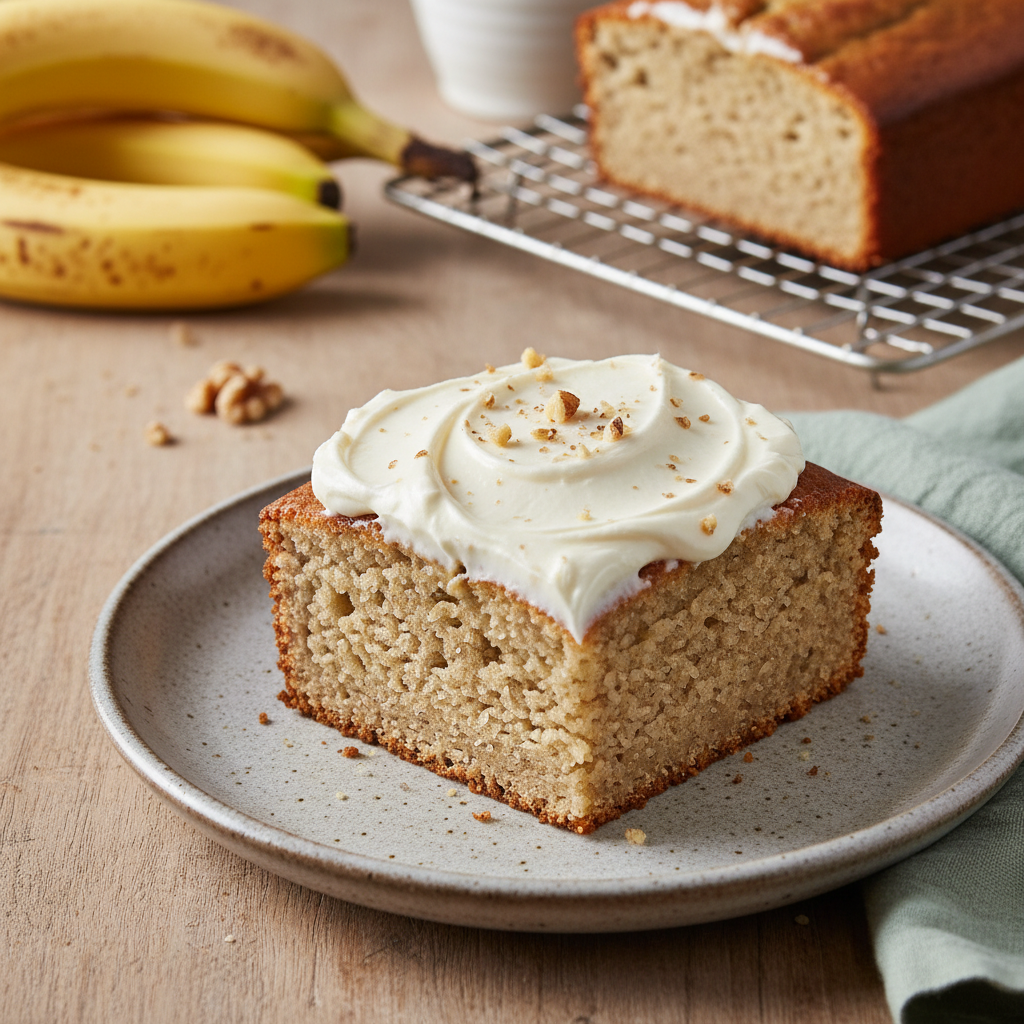
This Low Sugar Banana Cake is versatile enough to be served in many ways. For a simple snack, serve a slice plain or slightly warmed with a pat of butter. If you are looking to elevate it for dessert, top it with a cream cheese frosting made from low-fat cream cheese and powdered sweetener. A dollop of whipped coconut cream and a dusting of cinnamon make for a lighter topping. It also pairs beautifully with fresh berries, which add a tart contrast to the sweet banana flavor. For breakfast, try crumbling a slice over a bowl of yogurt or serving it alongside a hot cup of black coffee or herbal tea.
Storage and Reheating Tips
To keep your banana cake fresh and moist, store it in an airtight container at room temperature for up to 3 days. If your kitchen is particularly warm or humid, or if you have used a cream cheese frosting, it is best to store the cake in the refrigerator, where it will last for up to a week. This cake also freezes beautifully. To freeze, wrap individual slices tightly in plastic wrap and then place them in a heavy-duty freezer bag. They can be frozen for up to 3 months. Thaw slices on the counter for an hour or warm them in the microwave for 20-30 seconds before eating.
Nutrition Facts (Estimated)
| Serving Size | 1 slice |
| Calories | 185 |
| Fat | 9g |
| Saturated Fat | 4g |
| Unsaturated Fat | 4g |
| Trans Fat | 0g |
| Cholesterol | 45mg |
| Sodium | 180mg |
| Carbohydrates | 22g |
| Fiber | 3g |
| Sugar | 6g |
| Protein | 5g |
Frequently Asked Questions
Can I use regular sugar instead of a sweetener?
Yes, you can use regular granulated sugar, brown sugar, or coconut sugar in the same 1:1 ratio if you are not strictly monitoring sugar intake.
Why did my cake sink in the middle?
Sinking usually happens if the oven door was opened too early, causing a temperature drop, or if the cake was underbaked. Ensure your leavening agents (baking soda/powder) are fresh.
Is this recipe gluten-free?
If you use almond flour or a certified gluten-free 1:1 flour blend, yes, this recipe is gluten-free. Always check your baking powder to ensure it is GF as well.
Can I make this into muffins instead of a cake?
Absolutely. Divide the batter into a 12-cup muffin tin lined with paper liners. Bake at 350°F for 18-22 minutes.
How do I ripen bananas quickly?
Place unpeeled bananas on a baking sheet and bake at 300°F for 15-20 minutes until the skins are black. Let them cool before peeling and mashing.
Can I add chocolate chips?
Yes! Sugar-free dark chocolate chips are a fantastic addition. Fold in about 1/2 cup just before baking.
What creates the moisture if there is less sugar?
The moisture comes primarily from the mashed bananas and the Greek yogurt, which compensate for the lack of hygroscopic sugar.
Is this suitable for keto diets?
It can be keto-friendly if you use almond flour and a keto-approved sweetener, though bananas do contain natural carbs. It fits a ‘dirty keto’ or low-carb diet better than strict keto.
Conclusion
Embracing a lower-sugar lifestyle does not mean you have to say goodbye to the joys of baking. This Low Sugar Banana Cake is proof that with the right ingredients and techniques, you can create a dessert that is just as satisfying as its traditional counterpart. By harnessing the natural sweetness of ripe fruit and using smart substitutions, you get a treat that nourishes the body and delights the soul. Whether you are baking for health reasons or just want a lighter option for your family, this recipe is sure to become a staple in your kitchen. So, next time you see those bananas turning brown on your counter, skip the trash can and preheat the oven—something delicious awaits!