Low Sugar Apple Spice Cake with Maple Syrup: A Cozy Autumn Delight
Low Sugar Low Sugar Apple Spice Cake With Maple Syrup Recipe
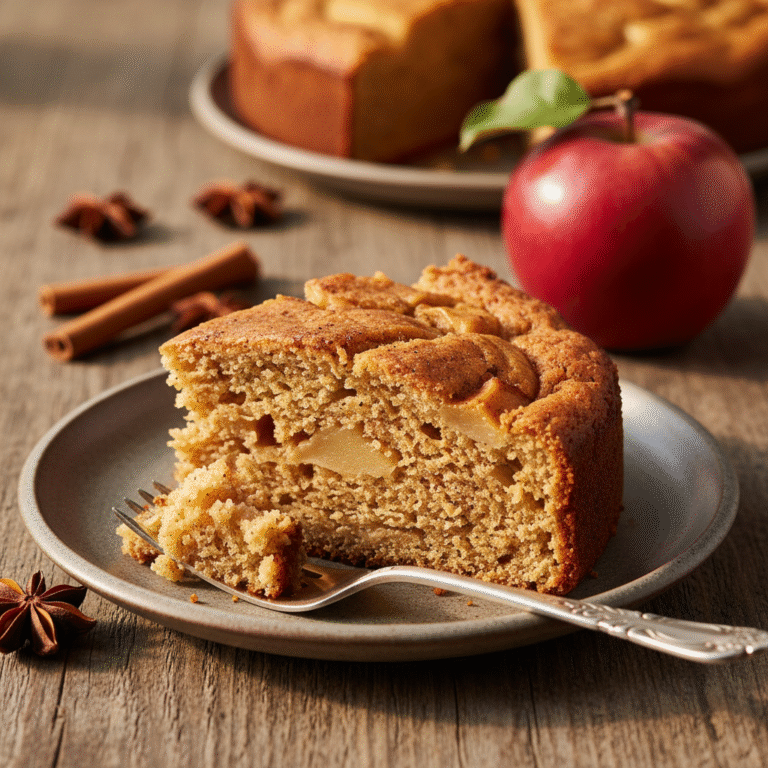
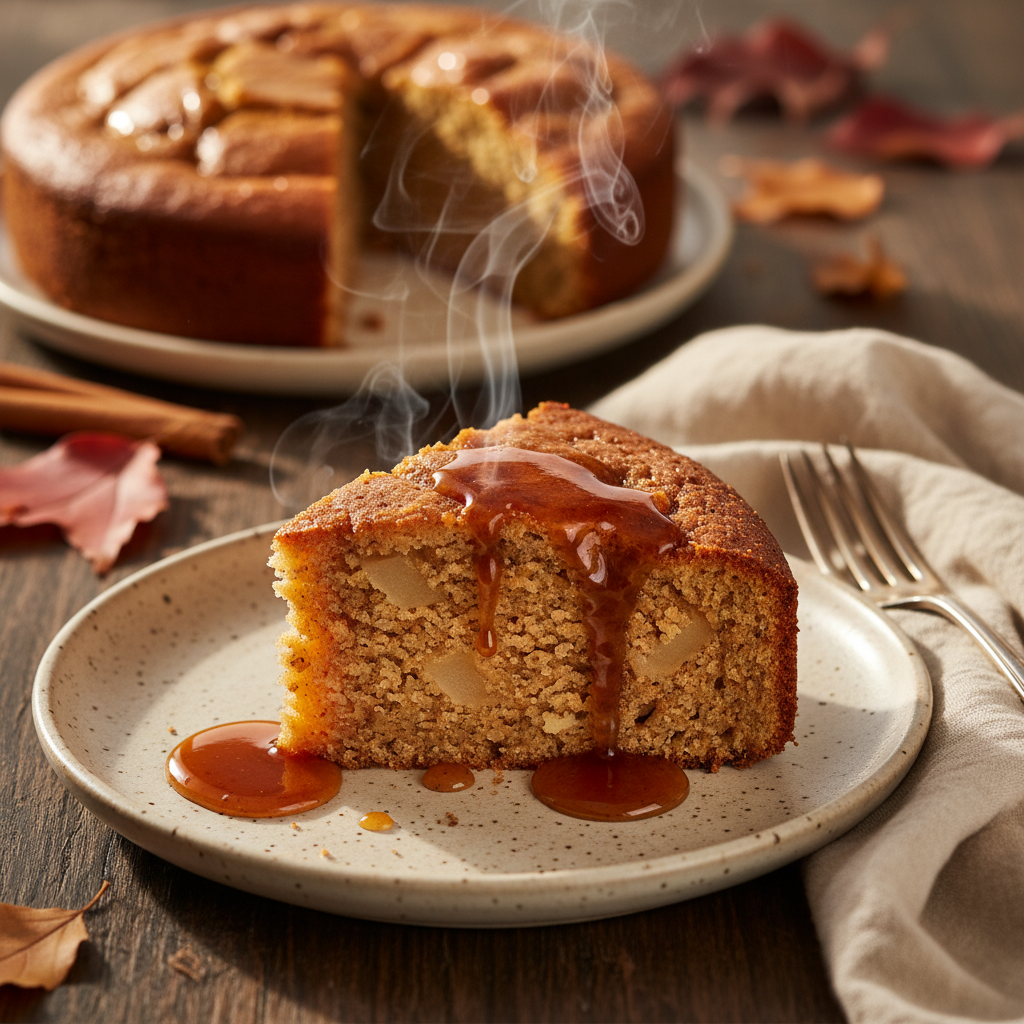
Embrace the warmth of the season with this incredibly moist Low Sugar Apple Spice Cake, naturally sweetened with pure maple syrup. Bursting with chunks of fresh apples and aromatic spices, this guilt-free treat offers all the comfort of a classic fall dessert without the refined sugar crash.
20 minutes
45 minutes
1 hour 5 minutes
12 servings
Dessert
Baking
American
Vegetarian
There is something undeniably magical about the aroma of baking apples and cinnamon wafting through the kitchen. It signals a shift in the seasons, a time to slow down, wrap your hands around a warm mug, and indulge in comfort food. However, traditional baked goods often come laden with excessive amounts of refined white sugar that can leave you feeling sluggish rather than satisfied. That is where this Low Sugar Apple Spice Cake with Maple Syrup comes in to change the narrative. By swapping out processed sugars for high-quality, pure maple syrup, we not only reduce the glycemic load but also introduce a depth of flavor that white sugar simply cannot compete with. The earthiness of the maple syrup pairs impeccably with the tartness of Granny Smith apples and the warmth of nutmeg, cloves, and cinnamon.
This recipe is designed for the modern home baker who craves nostalgia but values health-conscious ingredients. We utilize Greek yogurt to ensure the crumb remains tender and moist for days, eliminating the need for excessive oils or butter. The result is a dense yet fluffy cake that sits somewhere between a morning coffee cake and an elegant after-dinner dessert. Whether you are looking for a wholesome breakfast option, a snack for the kids’ lunchboxes, or a centerpiece for your next brunch gathering, this cake delivers on all fronts. It proves that ‘low sugar’ does not have to mean ‘low flavor.’ Instead, it allows the natural sweetness of the fruit and the complex notes of the spices to truly shine, creating a sophisticated palate experience that is both rustic and refined.
History & Origins
The tradition of combining apples with dough dates back centuries, with roots deeply embedded in European culinary history. Long before the advent of modern chemical leaveners, early bakers in England and Germany were crafting dense fruit breads and cakes to preserve the harvest. Apples, being abundant and capable of long storage in root cellars, became a staple ingredient in winter baking. As European settlers arrived in North America, they brought these recipes with them, adapting them to the ingredients available in the New World. One of the most significant adaptations was the use of maple syrup.
Indigenous peoples of North America had been harvesting sap from sugar maple trees for generations before European arrival, processing it into syrup and sugar. For early colonists, imported cane sugar was a luxury commodity, heavily taxed and expensive. Consequently, maple syrup became the primary sweetener for many households in the Northeastern United States and Canada. This necessity birthed a unique category of American baked goods that relied on the distinct, smoky sweetness of maple sap. Over time, as industrialization made refined sugar cheap and ubiquitous, the use of maple syrup in baking became more of a gourmet choice rather than a necessity. However, the classic Apple Spice Cake has remained a beloved fixture in American cookbooks, evolving from heavy, yeast-leavened breads to the lighter, chemically leavened cakes we know today. This recipe pays homage to that colonial ingenuity, returning to the roots of using natural, local sweeteners to complement the orchard’s bounty.
Why This Recipe Works
This recipe succeeds because it balances the chemistry of baking with the art of flavor profiling. Baking with liquid sweeteners like maple syrup can be tricky; they introduce acidity and extra moisture that must be accounted for. In this recipe, the acidity of the maple syrup and the Greek yogurt reacts with the baking soda, creating carbon dioxide bubbles that lift the cake, ensuring it doesn’t become heavy or gluey—a common pitfall in low-sugar baking.
Furthermore, the choice of fat is crucial. By using a combination of oil and Greek yogurt, we achieve a texture that is moist but structurally sound. Butter contains water which evaporates, sometimes drying out a cake, whereas oil remains liquid at room temperature, keeping the crumb soft. The yogurt adds protein structure and a slight tang that cuts through the sweetness.
Flavor-wise, this works because maple syrup contains vanillin and other volatile organic compounds that share chemical similarities with toasted spices. When you combine maple with cinnamon and nutmeg, you are creating a flavor bridge where the ingredients amplify each other rather than competing. Finally, folding in the apples rather than pureeing them creates pockets of steam within the batter as they cook, keeping the interior hydrated and providing a delightful textural contrast to the soft crumb.
Why You’ll Love This Recipe
- ✓Naturally sweetened with 100% pure maple syrup
- ✓Moist and tender crumb thanks to Greek yogurt
- ✓Packed with fresh apple chunks in every bite
- ✓Refined sugar-free and adaptable for whole wheat flour
- ✓Freezes beautifully for meal prep
- ✓Aromatic blend of cinnamon, nutmeg, and ginger
Equipment You’ll Need
- ✓9×9 inch square baking pan or 9-inch round cake pan
- ✓Large mixing bowl
- ✓Medium mixing bowl
- ✓Whisk
- ✓Rubber spatula
- ✓Measuring cups and spoons
- ✓Apple peeler and corer
- ✓Knife and cutting board
- ✓Wire cooling rack
Ingredients
- ✓2 cups Granny Smith or Honeycrisp apples, peeled, cored, and diced into 1/2 inch cubes
- ✓1/2 cup pure maple syrup (Grade A or B)
- ✓1/3 cup coconut oil or vegetable oil, melted
- ✓1/2 cup plain Greek yogurt (full fat or 2%)
- ✓2 large eggs, room temperature
- ✓1 teaspoon pure vanilla extract
- ✓1 1/2 cups all-purpose flour or white whole wheat flour
- ✓1 teaspoon baking soda
- ✓1/2 teaspoon baking powder
- ✓1/2 teaspoon salt
- ✓1 1/2 teaspoons ground cinnamon
- ✓1/4 teaspoon ground nutmeg
- ✓1/4 teaspoon ground ginger
- ✓1/4 cup chopped walnuts or pecans (optional)
Instructions
- Preheat your oven to 350°F (175°C). Grease your 9×9 inch baking pan with non-stick spray or line it with parchment paper for easy removal.
- In a medium bowl, whisk together the dry ingredients: flour, baking soda, baking powder, salt, cinnamon, nutmeg, and ginger. Ensure there are no lumps of baking soda left.
- In a large mixing bowl, whisk together the melted oil and maple syrup until well combined. Add the eggs one at a time, whisking vigorously after each addition. Stir in the Greek yogurt and vanilla extract until the mixture is smooth and creamy.
- Gently pour the dry ingredients into the wet ingredients. Switch to a rubber spatula and mix until just combined. Do not overmix; a few streaks of flour are okay at this stage.
- Fold in the diced apples (and nuts if using). The batter will be thick and heavy with fruit; this is normal. Ensure the apples are evenly distributed throughout the batter.
- Pour the batter into the prepared baking pan and smooth the top with the spatula. If desired, sprinkle a pinch of extra cinnamon on top for visual appeal.
- Bake for 40-50 minutes, or until a toothpick inserted into the center comes out clean or with just a few moist crumbs attached. The top should be golden brown and spring back when lightly touched.
- Remove from the oven and place the pan on a wire cooling rack. Let the cake cool in the pan for at least 15-20 minutes before slicing. This allows the structure to set so it doesn’t crumble when cut.
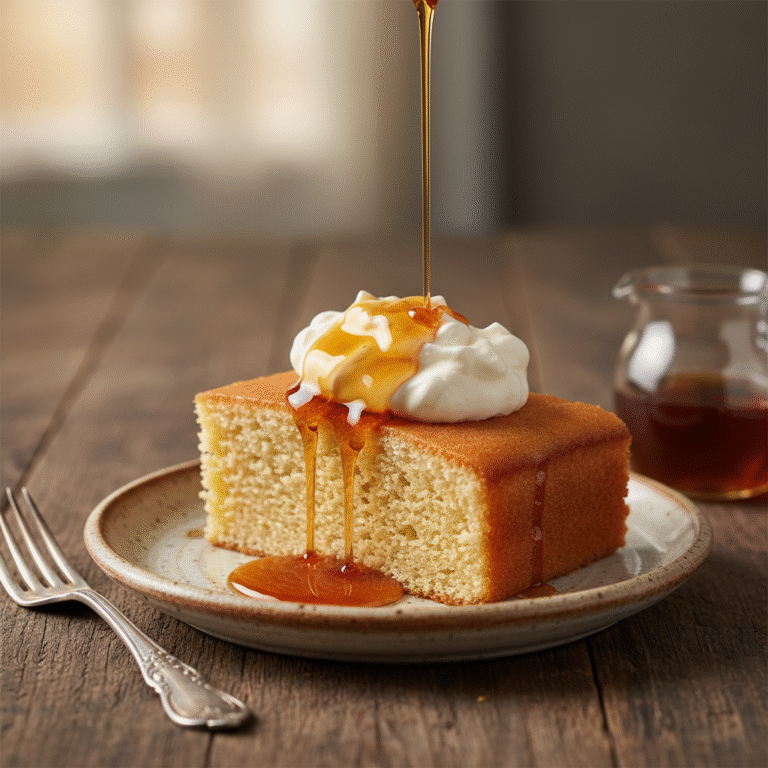
- Serve warm or at room temperature, optionally drizzled with a little extra maple syrup.
Expert Cooking Tips
- ✓Room temperature ingredients are key. Cold eggs or yogurt can cause the melted coconut oil to solidify instantly, creating a clumpy batter.
- ✓Don’t skip peeling the apples. While skins have fiber, they can become tough and separate from the cake during baking, affecting the texture.
- ✓Use real maple syrup, not pancake syrup. Pancake syrup is mostly corn syrup and lacks the acidity needed to react with the baking soda.
- ✓If the top is browning too quickly before the center is cooked, tent the pan loosely with aluminum foil for the last 15 minutes of baking.
- ✓Toss the apple chunks in a teaspoon of the flour mixture before folding them in to prevent them from sinking to the bottom of the pan.
- ✓Check your baking soda freshness. Since this recipe relies on the reaction between the acidic maple syrup and soda for lift, expired leavening will result in a dense, gummy cake.
Substitutions and Variations
This recipe is quite versatile and can accommodate several dietary needs and pantry limitations. For the flour, you can substitute white whole wheat flour or whole wheat pastry flour for a nuttier taste and higher fiber content; however, the cake will be slightly denser. For a gluten-free version, use a high-quality 1:1 gluten-free baking flour blend that contains xanthan gum. If you are out of Greek yogurt, sour cream is an excellent 1:1 substitute that provides similar richness. You can also use applesauce in a pinch, though it will change the texture significantly. For a vegan version, flax eggs (1 tbsp ground flaxseed meal + 3 tbsp water per egg) work reasonably well, and you can swap the yogurt for a dairy-free coconut yogurt or almond milk yogurt. The coconut oil can be replaced with melted butter, canola oil, or avocado oil depending on your preference. Finally, while Granny Smith apples are preferred for their tartness and firm texture, Honeycrisp, Braeburn, or Fuji apples are also excellent choices.
Common Mistakes to Avoid
The most common mistake with this cake is overmixing the batter once the flour is added. When flour meets liquid, gluten begins to form. Excessive stirring develops tough gluten strands, leading to a rubbery, dense cake rather than a tender one. Mix only until the flour disappears. Another frequent error is using the wrong type of apple; softer eating apples like Red Delicious will turn to mush and release too much water, making the cake soggy. Ensure you are measuring your flour correctly; scooping directly from the bag packs the flour down, leading to too much dry ingredient. Instead, spoon the flour into the cup and level it off. lastly, be patient with the cooling process. Because this cake is very moist and low in sugar (which acts as a structural binder), cutting it while it is piping hot can cause it to fall apart.
Serving Suggestions
This Low Sugar Apple Spice Cake is incredibly versatile in how it can be served. For a cozy breakfast, serve a warm slice alongside a cup of black coffee or a chai latte; the spices in the drink will mirror the spices in the cake. For an elevated dessert, warm the slice slightly and top it with a dollop of unsweetened whipped cream or a scoop of vanilla bean frozen yogurt. A drizzle of warm nut butter, such as almond or pecan butter, adds a savory richness that complements the maple flavor. If you are serving this at a brunch party, consider creating a ‘glaze’ by whisking a small amount of maple syrup with a pinch of cinnamon and a teaspoon of cream cheese, drizzling it over the cake just before serving for a beautiful presentation.
Storage and Reheating Tips
Due to the high moisture content from the apples and maple syrup, this cake stores best in the refrigerator if you plan to keep it for more than two days. At room temperature, it can be kept in an airtight container for up to 48 hours. In the fridge, it will stay fresh for up to 5-6 days. This cake also freezes exceptionally well. To freeze, slice the completely cooled cake into individual squares and wrap each one tightly in plastic wrap, then place them all in a heavy-duty freezer bag. They can be frozen for up to 3 months. To reheat, simply unwrap a slice and microwave it for 20-30 seconds, or let it thaw at room temperature for an hour. The gentle reheating revives the moist texture and makes the spices aromatic again.
Nutrition Facts (Estimated)
| Serving Size | 1 slice |
| Calories | 210 |
| Fat | 9g |
| Saturated Fat | 1.5g |
| Unsaturated Fat | 7g |
| Trans Fat | 0g |
| Cholesterol | 35mg |
| Sodium | 180mg |
| Carbohydrates | 28g |
| Fiber | 3g |
| Sugar | 14g |
| Protein | 5g |
Frequently Asked Questions
Can I use honey instead of maple syrup?
Yes, you can use honey, but keep in mind that honey is sweeter and has a distinct floral flavor that will change the profile of the cake. It is also thicker, so the batter might be slightly more viscous. Maple syrup is preferred for its lower viscosity and autumn flavor profile.
Why did my cake sink in the middle?
Sinking usually happens if the cake was underbaked or if the oven door was opened too early, causing a sudden temperature drop. It can also result from over-leavening (too much baking soda) or over-beating the eggs.
Can I make this into muffins instead of a cake?
Absolutely! This batter works great for muffins. Grease a standard 12-cup muffin tin or use liners. Bake at 350°F for 18-22 minutes. Check for doneness sooner than you would for the cake.
Is this cake suitable for diabetics?
While this cake is lower in refined sugars and uses maple syrup (which has a slightly lower glycemic index than white sugar), it still contains carbohydrates from the flour and fruit. It is a better option than traditional cake, but portion control is necessary. Always consult a doctor regarding specific dietary needs.
Can I add other fruits?
Pears are a wonderful substitute or addition to apples in this recipe. You could also add dried cranberries or raisins for extra texture, though this will increase the sugar content.
Do I need a stand mixer for this recipe?
No, a stand mixer is not required and actually might lead to overmixing. A simple whisk and rubber spatula are the best tools for this recipe to ensure a tender crumb.
Can I reduce the oil?
You can reduce the oil by half and replace it with more applesauce or yogurt, but the texture will become more rubbery and bread-like rather than cake-like.
What is the best way to measure the maple syrup?
Spray your measuring cup with a little non-stick cooking spray before pouring in the maple syrup. This ensures the syrup slides right out without leaving a sticky residue behind.
Conclusion
This Low Sugar Apple Spice Cake with Maple Syrup is more than just a healthier alternative to traditional desserts; it is a celebration of honest, wholesome ingredients. It proves that you don’t need cups of white sugar to create a treat that feels indulgent and satisfying. With the rustic charm of hand-chopped apples and the sophisticated sweetness of maple, it is the perfect companion for crisp autumn days and cozy winter evenings. Whether you are an experienced baker or a novice in the kitchen, this forgiving and reliable recipe is sure to become a staple in your home. So, grab your favorite mixing bowl, peel some apples, and fill your home with the heartwarming scent of spice cake. Your family—and your body—will thank you.