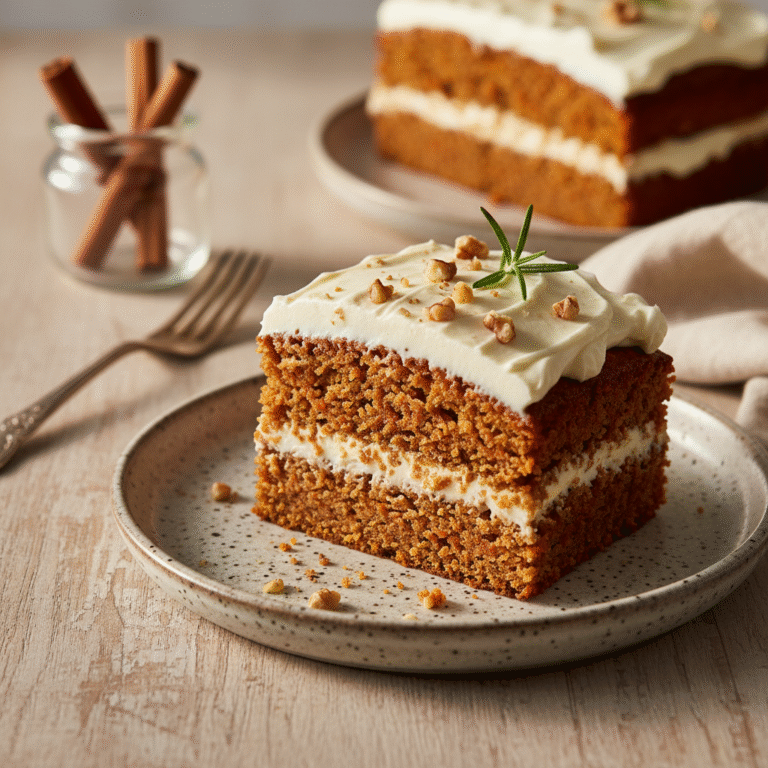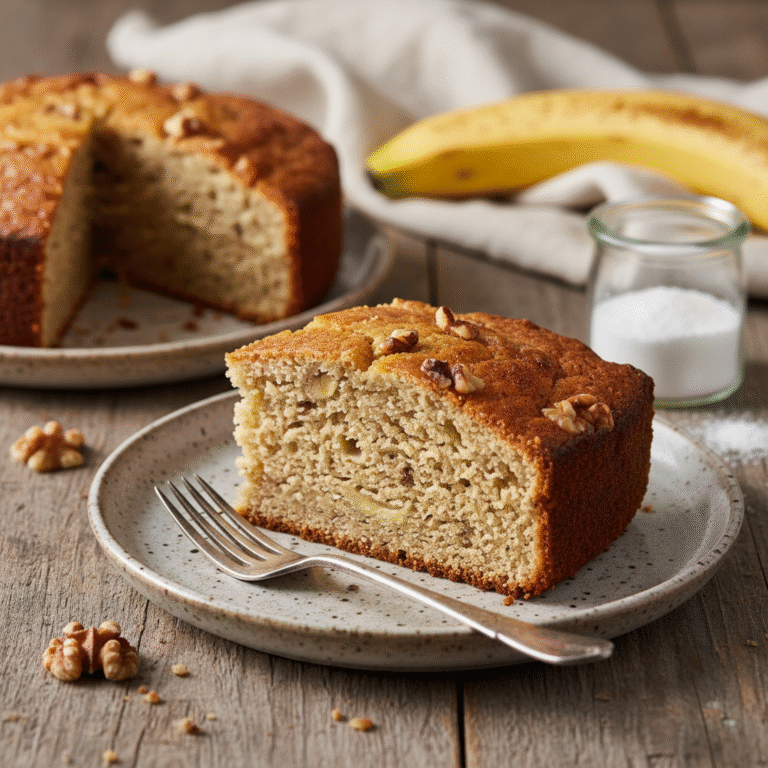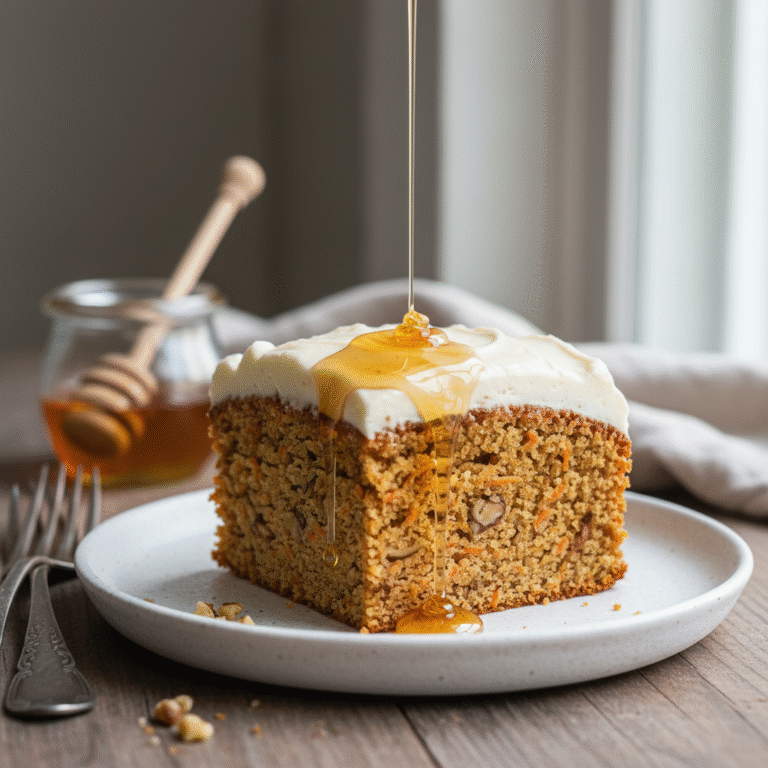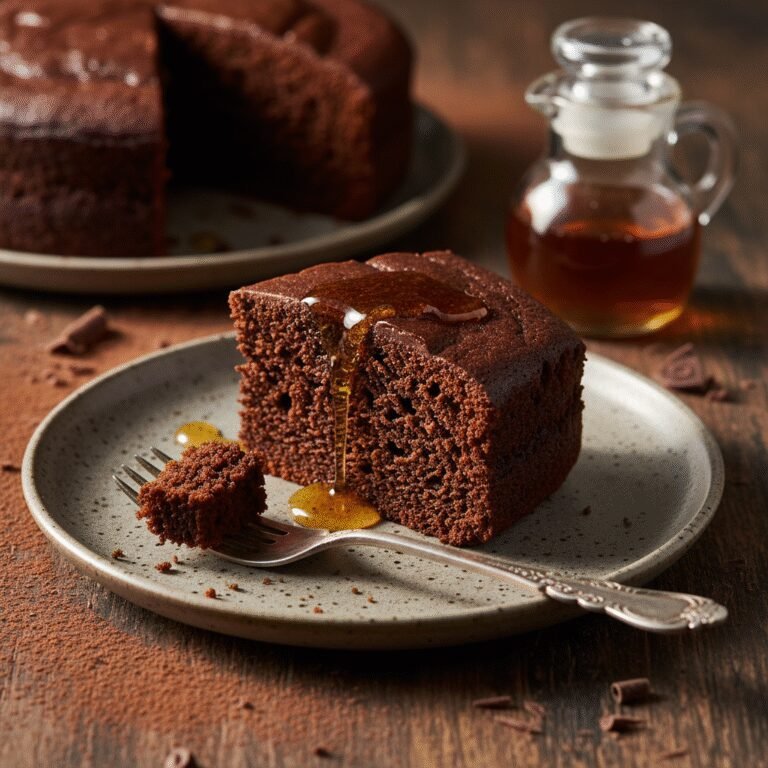
The Ultimate Moist Low Sugar Apple Spice Cake
Low Sugar Low Sugar Apple Spice Cake Recipe
Discover the perfect balance of wholesome sweetness and warm autumn spices with this incredible Low Sugar Apple Spice Cake. It is moist, fluffy, and completely guilt-free, making it the ultimate treat for health-conscious dessert lovers.
20 minutes
45 minutes
1 hour 5 minutes
12 servings
Dessert
Baking
American
Low Sugar
There is something undeniably magical about the aroma of cinnamon, nutmeg, and baked apples wafting through the kitchen. It signals the arrival of cozy sweaters, crisp air, and the comfort of home. However, for many of us watching our sugar intake, traditional apple cakes are often off-limits, laden with refined sugars and heavy syrups that lead to inevitable energy crashes. This Low Sugar Apple Spice Cake is my love letter to those who refuse to compromise on flavor while pursuing a healthier lifestyle. We have stripped away the excessive calories and the glycemic spike, replacing them with the natural sweetness of fresh apples and smart, alternative sweeteners.
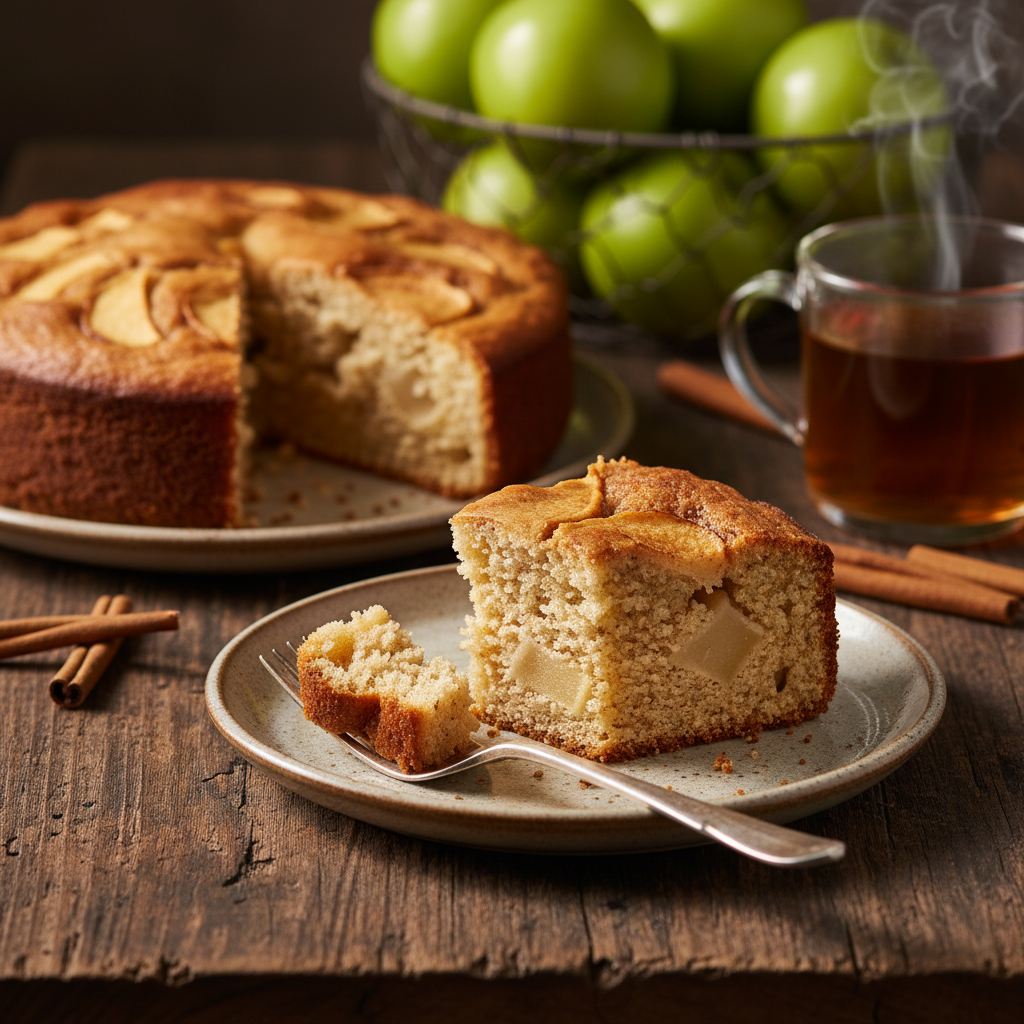
What makes this recipe truly standout is its texture. Often, low-sugar baking results in dry or rubbery crumbs, but not here. By leveraging the natural pectin and moisture content of Granny Smith and Honeycrisp apples, we achieve a tender, melt-in-your-mouth crumb that rivals any bakery standard. The spices are dialed up to eleven—a robust blend of cinnamon, cloves, ginger, and allspice creates a sensory experience that distracts the palate from the lack of refined sugar. Whether you are managing diabetes, following a keto-adjacent diet, or simply trying to cut back on sweets without losing the joy of dessert, this cake is designed for you. It is rustic enough for a Tuesday morning coffee but elegant enough to serve with a dollop of sugar-free whipped cream at a dinner party.
History & Origins
The lineage of spice cakes dates back centuries, often rooted in the availability of exotic spices along trade routes. In medieval Europe, cakes spiced with ginger, cloves, and cinnamon were symbols of wealth and status. As we moved into the 19th and 20th centuries, particularly in America, the ‘Apple Cake’ became a staple of farmhouse cooking. It was a practical way to use up the autumn harvest, ensuring that bruised or slightly overripe apples didn’t go to waste.
During the Great Depression and World War II, rationing forced home cooks to get creative. This era gave birth to ‘Wacky Cake’ and other depression-era desserts that minimized the use of butter, eggs, and sugar, relying instead on fruit purees and chemical leavening agents for structure and moisture. This recipe borrows from that resourceful tradition but updates it for the modern health landscape.
The shift towards ‘low sugar’ baking is a relatively modern phenomenon, gaining traction in the late 20th century with the rise of diabetic awareness and low-carb diets. Early iterations of sugar-free cakes were often lackluster, relying on artificial sweeteners that left bitter aftertastes. However, the culinary world has since evolved. With the advent of natural sweeteners like erythritol, monk fruit, and stevia blends, we can now replicate the chemical properties of sugar—browning and bulk—without the negative health impacts. This specific recipe honors the rustic, farmhouse tradition of the American apple cake while embracing the nutritional science of the 21st century.
Why This Recipe Works
This recipe succeeds where many low-sugar baked goods fail because it focuses on ‘moisture retention’ and ‘flavor masking.’ Sugar is hygroscopic, meaning it holds water. When you remove sugar, you usually remove moisture, leading to a dry cake. To counteract this, we utilize a high ratio of chopped apples and a touch of unsweetened applesauce. As the apples bake, they release water and pectin, which gelatinizes and keeps the crumb soft and tender days after baking.
Furthermore, we use a specific blend of almond flour and all-purpose flour (or a gluten-free 1:1 blend). Almond flour is high in natural fats, which adds richness that compensates for the lack of caramelized sugar syrup. The spice blend is also critical. Artificial or alternative sweeteners can sometimes have a ‘cooling’ effect on the tongue. Warm spices like cinnamon, ginger, and nutmeg counteract this sensation, tricking the brain into perceiving a warmer, deeper sweetness than is actually present. Finally, the use of a granulated monk fruit-erythritol blend provides the necessary bulk to the batter, ensuring the cake rises and sets with the correct structural integrity, rather than collapsing into a dense pudding.
Why You’ll Love This Recipe
- ✓Contains less than 5g of sugar per serving
- ✓Incredibly moist texture thanks to fresh apples
- ✓Diabetic-friendly and suitable for low-carb diets
- ✓Rich, aromatic spice blend perfect for Fall
- ✓Freezes beautifully for meal prep
- ✓Can be made in one bowl for easy cleanup
Equipment You’ll Need
- ✓9-inch Springform Pan or Square Baking Dish
- ✓Large Mixing Bowl
- ✓Medium Mixing Bowl
- ✓Whisk
- ✓Rubber Spatula
- ✓Apple Peeler and Corer
- ✓Measuring Cups and Spoons
- ✓Wire Cooling Rack
Ingredients
- ✓2 cups Granny Smith apples, peeled, cored, and chopped into 1/2 inch cubes
- ✓1 1/2 cups All-Purpose Flour (or Gluten-Free 1:1 Baking Flour)
- ✓1/2 cup Almond Flour (super fine)
- ✓3/4 cup Granulated Monk Fruit or Erythritol Sweetener
- ✓1/4 cup Unsweetened Applesauce
- ✓1/2 cup Unsalted Butter, melted (or Coconut Oil)
- ✓2 large Eggs, room temperature
- ✓1 tsp Pure Vanilla Extract
- ✓1 1/2 tsp Ground Cinnamon
- ✓1/2 tsp Ground Nutmeg
- ✓1/4 tsp Ground Cloves
- ✓1/4 tsp Ground Ginger
- ✓1 tsp Baking Soda
- ✓1/2 tsp Baking Powder
- ✓1/2 tsp Sea Salt
- ✓1/2 cup Chopped Walnuts or Pecans (Optional)
Instructions
- Preheat your oven to 350°F (175°C). Grease a 9-inch springform pan or square baking dish with butter or non-stick spray and line the bottom with parchment paper.
- In a medium bowl, whisk together the all-purpose flour, almond flour, baking soda, baking powder, salt, cinnamon, nutmeg, cloves, and ginger. Ensure there are no lumps of almond flour.
- In a large mixing bowl, whisk together the melted butter and granulated sweetener until well combined. Add the eggs one at a time, beating well after each addition. Stir in the vanilla extract and unsweetened applesauce.
- Gently fold the dry ingredients into the wet ingredients using a rubber spatula. Do not overmix; stir just until the flour streaks disappear.
- Fold in the chopped apples and walnuts (if using). The batter will be quite thick, almost like a cookie dough. This is normal.
- Transfer the batter to the prepared baking pan. Use the spatula to spread it evenly and smooth the top.
- Bake for 40-50 minutes, or until a toothpick inserted into the center comes out clean or with just a few moist crumbs attached. If the top browns too quickly, tent loosely with aluminum foil after the 30-minute mark.
- Remove from the oven and let the cake cool in the pan for 15 minutes. Run a knife around the edges before releasing the springform ring.
- Transfer the cake to a wire rack to cool completely before slicing. Dust with powdered sweetener if desired.
Expert Cooking Tips
- ✓Room temperature ingredients are crucial. Cold eggs can cause the melted butter to seize up, resulting in a grainy batter.
- ✓Chop the apples uniformly. Pieces that are too large will sink and cause the cake to fall apart when sliced.
- ✓Don’t skip the almond flour. It adds necessary fat and moisture that sugar-free cakes desperately need.
- ✓Check your baking soda freshness. Since this recipe relies on the acidity of the applesauce and brown sugar alternative to rise, active leavening is key.
- ✓Let it cool completely. Low sugar cakes are more fragile when warm. Letting it set ensures clean slices.
- ✓Toast the nuts beforehand if you are including them; it releases their natural oils and enhances the flavor profile.
Substitutions and Variations
This recipe is highly adaptable to various dietary needs. If you are strictly gluten-free, swap the all-purpose flour for a high-quality 1:1 Gluten-Free Baking Blend (like Bob’s Red Mill or King Arthur). Do not use coconut flour as a 1:1 sub for the wheat flour, as it absorbs far too much liquid. For a dairy-free version, substitute the butter with melted coconut oil or a neutral oil like avocado oil. If you don’t have Monk Fruit sweetener, any granulated erythritol blend (like Swerve) or Allulose will work nicely. Allulose will result in a softer, moister cake but may brown faster, so watch the oven temp. You can replace the walnuts with pecans, macadamia nuts, or even pumpkin seeds for a nut-free crunch. For the apples, Granny Smith are best for tartness, but Fuji or Honeycrisp work well for a sweeter profile.
Common Mistakes to Avoid
The most common mistake with low-sugar baking is overmixing the batter. Because we lack the tenderizing properties of copious amounts of sugar, overworking the gluten in the flour can lead to a tough, rubbery texture. Mix only until combined. Another error is under-baking. The moisture from the apples can be deceptive; the top may look done while the center is gummy. Always use the toothpick test. Additionally, using a liquid sweetener (like maple syrup or honey) instead of the granulated sweetener specified will throw off the liquid ratios and result in a soggy cake. Stick to granulated alternatives for this specific formulation. Finally, don’t cut the cake while it’s hot; without the caramelizing sugar to hold the structure, a hot cake is prone to crumbling.
Serving Suggestions
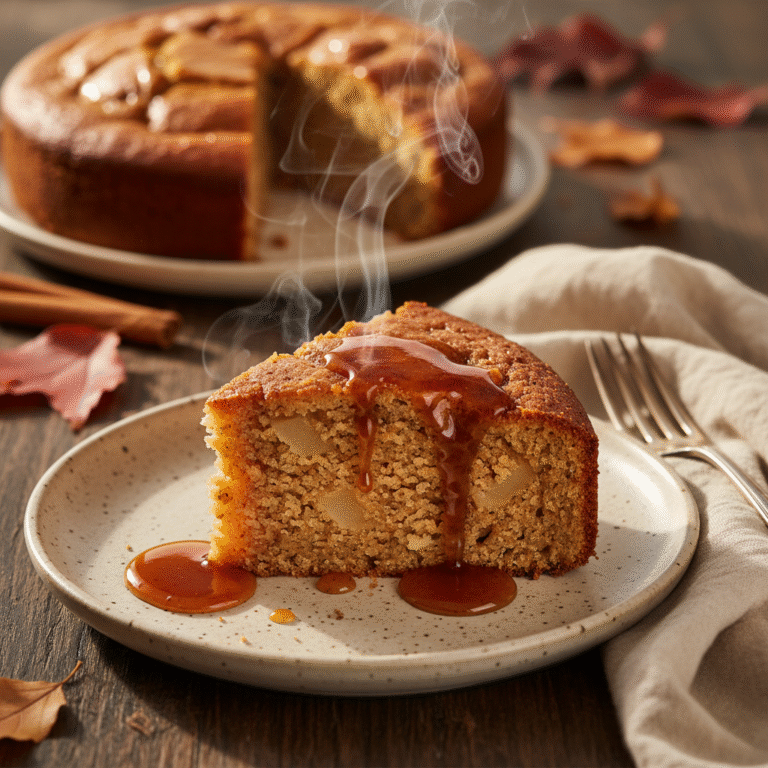
This cake is versatile enough for breakfast or dessert. For a decadent treat, serve it slightly warm with a scoop of sugar-free vanilla bean ice cream or a dollop of homemade whipped cream sweetened with stevia. A drizzle of sugar-free caramel sauce takes it to the next level. For breakfast, it pairs beautifully with a hot cup of black coffee or chai tea. You can also serve it with a side of Greek yogurt to add extra protein. If you are hosting a gathering, garnish the plate with a cinnamon stick and a few thin slices of fresh apple for a professional presentation.
Storage and Reheating Tips
Because of the high moisture content from the apples, this cake is best stored in the refrigerator if you plan to keep it for more than 2 days. At room temperature, keep it in an airtight container for up to 48 hours. In the fridge, it will last up to 5-6 days. This cake also freezes exceptionally well. Wrap individual slices tightly in plastic wrap and then place them in a freezer-safe bag. They can be frozen for up to 3 months. To reheat, simply unwrap and microwave a slice for 20-30 seconds, or let it thaw on the counter for an hour. The flavors often meld and improve a day after baking.
Nutrition Facts (Estimated)
| Serving Size | 1 slice |
| Calories | 185 |
| Fat | 10g |
| Saturated Fat | 3g |
| Unsaturated Fat | 6g |
| Trans Fat | 0g |
| Cholesterol | 35mg |
| Sodium | 150mg |
| Carbohydrates | 18g |
| Fiber | 4g |
| Sugar | 4g |
| Protein | 5g |
Frequently Asked Questions
Can I use brown sugar substitute instead of white granulated?
Yes! A brown sugar alternative (like Swerve Brown or Lakanto Golden) works wonderfully and actually adds a deeper, molasses-like flavor that complements the spices.
Why did my cake sink in the middle?
This usually happens if the cake was under-baked or if the oven door was opened too early during the baking process. Ensure the center is fully set before removing it.
Can I leave the peel on the apples?
Technically yes, but for the best texture, peeling is recommended. The skins can become tough and separate from the apple flesh during baking.
Is this cake keto-friendly?
It is low carb, but the apples and all-purpose flour add some carbs. For a strict Keto version, you would need to replace the AP flour entirely with almond flour, though the texture will be denser.
Can I make this into muffins instead?
Absolutely. This batter works great for muffins. Reduce the baking time to 20-25 minutes at the same temperature.
What is the best apple variety to use?
Granny Smith is the gold standard for baking because it holds its shape and provides a tart contrast. Honeycrisp or Braeburn are excellent sweeter alternatives.
Can I add raisins or dried cranberries?
Yes, you can fold in up to 1/2 cup of dried fruit, but be aware this will increase the natural sugar content of the cake.
Why does the cake taste ‘cool’?
This is a common effect of erythritol. To minimize this, use a Monk Fruit blend and ensure your spice measurements are accurate, as the spices mask the cooling sensation.
Conclusion
Baking with less sugar doesn’t mean you have to sacrifice the cozy, heartwarming feelings that come with a slice of homemade cake. This Low Sugar Apple Spice Cake proves that with the right ingredients and techniques, you can have your cake and eat it too—literally. It captures the essence of the harvest season in every bite, offering a wholesome alternative that satisfies the sweet tooth without the sugar crash. Whether you are baking for a special dietary need or just want a healthier option for your family, this recipe is sure to become a rotating favorite in your kitchen. Happy baking!