The Ultimate Low Carb Keto Chocolate Cake With Erythritol: Moist, Fudgy, and Sugar-Free
Low Carb Keto Chocolate Cake With Erythritol Recipe
Satisfy your deepest chocolate cravings without the guilt! This ultra-moist Low Carb Keto Chocolate Cake uses erythritol for perfect sweetness and almond flour for a tender crumb. It’s the ultimate sugar-free dessert that even non-keto friends will devour.
20 minutes
30 minutes
50 minutes
12 servings
Dessert
Baking
American
Ketogenic
If you have been following a ketogenic lifestyle for any length of time, you know that the craving for a truly decadent, moist slice of chocolate cake can be overwhelming. Most low-carb alternatives promise the world but deliver a dry, egg-heavy, or cardboard-like texture that leaves you wanting more. That ends today. This Low Carb Keto Chocolate Cake with Erythritol is a game-changer in the world of sugar-free baking. We aren’t just making a passable substitute; we are creating a dessert that stands on its own merits as a culinary masterpiece. The secret lies in balancing the unique properties of erythritol with the right blend of healthy fats and low-carb flours. Unlike traditional sugar, which provides structure and moisture, erythritol behaves differently in the oven. By understanding this chemistry, we’ve developed a recipe that retains that coveted fudgy texture without the insulin spike.
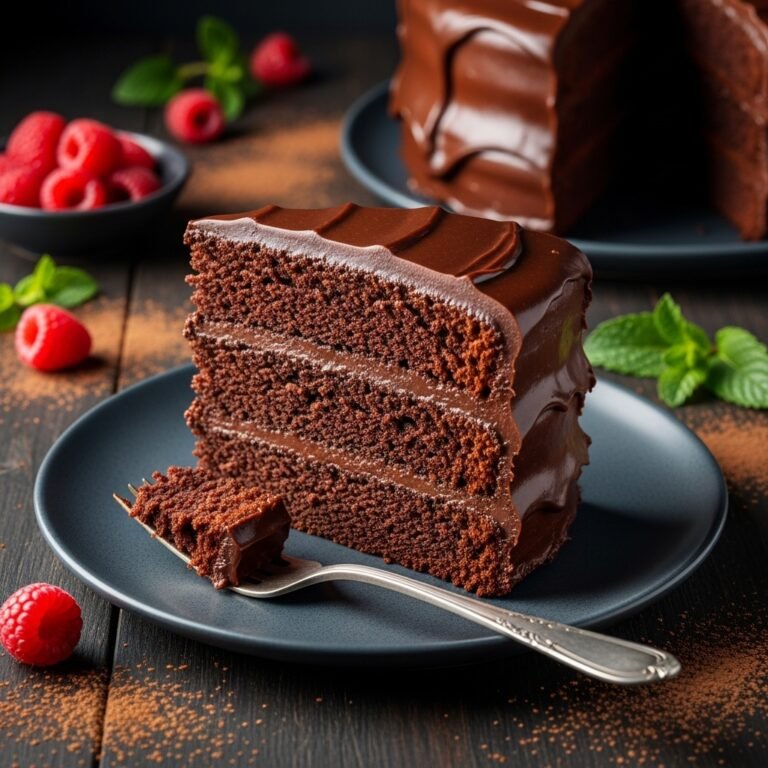
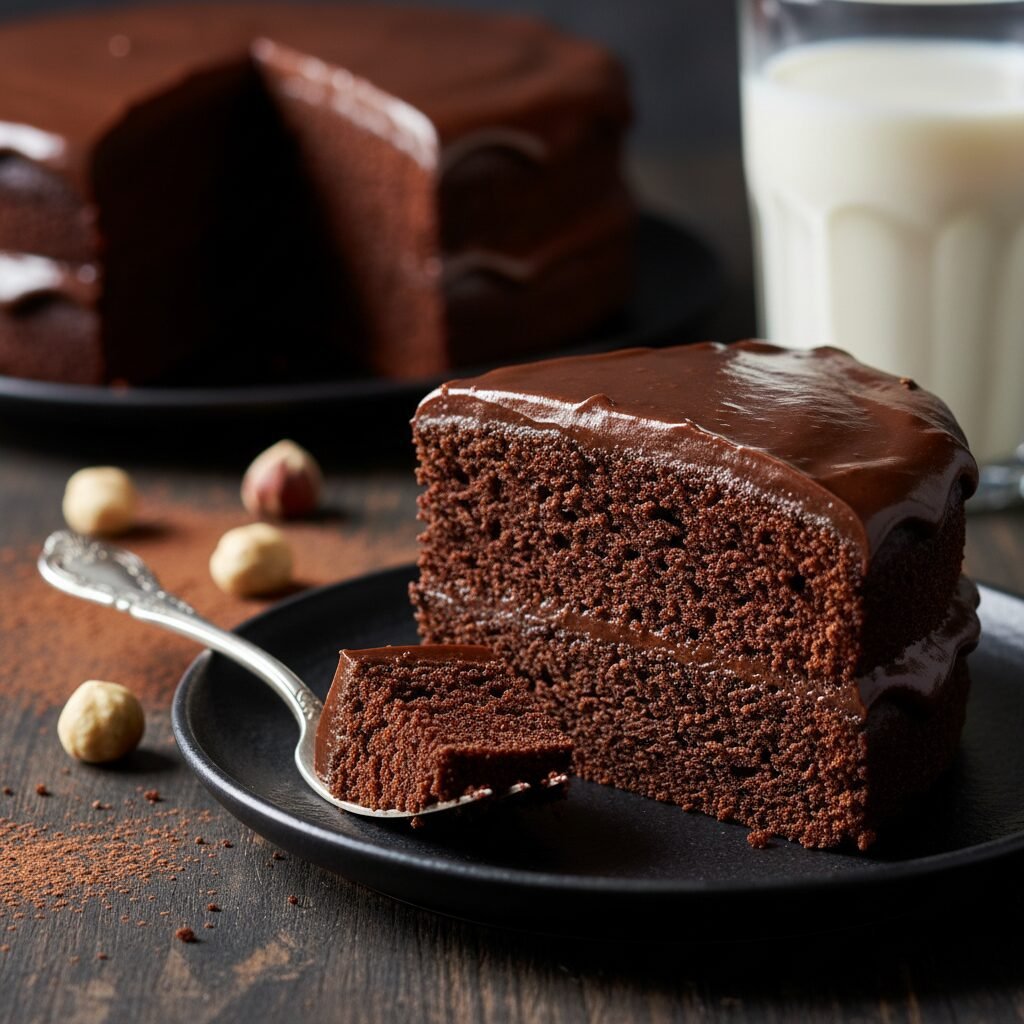
Imagine sinking your fork into a rich, dark chocolate sponge that is tender, airy, yet satisfyingly dense. The flavor profile is deep and complex, relying on high-quality cocoa powder to deliver robust chocolate notes that mask the cooling sensation sometimes associated with sugar alcohols. This cake is perfect for birthdays, anniversaries, or just a Tuesday night when you need a chocolate fix. We’ve tested this recipe dozens of times to ensure that the crumb holds together perfectly—no crumbling mess here. Whether you are a seasoned keto veteran or just looking to reduce your sugar intake, this cake proves that you don’t have to sacrifice flavor for health. It pairs beautifully with sugar-free whipped cream or a handful of fresh raspberries, making it a versatile centerpiece for any gathering.
History & Origins
The history of chocolate cake is a journey that spans centuries, evolving from a drink to the fluffy confections we know today. While the cacao bean has been consumed for thousands of years, primarily by Mesoamerican civilizations like the Maya and Aztecs, it wasn’t until 1764, when Dr. James Baker discovered how to make chocolate by grinding cocoa beans between massive circular millstones, that the potential for baking began to emerge. However, the chocolate cake as we recognize it didn’t truly take form until the late 19th century. Before this, ‘chocolate cake’ often referred to a yellow cake served with a chocolate drink on the side. The introduction of baking powder and the mass production of cocoa powder in the 1880s revolutionized home baking, leading to the creation of the first true chocolate cakes, including the famous Devil’s Food Cake.
Fast forward to the late 20th and early 21st centuries, and a new dietary revolution began to take hold. The rise of the Atkins diet, and subsequently the Ketogenic diet, challenged the sugar-laden norms of traditional baking. As people began to understand the impact of carbohydrates on blood sugar and overall health, the demand for low-carb alternatives skyrocketed. This necessitated the discovery and popularization of alternative sweeteners. Erythritol, the star sweetener in this recipe, was actually discovered in 1848 by Scottish chemist John Stenhouse. It occurs naturally in some fruits and fermented foods. However, it wasn’t until the 1990s that it became commercially available in Japan, and later in the US, as a zero-calorie sweetener. Today, the intersection of historic chocolate cake traditions and modern food science allows us to create this Keto Chocolate Cake—a modern classic that pays homage to the rich history of chocolate while embracing the health-conscious future of baking.
Why This Recipe Works
Baking without gluten and sugar is often described as more science than art, and this recipe is a testament to that balance. The primary reason this specific recipe works so well is the careful management of moisture and structure. In traditional baking, sugar is hygroscopic, meaning it attracts and holds water, keeping cakes moist. Erythritol, while an excellent sweetener that doesn’t spike blood sugar, does not hold moisture in the same way and can sometimes recrystallize upon cooling, leading to a crunchy texture. To combat this, we utilize a specific ratio of almond flour to fat. Almond flour is naturally high in fat, which helps coat the proteins and starch-free fibers, simulating the tenderness usually achieved by gluten.
Furthermore, we incorporate a high volume of eggs and high-quality butter (or coconut oil). The eggs provide the necessary structure and lift—acting as the scaffolding for the cake—since there is no gluten network to hold the air bubbles. We also use boiling water or hot coffee in the batter; this technique, often used in traditional chocolate cakes, ‘blooms’ the cocoa powder. Blooming releases the cocoa butter within the powder and intensifies the chocolate flavor, while also helping to dissolve the erythritol more effectively before baking, significantly reducing the ‘cooling effect’ and grittiness. Finally, the addition of a small amount of baking powder ensures a consistent rise, preventing the cake from becoming a dense brick, which is a common pitfall in almond flour baking.
Why You’ll Love This Recipe
- ✓Only 3g net carbs per slice
- ✓Uses erythritol for zero sugar impact
- ✓Incredibly moist and fudgy texture
- ✓Gluten-free and grain-free
- ✓Rich, deep chocolate flavor without the bitterness
- ✓Easy one-bowl preparation method
Equipment You’ll Need
- ✓Two 8-inch round cake pans
- ✓Large mixing bowl
- ✓Electric hand mixer or stand mixer
- ✓Whisk
- ✓Rubber spatula
- ✓Parchment paper
- ✓Cooling rack
- ✓Measuring cups and spoons
Ingredients
- ✓2 cups Almond Flour (blanched, super fine)
- ✓1/3 cup Coconut Flour
- ✓3/4 cup Unsweetened Cocoa Powder (Dutch-processed preferred)
- ✓1 1/2 cups Granulated Erythritol
- ✓2 tsp Baking Powder
- ✓1/2 tsp Baking Soda
- ✓1/2 tsp Salt
- ✓4 large Eggs, room temperature
- ✓1/2 cup Unsalted Butter, melted (or coconut oil)
- ✓1/2 cup Unsweetened Almond Milk, room temperature
- ✓2 tsp Vanilla Extract
- ✓1/2 cup Boiling Water (or hot brewed coffee)
Instructions
- Preheat your oven to 350°F (175°C). Grease two 8-inch round cake pans with butter or cooking spray and line the bottoms with parchment paper to ensure easy removal.
- In a large mixing bowl, whisk together the dry ingredients: almond flour, coconut flour, cocoa powder, erythritol, baking powder, baking soda, and salt. Ensure there are no lumps, especially in the almond flour.
- Add the eggs, melted butter (or oil), almond milk, and vanilla extract to the dry ingredients. Using an electric mixer on medium speed, beat for about 1-2 minutes until the batter is smooth and uniform.
- Reduce the mixer speed to low and carefully pour in the boiling water (or hot coffee). Beat for another minute until combined. The batter will appear thin and liquidy; this is normal and necessary for a moist cake.
- Divide the batter evenly between the two prepared cake pans. Tap the pans gently on the counter to release any large air bubbles.
- Bake in the preheated oven for 25-30 minutes. Test for doneness by inserting a toothpick into the center of the cake; it should come out clean or with just a few moist crumbs attached.
- Remove the cakes from the oven and let them cool in the pans for at least 15-20 minutes. This step is crucial as keto cakes are very fragile when hot.
- Gently run a knife around the edges of the pans, then invert the cakes onto a wire cooling rack to cool completely before frosting.
Expert Cooking Tips
- ✓Room temperature ingredients are key; cold eggs can cause the melted butter to solidify instantly, creating a lumpy batter.
- ✓Do not skip the parchment paper; almond flour cakes can stick more stubbornly than wheat cakes.
- ✓If you dislike the cooling sensation of erythritol, try using a ‘powdered’ version or a monk fruit/erythritol blend.
- ✓Hot coffee enhances chocolate flavor significantly without making the cake taste like coffee.
- ✓Let the cake cool completely before frosting; warm keto cakes will melt the frosting and may crumble.
- ✓Sift your cocoa powder and almond flour to ensure the texture is silky smooth.
- ✓Weigh your ingredients if possible; packing almond flour into cups can lead to a dry cake.
Substitutions and Variations
This recipe is versatile, but keto baking requires specific chemistry. If you need to substitute the almond flour, sunflower seed flour is the best 1:1 alternative for a nut-free option; however, do not try to substitute coconut flour with anything else as its absorbency is unique. For the fat source, you can swap the butter for melted coconut oil or avocado oil for a dairy-free version. If you prefer not to use pure erythritol, a monk fruit sweetener blend works excellently and is often a 1:1 swap. Xylitol is another option that keeps cakes very moist, but be aware it is toxic to dogs and has a higher carb count than erythritol. For the liquid, heavy cream can be used instead of almond milk for a richer cake, or hemp milk for a nut-free dairy-free option.
Common Mistakes to Avoid
The most common mistake with keto baking is over-baking. Because almond flour doesn’t brown the same way wheat flour does, it can be hard to tell visually when it’s done. Always trust the toothpick test. Another mistake is cutting into the cake too soon. Keto flours need time to set as they cool; cutting a hot cake will result in a crumbling disaster. Additionally, using coarse almond meal instead of super-fine blanched almond flour will result in a gritty, heavy texture rather than a light cake. Finally, ensure your baking powder is fresh; without gluten, we rely heavily on chemical leavening for lift.
Serving Suggestions
This cake is rich and decadent on its own, but it shines when dressed up. Serve a slice with a dollop of homemade sugar-free whipped cream (sweetened with powdered erythritol) and a few fresh raspberries or strawberries to cut through the richness. For a true indulgence, pour a keto-friendly chocolate ganache over the top, made from sugar-free dark chocolate chips and heavy cream. It also pairs wonderfully with a hot cup of bulletproof coffee or an unsweetened almond milk latte.
Storage and Reheating Tips
Store leftover cake in an airtight container in the refrigerator for up to 5 days. The cold actually helps firm up the texture, making it even fudgier. If you want to keep it longer, this cake freezes beautifully. Wrap individual slices tightly in plastic wrap and then place them in a freezer-safe bag. They can be frozen for up to 3 months. To thaw, simply leave a slice in the fridge overnight or on the counter for an hour. Avoid microwaving for too long as it can melt the erythritol and make the texture rubbery.
Nutrition Facts (Estimated)
| Serving Size | 1 slice |
| Calories | 245 |
| Fat | 21g |
| Saturated Fat | 8g |
| Unsaturated Fat | 12g |
| Trans Fat | 0g |
| Cholesterol | 85mg |
| Sodium | 180mg |
| Carbohydrates | 6g |
| Fiber | 3g |
| Sugar | 0.5g |
| Protein | 7g |
Frequently Asked Questions
Can I use stevia instead of erythritol?
Pure stevia is much sweeter than sugar and lacks the bulk needed for this cake. If you use stevia, you must use a baking blend that measures 1:1 with sugar, otherwise, the volume of the cake will be too low.
Why did my cake sink in the middle?
This usually happens if the cake was underbaked or if the oven door was opened too early during baking, causing a sudden temperature drop. It can also happen if too much baking powder was used.
Can I make this into cupcakes?
Absolutely! This batter makes excellent cupcakes. Line a muffin tin with liners and bake for 18-22 minutes at the same temperature.
Does this cake taste like coconut?
Even though it contains coconut flour, the strong cocoa powder and vanilla extract mask the coconut flavor almost entirely.
How do I get rid of the ‘cooling effect’ of erythritol?
Using a powdered version of erythritol helps it dissolve better. Also, mixing the sweetener with the fats first, or using a blend with monk fruit, significantly reduces the cooling sensation.
Is this cake dairy-free?
It can be! Simply swap the butter for coconut oil and ensure your almond milk is unsweetened and dairy-free.
What frosting goes best with this?
A keto cream cheese frosting or a chocolate avocado mousse works best. Avoid sugary glazes.
Can I use regular flour?
No, this recipe relies on the moisture content and lack of gluten in almond flour. Using regular flour would require completely different liquid ratios.
Conclusion
Embarking on a low-carb journey doesn’t mean saying goodbye to the joys of baking. This Low Carb Keto Chocolate Cake with Erythritol is proof that with the right ingredients and techniques, you can enjoy a dessert that is both nutritious and indistinguishable from its high-sugar counterparts. We hope this recipe becomes a staple in your kitchen, bringing joy to your celebrations and satisfying those late-night chocolate cravings. Happy baking, and enjoy every guilt-free bite!