Ultimate Fresh Coconut Lime Cake With Juicy Summer Berries
Fresh Coconut Lime Cake With Fresh Berries Recipe
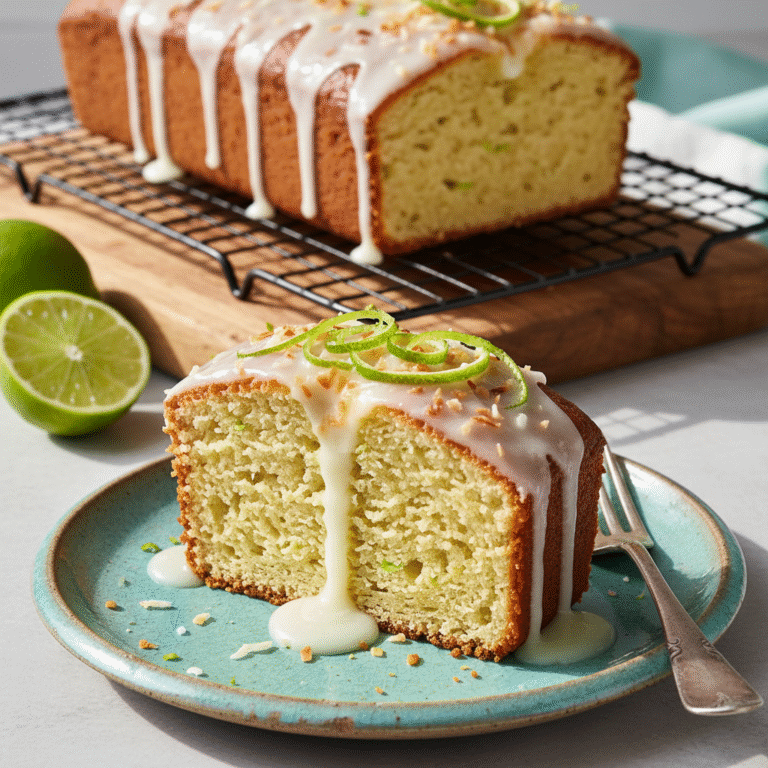
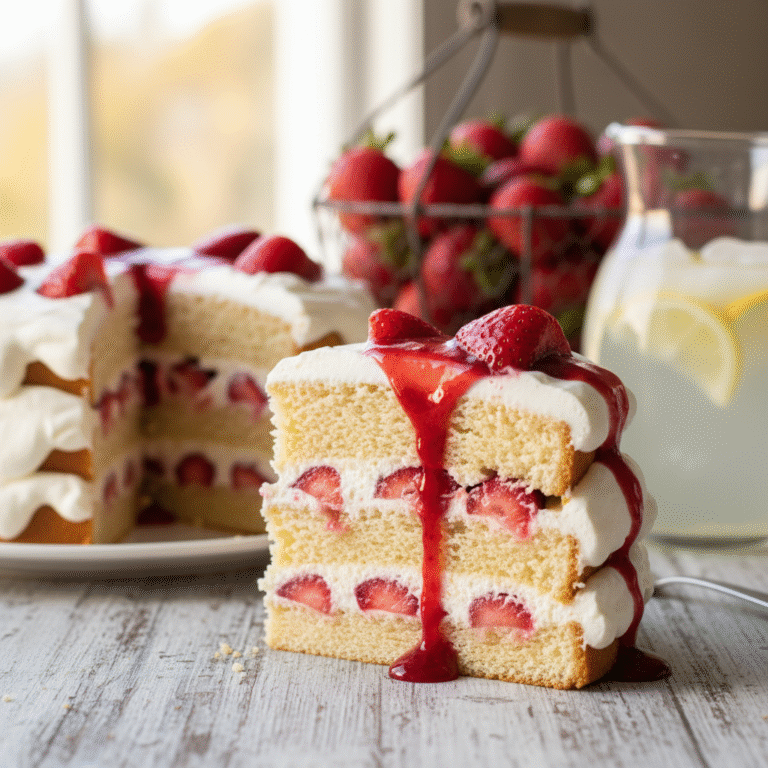
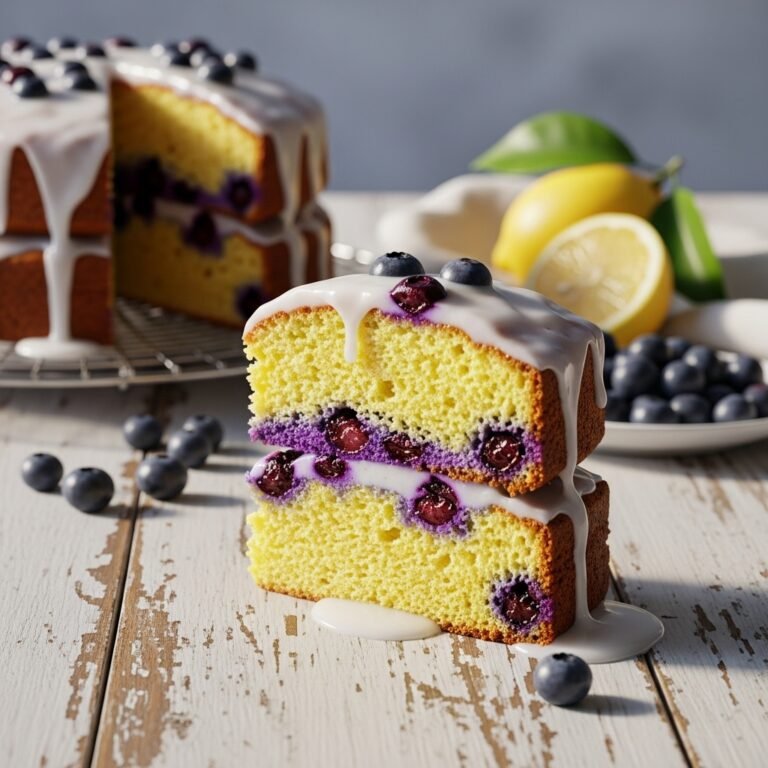
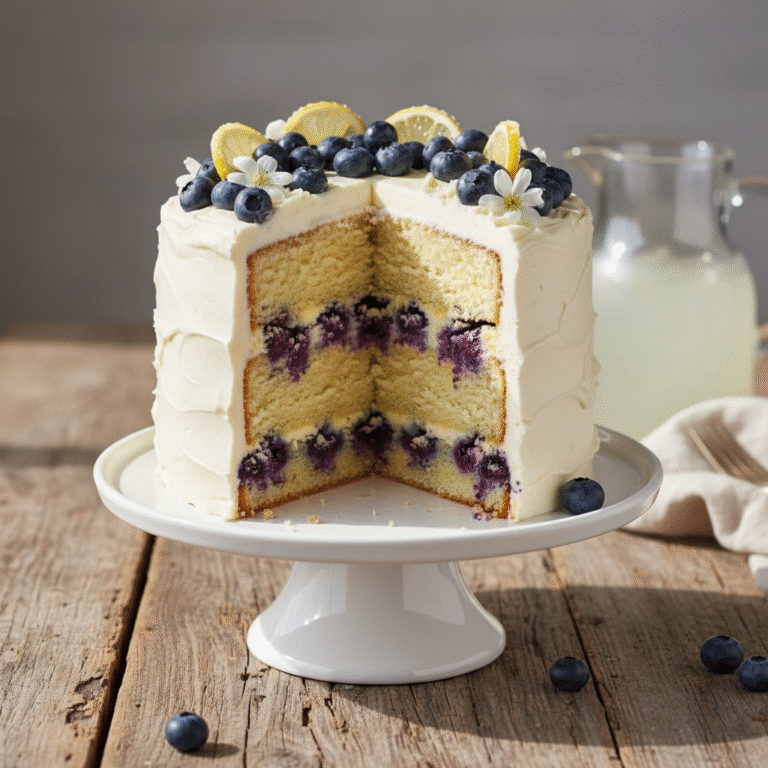
This show-stopping Fresh Coconut Lime Cake is the epitome of summer indulgence, featuring moist, tender layers infused with tropical coconut and zesty lime. Topped with a mountain of vibrant fresh berries and a luscious cream cheese frosting, it is the perfect balance of sweet, tart, and refreshing.
40 minutes
35 minutes
1 hour 15 minutes
12-14 servings
Dessert
Baking
American / Tropical
Vegetarian
Imagine taking a bite of sunshine—that is exactly what this Fresh Coconut Lime Cake with Fresh Berries delivers. As a food blogger who lives for the vibrant flavors of summer, I believe there is nothing quite as satisfying as a dessert that balances rich, buttery indulgence with the bright, cleansing acidity of citrus. This cake is a love letter to warm weather, garden parties, and the joy of seasonal baking. The base is an incredibly tender crumb, achieved by using full-fat coconut milk and sour cream, which ensures the cake remains moist for days. We infuse the sugar with fresh lime zest before creaming it with the butter, a technique that releases the essential oils and permeates every single bite with an aromatic citrus punch.
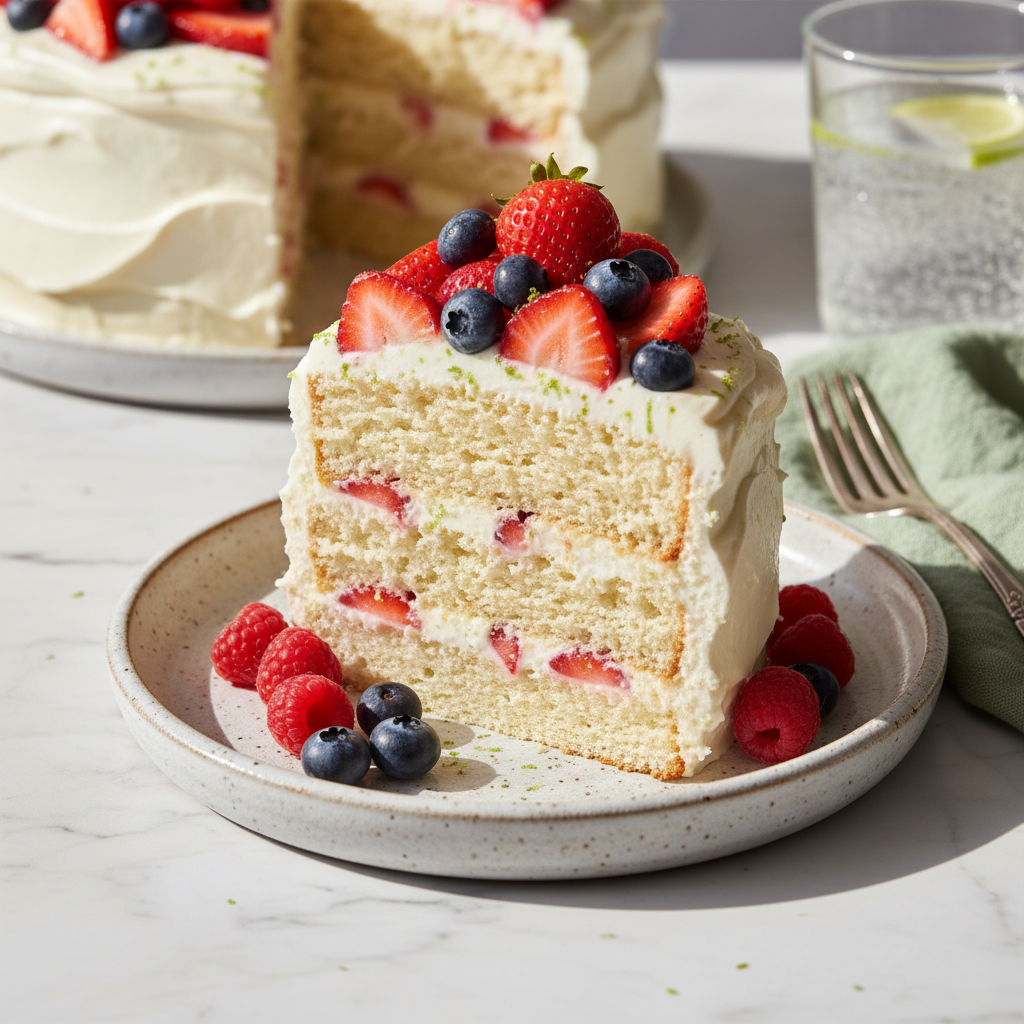
But the magic doesn’t stop at the cake layers. The frosting is a tangy lime-infused cream cheese buttercream that cuts through the sweetness of the coconut, creating a sophisticated flavor profile that appeals to both adults and children. Finally, the crown jewel of this dessert is the abundance of fresh berries—strawberries, blueberries, raspberries, and blackberries—piled high on top. Their natural tartness and juiciness provide a textural contrast that makes this cake feel light and refreshing rather than heavy. Whether you are hosting a backyard barbecue, a bridal shower, or simply craving a slice of paradise, this recipe is designed to impress visually and gastronomically. It is not just a cake; it is a centerpiece that celebrates the best produce the season has to offer.
History & Origins
The history of the coconut cake is deeply rooted in the American South, where it has been a staple of hospitality and celebration since the 19th century. Early versions of coconut cake appeared shortly after the importation of coconuts from the Caribbean to Southern ports became more reliable. In those days, preparing a coconut was a labor-intensive process involving cracking, draining, and grating fresh meat by hand. Because of the effort involved, these cakes were reserved for high holidays, weddings, and significant community gatherings, earning them a reputation as a luxury item. The traditional Southern coconut cake typically featured a ‘seven-minute frosting’ or a boiled icing, dusted heavily with fresh coconut shavings.
As culinary trends evolved through the 20th century, bakers began experimenting with flavor pairings to modernize this classic. The introduction of lime is a nod to the tropical origins of the coconut itself, drawing inspiration from Caribbean and Southeast Asian flavor palettes where coconut and lime are inextricably linked. The acidity of the lime was found to be the perfect foil for the richness of the coconut meat and the sweetness of the cake batter. In recent decades, the ‘naked cake’ trend and a shift towards using fresh, whole-food garnishes led to the popularity of topping cakes with mounds of fresh fruit rather than fondant or marzipan decorations. This specific iteration—combining the Southern tradition of a rich coconut cake with the zest of Key lime pie and the freshness of a fruit tart—represents a modern fusion of regional American baking history and contemporary fresh-market trends.
Why This Recipe Works
This recipe succeeds where many others fail because it meticulously balances moisture, structure, and flavor intensity. Many coconut cakes suffer from being too dry or having an artificial sunscreen-like flavor. We avoid this by using a three-pronged approach to moisture: unsalted butter for flavor, vegetable oil for lasting tenderness (as oil remains liquid at room temperature), and full-fat canned coconut milk combined with sour cream. The acidity in the sour cream and the lime juice not only adds flavor but also tenderizes the gluten strands in the flour, resulting in a velvety, melt-in-your-mouth texture.
Flavor-wise, the technique of ‘massaging’ the lime zest into the granulated sugar before mixing is crucial. Sugar crystals act as an abrasive, tearing open the zest’s cells to release potent essential oils that would otherwise be lost. This ensures the lime flavor is baked into the very structure of the cake, not just added as an afterthought. Furthermore, the choice of a cream cheese-based frosting rather than a standard American buttercream provides a necessary tang that prevents the dessert from becoming cloyingly sweet. The fresh berries are not merely a garnish; their juice, which slightly seeps into the frosting, adds a third dimension of acidity and freshness that cleanses the palate between bites.
Why You’ll Love This Recipe
- ✓Incredibly moist texture thanks to coconut milk and sour cream.
- ✓Natural citrus flavor from fresh lime zest rubbed into the sugar.
- ✓Visually stunning presentation with a mound of jewel-toned berries.
- ✓Perfect balance of sweet coconut and tart lime.
- ✓Stays fresh and moist for days in the refrigerator.
Equipment You’ll Need
- ✓Three 8-inch round cake pans
- ✓Stand mixer or electric hand mixer
- ✓Large mixing bowls
- ✓Whisk
- ✓Rubber spatula
- ✓Microplane or zester
- ✓Wire cooling rack
- ✓Offset spatula for frosting
Ingredients
- ✓3 cups cake flour, sifted
- ✓1 tablespoon baking powder
- ✓1/2 teaspoon salt
- ✓1 cup unsalted butter, room temperature
- ✓2 cups granulated sugar
- ✓1/4 cup vegetable oil
- ✓4 large eggs, room temperature
- ✓2 teaspoons pure vanilla extract
- ✓1 teaspoon coconut extract (optional)
- ✓1 cup full-fat canned coconut milk
- ✓1/2 cup sour cream
- ✓Zest of 3 limes
- ✓1 cup sweetened shredded coconut
- ✓For the Frosting: 16 oz cream cheese, softened
- ✓1 cup unsalted butter, softened
- ✓6 cups powdered sugar
- ✓2 tablespoons fresh lime juice
- ✓Topping: 3 cups mixed fresh berries (strawberries, blueberries, raspberries)
Instructions
- Preheat your oven to 350°F (175°C). Grease three 8-inch round cake pans with butter, line the bottoms with parchment paper, and dust with flour to prevent sticking.
- In a medium bowl, whisk together the sifted cake flour, baking powder, salt, and shredded coconut. Set aside.
- In the bowl of a stand mixer, combine the granulated sugar and lime zest. Use your fingers to rub the zest into the sugar until it becomes fragrant and resembles wet sand. Add the room temperature butter and beat on medium-high speed for about 5 minutes until pale and fluffy.
- Lower the mixer speed and drizzle in the vegetable oil. Add the eggs one at a time, beating well after each addition. Scrape down the sides of the bowl. Stir in the vanilla and coconut extracts.
- In a small jug, whisk together the coconut milk and sour cream.
- With the mixer on low speed, add the dry ingredients in three batches, alternating with the coconut milk mixture, beginning and ending with the dry ingredients. Mix only until just combined; do not overmix.
- Divide the batter evenly among the three prepared cake pans. Smooth the tops with a spatula.
- Bake for 30-35 minutes, or until a toothpick inserted into the center comes out clean or with just a few moist crumbs. The cakes should spring back when lightly touched.
- Remove from the oven and let the cakes cool in the pans for 10 minutes. Then, invert them onto a wire rack to cool completely before frosting.
- To make the frosting: Beat the softened cream cheese and butter together until completely smooth and creamy. Gradually add the powdered sugar, one cup at a time. Finally, mix in the lime juice and beat on high for 2 minutes until airy.
- Assemble the cake: Place one cake layer on a serving plate. Spread a layer of frosting on top. Repeat with the second and third layers. Frost the outside of the cake with a thin crumb coat, chill for 20 minutes, then apply the final thick layer of frosting.
- Just before serving, pile the fresh mixed berries high on top of the cake. Garnish with extra lime zest if desired.
Expert Cooking Tips
- ✓Ensure all dairy ingredients (butter, eggs, sour cream, milk) are at room temperature to prevent the batter from curdling.
- ✓Do not skip the step of rubbing the lime zest into the sugar; it significantly amplifies the citrus flavor.
- ✓Use full-fat canned coconut milk (usually found in the Asian food aisle), not the coconut milk beverage found in the dairy aisle, for the richest texture.
- ✓Be careful not to overmix the batter once the flour is added, or the cake will become dense and tough.
- ✓Wash and thoroughly dry the berries before topping the cake; excess water can make the frosting runny.
Substitutions and Variations
If you cannot find cake flour, you can make a substitute by measuring 1 cup of all-purpose flour, removing 2 tablespoons, and replacing them with 2 tablespoons of cornstarch. Sift this mixture twice before using. For a dairy-free version, substitute the butter with a high-quality plant-based butter block and use a dairy-free cream cheese alternative; replace the sour cream with a dairy-free yogurt or coconut cream. If you prefer a less sweet cake, you can reduce the sugar in the batter by 1/4 cup without significantly affecting the structure. Lemon zest can be used in place of lime for a ‘Coconut Lemon’ variation. If fresh berries are out of season, you can use a fruit compote between the layers, though fresh fruit is best for the top garnish to avoid sogginess.
Common Mistakes to Avoid
A frequent mistake is using cold ingredients, which prevents the batter from emulsifying properly and leads to a dense cake. Another common error is opening the oven door too early to check on the cake, which can cause the center to sink due to the sudden drop in temperature. Make sure to use the ‘spoon and level’ method when measuring flour if you don’t have a scale; scooping directly from the bag often packs too much flour into the cup, resulting in a dry cake. Finally, rushing the cooling process is a disaster waiting to happen—frosting a warm cake will cause the buttercream to melt and slide right off.
Serving Suggestions
This cake is a showstopper on its own, but it pairs beautifully with a scoop of coconut sorbet or vanilla bean ice cream if you want to be extra indulgent. Serve it with a chilled glass of prosecco or a lime-infused iced tea to complement the citrus notes. For a summer garden party, slice the cake generously and serve it on floral china. If you are serving this for a birthday, consider adding edible flowers like hibiscus or pansies among the berries for an elegant, professional touch.
Storage and Reheating Tips
Because of the cream cheese frosting and fresh fruit, this cake must be stored in the refrigerator. It can be kept at room temperature for up to 2 hours for serving. Store leftovers in an airtight cake carrier or cover the cut sections with plastic wrap to keep them moist. The cake will last for up to 4 days in the fridge. If you wish to freeze it, it is best to freeze the cake layers unfrosted. Wrap each layer tightly in plastic wrap and then foil; they will keep for up to 3 months. Thaw in the fridge overnight before frosting. If freezing a frosted cake, do so without the berries, as they will become mushy upon thawing.
Nutrition Facts (Estimated)
| Serving Size | 1 slice |
| Calories | 580 |
| Fat | 32g |
| Saturated Fat | 18g |
| Unsaturated Fat | 12g |
| Trans Fat | 0g |
| Cholesterol | 85mg |
| Sodium | 310mg |
| Carbohydrates | 68g |
| Fiber | 3g |
| Sugar | 42g |
| Protein | 6g |
Frequently Asked Questions
Can I make this cake ahead of time?
Yes, the cake layers can be baked up to 2 days in advance. Wrap them tightly in plastic wrap and store them in the fridge. Assemble and frost the cake on the day of serving or the night before.
Can I use sweetened flaked coconut instead of shredded?
Yes, sweetened flaked coconut works well. If you find the flakes are too long, you can pulse them briefly in a food processor to get a finer texture that incorporates better into the batter.
Why did my cake sink in the middle?
This usually happens if the oven door was opened too early, the baking powder was expired, or the batter was overmixed. Ensure your oven temperature is accurate using an oven thermometer.
Can I use bottled lime juice?
While you can, fresh lime juice is highly recommended for the frosting. Bottled juice often lacks the bright, floral notes of fresh limes and can taste slightly metallic or overly acidic.
How do I keep the berries fresh on top?
Place the berries on the cake just before serving. If you need to assemble it earlier, you can brush the berries with a thin layer of warmed apricot jam to give them a shine and seal in moisture.
Is this cake gluten-free?
This specific recipe is not gluten-free as it uses cake flour. However, you can substitute the flour with a high-quality 1:1 gluten-free baking flour blend that contains xanthan gum.
What if I don’t have three cake pans?
You can bake the batter in two 9-inch pans instead. You will need to increase the baking time slightly, likely by 5-10 minutes. Check for doneness with a toothpick.
Can I make cupcakes with this batter?
Absolutely! This recipe yields approximately 24-30 cupcakes. Bake them at 350°F for 18-22 minutes.
Conclusion
This Fresh Coconut Lime Cake with Fresh Berries is more than just a dessert; it is a celebration of flavor, texture, and the joy of baking from scratch. The combination of the creamy, tropical coconut, the sharp, zesty lime, and the burst of juicy berries creates a harmony that is hard to beat. It is the kind of cake that has guests asking for a second slice before they have even finished the first. Whether you are an experienced baker or trying your hand at a layer cake for the first time, this recipe is designed to guide you to a delicious success. So, gather your ingredients, preheat your oven, and get ready to bake a slice of summer paradise!