Festive Cranberry Orange Cake With Cream Cheese Frosting
Festive Cranberry Orange Cake With Cream Cheese Frosting Recipe
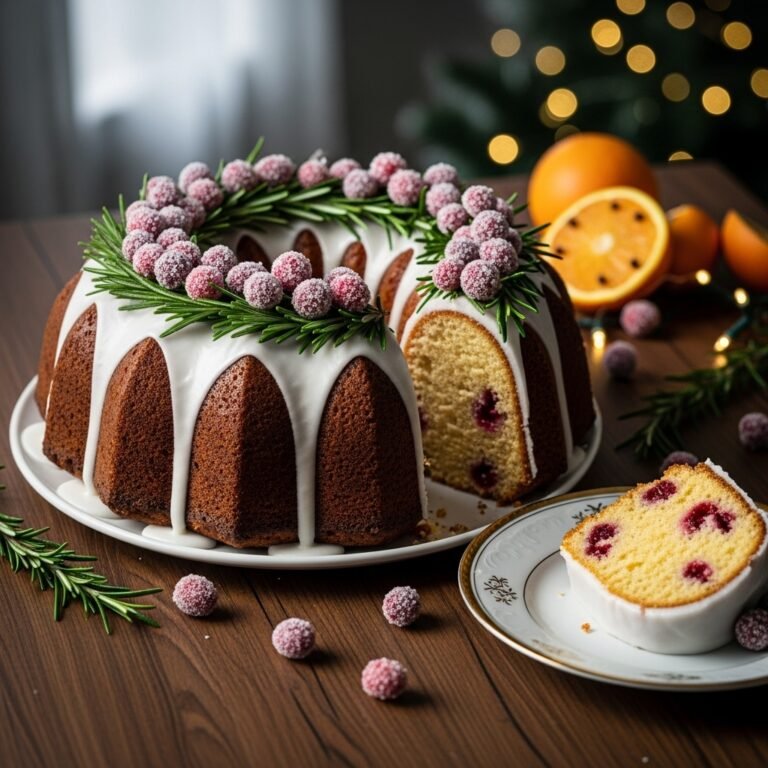
This show-stopping Festive Cranberry Orange Cake features layers of moist, citrus-infused sponge studded with tart fresh cranberries. Finished with a luscious, tangy cream cheese frosting and sugared cranberries, it is the ultimate holiday dessert centerpiece that perfectly balances sweet and tart flavors.
40 minutes
35 minutes
1 hour 15 minutes
12-14 servings
Dessert
Baking
American
Vegetarian
There is something undeniably magical about the combination of bright, zesty orange and tart, jewel-like cranberries during the holiday season. As the weather turns colder and we retreat indoors, the aroma of citrus and vanilla wafting from the oven signals that comfort and celebration are on the way. This Festive Cranberry Orange Cake With Cream Cheese Frosting is more than just a dessert; it is a celebration of winter produce and a vibrant antidote to the gray days of winter. The cake itself is incredibly moist, owing its tender crumb to a careful balance of butter and fresh orange juice, while the burst of cranberries provides a texture and acidity that cuts through the sweetness.
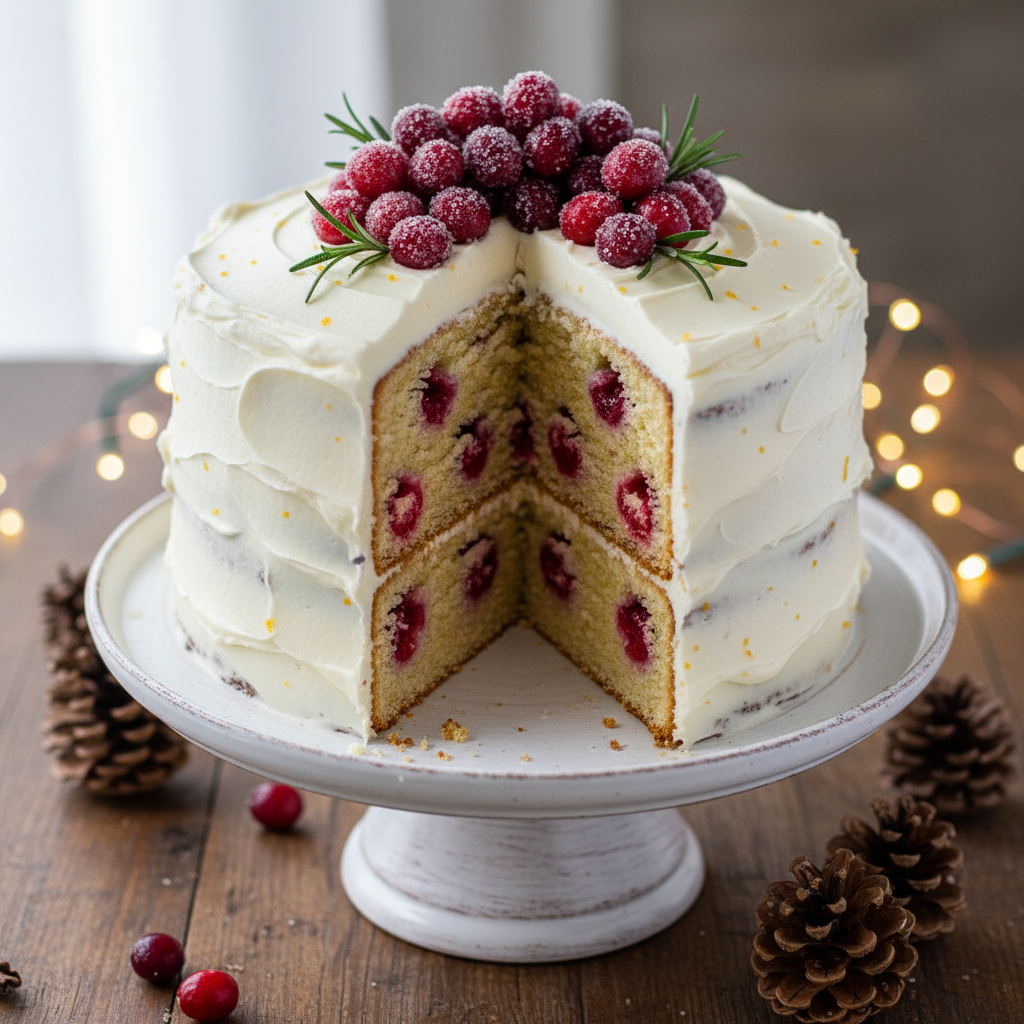
Unlike heavy fruitcakes of the past, this recipe produces a light, airy sponge that feels sophisticated yet comforting. The cream cheese frosting is the perfect partner, offering a creamy, tangy counterpoint that ties the citrus and berry notes together harmoniously. Whether you are hosting a grand Christmas dinner, looking for a Thanksgiving showstopper, or simply want to bake something special for a winter weekend, this cake delivers on all fronts. It is visually stunning with its speckled red and orange interior and snowy white exterior, making it a Pinterest-worthy addition to your holiday table. We have refined this recipe to ensure it is approachable for home bakers while delivering bakery-quality results that will have your guests asking for seconds—and the recipe.
History & Origins
The pairing of cranberry and orange is a relatively modern classic in the culinary world, though its roots run deep in North American history. Cranberries are one of the few fruits native to North America and were used extensively by Indigenous peoples for food, fabric dye, and medicine long before European settlers arrived. They were a vital source of Vitamin C and sustenance during harsh winters. Oranges, on the other hand, were once considered a luxury item, often gifted in Christmas stockings as a symbol of gold and prosperity during the Great Depression and Victorian eras.
As global trade expanded and citrus became more available in winter months, home cooks began experimenting with combining the tartness of the local cranberry with the sweet, floral aroma of the exotic orange. This combination naturally found its way into baked goods, evolving from simple muffins and quick breads into more elaborate layer cakes. The concept of the modern layer cake with frosting gained popularity in the mid-19th century with the improvement of baking powders and the availability of refined sugar. This specific iteration—a fluffy butter cake studded with whole berries—bridges the gap between rustic, wholesome fruit breads and elegant, frosted celebration cakes, embodying the spirit of American holiday baking traditions.
Why This Recipe Works
This recipe succeeds because it meticulously balances moisture, acidity, and structure. One of the biggest challenges when baking with fresh fruit, especially cranberries, is preventing the cake from becoming soggy or the fruit from sinking to the bottom. To combat sinking, we toss the cranberries in a small amount of flour before folding them into the batter; this creates friction that holds the berries suspended throughout the crumb.
Furthermore, the use of both orange zest and fresh orange juice infuses the cake with flavor at two different levels. The zest contains essential oils that provide a potent, aromatic citrus punch that doesn’t bake out, while the juice adds acidity. This acidity reacts with the leavening agents (baking powder and baking soda) to create a superior rise and a tender, velvety crumb. We also use a combination of butter for flavor and a touch of oil (or full-fat dairy like sour cream/buttermilk) to ensure the cake stays moist for days. The cream cheese frosting works better than a standard buttercream here because its inherent tanginess mirrors the tartness of the cranberries, creating a cohesive flavor profile rather than a jarringly sweet contrast.
Why You’ll Love This Recipe
- ✓Perfect balance of tart cranberries and sweet orange zest.
- ✓Stays moist for days thanks to a specific fat ratio.
- ✓Visual showstopper with vibrant red berries inside.
- ✓Cream cheese frosting adds a luxurious tangy finish.
- ✓Ideal for Christmas, Thanksgiving, or winter gatherings.
Equipment You’ll Need
- ✓Three 8-inch round cake pans
- ✓Stand mixer or electric hand mixer
- ✓Large mixing bowls
- ✓Microplane or zester
- ✓Citrus juicer
- ✓Rubber spatula
- ✓Wire cooling rack
- ✓Offset spatula
- ✓Parchment paper
Ingredients
- ✓3 cups all-purpose flour, divided
- ✓1 tablespoon baking powder
- ✓1/2 teaspoon baking soda
- ✓1/2 teaspoon salt
- ✓1 cup unsalted butter, softened
- ✓1 3/4 cups granulated sugar
- ✓3 large eggs, room temperature
- ✓2 teaspoons pure vanilla extract
- ✓1 tablespoon fresh orange zest (about 1 orange)
- ✓1/2 cup fresh orange juice
- ✓1 cup buttermilk, room temperature
- ✓2 1/2 cups fresh or frozen cranberries
- ✓16 oz full-fat cream cheese, softened (for frosting)
- ✓1/2 cup unsalted butter, softened (for frosting)
- ✓4-5 cups powdered sugar, sifted
- ✓1 teaspoon vanilla extract (for frosting)
- ✓Pinch of salt (for frosting)
- ✓Sugared cranberries and rosemary sprigs for garnish
Instructions
- Preheat your oven to 350°F (175°C). Grease three 8-inch round cake pans with butter and dust with flour, or line the bottoms with parchment paper for easy release.
- In a medium bowl, whisk together 2 3/4 cups of the flour, baking powder, baking soda, and salt. Set aside.
- In the bowl of a stand mixer fitted with the paddle attachment (or using a hand mixer), cream the softened butter and granulated sugar together on medium-high speed for about 3-4 minutes until light and fluffy.
- Add the eggs one at a time, beating well after each addition. Scrape down the sides of the bowl. Mix in the vanilla extract and fresh orange zest.
- In a small measuring cup, combine the buttermilk and fresh orange juice. The mixture may look curdled; this is normal.
- Reduce the mixer speed to low. Add the flour mixture in three parts, alternating with the buttermilk/orange juice mixture, beginning and ending with the flour. Mix only until just combined to avoid a tough cake.
- In a small bowl, toss the cranberries with the remaining 1/4 cup of flour. This coating prevents them from sinking. Gently fold the cranberries into the batter using a rubber spatula.
- Divide the batter evenly among the three prepared cake pans. Smooth the tops with an offset spatula.
- Bake for 30-35 minutes, or until a toothpick inserted into the center comes out clean or with just a few moist crumbs. The tops should be golden brown.
- Remove from the oven and let the cakes cool in the pans for 10 minutes. Then, carefully invert them onto a wire rack to cool completely before frosting.
- While the cakes cool, make the frosting. Beat the cream cheese and butter together on medium-high speed until smooth and creamy (about 3 minutes).
- Gradually add the powdered sugar, one cup at a time, mixing on low speed. Add the vanilla and salt. Once incorporated, increase speed to high and whip for 2 minutes until fluffy.
- To assemble, place one cake layer on a serving plate or cake stand. Spread a generous layer of frosting over the top. Repeat with the second and third layers.
- Frost the outside of the cake with the remaining frosting. Garnish with sugared cranberries and fresh rosemary sprigs for a festive look.
Expert Cooking Tips
- ✓Ensure all refrigerated ingredients (eggs, butter, buttermilk, cream cheese) are at room temperature before starting. This creates a smoother emulsion and a better rise.
- ✓Do not overmix the batter once the flour is added. Overmixing develops gluten and creates a dense, rubbery cake.
- ✓If using frozen cranberries, do not thaw them before adding to the batter, as they will bleed color into the cake.
- ✓Zest the orange before juicing it; it is much harder to zest a squeezed orange.
- ✓Weigh your flour using a kitchen scale for the most accurate results, or use the spoon-and-level method.
- ✓Let the cakes cool completely before frosting. Even a slightly warm cake will melt the cream cheese frosting and cause the layers to slide.
Substitutions and Variations
This recipe is quite versatile if you need to make swaps. If you don’t have buttermilk, you can make a homemade version by adding 1 tablespoon of lemon juice or white vinegar to a cup of whole milk and letting it sit for 5 minutes. You can substitute the all-purpose flour with a high-quality 1:1 gluten-free baking flour blend if you are baking for gluten-sensitive guests, though the texture may be slightly different. For the fat, while butter provides the best flavor, you can substitute half of the butter with a neutral oil (like canola or vegetable) for an even moister crumb, though you lose some buttery taste. If fresh cranberries aren’t in season, frozen ones work perfectly fine; dried cranberries can be used but will result in a sweeter, chewier texture rather than a burst of tartness. For the frosting, mascarpone cheese can be used in place of cream cheese for a milder, creamier flavor.
Common Mistakes to Avoid
The most common mistake with this cake is over-creaming or under-creaming the butter and sugar. You want it pale and fluffy, not just mixed. Another pitfall is opening the oven door too early, which can cause the cakes to sink in the middle. Wait until at least 25 minutes have passed before checking. Additionally, skipping the step of tossing cranberries in flour often leads to a layer of berries at the bottom of the pan and plain cake on top. Finally, regarding the frosting: if your butter or cream cheese is too warm (melting), the frosting will be soupy. If they are too cold, you will have lumps. Room temperature (around 68-70°F) is the sweet spot.
Serving Suggestions
This Festive Cranberry Orange Cake is a centerpiece on its own, but it pairs beautifully with a warm beverage. Serve slices with a hot cup of coffee, an Earl Grey tea, or a spiced chai latte to complement the citrus notes. For a dessert spread, it looks stunning alongside a platter of gingerbread cookies or a dark chocolate tart. If you want to elevate the plating, serve each slice with a dollop of barely sweetened whipped cream and a drizzle of cranberry coulis or a side of candied orange peel. It is perfect for Christmas Eve dinner, a holiday brunch, or a New Year’s Eve party.
Storage and Reheating Tips
Because of the cream cheese frosting, this cake should be stored in the refrigerator. However, cold cake can taste dry and the flavors are muted. We recommend taking the cake (or slices) out of the fridge about 30 to 60 minutes before serving to let it come to room temperature. The cake will keep well in an airtight container or cake carrier in the fridge for up to 5 days. If you want to freeze it, you can freeze the unfrosted layers wrapped tightly in plastic wrap for up to 3 months. You can also freeze individual slices of the frosted cake; just place them on a baking sheet to freeze the frosting solid, then wrap tightly in plastic wrap and foil.
Nutrition Facts (Estimated)
| Serving Size | 1 slice |
| Calories | 580 |
| Fat | 28g |
| Saturated Fat | 16g |
| Unsaturated Fat | 10g |
| Trans Fat | 0g |
| Cholesterol | 85mg |
| Sodium | 320mg |
| Carbohydrates | 76g |
| Fiber | 2g |
| Sugar | 45g |
| Protein | 6g |
Frequently Asked Questions
Can I use dried cranberries instead of fresh?
Yes, you can, but the texture and flavor profile will change. Dried cranberries are sweeter and chewier. If you use them, you may want to soak them in warm orange juice for 15 minutes to plump them up before adding to the batter.
Can I make this cake ahead of time?
Absolutely. The cake layers can be baked a day in advance, wrapped in plastic, and stored at room temperature. The frosting can also be made ahead and refrigerated, but you will need to re-whip it before using. The assembled cake keeps well in the fridge for several days.
Why did my cranberries sink to the bottom?
This usually happens if the batter is too thin or if the berries weren’t coated in flour. The flour coating creates friction that helps suspend the heavy fruit in the batter while it bakes.
Can I bake this in a 9×13 pan instead?
Yes, this recipe fits a 9×13 inch rectangular pan. You will likely need to increase the baking time to 40-50 minutes. Keep an eye on it and use the toothpick test.
My frosting is too runny, what do I do?
If the frosting is too soft, your kitchen might be too warm or the butter was melted. Place the bowl in the refrigerator for 20 minutes to firm up, then whip again. You can also add a bit more powdered sugar to stiffen it.
Can I use blood oranges instead of regular oranges?
Yes! Blood oranges make a fantastic substitution and will give the cake a slightly more floral, berry-like citrus flavor. The zest will also add beautiful color specks.
Is it necessary to use cake flour?
This recipe is designed for all-purpose flour to be sturdy enough to hold the fruit. However, if you want a lighter crumb, you can use a mix of half cake flour and half all-purpose flour.
How do I make the sugared cranberries for garnish?
Make a simple syrup (equal parts water and sugar), dip the cranberries in it, let them dry for an hour until tacky, and then roll them in granulated sugar. Let them dry completely before placing on the cake.
Conclusion
This Festive Cranberry Orange Cake with Cream Cheese Frosting is truly a joy to bake and eat. It captures the essence of the holidays with its bright flavors, tender texture, and stunning presentation. Whether you are an experienced baker or trying your hand at a layer cake for the first time, this recipe guides you to a delicious result that is sure to become a new holiday tradition in your home. So grab your mixer, zest those oranges, and get ready to fill your kitchen with the most incredible festive aroma. Happy baking!