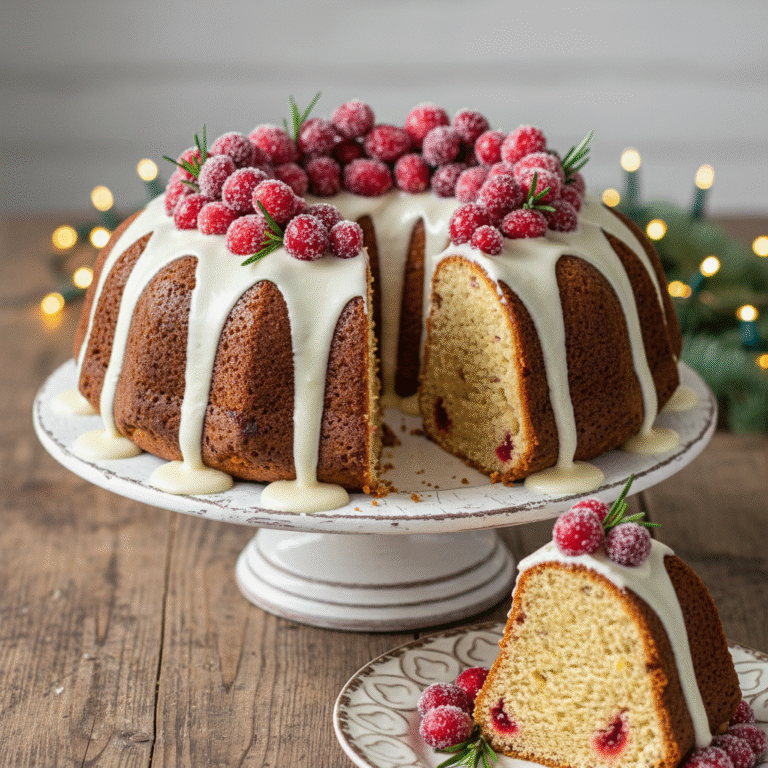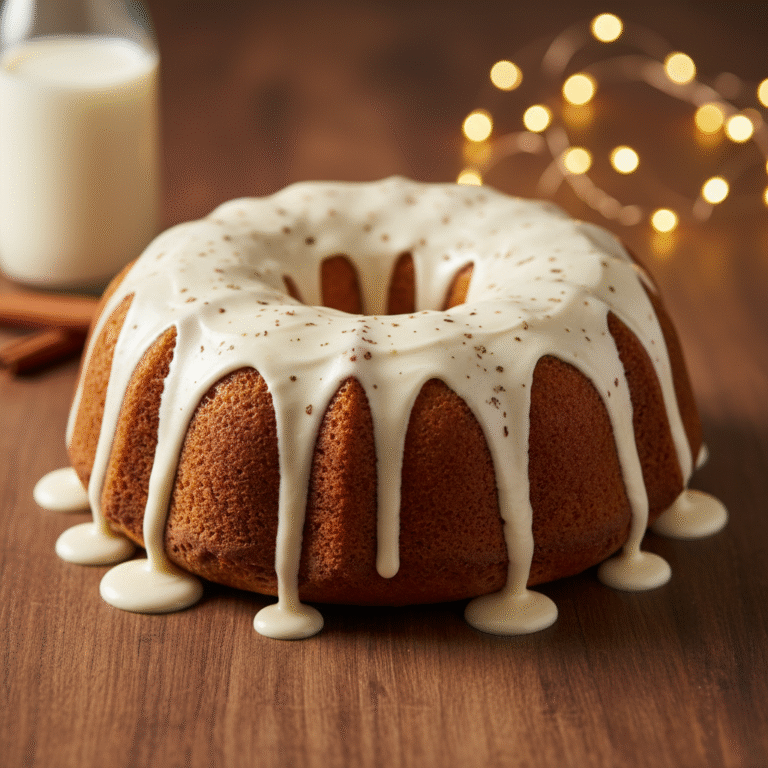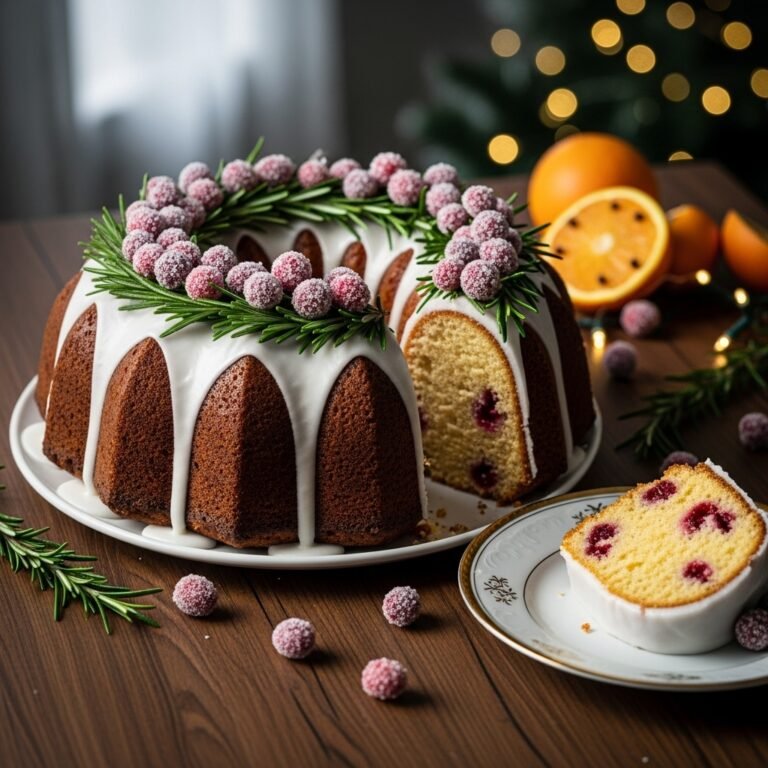
Festive Cranberry Orange Cake With silky Dark Chocolate Ganache
Festive Cranberry Orange Cake With Chocolate Ganache Recipe
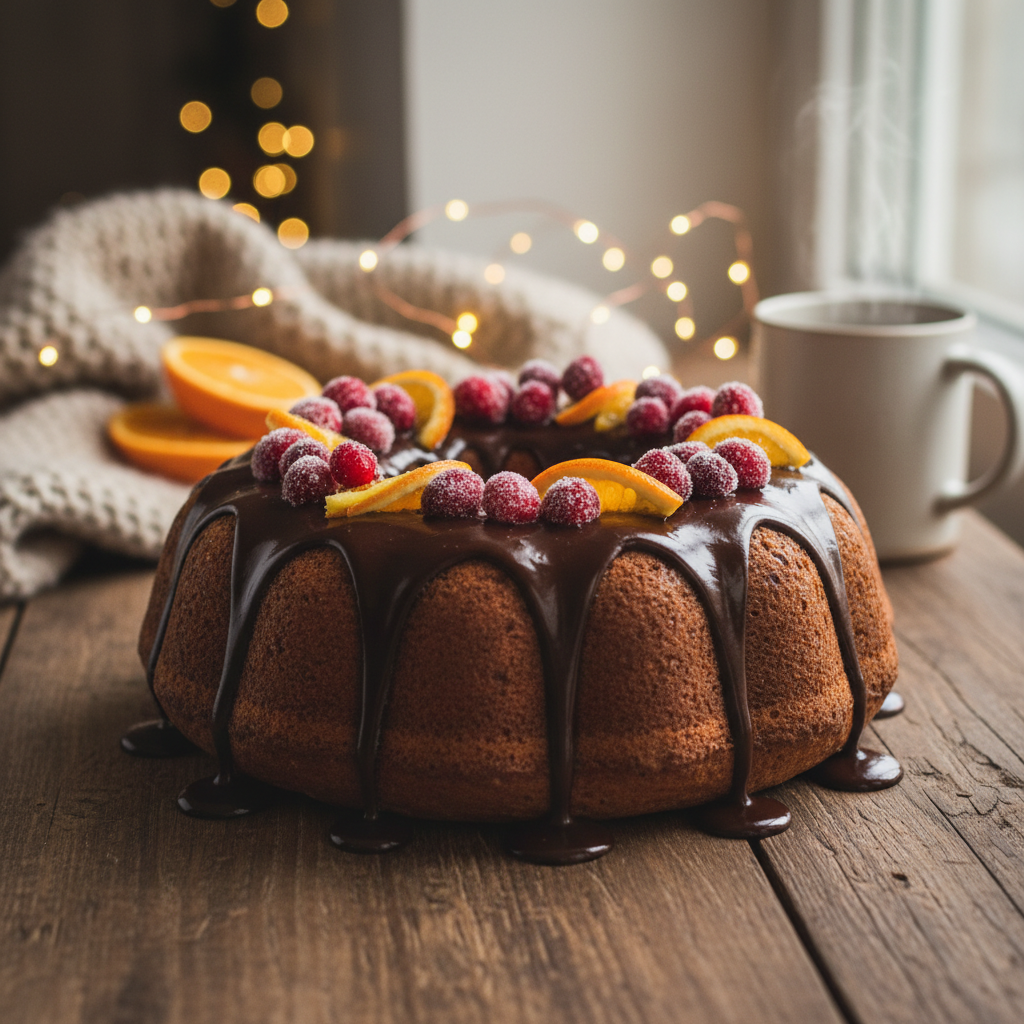
This show-stopping Festive Cranberry Orange Cake pairs the bright, zesty flavors of fresh citrus and tart cranberries with a luxurious, velvety dark chocolate ganache. It is the perfect balance of sweet, tart, and rich, making it an unforgettable centerpiece for your holiday dessert table.
25 minutes
55 minutes
1 hour 20 minutes
12 servings
Dessert
Baking
American Fusion
Vegetarian
There is something undeniably magical about the combination of bright citrus and deep, rich chocolate during the holiday season. As the weather turns crisp and the days grow shorter, our palates naturally crave the comforting warmth of baked goods that offer both nostalgia and a touch of sophisticated indulgence. This Festive Cranberry Orange Cake with Chocolate Ganache is the embodiment of that winter craving. It starts with a tender, buttery crumb that is infused with the aromatic oils of fresh orange zest and studded with jewel-like bursts of tart cranberries. The cake itself is a celebration of textures—soft, moist, and slightly dense, reminiscent of a high-quality pound cake but with a lighter, more airy lift.
But the real magic happens when you introduce the chocolate. While cranberry and orange are a classic duo, the addition of a smooth, glossy dark chocolate ganache elevates this recipe from a simple tea cake to a decadent dessert worthy of the grandest Christmas Eve dinner or New Year’s Eve gathering. The bitterness of the dark chocolate cuts through the sweetness of the cake and complements the acidity of the fruit, creating a harmonious bite that dances on the tongue. Whether you are an experienced baker looking for a new holiday staple or a novice wanting to impress your in-laws, this recipe delivers on all fronts. It smells like Christmas morning while baking, looks like a professional patisserie creation when plated, and tastes like pure joy. Get ready to fill your kitchen with the scent of vanilla, orange, and cocoa, and prepare yourself for the inevitable request for seconds.
History & Origins
The culinary history behind this Festive Cranberry Orange Cake is a fascinating journey that bridges Native American agriculture, European baking traditions, and the modern evolution of holiday flavors. Cranberries, one of the few fruits native to North America, were originally harvested by Indigenous peoples who used them for food, medicine, and dye. Known as ‘sassamanesh’ by the Algonquin people, these tart berries were introduced to European settlers, eventually becoming a staple in American holiday cuisine, primarily in sauces and relishes. However, their integration into baking is a relatively more modern adaptation, gaining popularity in the 20th century as sugar became more affordable and accessible to counterbalance the berry’s natural astringency.
The ‘orange’ component of this cake nods to the old tradition of gifting oranges during Christmas. In the 19th and early 20th centuries, citrus fruits were rare, expensive imports in colder climates, making them a symbol of luxury and sunlight in the dark of winter. Finding an orange in one’s stocking was a genuine treat. Combining these two winter staples—cranberries and oranges—became a natural evolution in American kitchens.
The addition of chocolate ganache brings a European flair to the dish. Ganache, a simple emulsion of chocolate and cream, originated in France (some say by accident) in the mid-1800s. By enrobing a distinctly American fruit cake in a classic French glaze, this recipe represents a beautiful fusion of culinary worlds. It transforms the rustic concept of a fruit loaf into an elegant gateau, showcasing how global trade and cultural exchange have shaped what we now consider traditional holiday comfort food.
Why This Recipe Works
This recipe succeeds because it is built on the fundamental principles of flavor balancing and chemical leavening. First, let’s talk about the flavor profile. Cranberries are naturally very tart and acidic. If used alone in a sweet cake, they can be jarring. However, by incorporating fresh orange juice and zest, we introduce a different kind of acidity—one that is floral and aromatic. This citrus brightness bridges the gap between the sharp berries and the sugar, creating a complex fruit profile. The fat content in the butter and eggs enriches the crumb, while the buttermilk (an essential ingredient here) tenderizes the gluten strands. The acidity in the buttermilk also reacts with the baking soda and baking powder, ensuring a significant rise and a soft, fluffy texture that isn’t heavy or greasy.
The chocolate ganache serves a dual purpose: texture and flavor contrast. A dry cake is a failed cake, and while this sponge is naturally moist, the ganache acts as a seal, locking in moisture after the cake cools. Flavor-wise, the semi-sweet or dark chocolate provides a deep, earthy bass note to the high-pitched treble notes of the cranberry and orange. The slight bitterness of the cocoa prevents the overall dessert from becoming cloyingly sweet. Furthermore, tossing the cranberries in a small amount of flour before folding them into the batter is a crucial technical step; this friction prevents the heavy berries from sinking to the bottom of the pan, ensuring every slice has an even distribution of fruit. This recipe works because every ingredient has a job, and they perform them in perfect harmony.
Why You’ll Love This Recipe
- ✓Perfect balance of tart cranberries and sweet chocolate
- ✓Moist, tender crumb thanks to buttermilk and butter
- ✓Beautiful holiday presentation with glossy ganache
- ✓Can be made ahead of time for stress-free hosting
- ✓Aromatic orange zest infuses every bite
- ✓Uses fresh seasonal ingredients for maximum flavor
Equipment You’ll Need
- ✓Bundt pan or 9×13 baking dish
- ✓Stand mixer or electric hand mixer
- ✓Large mixing bowl
- ✓Medium mixing bowl
- ✓Whisk
- ✓Rubber spatula
- ✓Zester or microplane
- ✓Wire cooling rack
- ✓Small saucepan (for ganache)
Ingredients
- ✓2 1/2 cups all-purpose flour, divided
- ✓1 teaspoon baking powder
- ✓1/2 teaspoon baking soda
- ✓1/2 teaspoon salt
- ✓1 cup unsalted butter, softened to room temperature
- ✓1 1/2 cups granulated sugar
- ✓3 large eggs, room temperature
- ✓1 tablespoon orange zest (approx. 1 medium orange)
- ✓2 teaspoons vanilla extract
- ✓1 cup buttermilk, room temperature
- ✓2 cups fresh or frozen cranberries
- ✓1/2 cup heavy cream (for ganache)
- ✓4 ounces semi-sweet or dark chocolate, chopped (for ganache)
- ✓Optional garnish: Sugared cranberries and orange slices
Instructions
- Preheat your oven to 350°F (175°C). Generously grease and flour a 10-inch Bundt pan or spray it with baking spray containing flour. Set aside.
- In a medium bowl, whisk together 2 1/4 cups of the flour, baking powder, baking soda, and salt. In a small separate bowl, toss the cranberries with the remaining 1/4 cup of flour to coat them thoroughly (this prevents sinking).
- In the bowl of a stand mixer fitted with the paddle attachment (or a large bowl using a hand mixer), cream the softened butter and sugar together on medium-high speed for about 3-5 minutes until light, pale, and fluffy.
- Add the eggs one at a time, beating well after each addition and scraping down the sides of the bowl as needed. Mix in the orange zest and vanilla extract.
- Reduce the mixer speed to low. Add the flour mixture in three parts, alternating with the buttermilk in two parts, beginning and ending with the flour. Mix only until just combined; do not overmix.
- Remove the bowl from the mixer. Using a rubber spatula, gently fold in the flour-coated cranberries by hand until they are evenly distributed throughout the batter.
- Pour the batter into the prepared Bundt pan and smooth the top with your spatula. Tap the pan gently on the counter to release any large air bubbles.
- Bake for 50-60 minutes, or until a toothpick inserted into the thickest part of the cake comes out clean or with just a few moist crumbs attached. If the top browns too quickly, tent loosely with aluminum foil after 30 minutes.
- Remove from the oven and let the cake cool in the pan for exactly 10 minutes. Then, invert the cake onto a wire rack to cool completely before glazing.
- To make the ganache: Place the chopped chocolate in a heatproof bowl. Heat the heavy cream in a small saucepan until it just begins to simmer (do not boil). Pour the hot cream over the chocolate and let it sit for 5 minutes. Gently whisk from the center outwards until smooth and glossy.
- Once the cake is cool and the ganache has thickened slightly (about 10-15 minutes), pour the ganache over the top of the cake, letting it drip down the sides. Garnish with sugared cranberries if desired.
Expert Cooking Tips
- ✓Ensure all cold ingredients (eggs, butter, buttermilk) are at room temperature to prevent the batter from curdling.
- ✓Do not skip tossing the cranberries in flour; this is the secret to keeping them suspended in the cake rather than sinking to the bottom.
- ✓If using a Bundt pan, grease every nook and cranny thoroughly to ensure a perfect release.
- ✓Use a high-quality chocolate bar for the ganache rather than chocolate chips, as chips often contain stabilizers that prevent smooth melting.
- ✓Zest the orange directly over the butter and sugar before creaming to capture the essential oils in the fat.
- ✓Don’t rush the cooling process; glazing a warm cake will cause the ganache to melt and run off completely.
Substitutions and Variations
This recipe is quite versatile and can accommodate several substitutions if you find yourself missing an ingredient. If you don’t have buttermilk, you can make a quick DIY version by adding one tablespoon of lemon juice or white vinegar to a cup of whole milk and letting it sit for 5 minutes. For the flour, a high-quality 1:1 gluten-free baking flour blend works wonderfully for those with gluten sensitivities, though the texture may be slightly denser. If fresh cranberries are out of season, frozen cranberries work perfectly—do not thaw them before adding to the batter, or they will bleed into the cake. You can also use dried cranberries, though the texture will be chewier and less tart; if using dried, soak them in hot water for 10 minutes first. For the citrus element, clementines, tangerines, or even blood oranges make fantastic substitutes for standard navel oranges. Finally, if you prefer a lighter chocolate flavor, milk chocolate can be used for the ganache, but reduce the cream slightly to ensure it sets properly.
Common Mistakes to Avoid
The most common mistake with this cake is overmixing the batter after adding the flour. Once the flour hits the liquid, gluten begins to form. If you mix too vigorously, you will end up with a tough, rubbery cake instead of a tender crumb. Another frequent error is not greasing the Bundt pan sufficiently. Bundt pans are notorious for sticking; use a baking spray that contains flour or be very diligent with butter and flour. Regarding the ganache, a common pitfall is overheating the cream or stirring the chocolate too aggressively, which can cause the emulsion to break and become oily or grainy. Let the hot cream sit on the chocolate to melt it gently before whisking slowly. Lastly, baking with cold ingredients is a mistake that affects the rise; cold eggs and butter don’t emulsify properly, leading to a dense, uneven texture.
Serving Suggestions
This Festive Cranberry Orange Cake is a stunning centerpiece that requires very little embellishment, but a few thoughtful touches can elevate the experience. Serve slices on dessert plates with a dollop of lightly sweetened whipped cream or a scoop of vanilla bean ice cream to cut through the richness of the ganache. For a warm beverage pairing, a dark roast coffee or an Earl Grey tea complements the citrus notes beautifully. If serving at a holiday party, garnish the platter with fresh rosemary sprigs, whole cranberries, and dried orange slices for a rustic, festive look. For an adult twist, serve alongside a glass of Grand Marnier or a dessert wine like a Sauternes.
Storage and Reheating Tips
To keep this cake fresh, store it in an airtight cake carrier at room temperature for up to 3 days. The ganache acts as a barrier, helping to keep the cake moist. If you live in a particularly hot or humid climate, you may want to store it in the refrigerator, but be sure to bring it back to room temperature before serving for the best texture and flavor. This cake also freezes beautifully. You can freeze individual slices wrapped tightly in plastic wrap and then foil for up to 3 months. Thaw slices on the counter for about an hour before eating. If freezing the whole cake, it is best to do so without the ganache, adding the glaze only after the cake has thawed.
Nutrition Facts (Estimated)
| Serving Size | 1 slice |
| Calories | 465 |
| Fat | 24g |
| Saturated Fat | 14g |
| Unsaturated Fat | 9g |
| Trans Fat | 0g |
| Cholesterol | 85mg |
| Sodium | 210mg |
| Carbohydrates | 58g |
| Fiber | 3g |
| Sugar | 38g |
| Protein | 6g |
Frequently Asked Questions
Can I use frozen cranberries instead of fresh?
Yes, absolutely. Do not thaw them first. Toss them in flour while frozen and fold them into the batter immediately before baking. You may need to add 3-5 minutes to the baking time.
Why did my cranberries sink to the bottom?
This usually happens if the batter is too thin or if the berries weren’t coated in flour. The flour coating provides friction that helps hold the berries in place while the batter sets.
Can I make this cake ahead of time?
Yes, this cake actually tastes even better the next day as the flavors meld. You can bake it one day in advance and keep it covered at room temperature.
My ganache is too runny, what should I do?
Let it sit at room temperature for another 10-15 minutes. As it cools, it will thicken. If it is still too thin, you can whisk in a small amount of extra melted chocolate.
Can I use a different pan if I don’t have a Bundt pan?
Yes, you can use two 9×5 inch loaf pans or a 9×13 inch rectangular pan. You will need to adjust the baking time; check loaf pans around 45 minutes and rectangular pans around 35-40 minutes.
Is it necessary to use buttermilk?
Buttermilk provides acid that reacts with the baking soda for lift and tenderizes the gluten. If you skip it, the cake will be denser and won’t rise as well. Use the milk and vinegar substitute if needed.
How do I know when the cake is done?
Insert a wooden skewer or toothpick into the deepest part of the cake. It should come out clean or with a few moist crumbs. If it has wet batter on it, keep baking.
Can I use white chocolate for the ganache?
Yes, white chocolate pairs lovely with cranberry and orange. Use a 3:1 ratio of white chocolate to cream, as white chocolate is softer and requires less liquid.
Conclusion
This Festive Cranberry Orange Cake with Chocolate Ganache is more than just a recipe; it’s a holiday memory in the making. The vibrant colors, the intoxicating aroma of citrus and cocoa, and the delightful contrast of flavors make it a standout dish for any winter celebration. Whether you are baking for a crowd or just treating your family to a special weekend dessert, the effort you put into this cake will be rewarded with smiles and empty plates. We hope this recipe brings a little extra warmth and sweetness to your holiday season. Happy baking!