
The Ultimate Cozy Maple Pecan Cake With Maple Glaze
Cozy Maple Pecan Cake With Maple Glaze Recipe
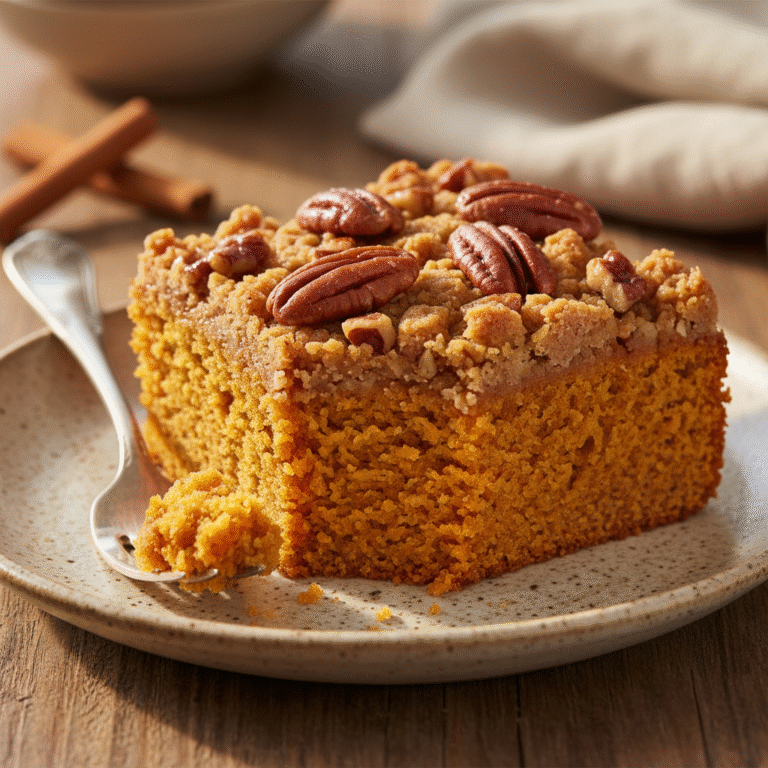
Embrace the warmth of the season with this incredibly moist Maple Pecan Cake. Infused with pure maple syrup and studded with buttery toasted pecans, this cake is finished with a decadent maple glaze that makes it the perfect centerpiece for any cozy gathering or holiday table.
20 minutes
55 minutes
1 hour 15 minutes
12 servings
Dessert
Baking
American
Vegetarian
There is something undeniably magical about the aroma of maple syrup and toasted nuts filling the kitchen on a crisp autumn afternoon. This Cozy Maple Pecan Cake is more than just a dessert; it is a celebration of comfort, warmth, and the rich, earthy flavors that define the fall and winter seasons. The texture is the star of the show here—somewhere between a dense, buttery pound cake and a fluffy coffee cake, offering a crumb that is tender yet substantial enough to hold up to the generous amount of pecans folded throughout. Unlike many maple-flavored treats that rely heavily on artificial extracts, this recipe champions the complex, caramel-like notes of real, high-quality maple syrup.
The sweetness is perfectly balanced by the savory crunch of the pecans and a hint of warm spices, creating a flavor profile that is sophisticated yet nostalgia-inducing. As the cake bakes, the sugars caramelize slightly on the crust, creating a golden exterior that contrasts beautifully with the soft interior. But the real showstopper is the glaze. Pouring that silky, amber-hued mixture over the cooling cake is a moment of pure culinary joy. It seeps into the crevices, locking in moisture and adding an extra layer of maple intensity that makes every bite sing. Whether you are serving this alongside a steaming mug of dark roast coffee for breakfast, or presenting it as the grand finale to a Thanksgiving feast, this cake promises to deliver a slice of pure happiness. It is the kind of recipe that begs to be shared, yet is so delicious you might find yourself hiding the last slice for a midnight snack.
History & Origins
The story of this Maple Pecan Cake is a delicious intersection of two distinctly North American ingredients: maple syrup and pecans. The history of maple syrup dates back centuries, long before European settlers arrived on the continent. Indigenous peoples in the northeastern regions of North America, including the Abenaki, Haudenosaunee, and Anishinaabe, were the first to discover the sweet sap of the sugar maple tree. Legend and oral history tell of the ‘sugar moon’ or ‘maple moon,’ the time of early spring when sap was collected and boiled down into syrup or sugar using hot stones in hollowed-out logs. It was a vital source of energy and a staple in their culinary traditions. When European colonists arrived, they learned these techniques, eventually trading iron kettles for the traditional wood vessels, which streamlined the process and gave rise to the ‘sugaring off’ parties that are still celebrated today.
Meanwhile, the pecan has its roots deep in the American South and Northern Mexico. The name ‘pecan’ comes from the Algonquian word requiring a stone to crack, highlighting the nut’s hard shell. Native Americans in the south-central region of North America utilized pecans as a major food source for thousands of years, trading them along the river systems. The convergence of these two ingredients—Northern maple and Southern pecans—likely occurred as trade routes expanded and culinary traditions blended in the 19th and 20th centuries. The concept of the nut cake or coffee cake became popular in American households during the mid-20th century, evolving from simple quick breads to the richer, bundt-style cakes we adore today. This specific recipe pays homage to that history, combining the liquid gold of the northern forests with the buttery richness of the southern river valleys.
Why This Recipe Works
This recipe succeeds where others often fail because it prioritizes moisture retention and authentic flavor depth. Baking with maple syrup can be tricky; it is a liquid sweetener that brings acidity and extra moisture, which can sometimes make a cake heavy or gummy if not balanced correctly. To counter this, we cream butter with a blend of brown and granulated sugars. The brown sugar enhances the caramel notes of the maple syrup, while the mechanical aeration from creaming ensures the cake has a lift and lightness despite the heavy liquid content. We also use room-temperature sour cream (or Greek yogurt) in the batter. The acidity in the sour cream reacts with the baking soda to tenderize the gluten strands, resulting in a velvety, soft crumb that isn’t tough.
Furthermore, the technique of toasting the pecans before adding them to the batter is non-negotiable. Raw nuts can be waxy and lack flavor, but a quick toast releases their essential oils, making them crunchier and far more aromatic. We also toss the nuts in a tablespoon of flour before folding them in; this creates friction that prevents the heavy nuts from sinking to the bottom of the bundt pan, ensuring every slice has an even distribution of crunch. Finally, the glaze is applied while the cake is still slightly warm, allowing a portion of it to soak into the ‘skin’ of the cake, fusing the topping with the sponge rather than just sitting on top as a separate layer.
Why You’ll Love This Recipe
- ✓Uses 100% pure maple syrup for authentic flavor, not artificial extract.
- ✓Toasted pecans provide a buttery crunch in every single bite.
- ✓Sour cream ensures a moist, tender crumb that stays fresh for days.
- ✓The dual-sugar method creates a complex, caramel-like sweetness.
- ✓Perfect for holidays, brunch, or as a stunning coffee cake.
- ✓The glaze sets into a beautiful, semi-translucent finish that looks professional.
Equipment You’ll Need
- ✓10-12 cup Bundt pan
- ✓Stand mixer or electric hand mixer
- ✓Large mixing bowl
- ✓Medium mixing bowl
- ✓Whisk
- ✓Rubber spatula
- ✓Wire cooling rack
- ✓Baking sheet (for toasting nuts)
Ingredients
- ✓2 1/2 cups All-Purpose Flour
- ✓1 tsp Baking Powder
- ✓1/2 tsp Baking Soda
- ✓1/2 tsp Salt
- ✓1 tsp Ground Cinnamon
- ✓1 cup Unsalted Butter, softened
- ✓1/2 cup Granulated Sugar
- ✓1/2 cup Light Brown Sugar, packed
- ✓3 Large Eggs, room temperature
- ✓3/4 cup Pure Maple Syrup (Grade A Dark is best)
- ✓1 tsp Pure Vanilla Extract
- ✓3/4 cup Sour Cream, room temperature
- ✓1 1/2 cups Pecan Halves, toasted and roughly chopped
- ✓FOR THE GLAZE: 1 cup Powdered Sugar, sifted
- ✓FOR THE GLAZE: 1/4 cup Pure Maple Syrup
- ✓FOR THE GLAZE: 1 tbsp Unsalted Butter, melted
- ✓FOR THE GLAZE: 1 pinch Salt
Instructions
- Preheat your oven to 350°F (175°C). Generously grease a 10-12 cup Bundt pan with butter or non-stick baking spray (the kind with flour in it works best). Dust with a little flour, tapping out the excess.
- Spread the pecan halves on a baking sheet and toast in the preheating oven for 6-8 minutes, or until fragrant. Watch closely so they don’t burn. Remove, let cool, and chop roughly. Toss the chopped pecans with 1 tablespoon of the flour (taken from the total amount) to prevent sinking.
- In a medium bowl, whisk together the remaining flour, baking powder, baking soda, salt, and cinnamon until well combined. Set aside.
- In the bowl of a stand mixer fitted with the paddle attachment (or a large bowl with a hand mixer), cream the softened butter, granulated sugar, and brown sugar on medium-high speed for 3-5 minutes until light and fluffy. This step is crucial for aeration.
- Lower the speed to medium and add the eggs one at a time, beating well after each addition and scraping down the sides of the bowl as needed.
- Mix in the maple syrup and vanilla extract. The batter may look slightly curdled at this point; this is normal.
- Reduce the mixer speed to low. Add the flour mixture in three parts, alternating with the sour cream in two parts, starting and ending with the flour. Mix only until just combined to avoid overworking the gluten.
- Gently fold in the flour-dusted toasted pecans using a rubber spatula.
- Pour the batter into the prepared Bundt pan and smooth the top with your spatula. Tap the pan gently on the counter a few times to release any large air bubbles.
- Bake for 50-60 minutes, or until a cake tester or wooden skewer inserted into the thickest part of the cake comes out clean or with just a few moist crumbs attached. If the top browns too quickly, tent loosely with foil after 40 minutes.
- Remove from the oven and let the cake cool in the pan for exactly 10 minutes. Then, invert the cake onto a wire rack to cool completely.
- While the cake cools, prepare the glaze. Whisk together the sifted powdered sugar, maple syrup, melted butter, and salt in a small bowl until smooth. If it is too thick, add a teaspoon of milk; if too thin, add more sugar.
- Drizzle the glaze over the cake. For best results, glaze when the cake is barely warm to the touch. Garnish with extra pecan halves if desired.
Expert Cooking Tips
- ✓Room temperature ingredients are key. Cold eggs or sour cream can cause the butter to seize, leading to a broken batter and uneven bake.
- ✓Do not skip toasting the nuts. It intensifies the flavor profile significantly and adds a better crunch.
- ✓Grease the Bundt pan thoroughly. Bundt pans are notorious for sticking. Use a pastry brush to get butter into every nook and cranny.
- ✓Don’t overmix the batter once the flour is added. Overmixing develops gluten, which results in a tough, rubbery cake rather than a tender one.
- ✓Check your baking powder freshness. If it’s expired, the heavy batter won’t rise properly.
- ✓Use real maple syrup, not pancake syrup. Pancake syrup is mostly corn syrup and artificial flavor, which will alter the texture and taste.
- ✓Let the cake cool in the pan for 10 minutes. Inverting too soon can cause it to break; waiting too long can cause it to stick as the sugars cool.
Substitutions and Variations
If you need to adapt this recipe, there are several viable substitutions. For the flour, a high-quality 1:1 Gluten-Free Baking Flour blend works wonderfully; just ensure it contains xanthan gum. If you don’t have pecans, walnuts are an excellent alternative that pairs equally well with maple. For a nut-free version, you can omit the nuts entirely or substitute them with dried cranberries or chopped apples for a different texture. If sour cream isn’t available, full-fat plain Greek yogurt or even buttermilk can be used. If using buttermilk, the batter will be slightly thinner, so keep an eye on baking time. For the sugars, you can use dark brown sugar instead of light brown for a deeper molasses flavor, though it will darken the color of the cake. Do not substitute the butter with oil or margarine if possible, as the butter flavor is essential to the profile of this cake.
Common Mistakes to Avoid
The most common mistake with this cake is over-baking. Because of the maple syrup and brown sugar, the cake will naturally be darker than a vanilla sponge, so don’t rely solely on color to judge doneness. Use a skewer. Another frequent error is under-creaming the butter and sugar. This step builds the structure of the cake; rushing it leads to a dense, heavy brick. Additionally, using cold ingredients is a recipe for disaster in this emulsion-heavy batter. Ensure your butter is soft but not melted. Finally, glazing the cake while it is piping hot will cause the glaze to simply run off onto the plate. Wait until it is cool or barely warm so the glaze sets nicely on the curves of the cake.
Serving Suggestions
This cake is versatile enough for breakfast, brunch, or dessert. Serve a thick slice slightly warmed with a dollop of freshly whipped cream (unsweetened works best to cut the sweetness) or a scoop of vanilla bean ice cream. It pairs exceptionally well with dark roast coffee, which balances the sweet maple glaze, or a hot chai latte to enhance the cinnamon notes. For a festive touch, garnish the top with candied pecans or a dusting of cinnamon sugar before serving.
Storage and Reheating Tips
To store this cake, place it in an airtight container or wrap it tightly in plastic wrap. It will stay fresh at room temperature for up to 3 days. In fact, the flavors often meld and improve on the second day. For longer storage, keep it in the refrigerator for up to 1 week, though this may dry it out slightly, so bring it to room temperature before eating. This cake freezes beautifully. Wrap individual slices or the whole unglazed cake in plastic wrap followed by a layer of aluminum foil. Freeze for up to 3 months. Thaw overnight in the refrigerator or on the counter before glazing and serving.
Nutrition Facts (Estimated)
| Serving Size | 1 slice |
| Calories | 480 |
| Fat | 26g |
| Saturated Fat | 12g |
| Unsaturated Fat | 14g |
| Trans Fat | 0g |
| Cholesterol | 85mg |
| Sodium | 210mg |
| Carbohydrates | 58g |
| Fiber | 2g |
| Sugar | 32g |
| Protein | 6g |
Frequently Asked Questions
Can I use pancake syrup instead of real maple syrup?
No, it is not recommended. Pancake syrup is typically corn syrup with artificial flavoring. It lacks the depth of flavor and the specific chemical properties of pure maple syrup, which affects both the taste and the texture of the cake.
Why did my pecans sink to the bottom?
Pecans are heavy and can sink in a light batter. To prevent this, ensure you toss the chopped nuts in a tablespoon of flour before folding them into the batter. This friction helps suspend them evenly.
Can I make this in a regular loaf pan?
Yes, you can split this batter between two 9×5 inch loaf pans. The baking time will likely be reduced to 40-50 minutes, so keep a close eye on them.
How do I get the cake out of the Bundt pan without breaking it?
Grease the pan very well with butter and flour or a baking spray containing flour. Let the cake cool for exactly 10 minutes after baking—no more, no less—before inverting. Shake the pan gently side-to-side to loosen it before flipping.
Can I make this cake ahead of time?
Absolutely. This cake is actually better the next day as the moisture from the maple syrup distributes evenly. Bake it the day before you plan to serve it, store it airtight, and glaze it on the day of serving.
My glaze is too runny, what should I do?
Simply whisk in more sifted powdered sugar, a tablespoon at a time, until you reach your desired consistency. If it’s too thick, add a tiny splash of milk or maple syrup.
Can I use salted butter?
You can, but you should reduce the added salt in the recipe to 1/4 teaspoon. Unsalted butter provides more control over the sodium level.
Is Grade A or Grade B maple syrup better?
Grade A Dark Color (formerly Grade B) is preferred for baking because it has a stronger, more robust maple flavor that stands up well against the flour and butter.
Conclusion
This Cozy Maple Pecan Cake is the culinary equivalent of a warm hug. It brings together the rustic, hearty flavors of toasted nuts and the sophisticated sweetness of pure maple syrup in a way that feels both familiar and indulgent. Whether you are an experienced baker or trying your first Bundt, this recipe is forgiving and rewarding. The result is always a stunning, golden-brown masterpiece that looks as good as it tastes. We hope this cake becomes a staple in your fall and winter baking rotation, bringing joy and delicious aromas to your home. Happy baking!