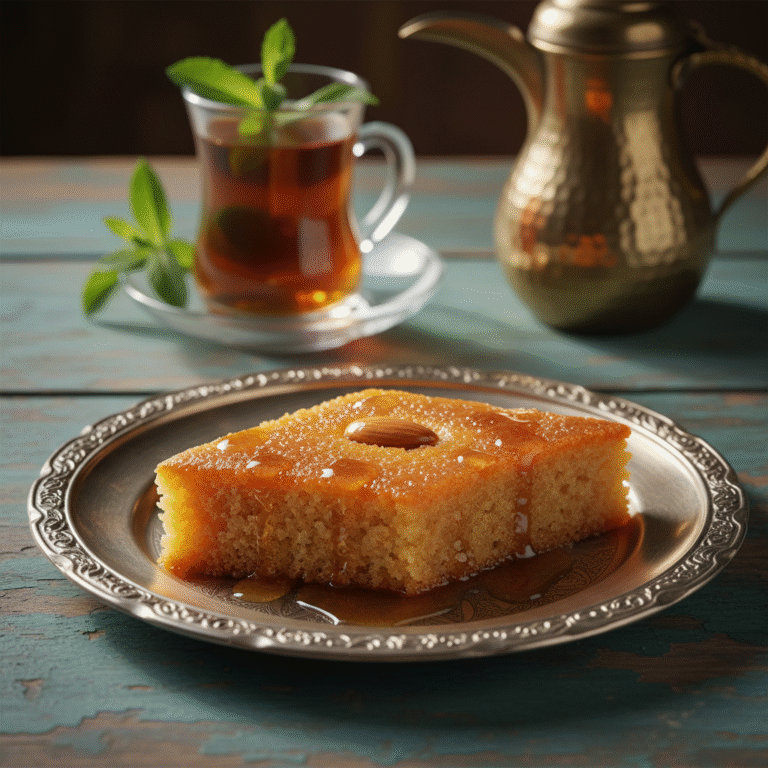

Classic German Bienenstich (Bee Sting Cake) Recipe
Classic German Bienenstich Bee Sting Cake Recipe
Experience the ultimate German classic: Bienenstich, or Bee Sting Cake. This heavenly dessert features airy brioche yeast dough, a crunchy caramelized honey-almond topping, and a luxurious vanilla cream filling. It is the perfect balance of textures and flavors for any special occasion.
45 minutes
30 minutes
3 hours (includes rising and cooling)
12 servings
Dessert
Baking
German
Vegetarian
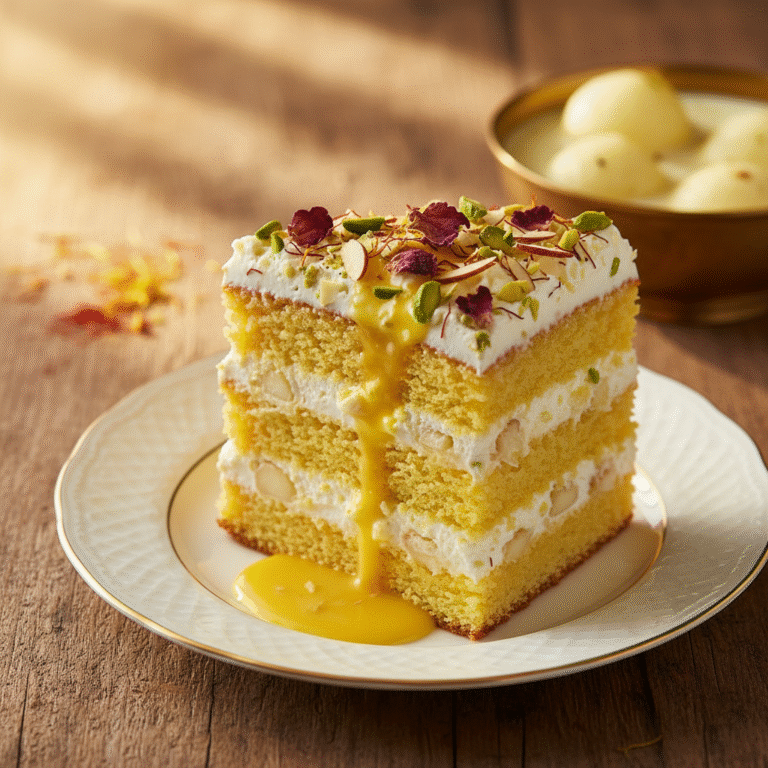
There are few cakes in the world that offer the perfect textural symphony found in a classic German Bienenstich. If you have never had the pleasure of tasting this traditional ‘Bee Sting Cake,’ prepare yourself for a life-changing dessert experience. At its heart, Bienenstich is not just a cake; it is a masterful combination of three distinct yet harmonious layers. First, there is the base: a sweet, enriched yeast dough that lies somewhere between a brioche and a light cake. It is fluffy, buttery, and provides a sturdy yet tender foundation. Then comes the crowning glory: a caramelized topping made of honey, butter, and sliced almonds. This layer is baked directly onto the dough, creating a crunchy, sticky, golden crust that delivers a deep toffee flavor and an irresistible snap with every bite. Finally, the cake is split horizontally to house a thick, velvety layer of vanilla pastry cream or a diplomat cream (custard lightened with whipped cream).
The magic of this cake lies in the contrast. You have the crisp, chewy sweetness of the almond brittle against the pillowy softness of the yeast dough, all brought together by the cool, smooth richness of the cream filling. It is a staple in German bakeries (Bäckereien) and is often enjoyed in the afternoon with a cup of strong coffee (Kaffee und Kuchen). While it may look intimidating to construct, this recipe breaks down the process into manageable steps, ensuring that your homemade version rivals anything you would find in Munich or Berlin. Whether you are hosting a brunch, a holiday gathering, or simply want to treat your family to a slice of European history, this Bienenstich recipe is guaranteed to impress.
History & Origins
The history of Bienenstich is as rich and delightful as the cake itself, steeped in folklore and German tradition. The name ‘Bienenstich’ literally translates to ‘Bee Sting,’ and there are several legends explaining how this unique moniker came to be. The most famous and spirited tale dates back to the 15th century, specifically to the year 1474, in the town of Andernach, Germany. According to the legend, the inhabitants of the neighboring town of Linz am Rhein were planning an attack on Andernach to seize their tax revenues. On the morning of the planned assault, two baker’s apprentices from Andernach were walking along the town walls. They had been eating honey from beehives kept there when they spotted the approaching attackers. Thinking quickly, the apprentices grabbed the beehives and hurled them at the invaders. The angry bees stung the attackers so severely that they fled in panic, abandoning their assault. To celebrate this sweet victory, the bakers of Andernach created a special cake topped with honey and almonds, naming it Bienenstich in honor of the bees that saved their town.
Another, perhaps more mundane but plausible theory, suggests that the baker who invented the cake was simply stung by a bee attracted to the fragrant honey topping while he was baking it. Regardless of which story you choose to believe, the cake has cemented itself as a cornerstone of German baking culture. Traditionally, it is baked on large sheet pans and sold in square slices, making it a practical and beloved treat for communal gatherings. Over centuries, the recipe has evolved, with variations in the filling ranging from simple buttercream to lighter puddings, but the essential honey-almond crust remains the non-negotiable signature of a true Bienenstich.
Why This Recipe Works
This specific recipe for Bienenstich works exceptionally well because it addresses the most common pitfalls of making yeast cakes and custard fillings. Many recipes result in a dry cake or a filling that squishes out the sides when you try to eat it. Here is why this version succeeds:
1. **Enriched Yeast Dough**: We use a dough enriched with milk, butter, and egg, which ensures the crumb stays tender and moist for days. Unlike a standard bread dough, this has enough sugar and fat to act as a cake but retains the structural integrity needed to hold the heavy topping and filling.
2. **Stabilized Filling**: The filling in this recipe is a Diplomat Cream (Diplomatencreme), which combines thick vanilla pastry cream with stabilized whipped cream. This offers the best of both worlds: the rich flavor of custard and the airy lightness of whipped cream. Crucially, we use a touch of gelatin or cornstarch to ensure it sets firm enough to slice cleanly without oozing everywhere.
3. **The Topping Technique**: We cook the honey-almond topping on the stove first and then pour it over the proofed dough before baking. As the cake rises in the oven, the topping caramelizes into a perfect golden shell. The ratio of butter to honey is calculated to create a crunch that isn’t rock-hard, so it doesn’t crush the soft cake underneath when you stick a fork in it.
Why You’ll Love This Recipe
- ✓Authentic German bakery taste at home
- ✓Perfect contrast of crunchy almonds and soft cream
- ✓Step-by-step instructions for foolproof yeast dough
- ✓Luxurious vanilla diplomat cream filling
- ✓Ideal for special occasions and holidays
- ✓Can be made ahead of time
Equipment You’ll Need
- ✓Stand mixer with dough hook and whisk attachment
- ✓9-inch springform pan or 9×13 inch baking pan
- ✓Medium saucepan
- ✓Small saucepan
- ✓Whisk
- ✓Rubber spatula
- ✓Serrated bread knife
- ✓Parchment paper
- ✓Plastic wrap
Ingredients
- ✓FOR THE DOUGH:
- ✓3 1/4 cups (400g) All-purpose flour
- ✓1/4 cup (50g) Granulated sugar
- ✓2 1/4 tsp (7g) Active dry yeast (1 packet)
- ✓3/4 cup (180ml) Whole milk, lukewarm
- ✓4 tbsp (60g) Unsalted butter, softened
- ✓1 large Egg, room temperature
- ✓1/2 tsp Salt
- ✓FOR THE TOPPING:
- ✓6 tbsp (85g) Unsalted butter
- ✓1/3 cup (70g) Granulated sugar
- ✓2 tbsp Honey
- ✓1 tbsp Heavy cream
- ✓1 pinch Salt
- ✓1 1/2 cups (150g) Sliced almonds (blanched)
- ✓FOR THE FILLING:
- ✓1 1/2 cups (360ml) Whole milk
- ✓1/3 cup (70g) Granulated sugar
- ✓1/4 cup (30g) Cornstarch
- ✓3 large Egg yolks
- ✓1 tsp Vanilla bean paste or pure vanilla extract
- ✓3 tbsp (45g) Unsalted butter, softened
- ✓1 cup (240ml) Heavy whipping cream, cold
- ✓1 packet (2 tsp) Gelatin powder (optional, for stability) dissolved in 2 tbsp water
Instructions
- 1. PREPARE THE DOUGH: In the bowl of a stand mixer, combine the lukewarm milk, 1 tablespoon of the sugar, and the yeast. Let it sit for 5-10 minutes until frothy. Add the flour, remaining sugar, softened butter, egg, and salt. Knead with the dough hook on low speed for about 8-10 minutes until the dough is smooth, elastic, and pulls away from the sides of the bowl.
- 2. FIRST RISE: Shape the dough into a ball and place it in a lightly greased bowl. Cover with plastic wrap and let it rise in a warm, draft-free place for about 1 to 1.5 hours, or until doubled in size.
- 3. PREPARE THE PAN: Grease a 9-inch springform pan and line the bottom with parchment paper. Once the dough has risen, punch it down gently to release air bubbles. Roll or press the dough into the prepared pan, ensuring an even layer. Cover and let it rise again for 30-45 minutes until puffy.
- 4. MAKE THE TOPPING: While the dough is doing its second rise, combine the butter, sugar, honey, heavy cream, and salt in a small saucepan over medium heat. Bring to a gentle boil, stirring constantly. Let it simmer for 2-3 minutes until slightly thickened and pale golden. Remove from heat and stir in the sliced almonds until fully coated. Let the mixture cool slightly (it should be warm, not hot) so it doesn’t kill the yeast when applied.
- 5. APPLY TOPPING & BAKE: Preheat oven to 350°F (175°C). Gently distribute the almond mixture evenly over the top of the proofed dough. Bake for 25-30 minutes, or until the topping is deeply golden brown and the cake is cooked through (internal temp around 190°F). If the almonds brown too quickly, tent loosely with foil.
- 6. COOL: Remove the cake from the oven and run a knife around the edge to loosen the caramel. Let it cool in the pan for 10 minutes, then remove the ring and transfer to a wire rack to cool completely. The cake must be completely cold before filling.
- 7. MAKE THE CUSTARD BASE: In a medium saucepan, heat the milk and vanilla until just simmering. In a separate bowl, whisk together egg yolks, sugar, and cornstarch until pale. Slowly pour half the hot milk into the egg mixture while whisking constantly to temper the eggs. Pour everything back into the saucepan. Cook over medium heat, whisking constantly, until the mixture thickens and boils for 1 minute. Remove from heat, whisk in the butter, and transfer to a clean bowl. Cover with plastic wrap pressing directly onto the surface. Chill until cold.
- 8. FINISH FILLING: If using gelatin, melt the bloomed gelatin in the microwave for 10 seconds and whisk it into the cold custard (ensure custard is smooth first). In a stand mixer, whip the heavy cream until stiff peaks form. Gently fold the whipped cream into the custard in two batches until smooth and airy.
- 9. ASSEMBLE: Using a large serrated knife, carefully slice the cake horizontally in half. This is easier if the cake is chilled. Lift off the top almond layer. Spread the filling thickly and evenly over the bottom layer. To make cutting easier later, you can pre-slice the top almond layer into 12 wedges before placing them back on top of the cream. This prevents the cream from squishing out when serving.
- 10. CHILL & SERVE: Place the assembled cake in the fridge for at least 1-2 hours to let the filling set. Dust with powdered sugar if desired before serving.
Expert Cooking Tips
- ✓Ensure your yeast is fresh; if the milk mixture doesn’t foam, start over.
- ✓Don’t overheat the milk for the dough; it should be body temperature (approx 100°F) to avoid killing the yeast.
- ✓Pre-slicing the top caramelized layer before placing it on the cream is a pro move that saves the presentation.
- ✓Use vanilla bean paste instead of extract for visible specks and a deeper flavor.
- ✓If your kitchen is cold, proof the dough in the oven with just the light turned on.
- ✓Watch the almonds closely in the final 5 minutes of baking; honey burns quickly.
- ✓Chill the bowl and whisk attachment before whipping the cream for the best volume.
Substitutions and Variations
If you need to adapt this recipe, there are several substitutions you can make without sacrificing too much of the classic character. For the flour, standard All-Purpose is best, but you can use Bread Flour for a slightly chewier texture or Cake Flour for a softer crumb (though it may be less sturdy). If you are avoiding alcohol (sometimes present in vanilla extract), use vanilla bean powder or paste. For the dairy, whole milk is ideal for richness, but 2% can work in the dough; however, do not skimp on the heavy cream for the filling, as fat is needed for stability. If you don’t have honey for the topping, maple syrup or corn syrup can be used, though honey provides the traditional floral flavor. For the nuts, while almonds are traditional, you can substitute sliced hazelnuts or chopped walnuts for a different flavor profile. If you want to make the filling easier, you can use a high-quality instant vanilla pudding mix, preparing it with less milk than the package directs, and folding in whipped cream (this is often called ‘Cheater’s Diplomat Cream’).
Common Mistakes to Avoid
The most common mistake with Bienenstich is rushing the cooling process. If you attempt to slice the cake while it is warm, or apply the cream filling to a warm cake base, the filling will melt and the structure will collapse into a messy soup. You must have patience. Another frequent error is burning the almond topping. The honey and sugar mixture caramelizes rapidly; once it starts smelling like toffee, it can turn to burnt sugar in seconds. Keep an eye on the oven. Additionally, many bakers struggle with slicing the finished cake. The top layer is hard and crunchy, while the filling is soft. When you press down with a knife, the filling squirts out. To avoid this, use a very sharp serrated knife and use a gentle sawing motion, or use the tip mentioned above: pre-cut the top lid into servings before placing it on the cream. Finally, do not add the hot topping to the raw dough immediately; let it cool slightly so it doesn’t kill the yeast in the top layer of the dough, which would result in a gummy layer.
Serving Suggestions
Bienenstich is traditionally served in the mid-afternoon during ‘Kaffee und Kuchen’ (coffee and cake) time. It pairs beautifully with a dark roast coffee or a slightly bitter espresso, which cuts through the sweetness of the honey and cream. For a tea pairing, an Earl Grey or a strong black tea works wonders. Serve the cake chilled but let it sit for about 10-15 minutes at room temperature before eating so the dough isn’t too firm. A light dusting of powdered sugar on top adds a snowy finish, though the glossy almonds are beautiful on their own. If serving for a dessert course at a dinner party, a side of tart berry compote (like raspberry or red currant) can add a nice acidic contrast to the creamy sweetness.
Storage and Reheating Tips
Because of the fresh cream filling, Bienenstich must be stored in the refrigerator. It is best eaten on the day it is assembled, as the almond topping will gradually absorb moisture from the air and the fridge, losing its crunch over time. However, it can be stored in an airtight container in the fridge for up to 2-3 days. If you want to make it ahead, you can bake the yeast cake with the topping a day in advance and store it at room temperature (covered), and make the pastry cream in advance (refrigerated). Assemble the two components on the day of serving. Freezing the fully assembled cake is not recommended as the cream texture may change and become grainy upon thawing, and the topping will become sticky.
Nutrition Facts (Estimated)
| Serving Size | 1 slice |
| Calories | 450 |
| Fat | 24g |
| Saturated Fat | 12g |
| Unsaturated Fat | 10g |
| Trans Fat | 0g |
| Cholesterol | 85mg |
| Sodium | 180mg |
| Carbohydrates | 52g |
| Fiber | 2g |
| Sugar | 28g |
| Protein | 8g |
Frequently Asked Questions
Can I use instant yeast instead of active dry?
Yes, absolutely. If using instant yeast, you do not need to proof it in the milk first. Just mix it directly into the flour and add the warm liquid ingredients. Use the same amount (2 1/4 tsp).
Why did my filling turn out runny?
This usually happens if the pastry cream wasn’t cooked long enough to activate the cornstarch fully (it needs to boil), or if the whipped cream was folded in while the custard was still warm. Ensure the custard is completely cold before combining.
Can I make this cake without a stand mixer?
Yes, you can knead the dough by hand. It will take about 10-15 minutes of vigorous kneading to get the gluten developed enough for a soft brioche texture. It’s a workout, but doable!
What is the difference between Bienenstich and a Cream Puff?
While both contain cream filling, the doughs are totally different. Bienenstich uses a yeast-raised sweet bread/cake dough, while cream puffs use Choux pastry (pâte à choux), which is steam-leavened and hollow.
Can I use store-bought pudding mix?
Yes, for a shortcut. Use a ‘cook and serve’ vanilla pudding mix, make it with slightly less milk than instructed to make it thicker, chill it, and then fold in fresh whipped cream.
My almond topping is too hard to cut. What happened?
You may have cooked the caramel mixture too long on the stove before baking, or the ratio of sugar to butter was off. It should be a sticky crunch, not a hard candy brittle.
Can I bake this in a rectangular pan?
Yes, a 9×13 inch pan works well. You may need to check the baking time as it might bake slightly faster due to increased surface area. The resulting cake will be slightly thinner.
Is this cake very sweet?
It is sweet, but balanced. The dough itself is not very sweet (like a bread), which balances the very sweet honey topping and the rich cream. It is less sugary than an American frosted birthday cake.
Conclusion
Mastering the Bienenstich is a badge of honor for any home baker. It is a dessert that looks incredibly impressive, tastes divine, and carries centuries of tradition in every bite. The combination of the yeast-leavened cake, the crunchy caramelized almonds, and the luscious cream filling creates a texture profile that is truly unique to German baking. While it requires a bit of time and patience—specifically for the rising of the dough and the cooling of the custard—the result is undeniably worth the effort. Whether you are celebrating a victory against invaders (like the bakers of Andernach) or just celebrating the weekend, this Bee Sting Cake is sure to create a buzz at your table. Guten Appetit!