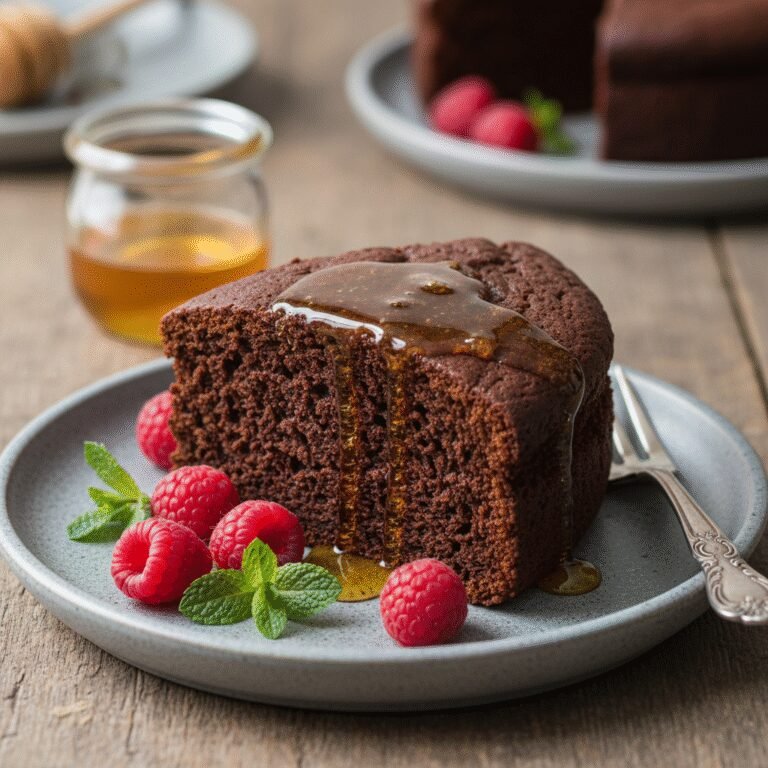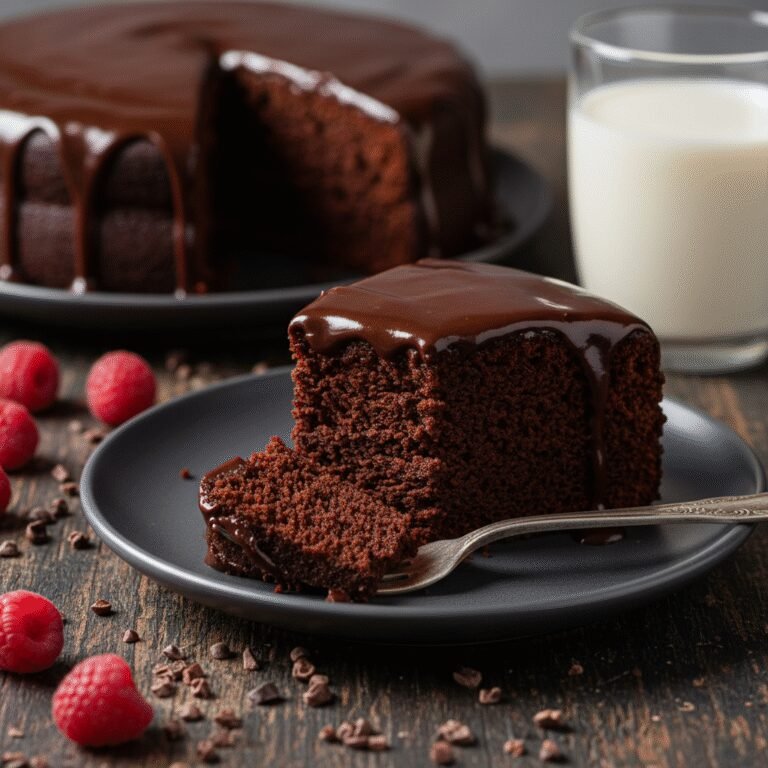
Decadent Low Sugar Almond Flour Chocolate Cake With Maple Syrup
Low Sugar Almond Flour Chocolate Cake With Maple Syrup Recipe
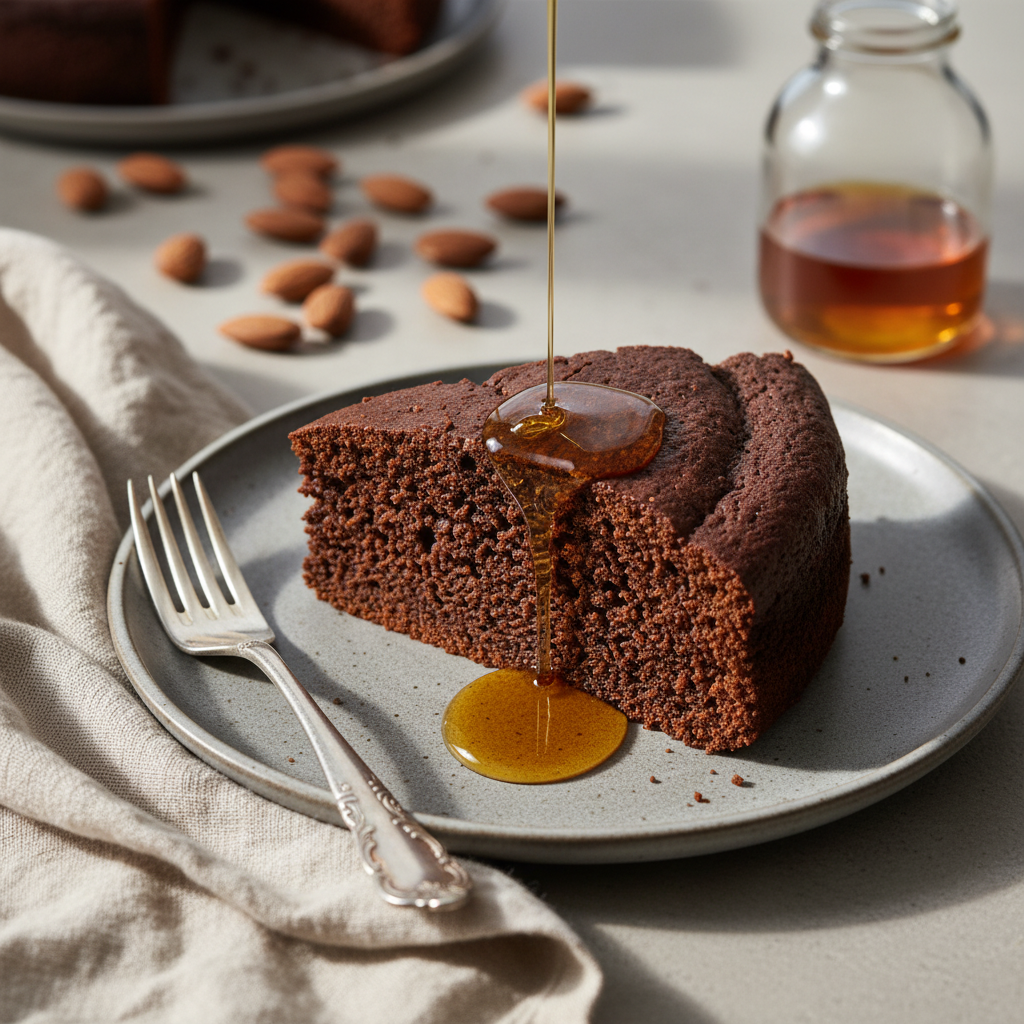
Indulge in a guilt-free dessert that doesn’t compromise on flavor or texture. This moist, fudgy chocolate cake uses nutrient-dense almond flour and is naturally sweetened with pure maple syrup, making it the perfect gluten-free treat for any occasion.
15 minutes
30 minutes
45 minutes
8 servings
Dessert
Baking
American
Gluten-Free
There is a common misconception in the world of baking that removing refined sugar and gluten inevitably leads to a dessert that tastes like ‘health food’—dry, crumbly, or lacking that deep, soul-satisfying richness we crave in a chocolate cake. This recipe for Low Sugar Almond Flour Chocolate Cake completely shatters that myth. By leveraging the natural fat content of almonds and the complex sweetness of pure maple syrup, we achieve a texture that is arguably superior to traditional wheat-based cakes. It is velvety, dense (in the best way possible), and intensely chocolaty.
The magic of this cake lies in its simplicity. It does not require gums, stabilizers, or a complicated blend of gluten-free flours. It relies on the chemistry of almond flour, which provides a moist crumb that stays fresh for days. The maple syrup adds a subtle caramel undertone that enhances the cocoa powder, creating a sophisticated flavor profile that isn’t cloyingly sweet. Whether you are following a gluten-free diet, looking to reduce your refined sugar intake, or simply want a delicious dessert that won’t leave you with a heavy sugar crash, this cake is a revelation. It pairs beautifully with fresh berries, a dollop of coconut whipped cream, or simply a dusting of cacao powder. Prepare to be asked for the recipe after the very first bite, as friends and family will find it hard to believe this is a ‘low sugar’ alternative.
History & Origins
The concept of the flourless or almond-based chocolate cake has roots that go much deeper than the modern gluten-free trend. One of the most famous ancestors of this style of cake is the Italian ‘Torte Caprese.’ Originating from the island of Capri, legend has it that the cake was created by accident in the 1920s when a chef, distracted by the presence of gangsters in his bakery, forgot to add flour to his almond and chocolate cake batter. The result was a masterpiece—soft inside, crisp outside—that became an Italian staple.
However, the history of chocolate cake itself dates back to the 18th century. Dr. James Baker discovered how to make chocolate by grinding cocoa beans between massive circular millstones in 1764. Yet, early versions were more like sweet breads or puddings. It wasn’t until the mid-19th century, with the availability of baking powder and bicarbonate of soda, that cakes as we know them began to rise.
In the late 20th and early 21st centuries, as awareness of celiac disease and gluten sensitivity grew, bakers began revisiting nut flours. The Paleo and ‘Clean Eating’ movements further pushed the envelope, seeking alternatives to refined white sugar. This specific iteration—using maple syrup instead of granulated sugar—represents a modern American evolution of the European nut torte. It embraces the indigenous sweetener of North America (maple syrup) to create a dessert that honors both culinary tradition and modern nutritional awareness.
Why This Recipe Works
This recipe succeeds where many gluten-free goods fail because it embraces the unique properties of its ingredients rather than trying to force them to act like wheat. Almond flour is high in fat and protein, but lacks gluten. In traditional baking, gluten provides structure and elasticity. Without it, we need eggs to provide the scaffolding for the cake. The fat in the almond flour, combined with the added oil (or butter), ensures the cake remains incredibly moist. Unlike wheat flour, which can become tough if overmixed, almond flour is forgiving and contributes to a tender, melt-in-your-mouth mouthfeel.
The choice of maple syrup is also scientifically significant. Maple syrup is a liquid sweetener, which adds additional moisture to the batter. Because almond flour is hygroscopic (it absorbs moisture), the liquid content of the syrup prevents the cake from drying out during baking. Furthermore, cocoa powder is naturally acidic. When we use baking soda as a leavener, it reacts with the acidity in the cocoa and the maple syrup to create carbon dioxide bubbles, lifting the cake and keeping it light despite the density of the almond flour. This chemical balance results in a cake that is fudgy but not heavy, with a depth of flavor that refined white sugar simply cannot provide.
Why You’ll Love This Recipe
- ✓Completely Gluten-Free and Grain-Free
- ✓Naturally sweetened with pure maple syrup
- ✓Rich, fudgy texture similar to a brownie
- ✓High in protein and healthy fats
- ✓Simple one-bowl preparation
- ✓Dairy-free friendly options included
Equipment You’ll Need
- ✓8-inch round cake pan
- ✓Parchment paper
- ✓Large mixing bowl
- ✓Medium mixing bowl
- ✓Whisk
- ✓Rubber spatula
- ✓Measuring cups and spoons
- ✓Wire cooling rack
Ingredients
- ✓2 cups Super Fine Almond Flour (blanched, not almond meal)
- ✓1/2 cup Unsweetened Cocoa Powder (Dutch-processed preferred)
- ✓1 teaspoon Baking Soda
- ✓1/4 teaspoon Sea Salt
- ✓3 large Eggs, at room temperature
- ✓1/2 cup Pure Maple Syrup (Grade A or B)
- ✓1/3 cup Coconut Oil (melted) or Unsalted Butter (melted)
- ✓1 teaspoon Pure Vanilla Extract
Instructions
- Preheat your oven to 350°F (175°C). Grease an 8-inch round cake pan with a little oil and line the bottom with a circle of parchment paper to ensure easy removal.
- In a large mixing bowl, whisk together the dry ingredients: almond flour, cocoa powder, baking soda, and salt. Make sure to break up any clumps in the almond flour or cocoa powder.
- In a separate medium bowl, whisk together the wet ingredients: eggs, maple syrup, melted coconut oil (or butter), and vanilla extract until fully combined and smooth.
- Pour the wet ingredients into the bowl with the dry ingredients. Use a rubber spatula to stir the mixture until just combined. Do not overmix, but ensure there are no pockets of dry flour at the bottom.
- Pour the batter into the prepared cake pan. Smooth the top with your spatula to ensure an even layer.
- Bake in the preheated oven for 28-32 minutes. Test for doneness by inserting a toothpick into the center of the cake; it should come out clean or with just a few moist crumbs attached.
- Remove the cake from the oven and let it cool in the pan for at least 15 minutes. This step is crucial as almond flour cakes are fragile when hot.
- Run a knife gently around the edge of the pan, then carefully invert the cake onto a wire rack to cool completely before slicing or frosting.
Expert Cooking Tips
- ✓Use blanched, super-fine almond flour rather than almond meal for a cake-like texture; almond meal will result in a gritty, heavier cake.
- ✓Ensure your eggs are at room temperature before mixing. Cold eggs can cause the melted coconut oil to solidify instantly, creating lumps in your batter.
- ✓Sift the cocoa powder if it looks lumpy. Cocoa powder tends to clump in the container, and these clumps are bitter to bite into.
- ✓Do not skip the parchment paper. Gluten-free cakes can be stickier than wheat cakes, and the paper guarantees a perfect release.
- ✓Let the cake cool completely before slicing. The structure of almond flour sets as it cools; cutting it warm may cause it to crumble.
- ✓If you prefer a darker chocolate flavor, add a teaspoon of espresso powder to the dry ingredients to enhance the cocoa.
- ✓Check the cake at the 25-minute mark. All ovens vary, and almond flour can burn faster than wheat flour.
Substitutions and Variations
This recipe is quite versatile, but specific substitutions are needed to maintain the chemistry. If you cannot use almond flour, hazelnut flour is the closest substitute by weight and fat content, though it will significantly change the flavor profile to a ‘Nutella-esque’ taste. Do not substitute coconut flour 1:1; coconut flour is extremely absorbent and would require a completely different recipe. For the sweetener, honey or agave nectar can be used in place of maple syrup in equal amounts, though honey will make the cake brown faster and have a distinct floral taste. If you are vegan, you can try using flax eggs (1 tablespoon ground flaxseed + 3 tablespoons water per egg), but be aware the cake will be denser and have less rise. For the fat, melted butter, ghee, or avocado oil work perfectly if you do not want the slight coconut flavor from coconut oil.
Common Mistakes to Avoid
The most common mistake is confusing almond flour with almond meal. Almond flour is made from blanched (skinless) almonds and is finely ground, whereas meal contains the skins and is coarser. Using meal results in a heavy, gritty texture. Another frequent error is over-baking. Because the cake is dark, it’s hard to see it browning. Rely on the toothpick test and remember that the cake continues to cook slightly as it cools in the pan. Taking it out when the toothpick has a few moist crumbs is better than waiting until it’s bone dry. Finally, using liquid sweeteners like maple syrup means the batter is looser than traditional batter; don’t be alarmed by the consistency and do not add extra flour to ‘thicken’ it, or the result will be dry.
Serving Suggestions
This cake is elegant enough to be served on its own but serves as a wonderful canvas for toppings. For a classic approach, dust the cooled cake with powdered sugar or, for a lower sugar option, powdered monk fruit sweetener. It pairs exceptionally well with fresh raspberries or strawberries, as the tartness cuts through the richness of the chocolate. For a decadent dessert, serve a warm slice with a scoop of vanilla dairy-free ice cream or a dollop of coconut whipped cream. A drizzle of warm almond butter or a ganache made from dark chocolate and coconut milk can take it to the next level for special occasions.
Storage and Reheating Tips
Almond flour cakes have a high oil content, which keeps them moist but also means they can spoil if left out too long in warm weather. Store the cake in an airtight container at room temperature for up to 2 days. For longer storage, keep it in the refrigerator for up to 1 week; the cold actually makes the texture even fudgier, similar to a truffle. This cake freezes beautifully. Slice the cake, wrap individual slices in plastic wrap, and place them in a freezer-safe bag. They can be frozen for up to 3 months. Thaw on the counter for 30 minutes before eating.
Nutrition Facts (Estimated)
| Serving Size | 1 slice |
| Calories | 295 kcal |
| Fat | 23g |
| Saturated Fat | 6g |
| Unsaturated Fat | 16g |
| Trans Fat | 0g |
| Cholesterol | 70mg |
| Sodium | 180mg |
| Carbohydrates | 19g |
| Fiber | 4g |
| Sugar | 14g |
| Protein | 9g |
Frequently Asked Questions
Can I use baking powder instead of baking soda?
It is not recommended for this specific recipe. Baking soda is required to react with the acidity of the cocoa powder and maple syrup to create the rise. If you must use baking powder, you would need to use 3-4 times the amount, which might leave a chemical aftertaste.
Is this cake suitable for a Keto diet?
While this cake is lower in carbs than a wheat cake and gluten-free, maple syrup is a form of sugar. For a strict Keto version, you would need to substitute the maple syrup with a sugar-free liquid sweetener like a monk fruit or allulose syrup, though this may slightly alter the moisture and texture.
Why did my cake sink in the middle?
Sinking usually happens for two reasons: either the cake was underbaked, meaning the internal structure wasn’t set before it was removed from the oven, or the baking soda was expired and didn’t provide enough lift. Avoid opening the oven door too frequently during baking.
Can I make this recipe into cupcakes?
Yes! This batter works well for cupcakes. Line a muffin tin with paper liners and fill them about 3/4 full. Reduce the baking time to 18-22 minutes. It should yield about 10-12 cupcakes.
Does this cake taste like coconut?
If you use refined coconut oil, it will have a neutral flavor. If you use virgin (unrefined) coconut oil, there will be a very faint coconut aroma. If you dislike coconut entirely, use melted butter or avocado oil instead.
Can I frost this cake?
Absolutely. A chocolate avocado frosting, a cream cheese frosting, or a simple ganache works perfectly. Just ensure the cake is 100% cool before applying any frosting, as the heat will melt it immediately.
What is Dutch-processed cocoa powder?
Dutch-processed cocoa has been treated with an alkalizing agent to reduce acidity, giving it a darker color and smoother flavor. While this recipe calls for it for flavor, natural cocoa powder will also work, though the cake might be lighter in color and slightly more acidic.
Is this safe for people with peanut allergies?
Generally, yes, as it uses almonds. However, cross-contamination is common in processing facilities. Always check the labels of your almond flour and other ingredients to ensure they were processed in a peanut-free facility if the allergy is severe.
Conclusion
This Low Sugar Almond Flour Chocolate Cake is proof that healthy choices do not require sacrificing the joy of baking or the pleasure of eating. It bridges the gap between a wholesome, nutrient-dense snack and a luxurious dessert. Whether you are baking for a gluten-intolerant friend, a health-conscious family member, or just treating yourself on a quiet Sunday afternoon, this recipe delivers consistent, delicious results. The combination of rich cocoa, nutty almond flour, and the warmth of maple syrup creates a flavor harmony that is truly memorable. Give it a try, and you might just find it replacing your standard chocolate cake recipe permanently.