Decadent Low Sugar Almond Flour Chocolate Cake With Stevia
Low Sugar Almond Flour Chocolate Cake With Stevia Recipe
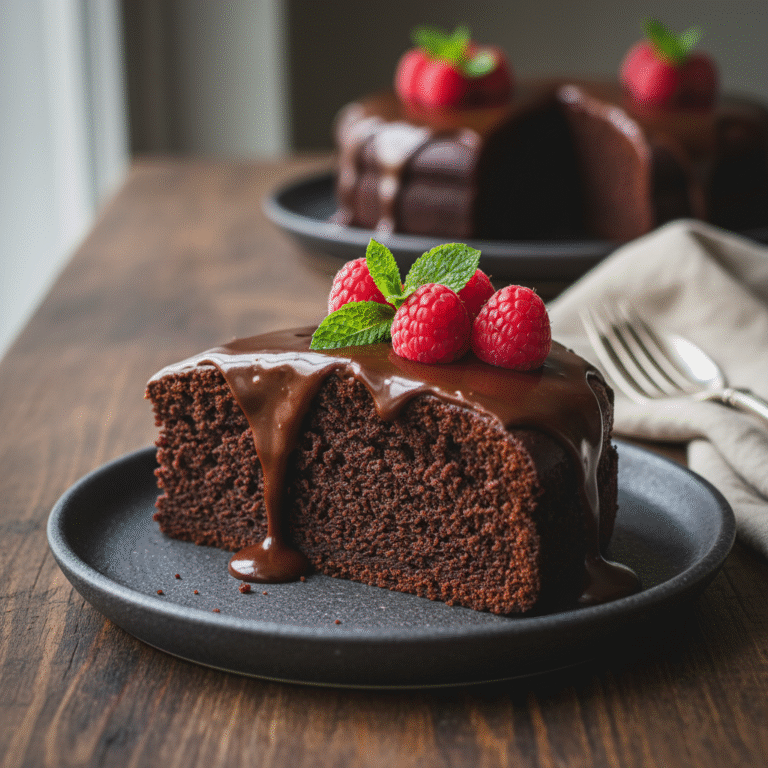
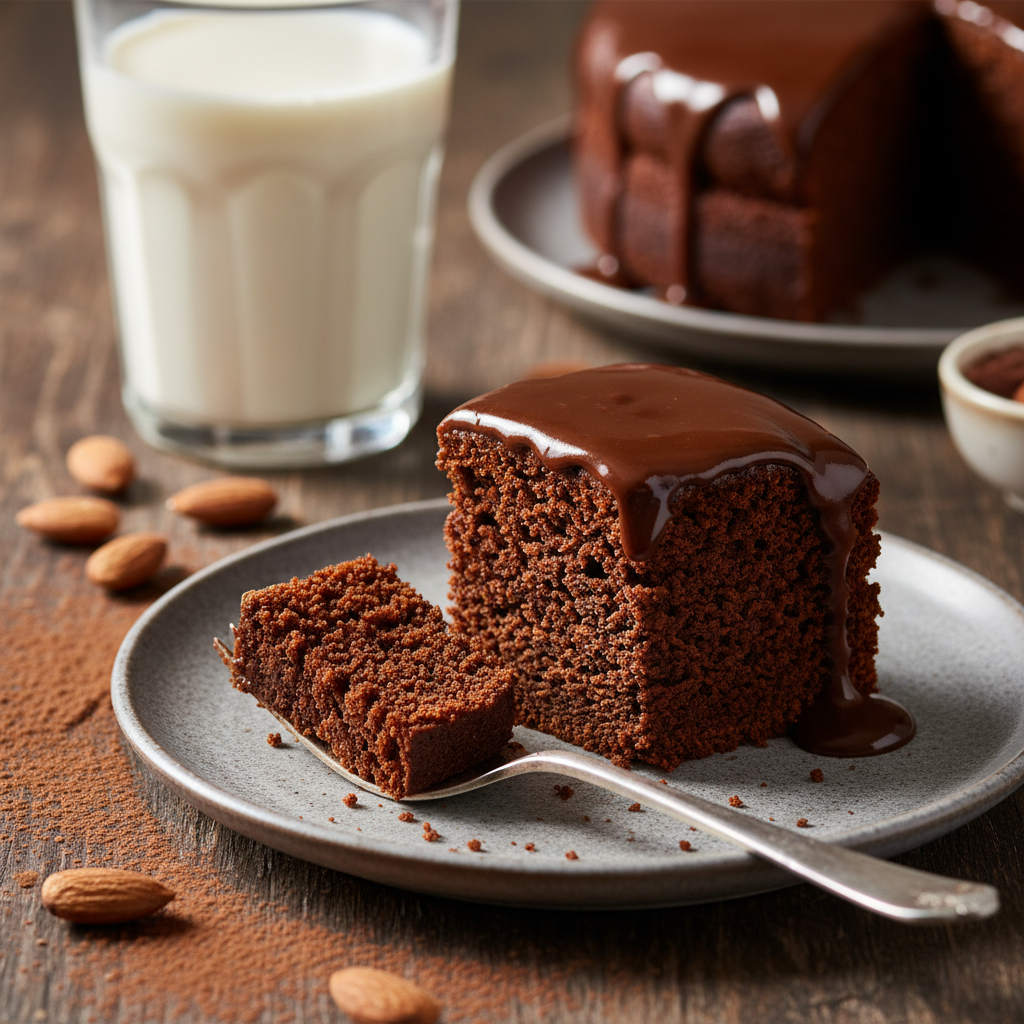
Indulge in this ultra-moist, rich, and deeply chocolatey cake that fits perfectly into a low-sugar lifestyle. Sweetened naturally with Stevia and built on a base of nutrient-dense almond flour, this guilt-free dessert delivers all the satisfaction of a traditional bakery treat without the carb crash.
20 minutes
30 minutes
50 minutes
12 slices
Dessert
Baking
American / Keto
Gluten-Free
There is something universally comforting about a slice of chocolate cake. It is the quintessential dessert for birthdays, anniversaries, and those quiet Tuesday nights when you just need a little pick-me-up. However, for those of us monitoring our sugar intake or adhering to a gluten-free lifestyle, the search for the perfect cake can often feel like a series of disappointments. Dry crumbs, strange aftertastes, and dense textures are all too common in the world of ‘healthy’ baking. That is exactly why I developed this Low Sugar Almond Flour Chocolate Cake with Stevia. I wanted to create a recipe that didn’t just mimic the real thing but stood proudly on its own as a delicious masterpiece.
This cake features a incredibly tender crumb, thanks to the natural oils found in almond flour, which keep the bake moist for days. Unlike traditional wheat flour, almond flour adds a subtle nuttiness that pairs beautifully with the bold, dark cocoa powder. The real magic, however, lies in how we utilize Stevia. Many home bakers are wary of Stevia due to its potential for a bitter aftertaste, but by balancing it with the right amount of fat and cocoa, we mask any metallic notes, leaving only pure sweetness. Whether you are keto, gluten-free, or simply trying to cut down on refined sugars, this cake is a revelation. It is rich enough to satisfy the most intense chocolate cravings yet light enough that you won’t feel weighed down afterward. Prepare to fall in love with baking all over again.
History & Origins
The history of chocolate cake is a journey that mirrors the evolution of chocolate itself. While chocolate has been consumed as a beverage for thousands of years, starting with Mesoamerican civilizations, it wasn’t until the 18th and 19th centuries that it began to appear in solid baked goods. Dr. James Baker discovered how to make chocolate by grinding cocoa beans between two massive circular millstones in 1764, paving the way for modern chocolate production. However, the earliest chocolate cakes were actually yellow cakes with chocolate frosting. It wasn’t until the late 19th century, with the innovation of smooth cocoa powder, that chocolate batter became standard.
Fast forward to the late 20th and early 21st centuries, the culinary world saw a massive shift towards dietary inclusivity. The rise of Celiac disease awareness and the popularity of low-carb diets like Atkins and Keto forced a reimagining of the classic sponge. Almond flour, made from ground blanched almonds, emerged as a hero ingredient. Historically used in French dacquoise and macarons, almond flour provided the necessary bulk and structure for gluten-free cakes without the high carbohydrate content of wheat.
Simultaneously, the search for natural, zero-calorie sweeteners brought Stevia rebaudiana to the forefront. Native to Brazil and Paraguay, the Stevia plant has been used for centuries to sweeten teas and medicines. Its integration into Western baking is a relatively modern phenomenon, driven by the clean-eating movement. This recipe represents the convergence of these historical timelines: the classic comfort of 19th-century chocolate cake, the modern necessity of gluten-free almond flour, and the health-conscious application of ancient natural sweeteners.
Why This Recipe Works
This recipe succeeds where many low-carb desserts fail because it prioritizes moisture retention and flavor balance. Baking with almond flour is fundamentally different from baking with wheat flour because almond flour lacks gluten, the protein that gives traditional cakes their elasticity and structure. To compensate for this, we rely heavily on eggs and baking powder to provide lift. The eggs not only act as a binder but also trap air during the mixing process, ensuring the cake rises beautifully rather than remaining a dense puck.
Furthermore, almond flour is high in fat. While this might sound intimidating, it is actually the secret weapon for texture. In the absence of sugar—which is hygroscopic and helps retain moisture in traditional baking—the fat from the almonds ensures the cake remains soft and tender.
The challenge with Stevia is its potency; it is hundreds of times sweeter than sugar but lacks the physical bulk. This recipe uses a specific liquid-to-dry ratio to account for the missing volume of sugar. Additionally, the inclusion of high-quality Dutch-processed cocoa powder is crucial. The alkalization process of Dutch cocoa reduces acidity, providing a smoother, mellower chocolate flavor that harmonizes with the Stevia rather than clashing with it. Finally, the addition of a hot liquid (like hot water or coffee) at the end of mixing ‘blooms’ the cocoa, intensifying the chocolate flavor and ensuring the batter is fluid enough to bake evenly.
Why You’ll Love This Recipe
- ✓100% Gluten-Free and Grain-Free
- ✓Keto-Friendly and Low Carb
- ✓No Refined Sugars or Artificial Sweeteners
- ✓Incredibly Moist Texture
- ✓Rich, Deep Chocolate Flavor
- ✓Simple One-Bowl Preparation
Equipment You’ll Need
- ✓Two 8-inch round cake pans
- ✓Large mixing bowl
- ✓Electric hand mixer or stand mixer
- ✓Whisk
- ✓Rubber spatula
- ✓Measuring cups and spoons
- ✓Parchment paper
- ✓Wire cooling rack
Ingredients
- ✓2 cups Super Fine Almond Flour (blanched)
- ✓1/2 cup Unsweetened Cocoa Powder (Dutch-processed preferred)
- ✓1 tsp Baking Powder
- ✓1/2 tsp Baking Soda
- ✓1/4 tsp Sea Salt
- ✓1/2 cup Unsalted Butter, melted and cooled (or Coconut Oil)
- ✓3 large Eggs, room temperature
- ✓1/3 cup Unsweetened Almond Milk
- ✓1 tsp Vanilla Extract
- ✓1 tsp Liquid Stevia (or equivalent granular blend to taste)
- ✓1/4 cup Hot Coffee or Hot Water (to bloom cocoa)
Instructions
- Preheat your oven to 350°F (175°C). Grease two 8-inch round cake pans with butter or oil and line the bottoms with parchment paper to ensure easy removal.
- In a large mixing bowl, whisk together the dry ingredients: almond flour, cocoa powder, baking powder, baking soda, and sea salt. Ensure there are no lumps, especially in the almond flour.
- In a separate medium bowl, whisk together the wet ingredients: melted butter, room temperature eggs, almond milk, vanilla extract, and liquid Stevia.
- Pour the wet ingredients into the dry ingredients. Use an electric mixer on low speed or a whisk to combine until just incorporated. Do not overmix.
- Slowly pour in the hot coffee (or hot water) while stirring gently. The batter will become thinner; this is normal and helps produce a moist cake.
- Divide the batter evenly between the two prepared cake pans. Tap the pans gently on the counter to release any large air bubbles.
- Bake in the preheated oven for 25-30 minutes, or until a toothpick inserted into the center comes out clean or with just a few moist crumbs attached.
- Remove from the oven and let the cakes cool in the pans for about 10 minutes. Then, carefully run a knife around the edges and invert them onto a wire rack to cool completely before frosting.
Expert Cooking Tips
- ✓Use superfine blanched almond flour, not almond meal, to avoid a gritty texture.
- ✓Room temperature eggs incorporate much better than cold eggs, creating a smoother emulsion.
- ✓Don’t skip the parchment paper; almond flour cakes can be more fragile than wheat cakes and may stick.
- ✓If using granular Stevia instead of liquid, check the conversion chart on the package as brands vary significantly.
- ✓Blooming the cocoa with hot coffee enhances the chocolate depth without making the cake taste like coffee.
- ✓Let the cake cool completely before slicing; it firms up as it cools.
- ✓Sift the cocoa powder to prevent bitter lumps in your batter.
Substitutions and Variations
This recipe is quite versatile, allowing for several substitutions depending on your dietary needs. If you are dairy-free, you can easily swap the melted butter for melted coconut oil or even avocado oil. The result will be just as moist, though the coconut oil may impart a slight coconut flavor unless you use refined oil. For the almond milk, any unsweetened non-dairy milk works perfectly, such as cashew, soy, or oat milk (though oat milk will increase the carb count). If you do not have liquid Stevia, you can use a granular erythritol-stevia blend like Swerve or Pyure. Generally, you would use about 1/2 to 2/3 cup of granular sweetener, but always taste the batter to ensure it meets your sweetness preference. While this is an almond flour recipe, some have had success mixing in a small amount of coconut flour (about 2 tablespoons) if the batter feels too runny, but be careful as coconut flour absorbs a lot of moisture. We do not recommend substituting the eggs with flax eggs for this specific recipe, as the eggs provide essential structure that almond flour cannot support alone.
Common Mistakes to Avoid
The most common mistake when baking with almond flour is measuring it incorrectly. Because it is denser than wheat flour, packing it into the measuring cup can lead to a dry, heavy cake. Always spoon the flour into the cup and level it off with a knife, or better yet, use a kitchen scale for precision. Another frequent error is overbaking. Almond flour browns faster than wheat flour and can dry out quickly. Watch your oven closely around the 25-minute mark. Additionally, many people try to frost the cake while it is still warm. Because this cake is gluten-free, it is more delicate when warm. Frosting it too soon can cause the layers to tear or slide apart. Finally, using a low-quality stevia can result in a bitter aftertaste. Investing in a high-quality, pure stevia extract or a reputable blend makes a world of difference in the final flavor profile.
Serving Suggestions
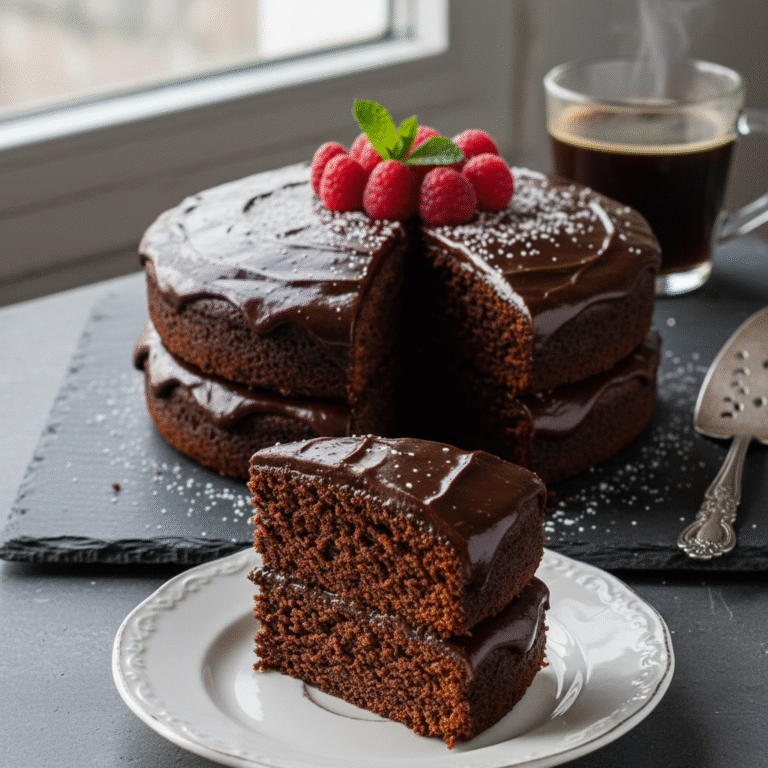
This cake is a stunning blank canvas for a variety of toppings. For a classic approach, frost it with a sugar-free chocolate buttercream or a keto-friendly cream cheese frosting. If you prefer something lighter, a dollop of unsweetened whipped cream and a handful of fresh raspberries or strawberries provide a tart contrast to the rich chocolate. For a truly decadent dessert, serve a slice warm with a scoop of low-carb vanilla ice cream and a drizzle of sugar-free chocolate syrup. A dusting of powdered erythritol or shaved dark chocolate (85% cocoa or higher) also adds an elegant finishing touch suitable for dinner parties.
Storage and Reheating Tips
Proper storage is key to maintaining the moisture of this almond flour cake. Store leftover cake in an airtight container at room temperature for up to 2 days. If you live in a hot or humid climate, or if the cake is frosted with cream cheese or whipped cream, it is best to store it in the refrigerator, where it will keep for up to 5 days. The cake actually tastes incredible when chilled, taking on a fudgy, brownie-like texture. For long-term storage, you can freeze individual slices. Wrap each slice tightly in plastic wrap and then place them in a freezer-safe bag or container. They will last for up to 3 months in the freezer. Thaw overnight in the fridge or on the counter for an hour before serving.
Nutrition Facts (Estimated)
| Serving Size | 1 slice |
| Calories | 210 |
| Fat | 18g |
| Saturated Fat | 4g |
| Unsaturated Fat | 12g |
| Trans Fat | 0g |
| Cholesterol | 55mg |
| Sodium | 180mg |
| Carbohydrates | 6g |
| Fiber | 3g |
| Sugar | 1g |
| Protein | 7g |
Frequently Asked Questions
Can I use almond meal instead of almond flour?
It is not recommended. Almond meal contains the skins of the almonds, which results in a coarser, heavier texture. Superfine blanched almond flour yields a light, cake-like crumb that closely resembles traditional flour.
Does this cake taste like stevia?
If you use the recommended amount and a high-quality brand, the stevia taste should be undetectable. The strong flavor of the cocoa powder and the richness of the butter effectively mask the sweetener’s aftertaste.
Why did my cake fall in the middle?
This usually happens if the cake was underbaked or if the oven door was opened too early, causing a sudden temperature drop. It can also occur if too much baking powder was used.
Can I bake this in a 9×13 pan instead?
Yes, you can bake this in a rectangular 9×13 pan. You may need to adjust the baking time slightly, likely adding 5-10 minutes. Check for doneness with a toothpick.
Is this cake safe for diabetics?
Generally, yes. It is low in carbohydrates and uses Stevia, which does not spike blood sugar. However, everyone’s dietary needs are different, so check with a healthcare provider if unsure.
Can I replace the butter with oil?
Yes, melted coconut oil or avocado oil are excellent 1:1 substitutions for butter in this recipe.
How do I make this dairy-free?
Substitute the butter for coconut oil and ensure your almond milk and any frosting you use are dairy-free.
Can I add nuts or chocolate chips?
Absolutely! Folding in half a cup of sugar-free chocolate chips or chopped walnuts adds great texture.
Why is my batter so runny?
The batter is naturally thinner than traditional cake batter, especially after adding the hot liquid. This is intentional and helps the almond flour hydrate during baking.
Conclusion
Creating a healthy dessert that satisfies the soul is no small feat, but this Low Sugar Almond Flour Chocolate Cake with Stevia hits every mark. It proves that you don’t need refined flour or truckloads of sugar to create a celebration-worthy treat. Whether you are baking for a special occasion or just treating yourself to a healthier version of a childhood favorite, this recipe is sure to become a staple in your kitchen. The combination of rich cocoa, nutty almond flour, and guilt-free sweetness offers a balance that is hard to beat. So preheat that oven, gather your ingredients, and get ready to enjoy a slice of pure chocolate bliss without the compromise.