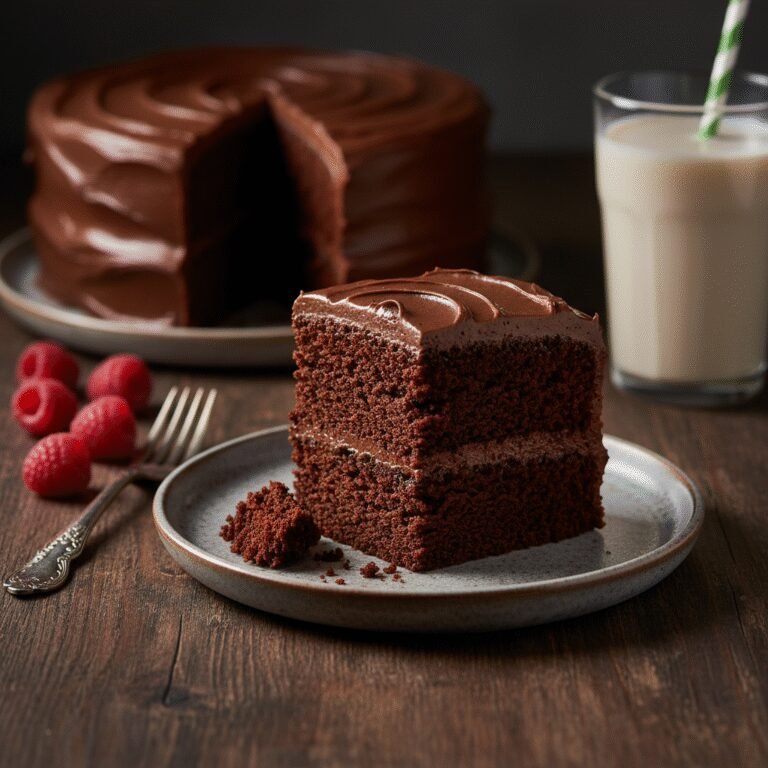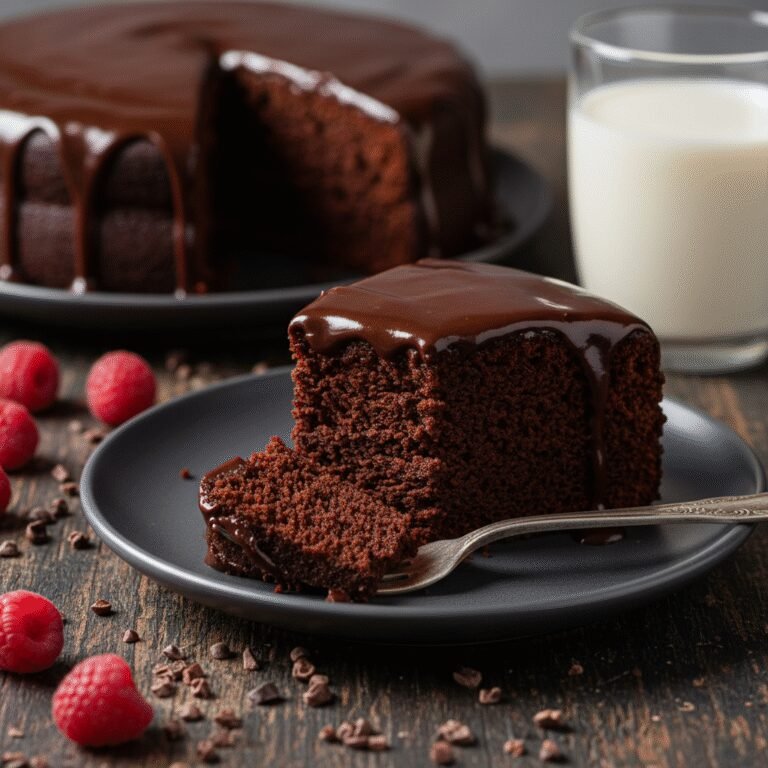
The Ultimate Low Sugar Almond Flour Chocolate Cake
Low Sugar Almond Flour Chocolate Cake Recipe
Indulge without the guilt in this incredibly moist, fudgy, and rich chocolate cake. Made with nutrient-dense almond flour and naturally sweetened, it’s the perfect gluten-free dessert that doesn’t compromise on decadent flavor.
15 minutes
30 minutes
45 minutes
8 servings
Dessert
Baking
American / Italian Inspired
Gluten-Free
There is a common misconception that healthy desserts, particularly those labeled ‘low sugar’ or ‘gluten-free’, are destined to be dry, crumbly, or lacking in that deep, soul-satisfying flavor we crave. This Low Sugar Almond Flour Chocolate Cake is here to completely shatter those expectations. Imagine a slice of cake that is intensely chocolatey, with a crumb so tender and moist it almost melts in your mouth, yet it won’t send your blood sugar on a rollercoaster ride. This recipe has become a staple in my kitchen, not just for special dietary needs, but because it genuinely tastes better than many traditional wheat-based cakes I have baked in the past.
The secret lies in the almond flour. Unlike all-purpose flour, which relies on gluten for structure and can easily become tough if overmixed, almond flour brings a natural richness and high fat content that guarantees a fudgy texture every single time. When paired with high-quality cocoa powder and a reliable low-glycemic sweetener, the result is a sophisticated dessert that feels incredibly indulgent. Whether you are following a ketogenic diet, managing diabetes, or simply trying to reduce your refined sugar intake, this cake proves you can have your cake and eat it too. It is perfect for birthdays, dinner parties, or those quiet evenings when you just need a little something sweet to end the day on a high note.
History & Origins
The concept of using nut flours in baking is far from a modern health trend; it actually has deep roots in European culinary history. One of the most famous ancestors of this style of cake is the ‘Torta Caprese’, a traditional Italian cake from the island of Capri. Legend has it that the cake was created by accident in the 1920s when a chef, distracted or perhaps overwhelmed, forgot to add flour to an almond chocolate cake batter. The result was a dense, rich, flourless confection that quickly became a local icon. This happy accident highlighted a culinary truth: nuts can provide a superior texture to wheat in certain chocolate applications.
Fast forward to the 21st century, and the landscape of baking has shifted dramatically. With the rise of Celiac disease awareness and the popularity of low-carb diets like Paleo and Keto, home bakers began searching for alternatives to wheat flour and cane sugar. Almond flour emerged as the hero ingredient. Initially, early attempts at low-sugar baking were often disappointing, relying on artificial sweeteners that left bitter aftertastes. However, the introduction of natural sweeteners like stevia, erythritol, and monk fruit revolutionized the game. This specific recipe represents the culmination of that evolution—marrying the old-world technique of nut-based baking with modern nutritional science to create a dessert that honors tradition while fitting perfectly into a contemporary, health-conscious lifestyle.
Why This Recipe Works
This recipe succeeds where many others fail because it leverages the unique chemical properties of almond flour rather than fighting against them. Wheat flour cakes rely on the development of gluten strands to trap air and create lift; however, gluten can also lead to a chewy or tough texture. Almond flour contains no gluten, but it is high in healthy fats. These fats coat the proteins and starch in the cocoa powder, inhibiting gluten-like toughness and ensuring the crumb remains exceptionally soft and moist for days. In fact, this cake often tastes better the next day as the moisture redistributes.
Furthermore, the interaction between the acidic cocoa powder and the baking soda provides the necessary lift, compensating for the heaviness of the nut flour. We also use a specific ratio of eggs to flour. Since almond flour lacks the structural integrity of gluten, the protein in the eggs is crucial for binding the ingredients together so the cake doesn’t crumble apart when sliced. Finally, by using a granulated sweetener like erythritol or monk fruit, we mimic the physical bulk of sugar, which is essential for aerating the batter during the creaming process, ensuring the cake is light rather than dense and brick-like.
Why You’ll Love This Recipe
- ✓Completely Gluten-Free and Grain-Free
- ✓Low Glycemic Index and Keto-Friendly
- ✓Incredibly Moist and Fudgy Texture
- ✓Simple One-Bowl Preparation
- ✓Rich, Deep Chocolate Flavor without the Sugar Crash
- ✓High in Protein and Healthy Fats
Equipment You’ll Need
- ✓8-inch round cake pan
- ✓Parchment paper
- ✓Large mixing bowl
- ✓Whisk
- ✓Rubber spatula
- ✓Measuring cups and spoons
- ✓Wire cooling rack
Ingredients
- ✓2 cups Super Fine Almond Flour (blanched)
- ✓1/2 cup Unsweetened Cocoa Powder (Dutch-process preferred)
- ✓1/2 cup Granulated Monk Fruit Sweetener or Erythritol
- ✓1 tsp Baking Soda
- ✓1/4 tsp Salt
- ✓3 large Eggs (room temperature)
- ✓1/3 cup Coconut Oil or Melted Butter
- ✓1 tsp Pure Vanilla Extract
- ✓1/4 cup Unsweetened Almond Milk (optional, for moisture)
- ✓1/2 tsp Espresso Powder (optional, enhances chocolate flavor)
Instructions
- Preheat your oven to 350°F (175°C). Grease an 8-inch round cake pan with oil or butter and line the bottom with a circle of parchment paper to ensure easy removal.
- In a large mixing bowl, whisk together the dry ingredients: almond flour, cocoa powder, sweetener, baking soda, salt, and espresso powder (if using). Whisk well to break up any clumps of almond flour.
- Create a well in the center of the dry ingredients. Crack the eggs into the well, and add the melted coconut oil (or butter), vanilla extract, and almond milk.
- Using a whisk or a hand mixer on low speed, mix the wet ingredients into the dry ingredients until a smooth, thick batter forms. Do not overmix, but ensure all almond flour is fully incorporated.
- Pour the batter into the prepared cake pan. Use a rubber spatula to smooth the top into an even layer.
- Bake in the preheated oven for 28-32 minutes. Test for doneness by inserting a toothpick into the center of the cake; it should come out clean or with just a few moist crumbs attached.
- Remove the cake from the oven and let it cool in the pan for 10 minutes. This step is crucial as almond flour cakes are fragile when hot.
- Run a knife around the edges to loosen the cake, then carefully invert it onto a wire cooling rack to cool completely before slicing or frosting.
Expert Cooking Tips
- ✓Use super-fine blanched almond flour, not almond meal, for a cake-like texture rather than a gritty one.
- ✓Room temperature eggs incorporate better into the batter, creating a smoother emulsion.
- ✓Don’t skip the parchment paper; low sugar cakes can sometimes stick more stubbornly to pans.
- ✓If the top is browning too quickly before the center is done, tent the pan loosely with aluminum foil.
- ✓Sifting the cocoa powder helps prevent bitter lumps of dry cocoa in the finished cake.
Substitutions and Variations
This recipe is quite versatile, but specific substitutions can alter the texture. If you do not have almond flour, you cannot swap it 1:1 with coconut flour as coconut flour absorbs significantly more moisture; you would need a completely different recipe. However, you can use sunflower seed flour for a nut-free version. For the sweetener, any granulated 1:1 sugar alternative like Swerve, Lakanto, or Allulose works beautifully. If you prefer natural sugars and aren’t strictly low-carb, coconut sugar is a fantastic substitute that adds a caramel note, though it will darken the color. You can replace coconut oil with melted unsalted butter or avocado oil. For a dairy-free buttermilk effect, add a teaspoon of apple cider vinegar to the almond milk before mixing.
Common Mistakes to Avoid
The most common mistake is measuring almond flour incorrectly. Because it is coarser than wheat flour, it can easily be packed down, leading to a dense, dry cake. Always spoon the flour into the measuring cup and level it off, or better yet, use a kitchen scale. Another error is cutting the cake while it is still warm. Almond flour cakes rely on the cooling process to ‘set’ their structure. If you cut it too soon, it may crumble or seem undercooked in the center. Lastly, using a sweetener that doesn’t measure 1:1 with sugar can throw off the sweetness balance, so always check the packaging of your specific brand.
Serving Suggestions
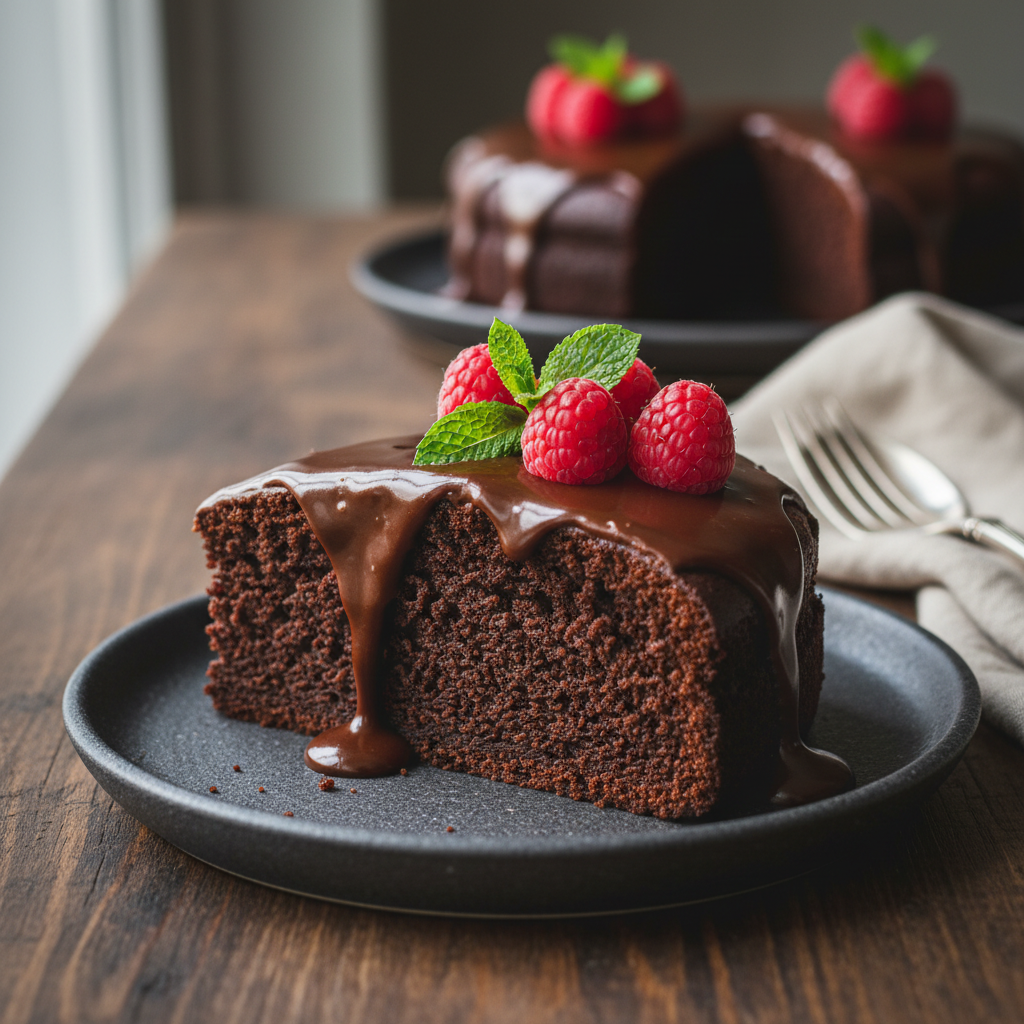
This cake is elegant enough to be served simply with a dusting of powdered sweetener and a handful of fresh raspberries. For a more decadent treat, top it with a dollop of sugar-free whipped cream or coconut cream. It also pairs beautifully with a ganache made from sugar-free dark chocolate chips and heavy cream. Serve it alongside a hot cup of espresso or a cold glass of almond milk. If you are serving this for a celebration, a layer of cream cheese frosting (sweetened with stevia) provides a lovely tangy contrast to the rich chocolate.
Storage and Reheating Tips
Because this cake is high in moisture and contains no preservatives, it stores best in the refrigerator. Wrap it tightly in plastic wrap or store it in an airtight container to prevent it from absorbing fridge odors. It will stay fresh for up to 5 days in the fridge. For longer storage, slice the cake and freeze individual pieces separated by parchment paper. It freezes exceptionally well for up to 3 months. To reheat, simply let it thaw on the counter for 30 minutes or microwave for 10-15 seconds to bring back that fresh-baked warmth.
Nutrition Facts (Estimated)
| Serving Size | 1 slice |
| Calories | 245 |
| Fat | 21g |
| Saturated Fat | 4g |
| Unsaturated Fat | 16g |
| Trans Fat | 0g |
| Cholesterol | 55mg |
| Sodium | 180mg |
| Carbohydrates | 8g |
| Fiber | 4g |
| Sugar | 1g |
| Protein | 9g |
Frequently Asked Questions
Can I use almond meal instead of almond flour?
Technically yes, but the texture will be much denser and grittier. Almond meal includes the skins of the almonds, whereas almond flour is made from blanched (peeled) almonds. For a light, cake-like crumb, super-fine blanched almond flour is highly recommended.
Why did my cake sink in the middle?
Sinking usually happens if the cake was underbaked or if the oven door was opened too early, causing a sudden temperature drop. It can also happen if too much baking soda was used. Ensure your oven is calibrated and try not to peek until the timer is near the end.
Is this cake suitable for a Keto diet?
Yes, absolutely. At approximately 4g of net carbs per slice (depending on the specific brands of ingredients used), this fits perfectly into a standard ketogenic diet plan.
Can I make this egg-free?
Almond flour relies heavily on eggs for structure since there is no gluten. While flax eggs or chia eggs can work as binders, the cake will be significantly denser and flatter. It won’t have the same fluffy crumb, but it will still be edible and tasty.
What brand of sweetener is best?
I recommend a blend of erythritol and monk fruit (like Lakanto) or Allulose. Allulose is particularly good for baking as it browns and caramelizes similarly to sugar and doesn’t have a cooling aftertaste.
Can I turn this into cupcakes?
Yes! This batter works great for cupcakes. Line a muffin tin with paper liners and bake for 18-22 minutes at the same temperature. It should yield about 10-12 cupcakes.
Why does the cake taste slightly salty?
If you used salted butter instead of coconut oil or unsalted butter, it might be too salty combined with the added salt. Also, ensure your baking soda is fully mixed in; clumps of soda can taste salty and metallic.
Can I add nuts or chocolate chips?
Definitely. Fold in 1/2 cup of sugar-free chocolate chips or chopped walnuts right before pouring the batter into the pan for added texture and flavor.
Conclusion
This Low Sugar Almond Flour Chocolate Cake is more than just a dietary alternative; it is a celebration of flavor and texture that stands on its own merit. By stripping away the refined sugars and gluten, we uncover the nutty, rich essence of the ingredients, resulting in a dessert that feels wholesome yet undeniably luxurious. Whether you are a novice baker or a seasoned pro, this recipe is forgiving, quick, and guaranteed to impress. So, preheat that oven and get ready to enjoy a slice of chocolate heaven that loves you back!