The Ultimate Low Sugar Apple Spice Cake with Erythritol
Low Sugar Low Sugar Apple Spice Cake With Erythritol Recipe
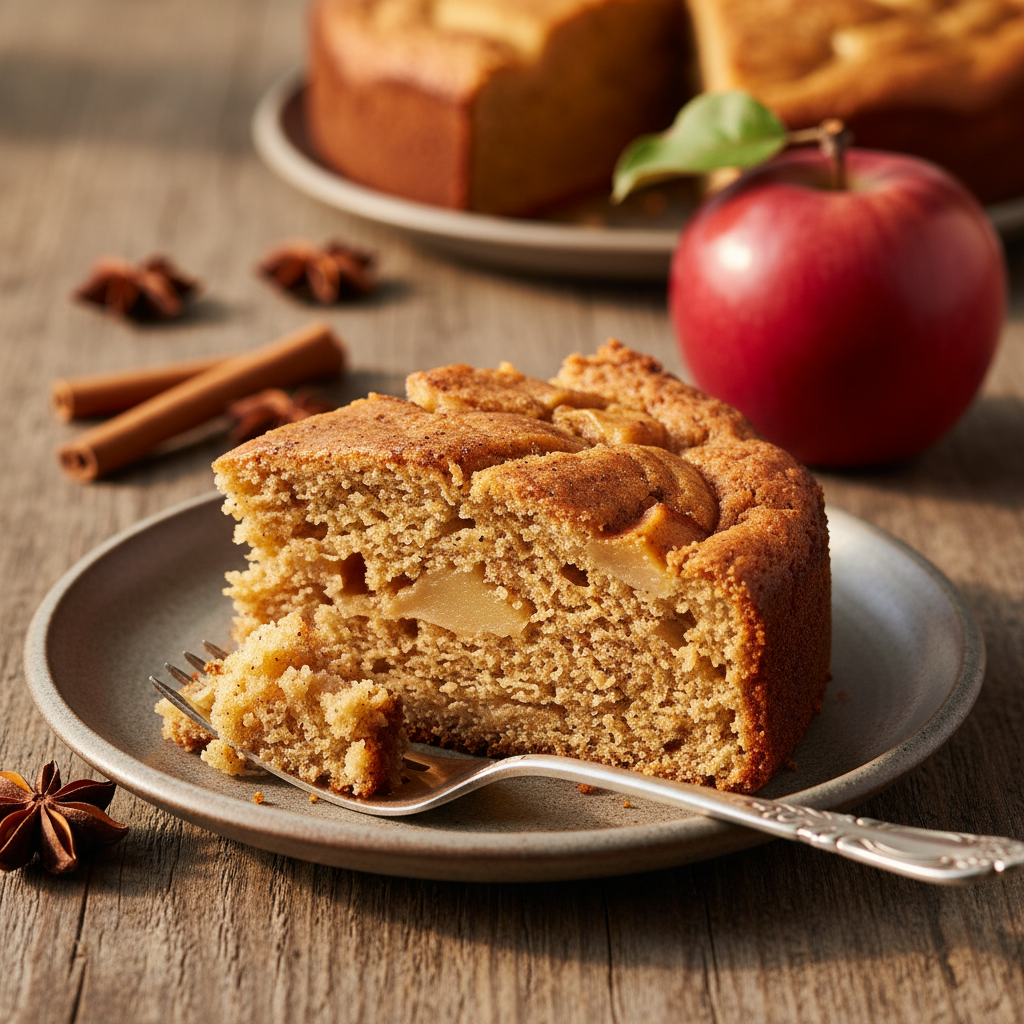
Experience the cozy, warming flavors of autumn without the sugar spike in this delectable Low Sugar Apple Spice Cake. Sweetened with erythritol and packed with fresh apple chunks and cinnamon, it is the perfect guilt-free dessert for your holiday table or afternoon tea.
15 minutes
45 minutes
1 hour
12 slices
Dessert
Baking
American
Diabetic Friendly
There is something undeniably magical about the scent of apples and cinnamon baking in the oven. It evokes memories of crisp autumn days, cozy sweaters, and family gatherings. However, for many of us watching our sugar intake—whether for health reasons, a keto lifestyle, or simply a desire to eat cleaner—traditional apple cake is often off the menu due to its high glycemic load. Enter this revolutionary Low Sugar Apple Spice Cake with Erythritol. This recipe was born out of a desire to reclaim those nostalgic flavors without compromising on health goals. By swapping traditional white sugar for erythritol, a natural sugar alcohol, we eliminate the calories and the blood sugar spike while maintaining that essential sweetness.
What makes this cake truly special is that it doesn’t taste ‘diet.’ Often, low-sugar baked goods can suffer from a dry texture or a distinct chemical aftertaste. This recipe combats that by leveraging the natural moisture and pectin found in fresh apples, combined with a blend of almond and coconut flours that provide a rich, tender crumb. The aromatic spices—cinnamon, nutmeg, and a hint of cloves—work in harmony to mask the slight cooling effect sometimes associated with erythritol, resulting in a flavor profile that is robust, warm, and deeply satisfying. Whether you are serving this at a Thanksgiving feast or enjoying a slice with your morning coffee, this cake proves that you don’t need refined sugar to create a masterpiece of flavor and texture.
History & Origins
The history of apple cake is as deep-rooted as the apple orchards that scatter the American and European landscapes. Apples have been a staple ingredient in desserts for centuries, dating back to medieval Europe where fruit was often used to sweeten breads before refined sugar was widely available or affordable. Early versions of apple cake were often closer to puddings or dense breads. As settlers arrived in North America, they brought apple seeds and their recipes with them. The ‘Apple Pan Dowdy’ and various rustic apple cakes became staples of early American cuisine, celebrated for their ability to use bruised or stored apples during the harvest season.
However, the concept of ‘low sugar’ or ‘sugar-free’ baking is a much more modern phenomenon. In the early 20th century, during times of war and rationing, ‘Depression Cakes’ or ‘War Cakes’ became popular; these omitted milk, sugar, and eggs due to scarcity, often using boiled raisins or molasses for sweetness. The true revolution in sugar-free baking, however, began with the discovery and commercialization of sugar alcohols. Erythritol, the star sweetener in this recipe, was actually discovered in 1848 by a Scottish chemist named John Stenhouse. It occurs naturally in some fruits and fermented foods. It wasn’t until the late 20th and early 21st centuries, with the rise of the obesity epidemic and the popularity of low-carb diets like Atkins and Keto, that erythritol became a pantry staple. This recipe represents the convergence of these two histories: the centuries-old tradition of comforting apple desserts and the modern nutritional science that allows us to enjoy them responsibly.
Why This Recipe Works
Baking with sugar substitutes like erythritol can be tricky because sugar does more than just sweeten; it provides structure, moisture, and browning. This recipe is specifically engineered to overcome the common pitfalls of sugar-free baking. First, we address the ‘cooling effect.’ Erythritol is known for a sensation similar to mint when it dissolves in the mouth. By incorporating a heavy dose of warm spices like cinnamon and nutmeg, and using fats from almond flour and butter (or coconut oil), we distract the palate and neutralize that cooling sensation.
Secondly, moisture retention is critical. Sugar is hygroscopic, meaning it holds onto water. Without it, cakes can be dry. To counter this, we use a combination of almond flour, which is high in natural fats, and fresh diced apples. As the apples bake, they release steam and juice into the crumb, keeping the cake incredibly moist for days. We also use a specific ratio of eggs to bind the heavier nut flours, ensuring the cake rises beautifully rather than remaining dense and flat. The addition of a small amount of baking powder and baking soda ensures a lift that mimics traditional gluten-heavy, sugar-laden cakes. The result is a texture that is fluffy yet substantial, with a sweetness that perfectly mimics sucrose.
Why You’ll Love This Recipe
- ✓Low Glycemic Index: Erythritol has zero effect on blood sugar.
- ✓Gluten-Free & Grain-Free: Made with nutrient-dense almond and coconut flours.
- ✓Incredibly Moist: Fresh apples provide natural hydration.
- ✓Quick Prep: Requires just one bowl and 15 minutes of active time.
- ✓Kid-Friendly: Tastes just like a traditional coffee cake.
Equipment You’ll Need
- ✓9-inch round cake pan or springform pan
- ✓Large mixing bowl
- ✓Whisk
- ✓Rubber spatula
- ✓Measuring cups and spoons
- ✓Apple peeler and corer
- ✓Parchment paper
Ingredients
- ✓2 cups blanched almond flour (super fine)
- ✓2 tbsp coconut flour
- ✓3/4 cup granulated erythritol (or monk fruit/erythritol blend)
- ✓1 tbsp baking powder
- ✓1/2 tsp baking soda
- ✓1 tbsp ground cinnamon
- ✓1/2 tsp ground nutmeg
- ✓1/4 tsp salt
- ✓3 large eggs, room temperature
- ✓1/3 cup unsalted butter or coconut oil, melted
- ✓1 tsp vanilla extract
- ✓1/4 cup unsweetened almond milk
- ✓2 medium apples (Granny Smith or Honeycrisp), peeled, cored, and diced
Instructions
- Preheat your oven to 350°F (175°C). Grease a 9-inch round cake pan or springform pan and line the bottom with parchment paper to prevent sticking.
- In a large mixing bowl, whisk together the dry ingredients: almond flour, coconut flour, erythritol, baking powder, baking soda, cinnamon, nutmeg, and salt. Ensure there are no lumps, especially in the almond flour.
- In a separate medium bowl, whisk the wet ingredients: eggs, melted butter (or coconut oil), vanilla extract, and almond milk until fully combined and slightly frothy.
- Pour the wet ingredients into the dry ingredients. Use a rubber spatula to mix until a thick batter forms. Do not overmix, but ensure all flour is hydrated.
- Gently fold in the diced apples, reserving a small handful to sprinkle on top if desired for presentation.
- Pour the batter into the prepared cake pan. Use the spatula to smooth the top into an even layer. If you saved some apple pieces, press them gently into the top of the batter.
- Bake in the preheated oven for 40-50 minutes. Check the cake at the 40-minute mark. The cake is done when the top is golden brown and a toothpick inserted into the center comes out clean or with just a few moist crumbs.
- Remove from the oven and let the cake cool in the pan for at least 20 minutes. This is crucial as gluten-free/almond flour cakes are fragile when hot and need time to set.
- Run a knife around the edge of the pan, then gently transfer the cake to a wire rack to cool completely before slicing.
Expert Cooking Tips
- ✓Use room temperature eggs to ensure they emulsify properly with the melted butter.
- ✓If you find erythritol has a gritty texture, you can pulse it in a blender for a few seconds to create a powdered sugar consistency before measuring.
- ✓Don’t skip the cooling time! Almond flour cakes are very soft when hot and will crumble if you try to slice them immediately.
- ✓Cover the cake loosely with foil if you notice the top browning too quickly before the center is cooked.
- ✓Granny Smith apples are best for baking as they hold their shape and provide a tart contrast to the sweetener.
Substitutions and Variations
This recipe is quite versatile. If you do not have almond flour, you cannot simply swap it 1:1 with all-purpose flour because the absorption rates are different; however, sunflower seed flour is a great nut-free alternative that behaves similarly to almond flour. For the sweetener, a Monk Fruit and Erythritol blend is often superior to pure erythritol as it reduces the cooling effect. Xylitol can also be used, but be extremely careful as it is toxic to dogs. If you are dairy-free, use coconut oil instead of butter. You can substitute the almond milk with any milk of your choice, such as oat milk or heavy cream for a richer texture. If you don’t have apples, pears make a fantastic substitute that offers a similar texture and sweetness profile.
Common Mistakes to Avoid
The most common mistake with this recipe is over-measuring the flour. When using almond flour, it is best to spoon it into the cup and level it off, rather than scooping directly from the bag, which packs it down and leads to a dry cake. Another mistake is cutting the apples too large; large chunks can cause the cake to fall apart when sliced. Aim for 1/2 inch dice. Finally, do not open the oven door too frequently during baking. Low-carb flours rely on heat consistency to rise, and drafts can cause the center to sink.
Serving Suggestions
This cake is delightful on its own, but it shines when served warm with a dollop of sugar-free whipped cream or a scoop of keto vanilla ice cream. For a breakfast treat, spread a little almond butter on a slice. If you want to elevate the presentation, dust the top with powdered erythritol just before serving. It pairs exceptionally well with a hot cup of black coffee or a chai tea latte, as the spices in the drink complement the cinnamon in the cake.
Storage and Reheating Tips
Because this cake contains fresh fruit and no preservatives, it is best stored in the refrigerator. Place it in an airtight container where it will keep for up to 5 days. The flavors often meld and improve on the second day. You can also freeze this cake very successfully. Slice the cake, wrap individual slices tightly in plastic wrap, and place them in a freezer-safe bag for up to 3 months. Thaw on the counter for an hour or microwave for 20 seconds before eating.
Nutrition Facts (Estimated)
| Serving Size | 1 slice |
| Calories | 185 |
| Fat | 14g |
| Saturated Fat | 3g |
| Unsaturated Fat | 10g |
| Trans Fat | 0g |
| Cholesterol | 45mg |
| Sodium | 150mg |
| Carbohydrates | 8g |
| Fiber | 3g |
| Sugar | 3g |
| Protein | 6g |
Frequently Asked Questions
Can I use regular flour instead of almond flour?
No, not in the same amounts. Almond flour is much denser and has a higher fat content. If you want to use regular flour, you would need to find a different recipe specifically designed for wheat flour, as the liquid ratios here are tailored for nut flour.
Why does my cake have a cooling sensation?
This is a characteristic of erythritol. To minimize it, use a ‘powdered’ version of the sweetener or a blend that includes monk fruit or stevia. Serving the cake warm also helps reduce this sensation.
Can I make this vegan?
Yes, you can use ‘flax eggs’ (1 tbsp ground flaxseed meal + 3 tbsp water per egg) instead of regular eggs, though the cake may be slightly denser and less fluffy.
Will this kick me out of ketosis?
It shouldn’t. The net carbs are very low (around 5g per slice), and the ingredients are low-glycemic. However, everyone’s body reacts differently, so test your levels if you are strict keto.
Can I use brown sugar substitute?
Absolutely! A brown sugar erythritol substitute (like Swerve Brown or Lakanto Golden) adds a wonderful molasses-like depth that pairs perfectly with apples.
Why did my cake sink in the middle?
This usually happens if the cake was underbaked or the oven door was opened too early. Insert a toothpick to ensure the center is fully set before removing it.
Do I have to peel the apples?
It is highly recommended. Apple skins can become tough and separate from the flesh during baking, creating an unpleasant texture in a soft cake.
What size pan is best?
A 9-inch round pan is ideal. You can use an 8-inch pan for a taller cake, but you will need to increase the baking time by 5-10 minutes.
Conclusion
Baking without sugar doesn’t mean you have to sacrifice the joy of a homemade dessert. This Low Sugar Apple Spice Cake with Erythritol proves that you can have your cake and eat it too—literally. With its moist crumb, warming spices, and bursts of fresh apple, it is a testament to how delicious healthy baking can be. Give this recipe a try for your next gathering, or simply treat yourself to a slice of comfort. We guarantee your taste buds (and your blood sugar) will thank you!