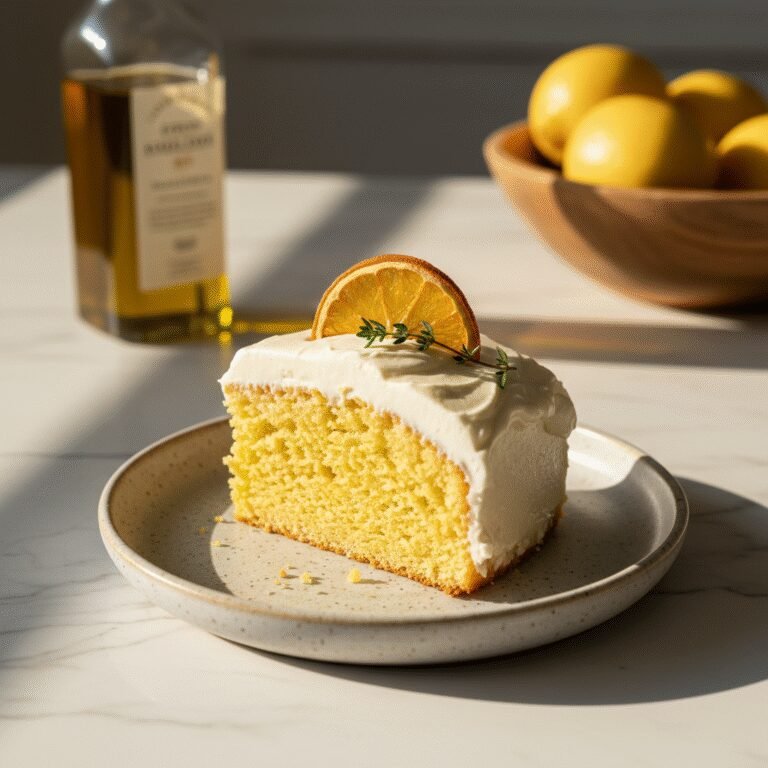
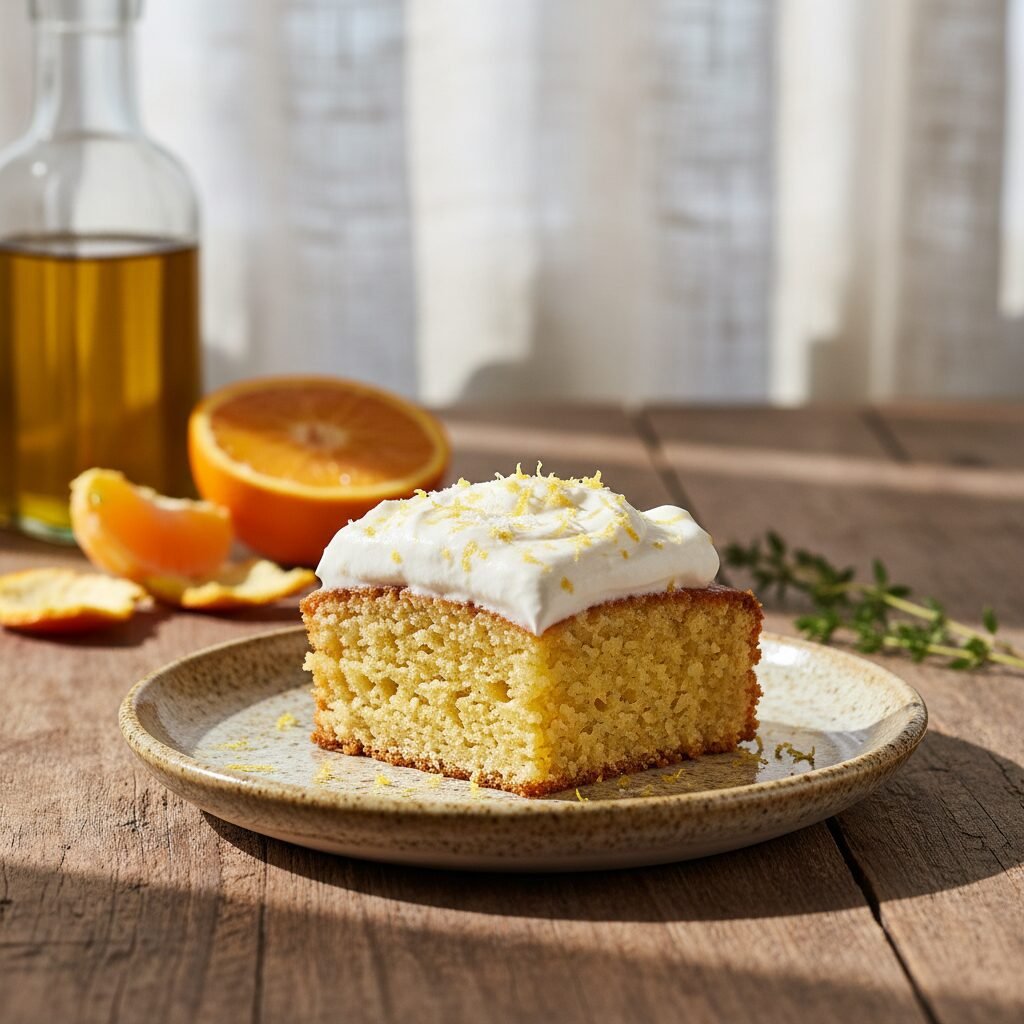
Moist Olive Oil Citrus Cake With Coconut Cream Frosting
Moist Olive Oil Citrus Cake With Coconut Cream Frosting Recipe
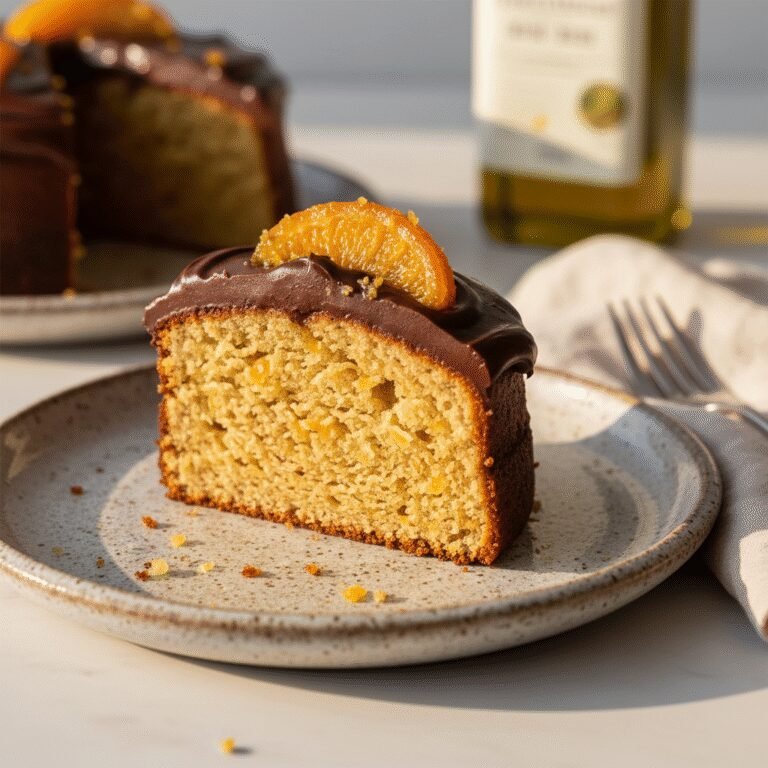
This incredibly tender Olive Oil Citrus Cake balances the fruity richness of extra virgin olive oil with the bright zest of lemon and orange. Topped with a cloud-like, dairy-free coconut cream frosting, it is the perfect sophisticated dessert for brunch or afternoon tea.
25 minutes
45 minutes
1 hour 10 minutes
10-12 servings
Dessert
Baking
Mediterranean Fusion
Dairy-Free
There is something profoundly elegant about an olive oil cake. Unlike its butter-based cousins, which rely on aeration and creamed fats for lift, an olive oil cake boasts a crumb that is distinctly plush, moist, and tender. This Moist Olive Oil Citrus Cake with Coconut Cream Frosting takes that luxurious texture and elevates it with a symphony of bright, aromatic flavors. The magic begins with the olive oil itself—fruity, slightly peppery, and golden—which acts not just as a fat, but as a primary flavor component. When paired with the aggressive brightness of fresh lemon and orange zest, the oil’s grassy notes mellow out, creating a sophisticated profile that is far more complex than a standard vanilla sponge.
What sets this particular recipe apart is the frosting. Instead of a heavy, sugary buttercream that might overwhelm the delicate crumb, we use whipped coconut cream. This dairy-free alternative offers a subtle tropical whisper that pairs beautifully with the citrus, providing a creamy, luscious finish without the heaviness. It is a cake that feels like sunshine on a plate, evoking memories of Mediterranean summers and slow, lazy afternoons. Whether you are a seasoned baker looking for a reliable centerpiece or a novice wanting to impress without complex techniques, this cake delivers on every front. It is rustic enough for a casual breakfast yet refined enough to end a dinner party, bridging the gap between comfort food and gourmet patisserie.
History & Origins
The tradition of baking with olive oil is deeply rooted in the culinary history of the Mediterranean basin, particularly in Italy, Spain, and Greece. For centuries, butter was a luxury item in these regions, often reserved for the wealthy or for specific northern climates where cattle farming was prevalent. In the warmer southern regions, olive trees flourished, making olive oil the fat of choice for both savory cooking and sweet baking. This necessity birthed the ‘torta all’olio,’ a humble, rustic cake that was a staple in ‘cucina povera’ (peasant cooking).
Historically, these cakes were often flavored with whatever was locally abundant. In the citrus groves of Sicily and the Amalfi Coast, lemons and oranges were natural additions. The zest provided essential oils that could cut through the richness of the oil, while the juice added acidity to react with leavening agents. This combination of olive oil and citrus is centuries old, a testament to the adage that ‘what grows together, goes together.’
Over time, the olive oil cake migrated from the grandmother’s kitchen to the menus of high-end restaurants, celebrated for its superior keeping qualities and sophisticated flavor profile. The addition of coconut cream frosting is a more modern, global twist. It reflects the contemporary culinary landscape’s embrace of plant-based alternatives and fusion flavors. While coconut is not native to the Mediterranean, its creamy texture and compatibility with citrus make it a natural successor to traditional glazes or ricotta toppings, creating a bridge between Old World tradition and New World dietary preferences.
Why This Recipe Works
This recipe succeeds primarily due to the unique chemical properties of olive oil compared to butter. Butter is a saturated fat that is solid at room temperature. While delicious, butter-based cakes tend to dry out faster and firm up as they cool. Olive oil, however, is an unsaturated fat that remains liquid at room temperature. This ensures that the cake stays incredibly moist and tender for days after baking, rather than becoming dense or crumbly. The oil coats the flour proteins, inhibiting excessive gluten formation, which results in a tender, melt-in-your-mouth crumb.
Furthermore, the method of rubbing the citrus zest into the sugar before mixing is a crucial technique employed here. Sugar is abrasive and hygroscopic; by massaging the zest into it, you release the essential oils from the citrus skin, infusing the entire batter with a pervasive, aromatic flavor that juice alone cannot achieve.
Finally, the coconut cream frosting works because of its high fat content. When chilled, the saturated fat in coconut milk solidifies, allowing it to be whipped just like heavy dairy cream. This provides a luscious topping that holds its shape but offers a cleaner mouthfeel than buttercream, preventing the dessert from becoming cloyingly sweet or heavy. The slight nuttiness of the coconut bridges the gap between the savory notes of the olive oil and the tartness of the citrus.
Why You’ll Love This Recipe
- ✓Stays moist for 3-4 days thanks to the olive oil.
- ✓Dairy-free friendly (if using the coconut frosting).
- ✓Sophisticated flavor profile balancing sweet, tart, and earthy.
- ✓No stand mixer required for the cake batter.
- ✓Beautiful rustic presentation perfect for any occasion.
Equipment You’ll Need
- ✓9-inch Springform Pan
- ✓Large Mixing Bowl
- ✓Medium Mixing Bowl
- ✓Whisk
- ✓Microplane or Zester
- ✓Electric Hand Mixer (for frosting)
- ✓Rubber Spatula
- ✓Cooling Rack
Ingredients
- ✓1 3/4 cups All-purpose flour
- ✓1 cup Granulated sugar
- ✓1 tsp Baking powder
- ✓1/2 tsp Baking soda
- ✓1/2 tsp Fine sea salt
- ✓3 large Eggs, room temperature
- ✓3/4 cup Extra virgin olive oil (fruity, high quality)
- ✓3/4 cup Whole milk (or almond milk for dairy-free)
- ✓2 tbsp Fresh lemon juice
- ✓1 tbsp Fresh orange juice
- ✓1 tbsp Lemon zest
- ✓1 tbsp Orange zest
- ✓1 tsp Vanilla extract
- ✓1 can (14oz) Full-fat coconut milk, refrigerated overnight
- ✓2-3 tbsp Powdered sugar (for frosting)
- ✓1/2 tsp Vanilla bean paste (for frosting)
- ✓Garnish: Candied citrus slices, fresh thyme, or pistachios
Instructions
- Preheat your oven to 350°F (175°C). Grease a 9-inch springform pan with olive oil and line the bottom with parchment paper.
- In a large mixing bowl, combine the granulated sugar, lemon zest, and orange zest. Use your fingertips to rub the zest into the sugar for about 1-2 minutes until the sugar is fragrant and looks like damp sand.
- Add the eggs to the sugar mixture and whisk vigorously by hand or with an electric mixer until the mixture is pale, thick, and frothy (about 3 minutes).
- Slowly stream in the olive oil while whisking constantly to emulsify the mixture.
- Whisk in the milk, lemon juice, orange juice, and vanilla extract until combined.
- In a separate bowl, whisk together the flour, baking powder, baking soda, and salt.
- Gently fold the dry ingredients into the wet ingredients using a rubber spatula. Mix just until no streaks of flour remain; do not overmix.
- Pour the batter into the prepared pan and smooth the top. Tap the pan gently on the counter to release any large air bubbles.
- Bake for 40-50 minutes, or until the cake is golden brown and a toothpick inserted into the center comes out clean or with a few moist crumbs.
- Allow the cake to cool in the pan for 10 minutes, then run a knife around the edge and release the springform ring. Transfer the cake to a wire rack to cool completely before frosting.
- To make the frosting: Open the chilled can of coconut milk without shaking it. Scoop out the hardened coconut cream at the top into a chilled bowl (discard the liquid water or save for smoothies).
- Using a hand mixer, whip the coconut cream on high speed until fluffy. Add the powdered sugar and vanilla bean paste, whipping until smooth and creamy.
- Spread the coconut cream frosting over the cooled cake. Garnish with candied citrus slices or pistachios before serving.
Expert Cooking Tips
- ✓Chill the coconut milk can for at least 24 hours to ensure the cream separates from the water.
- ✓Use a high-quality Extra Virgin Olive Oil. The flavor will come through, so choose one you enjoy tasting raw.
- ✓Do not overmix the batter after adding the flour, or the cake will become tough instead of tender.
- ✓Ensure all cold ingredients (eggs, milk) are at room temperature to prevent the batter from curdling.
- ✓If the cake is browning too quickly in the oven but the center is raw, tent it loosely with aluminum foil.
- ✓Wait until the cake is completely cool before frosting, otherwise, the coconut cream will melt.
- ✓Rubbing the zest into the sugar is a non-negotiable step for maximum citrus flavor.
Substitutions and Variations
This recipe is quite versatile. If you need to make it gluten-free, a high-quality 1:1 gluten-free baking flour blend works excellently; just ensure it contains xanthan gum. For the sugar, you can substitute cane sugar or coconut sugar, though coconut sugar will result in a darker, caramel-colored cake. If you do not have coconut milk for the frosting, a traditional cream cheese frosting or a simple lemon glaze (powdered sugar and lemon juice) pairs wonderfully. You can also swap the dairy milk in the batter for almond, oat, or soy milk to make the cake entirely dairy-free. Regarding the oil, if the flavor of EVOO is too strong for your liking, you can use a ‘light’ olive oil or a blend of half olive oil and half avocado oil, but avoid plain vegetable oil as you will lose the signature flavor profile.
Common Mistakes to Avoid
The most common mistake with this cake is using a ‘light’ or low-fat coconut milk for the frosting; these will not whip and will result in a soup. You must use full-fat canned coconut milk. Another error is over-baking. Because olive oil cakes are naturally moist, people sometimes think they are underdone and leave them in too long, drying them out. Trust the toothpick test. Using rancid or cheap olive oil is also a pitfall; taste your oil before baking. If it tastes bitter or metallic, that flavor will transfer to the cake. Finally, skipping the step of rubbing the zest into the sugar results in a much milder citrus flavor; don’t skip this flavor-building step.
Serving Suggestions
This cake shines when served simply. A slice needs little more than the coconut frosting, but fresh berries—raspberries or blackberries—add a nice tart contrast and a pop of color. For an elegant brunch, serve it alongside a shot of espresso or a cup of Earl Grey tea, which complements the citrus notes (bergamot is a citrus, after all). If you are serving this for a dinner party, a drizzle of honey and a sprinkle of crushed pistachios or toasted coconut flakes on top adds texture and visual appeal. In the summer, a side of grilled peaches or apricots would be a divine accompaniment.
Storage and Reheating Tips
Because of the coconut cream frosting, this cake is best stored in the refrigerator if frosted. Place it in an airtight cake carrier or wrap slices gently in plastic wrap. It will keep for up to 4 days. However, olive oil cakes taste best at room temperature. I recommend removing the cake from the fridge about 30 minutes before serving to allow the crumb to relax and the flavors to open up. If you haven’t frosted the cake yet, the plain cake can be stored at room temperature in an airtight container for 3 days. The unfrosted cake also freezes beautifully; wrap it tightly in plastic wrap and foil, and freeze for up to 3 months. Thaw at room temperature before frosting.
Nutrition Facts (Estimated)
| Serving Size | 1 slice |
| Calories | 420 |
| Fat | 26g |
| Saturated Fat | 12g |
| Unsaturated Fat | 13g |
| Trans Fat | 0g |
| Cholesterol | 65mg |
| Sodium | 180mg |
| Carbohydrates | 44g |
| Fiber | 1g |
| Sugar | 28g |
| Protein | 5g |
Frequently Asked Questions
Can I taste the olive oil in the final cake?
Yes, you will detect a subtle, fruity, and earthy undertone, but it is not overwhelming. It blends with the sugar and citrus to create a complex flavor profile that is distinct from a butter cake.
Why did my coconut cream frosting not whip up?
This usually happens if the coconut milk wasn’t chilled long enough (needs 24 hours) or if the can contained stabilizers that prevented separation. Use a brand known for separation (like Thai Kitchen or Savoy) and ensure it’s full-fat.
Can I use store-bought orange juice instead of fresh?
Technically yes, but fresh is infinitely better. Store-bought juice often has added sugar and lacks the bright acidity of fresh citrus. Since you need the zest anyway, you might as well use the juice from the fruit.
Why did my cake sink in the middle?
Sinking usually occurs if the oven door was opened too early, causing a temperature drop, or if the cake was underbaked. It can also happen if too much leavening (baking powder/soda) was used.
Is this cake suitable for vegans?
As written, the cake contains eggs and dairy milk. To make it vegan, substitute the milk for plant-based milk and use a flax egg or commercial egg replacer for the eggs. The frosting is already vegan.
Can I bake this in a different pan?
Yes, you can use a 9-inch round cake pan (ensure it’s at least 2 inches deep) or a loaf pan. If using a loaf pan, the baking time will likely increase to 55-65 minutes. Keep an eye on it.
How do I know if my olive oil is good for baking?
Taste it on a piece of bread. If it tastes pleasant, fruity, and smooth, it’s good for baking. If it’s extremely bitter, pungent, or smells like crayons, do not use it.
Can I use lemon extract instead of zest?
Extract can be used in a pinch, but it lacks the floral complexity of fresh zest. If using extract, use half the amount, but the result will be more artificial in flavor.
Can I make this cake ahead of time?
Absolutely. Olive oil cakes actually improve in texture and flavor the day after baking as the moisture redistributes. Bake it the day before and frost it on the day of serving.
Conclusion
The Moist Olive Oil Citrus Cake with Coconut Cream Frosting is more than just a dessert; it is a celebration of simple, high-quality ingredients coming together to create something greater than the sum of their parts. The interplay between the earthy olive oil, the bright, zesty citrus, and the cool, creamy coconut topping creates a tasting experience that is both comforting and refreshing. It challenges the notion that cakes must be laden with butter to be delicious, offering a sophisticated alternative that feels modern yet timeless. Whether you are baking for a special occasion or simply treating yourself to a slice of happiness on a Tuesday afternoon, this recipe promises to deliver joy in every bite. We hope this cake becomes a cherished addition to your baking repertoire, bringing a touch of Mediterranean sunshine to your kitchen.