The Ultimate Moist Dairy-Free Banana Cake with Creamy Vanilla Frosting
Moist Dairy Free Banana Cake Recipe
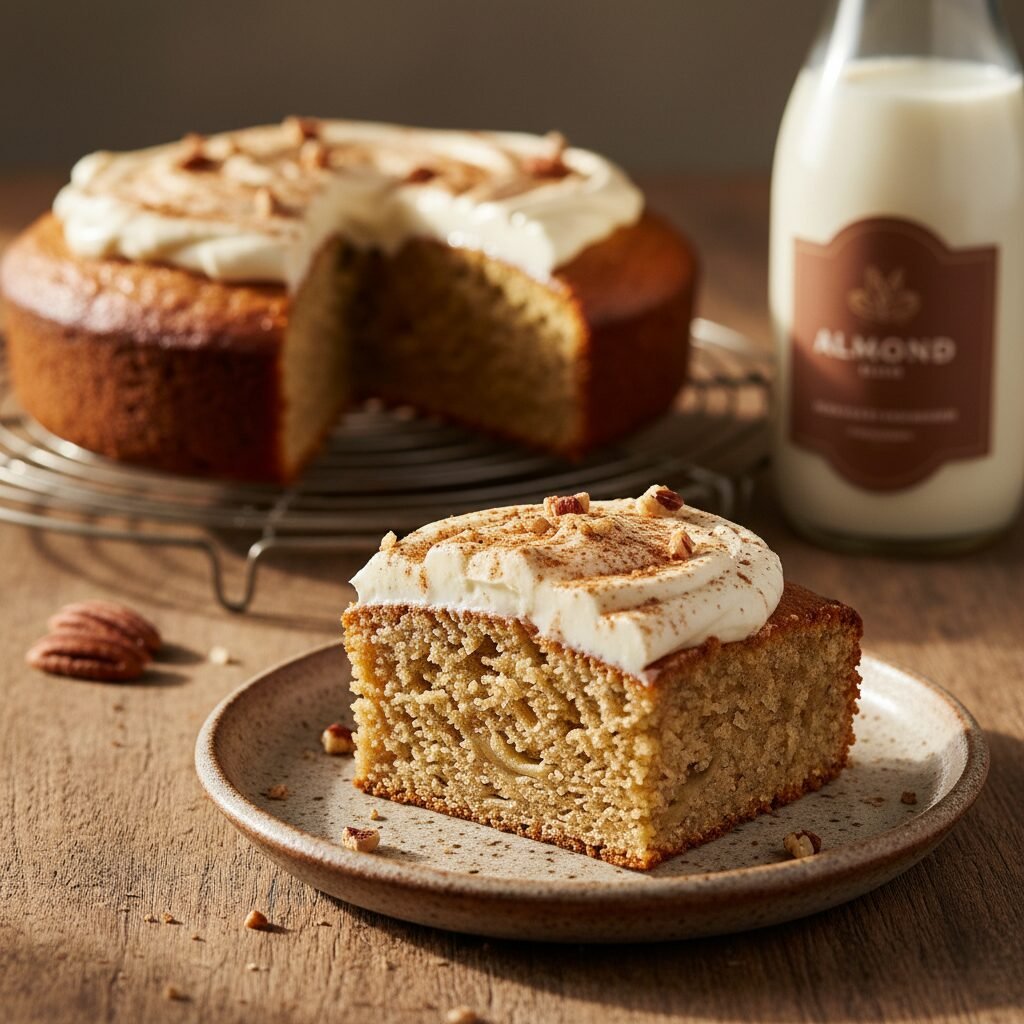
Discover the secret to the most tender, melt-in-your-mouth banana cake that requires absolutely no butter or milk. This easy, one-bowl recipe delivers a perfectly spiced, moist crumb topped with a luscious dairy-free frosting, making it the ultimate crowd-pleaser for breakfast or dessert.
20 minutes
35 minutes
55 minutes
12 servings
Dessert
Baking
American
Dairy-Free
There is something profoundly comforting about the aroma of bananas baking in the oven. It is a scent that promises warmth, nostalgia, and a sweet reprieve from the hustle of daily life. However, for those who navigate the culinary world without dairy, finding a cake that achieves that elusive, perfect balance of fluffy texture and rich moisture can often feel like a compromise. Too often, dairy-free baked goods are stigmatized as being dry, dense, or lacking the decadent mouthfeel of their butter-laden counterparts. This recipe for Moist Dairy-Free Banana Cake is here to shatter those misconceptions once and for all.
This isn’t just a good substitute; it is a superior cake in its own right. By leveraging the natural emulsifying properties of ripe bananas and the tenderizing power of high-quality oil rather than butter, we create a crumb structure that stays soft for days. The flavor profile is complex yet familiar, marrying the deep, caramel-like sweetness of spotted bananas with a hint of warm cinnamon and vanilla. It’s a versatile masterpiece—elegant enough to serve at a dinner party with a dusting of powdered sugar, yet humble enough to enjoy as a morning treat alongside a steaming cup of coffee. Whether you are lactose intolerant, vegan, or simply out of butter, this recipe guarantees a bakery-style result right in your home kitchen. We’ve stripped away the dairy but kept every ounce of indulgence, proving that dietary restrictions should never mean a restriction on joy or flavor.
History & Origins
The history of banana cake is inextricably linked to the history of the banana trade and the evolution of leavening agents in the United States. While bananas are indigenous to Southeast Asia, they didn’t become a staple in American households until the late 19th and early 20th centuries, thanks to improvements in refrigeration and transport by companies like the United Fruit Company. However, the true birth of banana baking as we know it occurred during the Great Depression. During this era of economic hardship, throwing away food was unthinkable. Housekeepers and home cooks needed a way to use overripe bananas that were too mushy to eat out of hand.
Simultaneously, the 1930s saw the mass availability of baking powder and baking soda, which allowed for ‘quick breads’ and cakes that didn’t require the time-consuming process of yeast fermentation. The first printed recipes for banana bread and banana cake began appearing in mainstream cookbooks like the 1933 edition of Pillsbury’s ‘Balanced Recipes.’ Over the decades, the line between banana bread and banana cake has blurred, but generally, cake is lighter, sweeter, and frosted, while bread is denser and loaf-shaped.
As the 21st century progressed, dietary needs shifted. The rise in lactose intolerance diagnoses and the growing popularity of plant-based lifestyles created a demand for dairy-free adaptations of classic comfort foods. Initially, these recipes relied on margarine or shortening, which often left a waxy aftertaste. Today, with a better understanding of food chemistry, we know that oil-based cakes (a technique borrowed from chiffon cakes) actually produce a moister crumb than butter cakes because oil remains liquid at room temperature. This recipe represents the modern evolution of the 1930s classic—respecting the frugal roots of using overripe fruit while embracing modern dietary inclusivity.
Why This Recipe Works
The success of this recipe lies in the specific chemistry between the fat source and the fruit. In traditional cake baking, butter is often creamed with sugar to aerate the batter. However, butter is about 80% fat and 20% water. When a cake made with butter cools, the fat solidifies, which can sometimes lead to a drier or firmer texture. By using a neutral oil (like vegetable, canola, or melted coconut oil) instead of butter, we are using 100% fat. This fat coats the flour proteins more effectively, inhibiting gluten formation. Less gluten means a more tender cake. Furthermore, oil remains liquid at room temperature, which ensures the cake retains a sensation of moistness on the palate long after it has cooled.
Secondly, the bananas themselves act as a powerhouse ingredient. They provide structure, sweetness, and moisture. The specific acidity of the bananas, combined with the brown sugar, reacts with the baking soda to create carbon dioxide bubbles, giving the cake a formidable lift despite the heavy fruit content. We also use a combination of granulated and brown sugar; the molasses in the brown sugar is hygroscopic, meaning it attracts and holds water molecules, further preventing the cake from drying out. Finally, the addition of a splash of dairy-free milk (like almond or oat) mixed with a teaspoon of vinegar creates a homemade ‘buttermilk’ substitute. This acid helps tenderize the crumb even further, resulting in a velvet-like texture that rivals any dairy-full cake.
Why You’ll Love This Recipe
- ✓Stays moist for up to 4 days due to oil-based batter
- ✓Uses common pantry staples—no hard-to-find specialty ingredients
- ✓Rich banana flavor enhanced with cinnamon and vanilla
- ✓Completely dairy-free (and easily vegan-adaptable)
- ✓Versatile: Can be made as a sheet cake, loaf, or muffins
Equipment You’ll Need
- ✓9×13 inch baking pan or two 8-inch round pans
- ✓Large mixing bowl
- ✓Medium mixing bowl
- ✓Whisk
- ✓Rubber spatula
- ✓Measuring cups and spoons
- ✓Electric hand mixer (optional, for frosting)
- ✓Wire cooling rack
Ingredients
- ✓3 large ripe bananas (heavily spotted or brown)
- ✓2 1/2 cups all-purpose flour
- ✓1 1/2 teaspoons baking soda
- ✓1/2 teaspoon salt
- ✓1 teaspoon ground cinnamon
- ✓3/4 cup granulated sugar
- ✓3/4 cup light brown sugar, packed
- ✓3/4 cup neutral oil (vegetable, canola, or grapeseed)
- ✓3 large eggs, room temperature
- ✓1 1/2 teaspoons pure vanilla extract
- ✓1/2 cup dairy-free milk (almond, soy, or oat)
- ✓1 teaspoon apple cider vinegar or lemon juice
- ✓FOR THE FROSTING: 1/2 cup vegan butter stick, slightly softened
- ✓3 cups powdered sugar, sifted
- ✓1-2 tablespoons dairy-free milk
- ✓1 teaspoon vanilla extract
Instructions
- Preheat your oven to 350°F (175°C). Grease a 9×13 inch baking pan generously with oil or cooking spray and set aside.
- In a small cup, mix the 1/2 cup dairy-free milk with the 1 teaspoon of vinegar/lemon juice. Let it sit for 5-10 minutes to curdle (creating a vegan buttermilk).
- In a medium bowl, whisk together the flour, baking soda, salt, and cinnamon until well combined and lump-free.
- In a large bowl, mash the ripe bananas until they are smooth but still have a few small chunks for texture. You should have about 1 1/2 cups of mashed banana.
- Add the granulated sugar, brown sugar, oil, eggs, and vanilla extract to the mashed bananas. Whisk vigorously until the mixture is fully combined and slightly glossy.
- Stir in the curdled milk mixture into the wet ingredients.
- Gently fold the dry ingredients into the wet ingredients using a rubber spatula. Mix only until no streaks of flour remain. Do not overmix, or the cake will be tough.
- Pour the batter into the prepared baking pan and smooth the top with the spatula.
- Bake for 30-35 minutes, or until a toothpick inserted into the center comes out clean or with just a few moist crumbs attached.
- Remove the cake from the oven and place the pan on a wire rack. Let it cool completely before frosting.
- TO MAKE THE FROSTING: In a large bowl, beat the softened vegan butter with a hand mixer until creamy (about 2 minutes).
- Gradually add the powdered sugar, one cup at a time, mixing on low speed until incorporated.
- Add the vanilla and 1 tablespoon of dairy-free milk. Beat on high speed for 3 minutes until fluffy. Add more milk sparingly if the frosting is too stiff.
- Spread the frosting over the completely cooled cake. Slice and serve.
Expert Cooking Tips
- ✓Ensure your bananas are very ripe—brown spots are good, but fully black skins are even better for maximum sweetness and moisture.
- ✓Measure your flour by spooning it into the measuring cup and leveling it off with a knife, rather than scooping directly, to avoid a dense cake.
- ✓Room temperature ingredients (eggs and milk) bond better, creating a smoother emulsion and a better rise.
- ✓Do not overmix the batter once the flour is added; stop as soon as the white streaks disappear.
- ✓If using coconut oil, make sure all other ingredients are room temperature so the oil doesn’t solidify into chunks upon contact.
- ✓Let the cake cool completely before frosting, otherwise, the vegan butter will melt and slide off.
- ✓For a nutty crunch, toast walnuts or pecans and fold them into the batter or sprinkle on top.
Substitutions and Variations
This recipe is highly adaptable to various dietary needs and pantry limitations.
**Flour**: For a gluten-free version, substitute the all-purpose flour with a high-quality 1:1 gluten-free baking flour blend containing xanthan gum. The texture may be slightly more fragile but still delicious.
**Sugar**: You can use coconut sugar instead of brown sugar for a lower glycemic index, though the flavor will be slightly less sweet and more caramel-like.
**Eggs**: To make this recipe vegan, replace the 3 eggs with ‘flax eggs’ (3 tablespoons ground flaxseed meal mixed with 9 tablespoons water, let sit for 5 minutes) or a commercial egg replacer. Note that flax eggs may result in a slightly denser, heartier texture.
**Oil**: Melted coconut oil works beautifully and adds a tropical scent. Olive oil can be used for a more sophisticated, savory undertone, but stick to a mild variety. Applesauce can replace half the oil if you are looking to reduce fat, but the cake will be less tender.
**Dairy-Free Milk**: Almond milk is neutral, oat milk is creamy, and soy milk has high protein which helps structure. Coconut milk (carton, not canned) also works well.
Common Mistakes to Avoid
The most common mistake when making banana cake is using under-ripe bananas. Yellow or green-tipped bananas lack the necessary sugar content and moisture, leading to a bland, dry cake. Wait until they are spotted or brown.
Another frequent error is overmixing the batter. Once the wet and dry ingredients meet, gluten begins to form. If you whisk aggressively, the cake will turn out rubbery and tough instead of soft and fluffy. Use a spatula and fold gently.
Opening the oven door too early is also a culprit for sunken cakes. The rush of cold air can cause the rising structure to collapse. Wait until at least 25 minutes have passed before checking.
Finally, incorrectly measuring flour by scooping the cup into the bag packs the flour down, resulting in up to 20% more flour than the recipe calls for, which dries out the cake.
Serving Suggestions
This Moist Dairy-Free Banana Cake is incredibly versatile. For a casual afternoon snack, serve it plain or with a light dusting of powdered sugar alongside a hot cup of Earl Grey tea or black coffee. If you are serving it for dessert, the creamy vanilla frosting is a must. You can elevate the presentation by topping the frosting with crushed walnuts, pecans, or even toasted coconut flakes. For a fresh contrast, serve slices with a side of fresh berries—strawberries or raspberries cut through the sweetness perfectly. If you want to get fancy, a drizzle of dairy-free caramel sauce or a scoop of dairy-free vanilla bean ice cream turns this into a decadent course. It also works wonderfully as a brunch item, served alongside fruit salad.
Storage and Reheating Tips
Because this cake is oil-based, it stays moist longer than butter-based cakes. It can be stored at room temperature in an airtight container for up to 3 days. If your kitchen is particularly hot or humid, or if you have used a frosting that is sensitive to heat, it is better to store it in the refrigerator for up to 5-6 days. However, let the cake come to room temperature before eating for the best texture and flavor.
To freeze, you can wrap individual unfrosted slices tightly in plastic wrap and then foil, freezing for up to 3 months. If the cake is already frosted, place the slices on a baking sheet in the freezer for an hour to harden the frosting, then wrap them. Thaw on the counter for a few hours before serving.
Nutrition Facts (Estimated)
| Serving Size | 1 slice |
| Calories | 340 |
| Fat | 16g |
| Saturated Fat | 2g |
| Unsaturated Fat | 13g |
| Trans Fat | 0g |
| Cholesterol | 35mg |
| Sodium | 210mg |
| Carbohydrates | 48g |
| Fiber | 2g |
| Sugar | 28g |
| Protein | 4g |
Frequently Asked Questions
Can I use frozen bananas?
Yes, absolutely! Frozen bananas are perfect for baking. Thaw them completely in a bowl before using. They will release a lot of liquid—do not discard this liquid! Pour it all into the batter as it contains flavor and sugar.
Can I make this cake in a loaf pan?
Yes, you can. This recipe makes enough batter for two standard 9×5 inch loaf pans. You will need to increase the baking time to roughly 50-60 minutes. Check for doneness with a toothpick.
Why did my cake sink in the middle?
Cakes usually sink because they were underbaked (the center structure wasn’t set), the oven door was opened too early, or there was too much leavening (baking soda) which caused it to rise too fast and then collapse.
Is this recipe vegan?
The base recipe contains eggs, so it is not vegan as written. However, it is dairy-free. To make it vegan, substitute the eggs with flax eggs or a commercial vegan egg replacer.
Can I reduce the sugar?
You can reduce the sugar by about 1/4 cup without ruining the structure, but keep in mind that sugar contributes to moisture and tenderness, not just sweetness. Reducing it too much may result in a bread-like texture.
What frosting works best if I don’t want vegan butter?
A simple glaze made of powdered sugar and lemon juice is delicious. Alternatively, a dairy-free cream cheese frosting (using vegan cream cheese) or a coconut whipped cream are excellent options.
Why is my cake dense?
Density usually comes from overmixing the batter (developing too much gluten) or adding too much flour. Be sure to measure flour correctly and mix gently.
Can I add chocolate chips?
Yes! Toss 1 cup of dairy-free chocolate chips with a teaspoon of flour (to prevent sinking) and fold them into the batter right before baking.
Conclusion
This Moist Dairy-Free Banana Cake proves that you don’t need traditional dairy ingredients to create a dessert that is truly spectacular. With its tender crumb, rich flavor, and easy preparation, it’s bound to become a staple in your recipe rotation. Whether you are baking for someone with allergies or simply looking for a foolproof way to use up those spotted bananas on the counter, this cake delivers on all fronts. The combination of the warm, spiced cake and the sweet, creamy frosting is pure comfort food at its finest. Don’t forget to share this recipe with friends and family—they likely won’t even believe it’s dairy-free until you tell them!