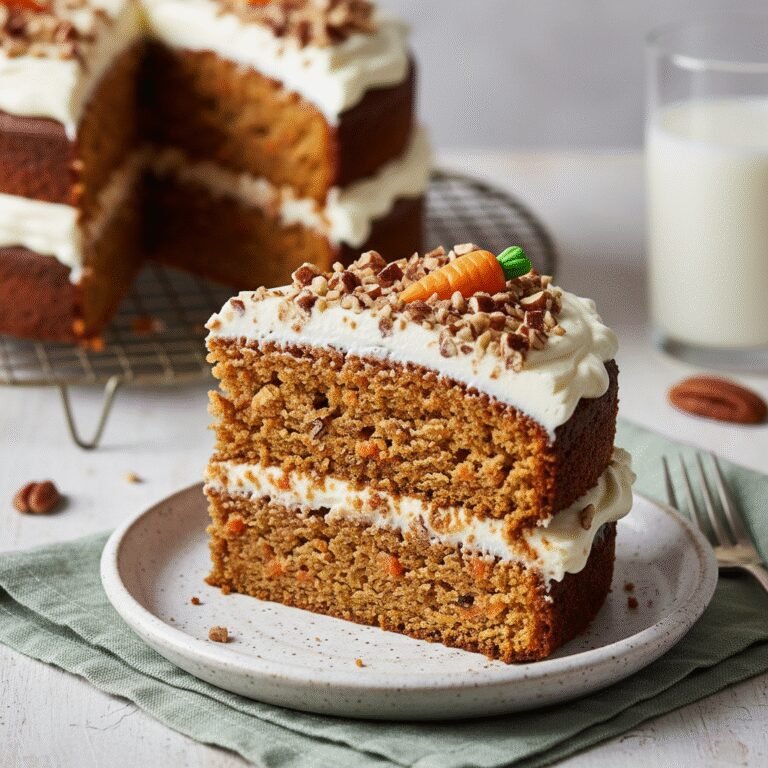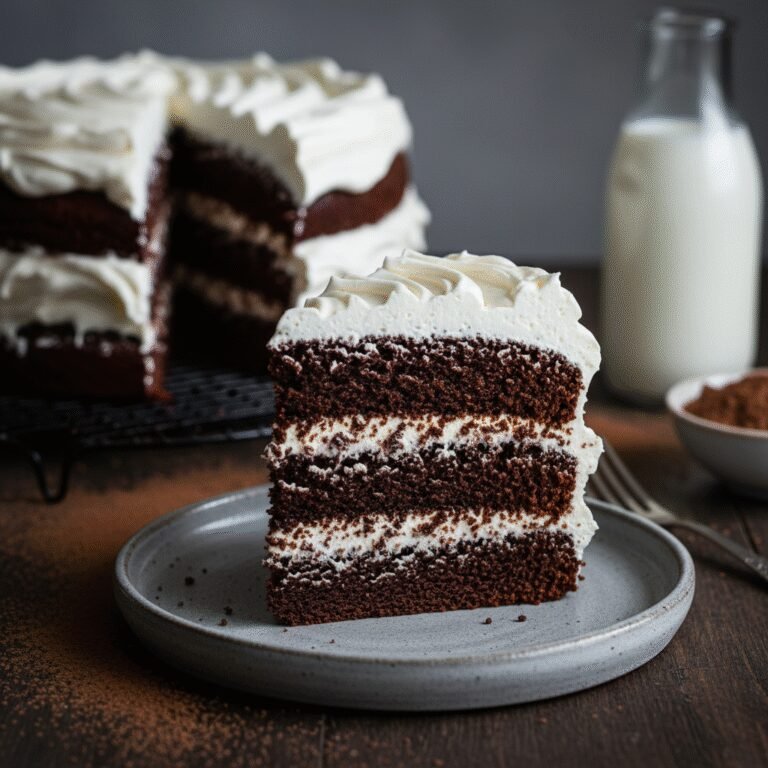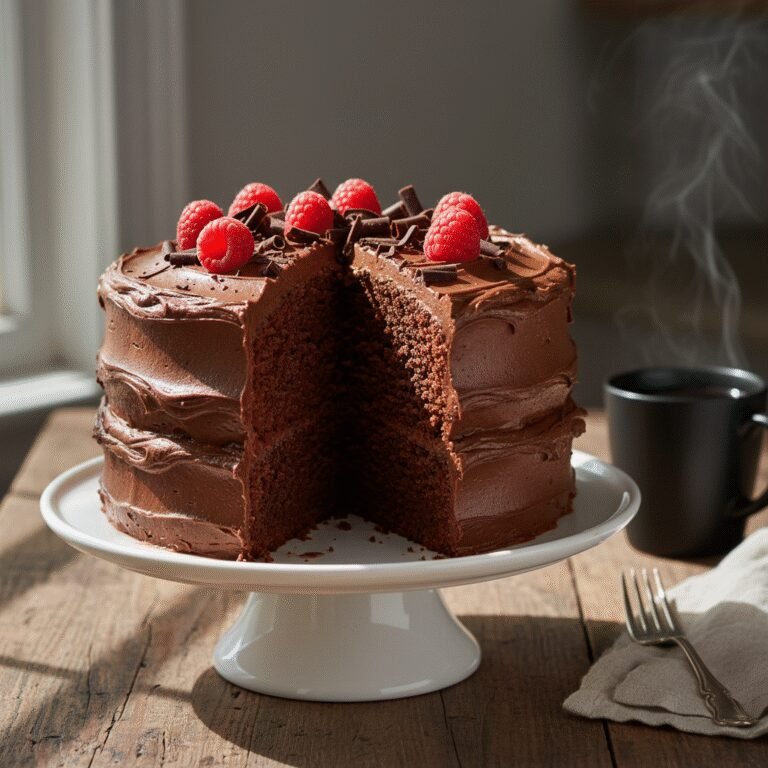
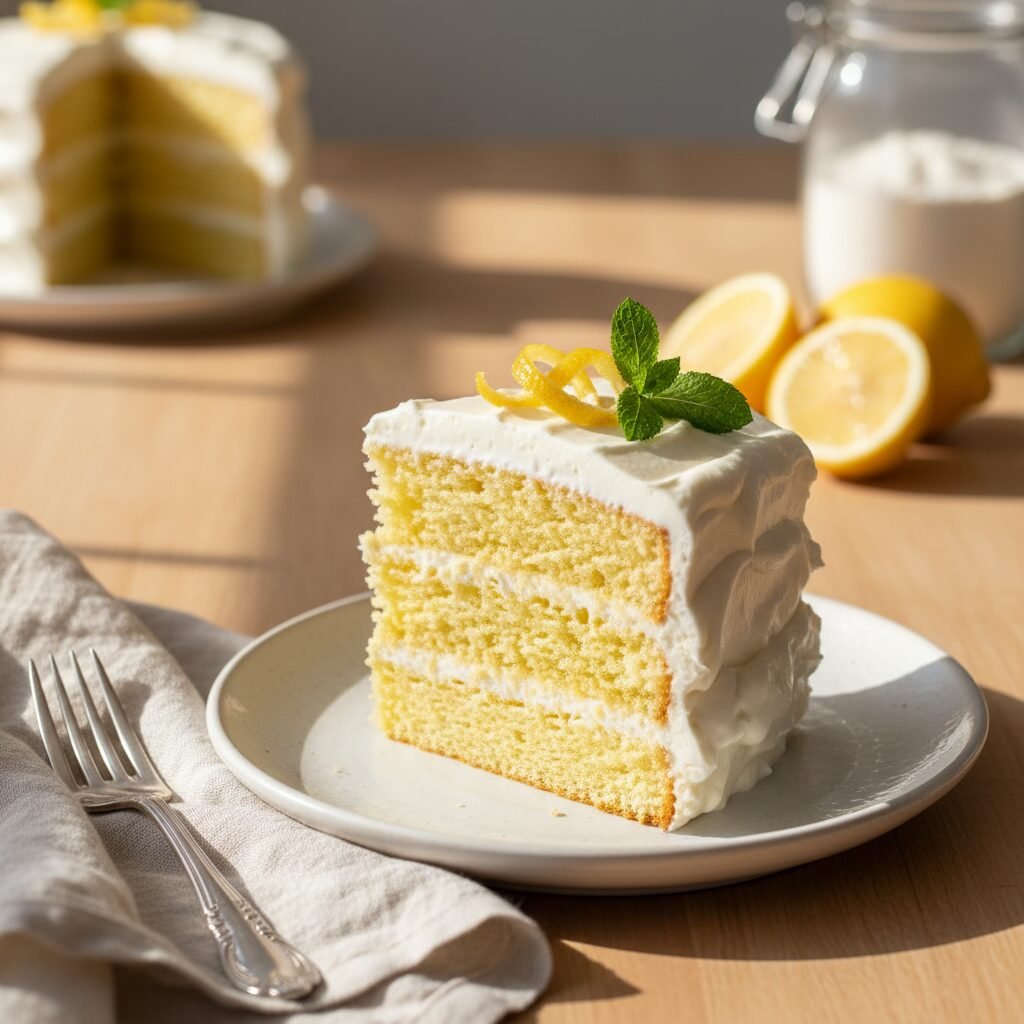
Moist Dairy Free Lemon Cake With Coconut Cream Frosting
Moist Dairy Free Lemon Cake With Coconut Cream Frosting Recipe
This ultra-moist dairy-free lemon cake is a burst of sunshine on a plate! Made with fresh lemon zest and a luscious whipped coconut cream frosting, it offers the perfect balance of tart and sweet without a drop of butter or milk.
25 minutes
35 minutes
1 hour 30 minutes (includes cooling)
12 servings
Dessert
Baking
American
Dairy-Free
There is something undeniably cheerful about a lemon cake. It is the culinary equivalent of a bright, sunny day after a week of rain. For those of us who navigate the world of dairy-free baking, finding a cake that retains that tender, melt-in-your-mouth crumb without the use of butter or milk can sometimes feel like a chemistry experiment gone wrong. Often, dairy-free alternatives result in textures that are either too dense or disappointingly dry. However, this Moist Dairy Free Lemon Cake completely rewrites that narrative. It is unapologetically lush, vibrant, and incredibly soft.
The secret lies in the balance of high-quality oil and the natural richness of full-fat coconut milk, which mimics the tenderizing properties of traditional dairy fat but adds a subtle, tropical undertone that pairs magnificently with the sharp acidity of fresh lemons. This isn’t just a ‘good for a dairy-free cake’ kind of recipe; it is a spectacular cake, period. The frosting is a cloud-like whip of coconut cream, sweetened just enough to cut through the citrus zest, creating a dessert that feels light yet indulgent. Whether you are baking for a birthday, a summer picnic, or just a Tuesday afternoon pick-me-up, this cake promises to deliver joy in every forkful. It captures the essence of spring and summer, bringing a zesty brightness to your table that is sure to impress vegans and butter-lovers alike.
History & Origins
The lineage of the lemon cake can be traced back to the evolution of the classic pound cake in Northern Europe during the early 18th century. Originally, these cakes were heavy, dense affairs made with a pound each of flour, butter, eggs, and sugar. As baking technology advanced in the 19th century with the introduction of chemical leaveners like baking powder and baking soda, cakes became lighter, airier, and more adaptable to flavoring. Citrus fruits, particularly lemons, were expensive imports in cooler European climates and were initially used sparingly as a sign of wealth and sophistication. By the Victorian era, lemon-infused tea cakes had become a staple of high society afternoon tea.
The concept of dairy-free baking, however, has a more utilitarian history. While religious dietary laws and health restrictions have always existed, dairy-free baking saw a massive surge during the rationing periods of World War I and World War II. Shortages of butter and milk forced home cooks to be innovative, utilizing oil, shortening, and water to keep morale high with sweet treats. This era gave birth to the ‘Wacky Cake’ or ‘Depression Cake.’ In modern times, the rise of plant-based diets and lactose intolerance awareness has elevated dairy-free baking from a necessity of scarcity to a culinary art form. The integration of coconut products, a staple in Southeast Asian, Caribbean, and South American cuisines, into Western baking has revolutionized dairy-free desserts, providing the creamy texture that oil and water simply cannot achieve on their own.
Why This Recipe Works
This recipe succeeds where many dairy-free cakes fail because it leverages the unique properties of oil and coconut milk rather than simply trying to force substitutions into a butter-based formula. Butter contains water and milk solids, which can create steam and structure, but oil is 100% fat. This means oil coats the flour proteins more effectively, inhibiting gluten formation and resulting in a significantly more tender and moist crumb that stays soft for days, even when refrigerated.
Furthermore, the acidity from the fresh lemon juice and the natural acids in the batter react with the leavening agents to create a superior lift, ensuring the cake is fluffy rather than heavy. We also utilize the ‘rubbing in’ method for the lemon zest and sugar. By massaging the zest into the sugar granules before mixing, we release the essential lemon oils, infusing the entire batter with a deep, aromatic citrus flavor that extract alone cannot provide. Finally, the coconut cream frosting works because full-fat coconut milk, when chilled, separates into a thick cream that whips up similarly to heavy whipping cream. It provides a stable, luxurious topping that holds its shape without the need for hydrogenated shortenings or vegan butter substitutes.
Why You’ll Love This Recipe
- ✓Incredibly moist crumb thanks to oil-based batter
- ✓Bright, natural lemon flavor from fresh juice and zest
- ✓100% Dairy-Free and easily adaptable to be Vegan
- ✓Luscious, cloud-like coconut cream frosting
- ✓Stays soft for days at room temperature or in the fridge
- ✓No complicated equipment required—just bowls and a whisk
Equipment You’ll Need
- ✓two 8-inch round cake pans
- ✓Large mixing bowl
- ✓Medium mixing bowl
- ✓Whisk
- ✓Electric hand mixer or stand mixer (for frosting)
- ✓Microplane or zester
- ✓Citrus juicer
- ✓Rubber spatula
- ✓Wire cooling rack
- ✓Parchment paper
Ingredients
- ✓2 1/2 cups All-Purpose Flour
- ✓1 1/2 cups Granulated Sugar
- ✓2 1/2 tsp Baking Powder
- ✓1/2 tsp Baking Soda
- ✓3/4 tsp Salt
- ✓3 Large Eggs (room temperature)
- ✓3/4 cup Vegetable Oil (or any neutral oil)
- ✓1 cup Full-Fat Coconut Milk (canned, shaken well)
- ✓1/2 cup Fresh Lemon Juice (approx. 3 lemons)
- ✓2 tbsp Lemon Zest
- ✓1 tsp Pure Vanilla Extract
- ✓— FROSTING —
- ✓2 cans (14oz each) Full-Fat Coconut Milk or Coconut Cream, refrigerated overnight
- ✓1/2 cup Powdered Sugar, sifted
- ✓1/2 tsp Vanilla Extract
Instructions
- Preheat your oven to 350°F (175°C). Grease two 8-inch round cake pans with oil and line the bottoms with parchment paper for easy removal.
- In a small bowl, combine the granulated sugar and lemon zest. Use your fingers to rub the zest into the sugar until it becomes fragrant and looks like wet sand. This releases the essential oils.
- In a large mixing bowl, whisk together the flour, baking powder, baking soda, and salt. Set aside.
- In a medium bowl, whisk together the eggs, vegetable oil, shaken coconut milk, lemon juice, vanilla extract, and the lemon-sugar mixture until well combined and smooth.
- Pour the wet ingredients into the dry ingredients. Gently whisk or fold with a spatula just until the flour disappears. Do not overmix, or the cake will be tough.
- Divide the batter evenly between the two prepared cake pans. Tap the pans gently on the counter to release any large air bubbles.
- Bake for 30-35 minutes, or until a toothpick inserted into the center comes out clean or with just a few moist crumbs.
- Remove from the oven and let the cakes cool in the pans for 10 minutes. Then, run a knife around the edges and invert them onto a wire rack to cool completely before frosting.
- To make the frosting: Remove the chilled cans of coconut milk from the fridge. Carefully scoop out the hardened cream from the top into a chilled mixing bowl (save the liquid water for smoothies).
- Using an electric mixer, whip the coconut cream on high speed for 2-3 minutes until fluffy. Add the powdered sugar and vanilla, and whip for another minute until smooth and creamy.
- Once the cakes are completely cool, spread a layer of frosting on top of one cake, place the second cake on top, and cover the top and sides with the remaining frosting. Garnish with lemon slices or zest.
Expert Cooking Tips
- ✓Room Temperature Ingredients: Ensure your eggs and coconut milk are at room temperature to prevent the batter from curdling.
- ✓Don’t Skimp on Zest: The majority of the lemon flavor comes from the zest, not the juice. Zest only the yellow part, avoiding the bitter white pith.
- ✓Chill the Coconut Milk: For the frosting, the coconut milk cans must be in the coldest part of your fridge for at least 12 hours (preferably 24) to separate the cream from the water.
- ✓Weigh Your Flour: If possible, use a kitchen scale to weigh your flour (approx. 120g per cup). Scooping directly can compact the flour and lead to a dry cake.
- ✓Avoid Overmixing: Once the wet and dry ingredients touch, mix only until combined. Overmixing develops gluten which makes the cake chewy instead of tender.
- ✓Cool Completely: Coconut cream frosting is temperature-sensitive. If the cake is even slightly warm, the frosting will melt and slide off.
Substitutions and Variations
This recipe is quite resilient, but substitutions should be made with care.
**Flour:** You can substitute a high-quality 1:1 Gluten-Free Baking Flour blend if you need the cake to be gluten-free. Look for a blend that contains xanthan gum.
**Eggs:** To make this cake vegan, you can replace the 3 eggs with ‘flax eggs’ (3 tbsp ground flaxseed meal mixed with 9 tbsp warm water, let sit for 5 mins) or a commercial egg replacer. Note that the cake may be slightly denser.
**Oil:** Any neutral oil works well here. Grapeseed oil, canola oil, or melted coconut oil are excellent choices. Avoid olive oil unless you want a savory undertone.
**Coconut Milk:** For the cake batter, you can substitute almond milk or oat milk, but the fat content in coconut milk adds superior moisture. For the frosting, there is no direct substitute for the coconut cream if you want it dairy-free; however, you could use a store-bought vegan butter to make a vegan buttercream instead.
Common Mistakes to Avoid
The most common mistake with this recipe is attempting to make the frosting with room-temperature coconut milk. If the can hasn’t been chilled long enough, the fat won’t separate from the liquid, and you will end up with a runny soup instead of a whip. Another frequent error is over-baking. Because this is an oil-based cake, it might look slightly wet on top even when it’s done inside. Trust the toothpick test. Additionally, using bottled lemon juice instead of fresh is a major flavor downgrade. Bottled juice lacks the floral notes and bright acidity of fresh lemons and often has a metallic aftertaste. Finally, do not open the oven door repeatedly during the first 20 minutes of baking, as the fluctuation in temperature can cause the cake to sink in the middle.
Serving Suggestions
This cake is a showstopper on its own, but it pairs beautifully with fresh berries. A side of macerated strawberries or fresh raspberries adds a nice color contrast and a berry tartness that complements the lemon. For a summer gathering, serve it alongside a tall glass of iced tea or a sparkling elderflower lemonade. If you want to get fancy with the presentation, garnish the top with candied lemon slices, edible flowers like pansies or nasturtiums, or toasted coconut flakes for a hint of crunch. It is perfect for Easter brunch, Mother’s Day, or any spring celebration.
Storage and Reheating Tips
Because of the coconut cream frosting, this cake is best stored in the refrigerator. It can be kept in an airtight cake carrier or container for up to 5 days. The cold actually helps set the crumb, making it easier to slice. However, for the best texture and flavor, remove the slices you intend to eat from the fridge about 20-30 minutes before serving to let them come to room temperature. If you have unfrosted cake layers, these can be wrapped tightly in plastic wrap and frozen for up to 3 months. Thaw them in the fridge overnight before frosting.
Nutrition Facts (Estimated)
| Serving Size | 1 slice |
| Calories | 340 |
| Fat | 18g |
| Saturated Fat | 10g |
| Unsaturated Fat | 7g |
| Trans Fat | 0g |
| Cholesterol | 35mg |
| Sodium | 180mg |
| Carbohydrates | 42g |
| Fiber | 1g |
| Sugar | 22g |
| Protein | 4g |
Frequently Asked Questions
Can I use light coconut milk?
No, light coconut milk has too high of a water content. You need the fat from full-fat coconut milk for the cake’s tenderness and absolutely need it for the frosting to whip properly.
Why did my coconut cream frosting curdle?
This usually happens if the coconut cream got too warm or if there was too much liquid coconut water mixed in. Keep everything cold and only scoop the solid cream.
Can I bake this as a sheet cake?
Yes! You can bake this in a 9×13 inch pan. You will likely need to adjust the baking time to 35-45 minutes. Keep an eye on it and use the toothpick test.
Does this cake taste like coconut?
The cake itself has a very subtle coconut undertone, but the lemon flavor is dominant. The frosting, however, definitely tastes like coconut. If you dislike coconut, use a vegan butter-based frosting instead.
Can I use Meyer lemons?
Absolutely. Meyer lemons are sweeter and less acidic than regular lemons, giving the cake a more floral, tangerine-like flavor.
My cake sank in the middle, why?
This is usually due to opening the oven door too early, underbaking, or using expired baking powder/soda. Ensure your oven temperature is accurate using an oven thermometer.
Can I make cupcakes with this recipe?
Yes, this batter makes excellent cupcakes. Fill liners 2/3 full and bake for 18-22 minutes at 350°F.
Is this cake vegan?
The recipe as written contains eggs, so it is dairy-free but not vegan. However, you can use flax eggs or a commercial egg replacer to make it vegan.
Conclusion
Baking without dairy doesn’t mean you have to compromise on flavor, texture, or the sheer joy of a slice of cake. This Moist Dairy Free Lemon Cake with Coconut Cream Frosting is proof that plant-based ingredients can produce results that rival, and arguably surpass, their traditional counterparts. The combination of zesty lemon and creamy coconut creates a tropical, refreshing dessert that feels light on the palate but satisfying to the soul. Whether you are an experienced baker or just starting your dairy-free journey, this recipe is a reliable, crowd-pleasing addition to your repertoire. So grab those lemons, chill that coconut milk, and get ready to bake a little slice of sunshine!