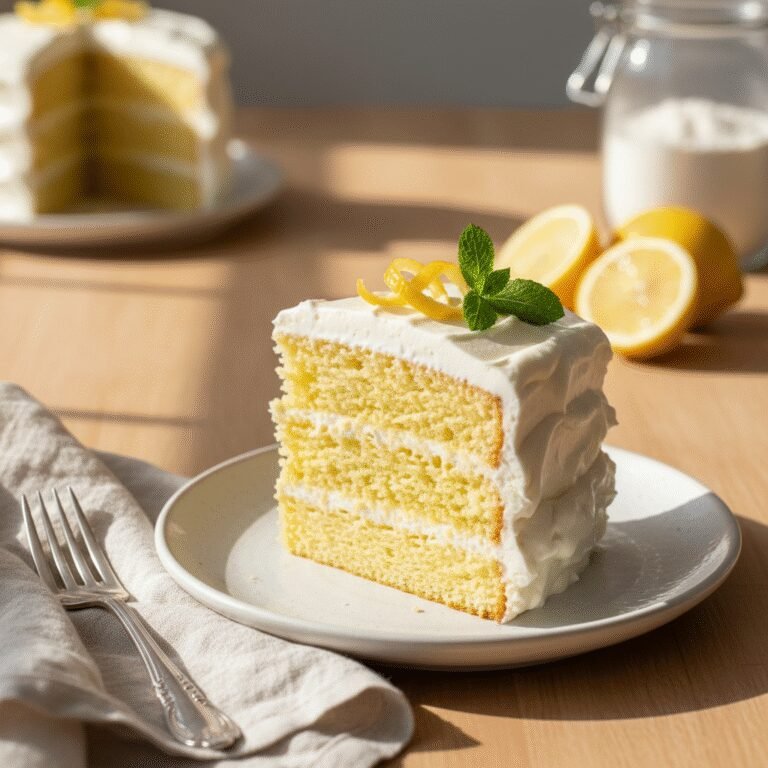
The Ultimate Moist Dairy Free Lemon Cake Recipe
Moist Dairy Free Lemon Cake Recipe
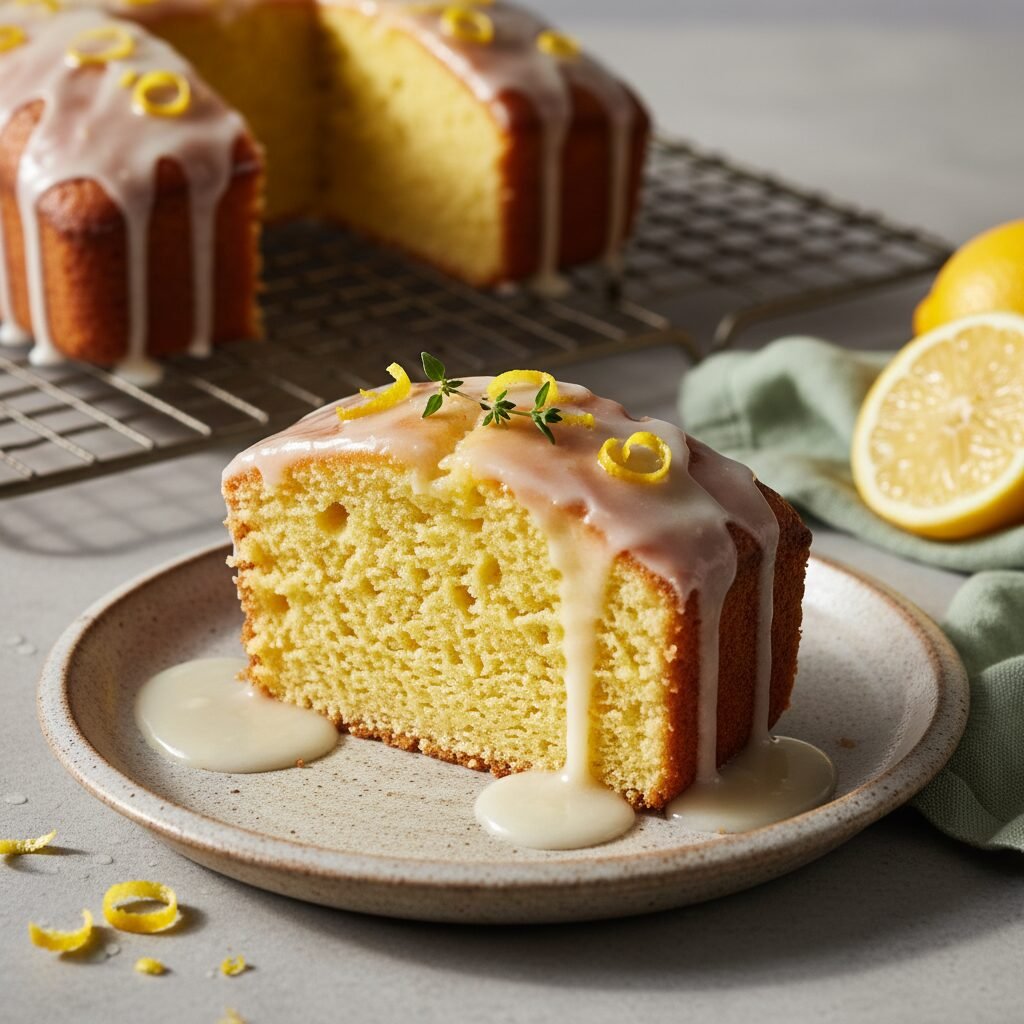
This incredibly moist dairy-free lemon cake is bursting with bright citrus flavor and features a tender, melt-in-your-mouth crumb. Perfect for brunch or dessert, it proves you don’t need butter or milk to bake a show-stopping treat.
15 minutes
50 minutes
1 hour 5 minutes
1 loaf (8-10 slices)
Dessert
Baking
American
Dairy-Free
There is something undeniably cheerful about a lemon cake. It is the culinary equivalent of a ray of sunshine on a cloudy day—bright, zesty, and uplifting. For many home bakers, however, the quest for the perfect lemon cake often hits a roadblock when dietary restrictions come into play. The assumption that dairy is essential for a moist, tender crumb is a long-held baking myth that this recipe joyfully debunks. This Moist Dairy Free Lemon Cake is not just a ‘good alternative’ to traditional butter-based cakes; it stands on its own as a superior texturally pleasing dessert. By utilizing the chemistry of oil-based baking and the acidity of fresh lemons, we achieve a loaf that stays soft for days longer than its butter-heavy counterparts.
The magic lies in the balance of ingredients. Without the masking solids of butter, the pure, sharp, and floral notes of the lemon zest shine through with unparalleled clarity. This cake is designed for the lemon lover who craves that pucker-inducing tartness balanced by a sweet, delicate glaze. Whether you are lactose intolerant, baking for a dairy-free friend, or simply out of milk, this recipe is a lifesaver. It requires no obscure substitutes—just pantry staples that come together to create a dessert that feels sophisticated yet homey. Prepare to fill your kitchen with the intoxicating aroma of baked citrus and vanilla.
History & Origins
The history of lemon cake is deeply intertwined with the evolution of the pound cake, a dessert that dates back to the early 1700s in Northern Europe. Originally named for its simple ratio of a pound each of flour, butter, eggs, and sugar, the pound cake was a dense, hearty confection. As baking powder and chemical leaveners became commercially available in the 19th century, cakes became lighter and fluffier, evolving into the ‘butter cakes’ we recognize today.
The specific incorporation of lemon into cakes gained massive popularity during the Victorian era in England, where citrus fruits were becoming more accessible and were prized for their ability to cut through the richness of tea-time treats. However, the shift toward dairy-free baking is a more modern phenomenon, often rooted in necessity. During the Great Depression and World War II, rationing of butter and milk forced home cooks to innovate. This era gave birth to ‘Wacky Cake’ and other depression-era desserts that utilized oil and vinegar.
In the mid-20th century, the invention of the Chiffon cake by Harry Baker further revolutionized the use of oil in baking, proving that oil could produce a cake that was moister and stayed fresh longer than butter cakes. This Dairy Free Lemon Cake draws inspiration from those mid-century innovations, refining the technique to focus specifically on the marriage of citrus and oil-based batters. It represents a culinary history of adaptation, proving that constraints often lead to the most delicious discoveries.
Why This Recipe Works
This recipe succeeds where others fail due to the specific properties of oil versus butter. Butter is roughly 80% fat and 20% water, whereas vegetable oil is 100% fat. In baking, fat coats the flour proteins (gluten), preventing them from bonding too strongly with the liquid ingredients. Because oil is liquid at room temperature and is pure fat, it coats the flour more thoroughly than butter, resulting in a significantly more tender and moist crumb. Furthermore, because oil remains liquid at room temperature, the cake stays soft and moist on the counter, whereas butter-based cakes can firm up and dry out as the saturated fats solidify.
Another key factor is the ‘reverse creaming’ or rubbing method used with the lemon zest. By rubbing the zest directly into the granulated sugar before adding any liquid, the abrasive sugar crystals tear open the oil cells in the zest, releasing the potent essential oils. This infuses the entire batter with a deep, aromatic lemon flavor that juice alone cannot achieve. Finally, the addition of a dairy-free yogurt or a thick almond milk mixed with lemon juice creates a vegan ‘buttermilk.’ The acidity in this mixture reacts with the baking agents to create carbon dioxide bubbles, giving the cake a lofty rise and a light texture despite its moisture.
Why You’ll Love This Recipe
- ✓Incredibly moist texture that stays soft for days
- ✓Intense, natural lemon flavor using zest and juice
- ✓Completely dairy-free and easy to make vegan
- ✓Simple pantry ingredients with no obscure substitutes
- ✓Perfect balance of tart and sweet
- ✓Quick preparation with no electric mixer required
Equipment You’ll Need
- ✓9×5 inch Loaf Pan
- ✓Large Mixing Bowl
- ✓Medium Mixing Bowl
- ✓Whisk
- ✓Microplane or Zester
- ✓Rubber Spatula
- ✓Wire Cooling Rack
- ✓Measuring Cups and Spoons
Ingredients
- ✓1 3/4 cups All-Purpose Flour
- ✓1 cup Granulated Sugar
- ✓1 tsp Baking Powder
- ✓1/2 tsp Baking Soda
- ✓1/2 tsp Salt
- ✓3 Large Eggs (room temperature)
- ✓2/3 cup Neutral Oil (Vegetable, Canola, or Grapeseed)
- ✓1/2 cup Unsweetened Almond Milk (or Soy Milk)
- ✓1/4 cup Fresh Lemon Juice (approx. 1-2 lemons)
- ✓1 tbsp Lemon Zest (approx. 1 lemon)
- ✓1 tsp Vanilla Extract
- ✓For the Glaze: 1 cup Powdered Sugar
- ✓For the Glaze: 2 tbsp Fresh Lemon Juice
Instructions
- Preheat your oven to 350°F (175°C). Grease a 9×5 inch loaf pan with oil and line it with parchment paper, leaving an overhang on the sides for easy removal.
- In a small bowl, combine the almond milk and 1/4 cup fresh lemon juice. Let it sit for 5 minutes to curdle and create a dairy-free ‘buttermilk’.
- In a large mixing bowl, add the granulated sugar and lemon zest. Using your fingers, rub the zest into the sugar until the mixture is fragrant and resembles wet sand. This releases the lemon oils.
- Whisk the flour, baking powder, baking soda, and salt into the sugar-zest mixture until well combined.
- In a separate medium bowl, whisk together the eggs, oil, vanilla extract, and the prepared almond milk mixture until smooth.
- Pour the wet ingredients into the dry ingredients. Using a rubber spatula, gently fold the batter together just until no streaks of flour remain. Do not overmix.
- Pour the batter into the prepared loaf pan and smooth the top with the spatula.
- Bake for 45-55 minutes, or until a toothpick inserted into the center comes out clean or with a few moist crumbs. If the top is browning too quickly, tent loosely with foil after 30 minutes.
- Remove from the oven and let the cake cool in the pan for 15 minutes. Then, lift the cake out using the parchment paper handles and transfer to a wire rack to cool completely.
- While the cake cools, make the glaze by whisking together the powdered sugar and 2 tablespoons of lemon juice until smooth. Adjust consistency by adding more juice (thinner) or sugar (thicker).
- Once the cake is completely cool, drizzle the glaze over the top. Let the glaze set for 10 minutes before slicing.
Expert Cooking Tips
- ✓Use room temperature eggs to ensure the batter emulsifies properly.
- ✓Do not skip rubbing the zest into the sugar; it is the secret to the best flavor.
- ✓Measure flour by spooning it into the cup and leveling it off, rather than scooping directly, to avoid a dense cake.
- ✓Tent the cake with foil if the top browns before the center is cooked.
- ✓Let the cake cool completely before glazing, or the glaze will melt right off.
Substitutions and Variations
This recipe is quite versatile. If you do not have almond milk, any unsweetened plant-based milk like soy, oat, or cashew milk works perfectly. For a nut-free version, oat milk is excellent. You can substitute the neutral vegetable oil with melted coconut oil for a slight tropical hint, or a light olive oil for a more sophisticated, savory undertone. If you are looking to make this gluten-free, a high-quality 1:1 gluten-free baking flour blend (containing xanthan gum) can be swapped for the all-purpose flour by weight. For the sugar, cane sugar is the standard, but you could use coconut sugar, though it will darken the color of the cake significantly.
Common Mistakes to Avoid
The most common mistake with this cake is overmixing the batter. Once the wet and dry ingredients meet, gluten begins to form. If you whisk vigorously, the cake will become tough and rubbery rather than tender. Always fold gently. Another issue is baking temperature; ovens can vary, so rely on the toothpick test rather than just the timer. Additionally, using bottled lemon juice instead of fresh will result in a flat, metallic flavor. Always use fresh lemons for the zest and juice. Finally, cutting into the cake while it is still hot will cause it to release steam too quickly and potentially dry out; patience during the cooling process is key.
Serving Suggestions
This lemon cake is versatile enough for breakfast, brunch, or dessert. Serve thick slices alongside a cup of Earl Grey tea or a hot latte. For a more decadent dessert, top a slice with a dollop of coconut whipped cream and fresh berries like raspberries or blueberries, which complement the tartness of the lemon. In the summer, it pairs beautifully with a scoop of dairy-free vanilla ice cream or a refreshing sorbet. You can also garnish with candied lemon slices or edible flowers for a beautiful presentation at gatherings.
Storage and Reheating Tips
Because this cake is oil-based, it stores beautifully at room temperature. Keep it in an airtight container or wrapped tightly in plastic wrap on the counter for up to 3-4 days. It actually becomes moister on the second day as the moisture redistributes. For longer storage, you can freeze the cake. Wrap individual slices or the whole loaf in plastic wrap, then a layer of aluminum foil. It will keep in the freezer for up to 3 months. Thaw at room temperature before serving. Avoid storing it in the refrigerator, as the cold environment can actually stale the cake faster than room temperature.
Nutrition Facts (Estimated)
| Serving Size | 1 slice |
| Calories | 280 |
| Fat | 14g |
| Saturated Fat | 1.5g |
| Unsaturated Fat | 12g |
| Trans Fat | 0g |
| Cholesterol | 45mg |
| Sodium | 190mg |
| Carbohydrates | 36g |
| Fiber | 1g |
| Sugar | 18g |
| Protein | 4g |
Frequently Asked Questions
Can I use olive oil instead of vegetable oil?
Yes, absolutely! A mild or light olive oil works wonderfully and adds a lovely, subtle depth to the flavor profile. Avoid extra virgin olive oils with very strong, peppery notes unless you specifically enjoy that flavor combination.
Why did my cake sink in the middle?
Sinking usually happens if the cake was underbaked or if the oven door was opened too early, causing a sudden temperature drop. It can also result from using too much leavening (baking powder/soda).
Can I make this into muffins instead of a loaf?
Yes, this batter works great for muffins. Bake them at 375°F for 18-22 minutes. Check for doneness early.
Is this recipe vegan?
As written, it contains eggs. To make it vegan, you would need to use a flax egg or a commercial egg replacer, though the texture will be slightly denser.
Can I reduce the sugar?
You can reduce the sugar by about 1/4 cup without ruining the structure, but keep in mind sugar contributes to moisture, not just sweetness. Reducing it too much may yield a drier cake.
My glaze is too runny, what do I do?
Simply add more powdered sugar, a tablespoon at a time, until it reaches your desired consistency. If it’s too thick, add a drop more lemon juice.
Do I have to use parchment paper?
It is highly recommended. Lemon cakes can be sticky due to the sugar content, and parchment paper ensures a perfect release every time.
Can I add poppy seeds to this recipe?
Yes! Add 1 to 2 tablespoons of poppy seeds with the dry ingredients for a classic lemon poppy seed variation.
Conclusion
This Moist Dairy Free Lemon Cake is a testament to the fact that dietary restrictions never have to mean a compromise on flavor or texture. It is a bright, happy addition to any kitchen rotation, bringing a burst of citrus sunshine regardless of the season. Whether you are a seasoned baker or a novice, the simplicity of this bowl-and-whisk recipe ensures success. We hope this cake becomes a beloved staple in your home, shared with friends and family over warm cups of tea and good conversation. Happy baking!