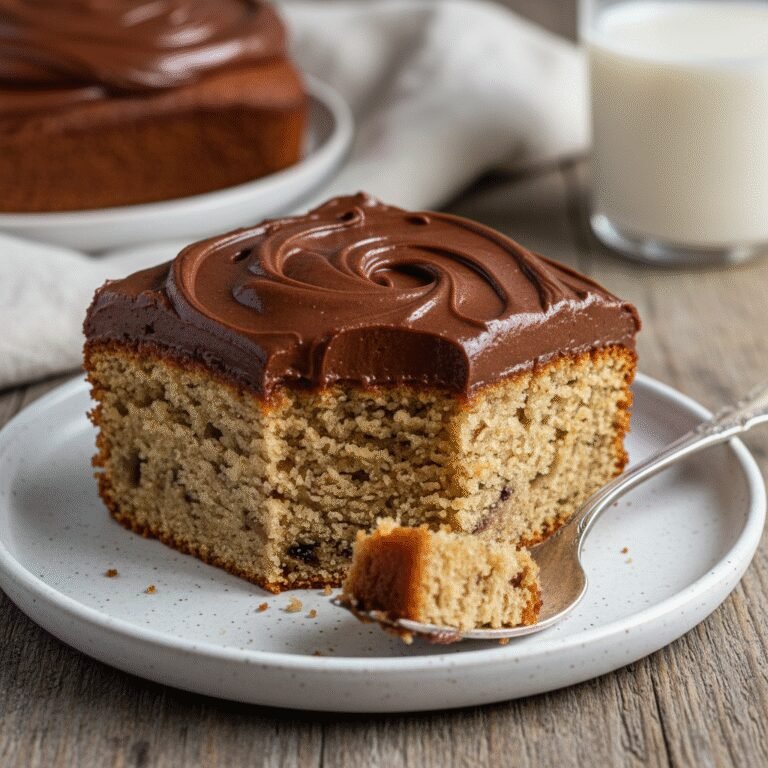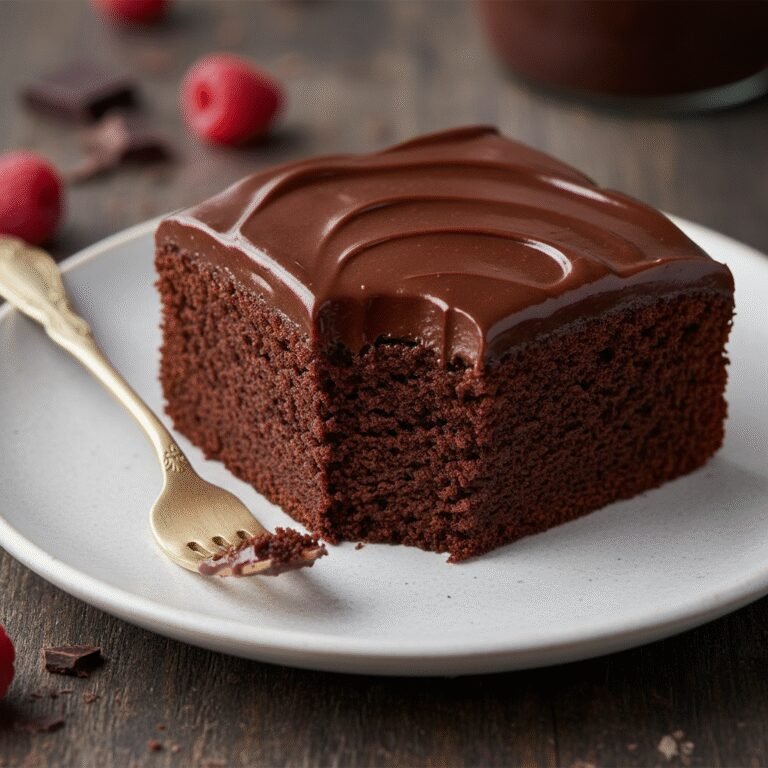
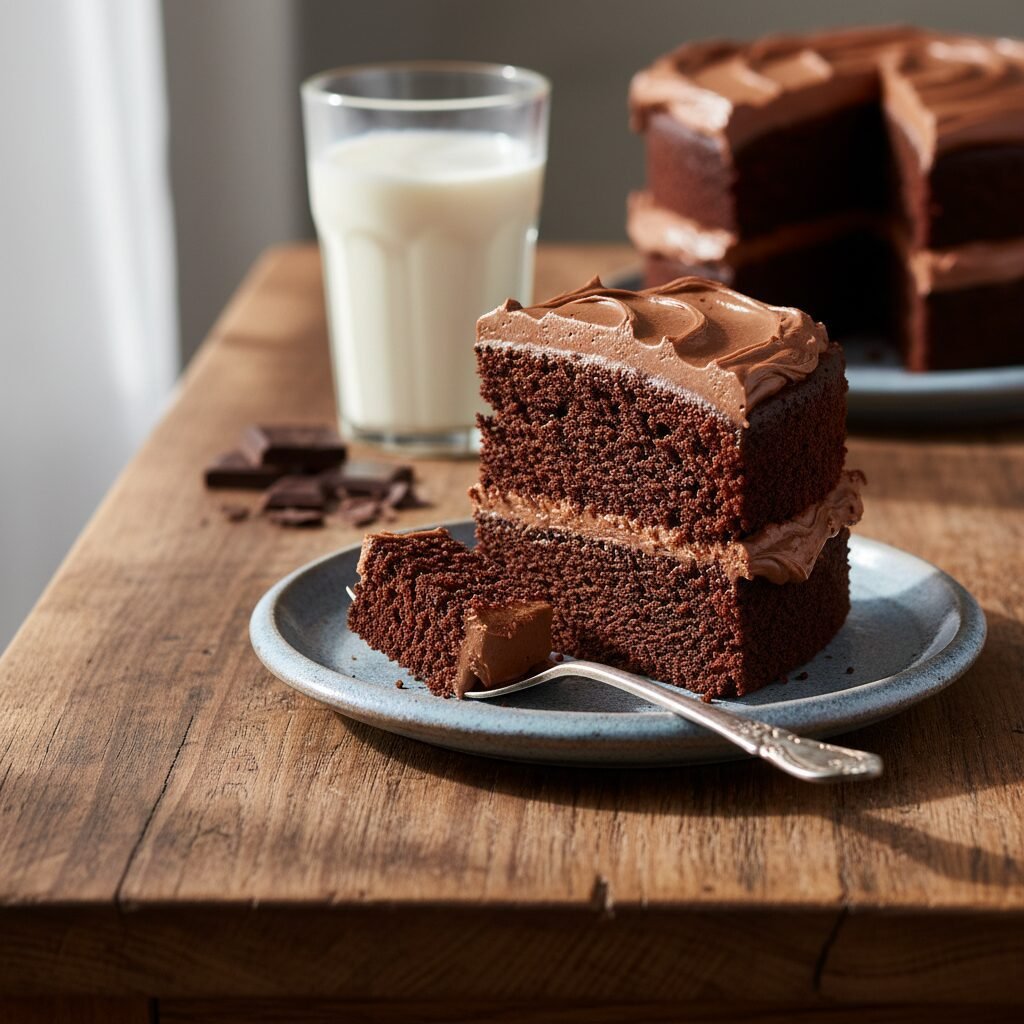
The Ultimate Moist Eggless Chocolate Cake With Silky Vegan Buttercream
Moist Eggless Chocolate Cake With Vegan Buttercream Recipe
Discover the secret to the most decadent, fudgy, and incredibly moist chocolate cake that happens to be completely eggless. Paired with a luscious, melt-in-your-mouth vegan buttercream, this foolproof recipe is a showstopper for birthdays, holidays, or any chocolate craving.
20 minutes
35 minutes
55 minutes
12 servings (two 8-inch rounds)
Dessert
Baking
American
Vegan
There is something undeniably magical about a slice of truly excellent chocolate cake. It is the quintessential comfort food, the centerpiece of celebrations, and the ultimate remedy for a long week. However, for those who abstain from eggs due to allergies, dietary restrictions, or lifestyle choices like veganism, finding a cake that mimics the tender crumb and structural integrity of a traditional egg-based sponge can be a daunting challenge. Often, eggless cakes suffer from being too dense, rubbery, or dry. But this recipe changes everything. This Moist Eggless Chocolate Cake with Vegan Buttercream is not just a ‘good alternative’—it stands on its own as a superior dessert that rivals any bakery classic.
The magic lies in the balance of simple pantry ingredients that react to create a lift and tenderness that defies expectations. We are talking about a deep, dark chocolate flavor profile that is intensified by the use of hot coffee, which blooms the cocoa powder and releases its full aromatic potential. The texture is plush, velvety, and stays moist for days, thanks to the use of oil rather than butter in the batter. Topping it all off is a cloud-like vegan buttercream that is whipped to perfection, offering a creamy, sweet contrast to the robust cocoa notes of the sponge. Whether you are a seasoned baker or a novice in the kitchen, this recipe is designed to deliver consistent, bakery-quality results that will have your guests asking, ‘Are you sure there are no eggs in this?’ Prepare to fall in love with chocolate cake all over again.
History & Origins
The history of eggless baking is a fascinating journey through necessity, innovation, and cultural evolution. While modern vegan baking is often driven by ethical or health choices, the roots of eggless cakes can be traced back to times of scarcity. One of the most famous ancestors of this recipe is the ‘Wacky Cake’ or ‘Depression Cake,’ which gained prominence during the Great Depression in the United States. During the 1930s, ingredients like milk, butter, and eggs were expensive and hard to come by due to economic hardship and rationing. Resourceful home cooks discovered that they could still produce a delicious cake by relying on a chemical reaction between vinegar and baking soda to provide the leavening that eggs usually supplied.
This era of ingenuity proved that limitations often breed creativity. The resulting cakes were surprisingly light and moist, earning them a permanent spot in American recipe boxes long after the Depression ended. As time went on, this method was adopted and adapted by various communities. In India, for example, where a significant portion of the population follows a vegetarian diet that excludes eggs, eggless baking became an art form. Bakers experimented with yogurt, condensed milk, and buttermilk to achieve different textures. However, the vinegar-baking soda method remains one of the most reliable for chocolate cakes specifically, as it supports the heavy structure of cocoa powder without weighing it down. Today, with the rise of plant-based diets globally, these historical techniques have been refined with high-quality ingredients like Dutch-processed cocoa and vegan butter substitutes, elevating a humble ‘ration cake’ into a gourmet experience.
Why This Recipe Works
This recipe succeeds where many others fail because it relies on robust food chemistry rather than traditional structural ingredients like eggs. In a standard cake, eggs provide structure (protein), leavening, and moisture. To replace them effectively, we use a specific combination of agents. First, the leavening: the reaction between the baking soda (a base) and the white vinegar (an acid) creates carbon dioxide bubbles. These bubbles get trapped in the batter as it bakes, causing the cake to rise and creating a light, airy crumb. If we relied solely on baking powder, the lift might not be strong enough to support the weight of the flour and cocoa.
Secondly, the moisture factor is addressed by using oil instead of butter. While butter adds flavor, it contains water which evaporates, and milk solids which can dry out. Oil is 100% fat and remains liquid at room temperature, coating the flour proteins and preventing gluten over-development. This results in a sensationally tender cake that feels moist on the palate. Finally, the ‘blooming’ technique involves mixing the cocoa powder with hot liquid (coffee or water). This dissolves the cocoa butter and breaks down any lumps, ensuring a smooth batter and a deeply intense chocolate flavor that permeates every bite. The vegan buttercream works because modern plant-based butters have improved significantly in texture, allowing them to whip up just as fluffy as dairy butter when stabilized with enough powdered sugar and cocoa.
Why You’ll Love This Recipe
- ✓Completely egg-free and dairy-free, making it perfect for vegans and allergy sufferers.
- ✓Uses simple pantry staples you likely already have on hand.
- ✓The oil-based batter ensures the cake stays moist for days without drying out.
- ✓Intense chocolate flavor boosted by hot coffee blooming.
- ✓The buttercream is silky smooth and pipes beautifully for decoration.
- ✓No stand mixer required for the cake batter; it comes together in one bowl.
Equipment You’ll Need
- ✓Two 8-inch round cake pans
- ✓Large mixing bowl
- ✓Whisk
- ✓Sifter or fine-mesh sieve
- ✓Measuring cups and spoons
- ✓Electric hand mixer or stand mixer (for frosting)
- ✓Rubber spatula
- ✓Wire cooling rack
- ✓Parchment paper
Ingredients
- ✓2 cups All-purpose flour
- ✓2 cups Granulated sugar
- ✓3/4 cup Unsweetened cocoa powder (Dutch-processed preferred)
- ✓2 tsp Baking soda
- ✓1 tsp Baking powder
- ✓1 tsp Salt
- ✓1 cup Unsweetened almond milk (or soy milk)
- ✓1/2 cup Vegetable oil (or canola/melted coconut oil)
- ✓2 tsp Pure vanilla extract
- ✓1 cup Hot brewed coffee (or hot water)
- ✓1 tbsp White vinegar (or apple cider vinegar)
- ✓1 cup Vegan butter sticks, slightly softened (for frosting)
- ✓3 cups Powdered sugar, sifted (for frosting)
- ✓1/2 cup Unsweetened cocoa powder (for frosting)
- ✓2-3 tbsp Non-dairy milk (for frosting)
- ✓1 tsp Vanilla extract (for frosting)
- ✓Pinch of salt (for frosting)
Instructions
- Preheat your oven to 350°F (175°C). Grease two 8-inch round cake pans with a little oil and line the bottoms with parchment paper to ensure easy removal.
- In a large mixing bowl, sift together the all-purpose flour, granulated sugar, 3/4 cup cocoa powder, baking soda, baking powder, and salt. Whisk well to ensure all dry ingredients are evenly distributed.
- Create a well in the center of the dry ingredients. Pour in the almond milk, vegetable oil, 2 tsp vanilla extract, and vinegar. Whisk gently to start combining.
- Slowly pour in the hot coffee (or hot water) while whisking. The batter will be very thin and liquidy; this is normal and essential for a moist cake. Whisk until everything is just combined and no large lumps of flour remain. Do not overmix.
- Divide the batter evenly between the two prepared cake pans. Tap the pans gently on the counter to release any large air bubbles.
- Bake in the center of the preheated oven for 30-35 minutes. Test for doneness by inserting a wooden toothpick into the center of the cake; it should come out clean or with a few moist crumbs attached.
- Remove the cakes from the oven and let them cool in the pans for about 15 minutes. Then, carefully run a knife around the edges and invert them onto a wire rack to cool completely before frosting.
- While the cakes cool, prepare the vegan buttercream. In a large bowl or stand mixer, beat the softened vegan butter on medium-high speed for about 3-5 minutes until it is pale and fluffy.
- Add the sifted powdered sugar and 1/2 cup cocoa powder in two batches, beating on low speed initially to avoid a mess, then increasing to high. Add the vanilla extract, pinch of salt, and 1 tablespoon of non-dairy milk.
- Whip the frosting on high speed for another 3-4 minutes. If the frosting is too stiff, add more milk one teaspoon at a time. If it is too soft, add a little more powdered sugar. You want a spreadable, creamy consistency.
- Once the cakes are completely cool, place one layer on your serving plate. Spread a generous layer of buttercream over the top. Place the second cake layer on top. Use the remaining frosting to cover the top and sides of the cake.
- Decorate as desired with chocolate shavings, sprinkles, or fresh berries. Slice and serve immediately.
Expert Cooking Tips
- ✓Do not skip the hot liquid step; blooming the cocoa powder is crucial for depth of flavor.
- ✓Ensure your baking soda is fresh. Since this recipe relies on the soda-vinegar reaction, expired leavening agents will result in a flat cake.
- ✓Use room temperature milk for the batter to ensure the emulsion forms correctly, though the hot water helps bring everything together.
- ✓Don’t over-bake. Eggless cakes can dry out faster if left in the oven too long. Start checking at the 30-minute mark.
- ✓Cool completely before frosting. Vegan butter has a lower melting point than dairy butter, so even a slightly warm cake can cause the frosting to slide off.
- ✓Sifting the cocoa powder and powdered sugar is non-negotiable to avoid grainy lumps in your frosting.
Substitutions and Variations
This recipe is quite flexible, but specific substitutions yield the best results. If you do not have almond milk, soy milk is an excellent alternative due to its higher protein content, which mimics cow’s milk well. Oat milk also works but can make the batter slightly gummy if overmixed. For the flour, you can use a 1:1 gluten-free baking flour blend if you need the cake to be gluten-free, though the texture may be slightly denser. If you want to avoid refined white sugar, coconut sugar can be used, but it will alter the flavor profile to be more caramel-like. For the oil, any neutral oil like canola, grapeseed, or vegetable oil works best; olive oil can be used but will impart a distinct flavor. In the frosting, if you cannot find vegan butter sticks, high-quality vegetable shortening can be used, though you may need to increase the vanilla and liquid slightly to improve the mouthfeel and flavor. Lastly, if you are avoiding caffeine, decaf coffee or hot water works perfectly fine in place of regular coffee.
Common Mistakes to Avoid
The most common mistake with this recipe is overmixing the batter after adding the flour. Once the wet and dry ingredients meet, gluten begins to form. Overmixing will lead to a tough, rubbery cake rather than a tender one. Another frequent error is opening the oven door too early. This cake relies on trapped steam and gas bubbles for its rise; opening the door releases heat and can cause the cake to collapse in the center. Measuring flour incorrectly is also a culprit for dry cakes; always use the ‘spoon and level’ method rather than scooping the cup directly into the flour bag, which packs it down. Finally, using melted vegan butter instead of softened butter for the frosting will result in a soup rather than a buttercream. Ensure your butter is cool to the touch but indentable.
Serving Suggestions
This rich chocolate cake pairs beautifully with a variety of accompaniments. For a classic approach, serve it with a tall glass of cold oat milk or almond milk. If you want to elevate the dessert for a dinner party, serve warm slices (microwave for 10 seconds) with a scoop of dairy-free vanilla bean ice cream or a dollop of coconut whipped cream. Fresh berries, particularly raspberries or strawberries, add a tart freshness that cuts through the richness of the chocolate. A drizzle of salted caramel sauce or a dusting of espresso powder can also add a sophisticated touch. For birthdays, it holds up well to fondant decorations or heavy piping.
Storage and Reheating Tips
Because this cake is oil-based, it stays moist for longer than butter-based cakes. It can be stored at room temperature in an airtight container for up to 3 days. For longer storage, keep it in the refrigerator for up to 1 week. Note that the vegan buttercream will harden in the fridge, so allow the cake to come to room temperature for about 30-60 minutes before serving for the best texture. You can also freeze the unfrosted cake layers. Wrap them tightly in plastic wrap and then aluminum foil, and freeze for up to 3 months. Thaw in the refrigerator overnight before frosting. Frosted slices can also be frozen in airtight containers.
Nutrition Facts (Estimated)
| Serving Size | 1 slice |
| Calories | 450 |
| Fat | 22g |
| Saturated Fat | 6g |
| Unsaturated Fat | 14g |
| Trans Fat | 0g |
| Cholesterol | 0mg |
| Sodium | 280mg |
| Carbohydrates | 60g |
| Fiber | 4g |
| Sugar | 35g |
| Protein | 5g |
Frequently Asked Questions
Can I use whole wheat flour instead of all-purpose?
Yes, you can substitute up to 50% of the all-purpose flour with whole wheat pastry flour for a healthier twist, but using 100% whole wheat flour will make the cake significantly denser and heavier.
Why do I need vinegar in a cake recipe?
Vinegar is an acid that reacts with the baking soda (a base) to create carbon dioxide bubbles. This reaction provides the lift and fluffiness in the absence of eggs.
Can I bake this in a 9×13 pan instead?
Absolutely. A 9×13 inch rectangular pan works well. You may need to adjust the baking time to 35-40 minutes. Always test with a toothpick.
Does the cake taste like coffee?
No, the coffee enhances the chocolate flavor, making it richer and deeper, but the cake itself does not taste distinctly like coffee.
My cake sank in the middle. What happened?
This usually happens if the oven door was opened too early, the oven wasn’t fully preheated, or the leavening agents (baking soda/powder) were expired.
Can I make this into cupcakes?
Yes! This batter makes excellent cupcakes. Line a muffin tin with liners and bake for 18-22 minutes at 350°F.
Is this recipe gluten-free?
As written, it contains wheat flour. However, you can use a high-quality 1:1 gluten-free flour blend to make it gluten-free.
Can I use olive oil?
You can, but olive oil has a strong flavor that might clash with the chocolate. A light or ‘pure’ olive oil is better than extra virgin if you must use it.
How do I make the frosting less sweet?
Vegan buttercream relies on powdered sugar for structure, so reducing it can make the frosting runny. Try adding a pinch more salt or a teaspoon of lemon juice to cut the sweetness.
Can I use coconut oil in the cake?
Yes, melted coconut oil works well. Just ensure all your other ingredients are at room temperature so the oil doesn’t solidify instantly when mixed.
Conclusion
This Moist Eggless Chocolate Cake with Vegan Buttercream is proof that dietary restrictions do not mean compromising on flavor or texture. It is a testament to the versatility of plant-based baking, offering a dessert that is inclusive, indulgent, and incredibly satisfying. Whether you are baking for a vegan friend, dealing with an egg allergy, or simply out of eggs on a Tuesday night, this recipe will never let you down. The deep chocolate notes, the tender crumb, and the creamy frosting create a symphony of textures and flavors that will have everyone reaching for a second slice. Happy baking!