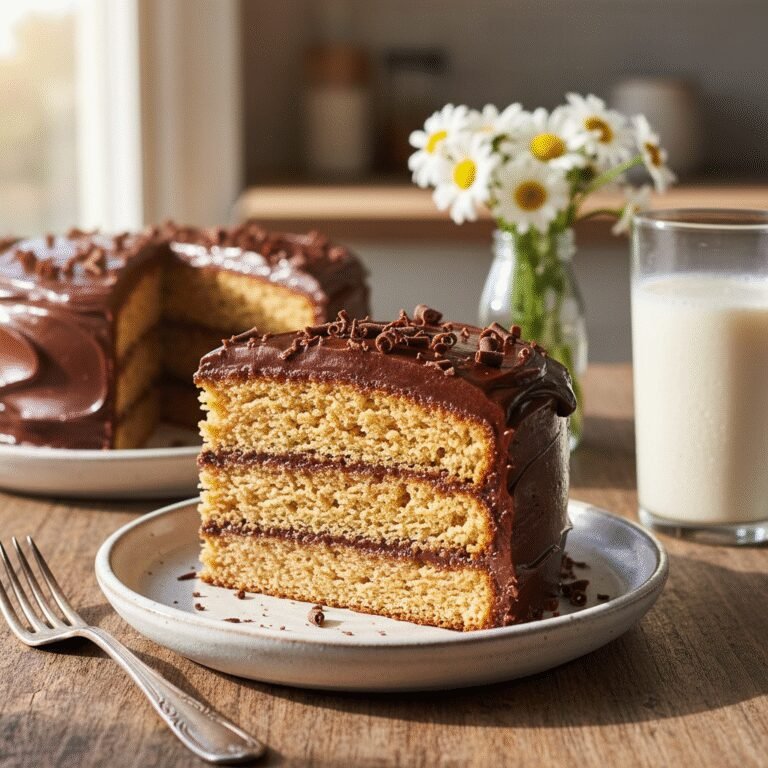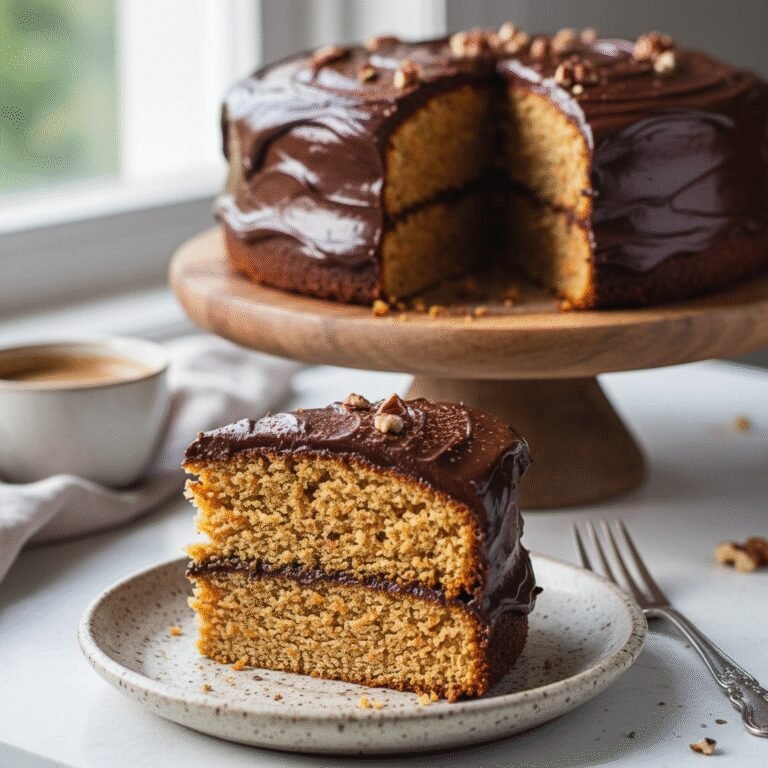
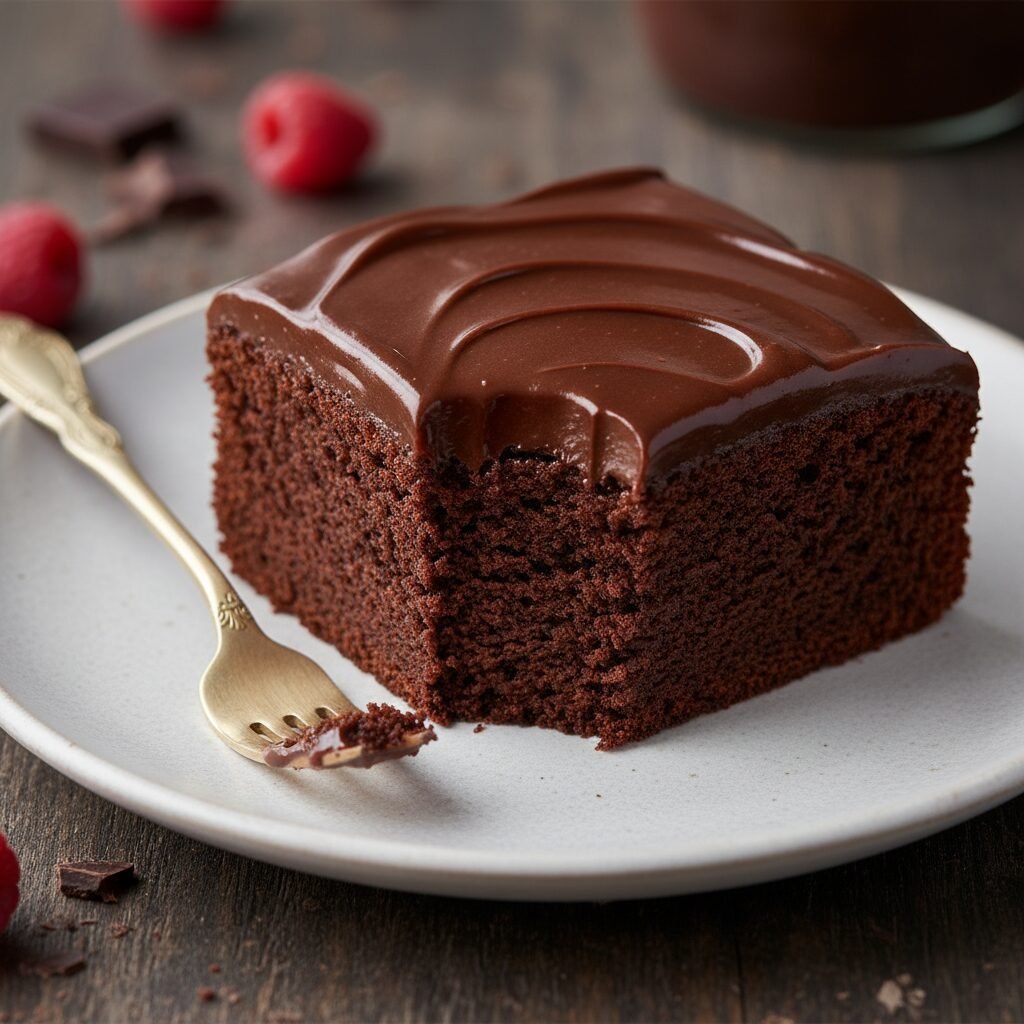
Decadent Moist Eggless Chocolate Cake With Silky Vegan Chocolate Frosting
Moist Eggless Chocolate Cake With Vegan Chocolate Frosting Recipe
Discover the secret to the most velvety, rich chocolate cake that requires absolutely no eggs or dairy. This foolproof recipe delivers a moist crumb and deep cocoa flavor, topped with a luscious vegan buttercream that rivals any bakery classic. It is the ultimate pantry-staple dessert.
15 minutes
30 minutes
45 minutes
12 servings (one 8×8 inch square cake or 12 cupcakes)
Dessert
Baking
American
Vegan
If there is one dessert that has the power to universally comfort and delight, it is a slice of rich, dark chocolate cake. However, for those navigating dietary restrictions, egg allergies, or simply an empty refrigerator, the quest for the perfect slice can often lead to dry, lackluster disappointments. Enter this Moist Eggless Chocolate Cake with Vegan Chocolate Frosting—a recipe that defies all stereotypes about vegan baking. This isn’t just ‘good for a vegan cake’; it is, quite simply, one of the best chocolate cakes you will ever taste.
The texture is the star of the show here. Where eggs usually provide structure and lift, we utilize a brilliant bit of kitchen chemistry to achieve a crumb that is impossibly tender, dark, and fudgy, without being overly dense. The flavor profile is intense and sophisticated, thanks to the inclusion of hot coffee which blooms the cocoa powder, unlocking deep, roasted notes that water or milk simply cannot reach. Topped with a cloud-like, dairy-free chocolate buttercream that melts on your tongue, this cake strikes the perfect balance between sweetness and bittersweet cocoa depth.
Whether you are hosting a birthday party for someone with allergies, looking for a quick dessert using only pantry staples, or simply craving a late-night chocolate fix, this recipe is your new best friend. It comes together in a single bowl, requires no electric mixer for the batter, and bakes up perfectly every single time. Prepare to be asked for the recipe after every single bite, and enjoy the look of shock on your guests’ faces when you tell them it is completely eggless and dairy-free.
History & Origins
The origins of the eggless chocolate cake are deeply rooted in American resilience and ingenuity, specifically tracing back to the era of the Great Depression. Often referred to as ‘Depression Cake,’ ‘Wacky Cake,’ or ‘Crazy Cake,’ this recipe was born out of necessity rather than a modern dietary trend. During the 1930s, and later during the rationing periods of World War II, staple ingredients like milk, butter, and eggs were either prohibitively expensive or strictly rationed. Home bakers, determined to keep spirits high and celebrations alive, had to innovate.
They discovered that they could forego the expensive dairy and eggs by relying on a simple chemical reaction between vinegar (an acid) and baking soda (a base). When mixed, these two humble ingredients created carbon dioxide bubbles, providing the necessary lift to the batter that eggs would typically supply. Oil was substituted for butter, which not only saved money but actually resulted in a cake that stayed moist for days longer than its butter-based counterparts.
For decades, this recipe was passed down on handwritten recipe cards, often titled ‘Joe Cake’ or ‘War Cake.’ It was a symbol of making do with what you had. In recent years, with the rise of veganism and plant-based eating, this historical gem has been rediscovered and revitalized. What was once a cake of scarcity has been elevated into a cake of choice, celebrated for its superior texture and inclusivity. It serves as a delicious reminder that sometimes, limitations in the kitchen can lead to the most extraordinary and enduring creations.
Why This Recipe Works
The science behind why this eggless cake works so well is fascinating and centers on two main factors: the leavening agents and the choice of fat. In traditional baking, eggs provide structure (protein) and leavening (when beaten). Without them, we need a powerful alternative to prevent the cake from becoming a dense brick. This recipe uses the vigorous reaction between white vinegar and baking soda. As soon as the wet and dry ingredients combine, these two react to release carbon dioxide gas, creating millions of tiny air pockets within the batter. This mimics the lift of eggs, resulting in a light and fluffy sponge.
Secondly, the use of vegetable oil instead of butter is crucial for the ‘moist’ factor. Butter is about 80% fat and 20% water, and it is solid at room temperature. When a butter-based cake cools, the fat resolidifies, which can make the cake feel drier or firmer. Oil, however, is 100% fat and remains liquid at room temperature. This coats the flour proteins more effectively, inhibiting gluten formation (which creates tenderness) and ensures the cake remains soft and moist on the palate even days after baking.
Finally, the addition of hot liquid (coffee or water) serves to ‘bloom’ the cocoa powder. Cocoa powder is full of flavor, but the particles are often encapsulated in cocoa butter. The heat dissolves these particles instantly, releasing the full potential of the chocolate flavor before the cake even hits the oven, resulting in a more intense chocolate experience.
Why You’ll Love This Recipe
- ✓Requires zero eggs or dairy, making it allergy-friendly and vegan.
- ✓Uses simple pantry staples you likely already have on hand.
- ✓One-bowl batter method means minimal cleanup.
- ✓Stays moist for days thanks to the oil-based batter.
- ✓Deep, rich chocolate flavor enhanced by brewed coffee.
- ✓Versatile recipe that can be made into cupcakes or a layer cake.
Equipment You’ll Need
- ✓8×8 inch square baking pan or 9-inch round cake pan
- ✓Large mixing bowl
- ✓Whisk
- ✓Sifter or fine-mesh sieve
- ✓Measuring cups and spoons
- ✓Rubber spatula
- ✓Electric hand mixer (for the frosting)
- ✓Wire cooling rack
Ingredients
- ✓1 1/2 cups All-Purpose Flour
- ✓1 cup Granulated Sugar
- ✓1/4 cup Unsweetened Cocoa Powder (Dutch-processed preferred)
- ✓1 teaspoon Baking Soda
- ✓1/2 teaspoon Salt
- ✓1/3 cup Vegetable Oil (or Canola/Melted Coconut Oil)
- ✓1 teaspoon White Distilled Vinegar (or Apple Cider Vinegar)
- ✓1 teaspoon Pure Vanilla Extract
- ✓1 cup Hot Brewed Coffee (or Hot Water)
- ✓1/2 cup Vegan Butter stick, slightly softened (for frosting)
- ✓1 1/2 cups Powdered Sugar (for frosting)
- ✓1/2 cup Cocoa Powder (for frosting)
- ✓1-2 tablespoons Almond Milk or Soy Milk (for frosting)
- ✓1/2 teaspoon Vanilla Extract (for frosting)
Instructions
- Preheat your oven to 350°F (175°C). Lightly grease an 8×8 inch square baking pan or a 9-inch round cake pan with oil or cooking spray. You can also line the bottom with parchment paper for easy removal.
- In a large mixing bowl, sift together the all-purpose flour, granulated sugar, 1/4 cup cocoa powder, baking soda, and salt. Whisk well to ensure the dry ingredients are evenly distributed and there are no lumps.
- Create three small wells (depressions) in the dry ingredients. Pour the vegetable oil into the large well, the vinegar into a smaller one, and the vanilla extract into the last one.
- Pour the hot brewed coffee (or hot water) over everything in the bowl. The heat helps bloom the cocoa.
- Using a whisk, mix the ingredients together until just combined and smooth. Do not overmix; stop as soon as the flour streaks disappear to ensure the cake stays tender.
- Pour the batter immediately into the prepared baking pan. Tap the pan gently on the counter once to release large air bubbles.
- Bake in the preheated oven for 30-35 minutes, or until a toothpick inserted into the center comes out clean or with just a few moist crumbs attached.
- Remove the cake from the oven and let it cool in the pan for about 10-15 minutes. Then, carefully transfer it to a wire rack to cool completely before frosting. Do not frost a warm cake, or the frosting will melt.
- While the cake cools, prepare the frosting. In a medium bowl, beat the softened vegan butter with a hand mixer until creamy and pale.
- Sift in the powdered sugar and 1/2 cup cocoa powder. Add the vanilla extract and 1 tablespoon of almond milk.
- Beat on low speed initially to incorporate the sugar, then increase to high speed and whip for 2-3 minutes until fluffy. If the frosting is too stiff, add another tablespoon of milk. If too soft, add more powdered sugar.
- Once the cake is completely cool, spread the frosting generously over the top using a spatula or butter knife. Slice and serve.
Expert Cooking Tips
- ✓Always sift your cocoa powder. Cocoa tends to clump in the container, and these clumps are very difficult to whisk out once liquid is added.
- ✓Use hot coffee instead of water. You won’t taste the coffee in the final product; it simply enhances the chocolate flavor, making it taste more ‘chocolatey’.
- ✓Do not overmix the batter. Once the wet and dry ingredients touch, the chemical reaction begins. Overmixing deflates the bubbles and develops gluten, leading to a tough cake.
- ✓Check your baking soda freshness. Since this cake relies entirely on baking soda for lift, ensure it hasn’t expired.
- ✓Cool completely. Vegan cakes can be slightly more fragile when warm. Let it set fully before moving or frosting.
- ✓For a flatter top, you can use cake strips around the pan, though this rustic cake usually looks great with a slight dome.
Substitutions and Variations
This recipe is highly adaptable to various dietary needs and pantry limitations. If you need to make this Gluten-Free, substitute the all-purpose flour with a high-quality 1:1 Gluten-Free All-Purpose Flour blend that contains xanthan gum. The texture may be slightly denser but still delicious. For the sweetener, while granulated sugar provides the best structure, you can use cane sugar or coconut sugar, though coconut sugar will darken the color and add a caramel note. If you don’t have white vinegar, Apple Cider Vinegar is a perfect 1:1 substitute and adds a nice depth. For the oil, any neutral oil works (canola, vegetable, grapeseed), but melted coconut oil is also excellent if you don’t mind a faint coconut aroma. In the frosting, if you cannot find vegan butter, you can use solid vegetable shortening, though you may need to add a pinch of salt and a bit more vanilla to boost the flavor. Soy milk, oat milk, or rice milk can all be used in place of almond milk.
Common Mistakes to Avoid
The most common mistake with this specific cake is waiting too long to put it in the oven. Because the leavening reaction between the vinegar and baking soda happens instantly upon mixing, you must get the batter into the pan and into the heat immediately. Delaying will cause the gas to escape, resulting in a flat, dense cake. Another error is measuring flour incorrectly. Avoid scooping the flour directly with the measuring cup, which packs it down. Instead, spoon the flour into the cup and level it off with a knife. Over-baking is also a risk; because the cake is dark, it’s hard to see browning. Rely on the toothpick test and remember that the cake will continue to firm up as it cools. Finally, using cold coffee or water prevents the cocoa from blooming properly; ensure your liquid is hot.
Serving Suggestions
This cake is rich and decadent, so it pairs beautifully with items that cut through the sweetness. Serve a slice with a side of fresh berries like raspberries or strawberries to add a tart contrast. A dollop of coconut whipped cream or a scoop of dairy-free vanilla bean ice cream makes for an indulgent à la mode experience. For a festive touch, sprinkle the top with crushed peppermint candies during the holidays, or edible rose petals for Valentine’s Day. It also goes exceptionally well with a hot espresso or a tall glass of cold oat milk.
Storage and Reheating Tips
This cake stores exceptionally well due to its oil content. It can be kept at room temperature in an airtight container for up to 3 days without drying out. In fact, many find it tastes even better the next day as the flavors meld. For longer storage, keep it in the refrigerator for up to 1 week; just be sure to let it come to room temperature before eating for the best texture, as the vegan butter in the frosting will harden when cold. To freeze, wrap unfrosted cake layers tightly in plastic wrap and then foil, freezing for up to 3 months. Frosted slices can also be frozen in a rigid container.
Nutrition Facts (Estimated)
| Serving Size | 1 slice |
| Calories | 320 |
| Fat | 14g |
| Saturated Fat | 3g |
| Unsaturated Fat | 10g |
| Trans Fat | 0g |
| Cholesterol | 0mg |
| Sodium | 210mg |
| Carbohydrates | 48g |
| Fiber | 3g |
| Sugar | 28g |
| Protein | 3g |
Frequently Asked Questions
Can I double this recipe?
Yes, this recipe doubles easily. If doubling, use a 9×13 inch baking pan. You will need to increase the baking time to approximately 35-40 minutes. Always check with a toothpick.
Why do I need vinegar in a cake recipe?
Vinegar is the acid that reacts with the baking soda (base) to create carbon dioxide bubbles. This reaction provides the lift and fluffiness that eggs usually provide. You cannot taste the vinegar in the finished cake.
Can I use olive oil?
You can, but standard olive oil has a strong flavor that might clash with the chocolate. If you want to use olive oil, ensure it is a ‘light’ or ‘mild’ variety, not extra virgin.
Can I make this into cupcakes?
Absolutely. This batter makes about 12 standard cupcakes. Bake them at 350°F for 18-22 minutes. They are perfect for parties.
My cake sank in the middle, what happened?
This usually happens if the oven door was opened too early during baking, causing the temperature to drop, or if the batter sat out too long before baking. It can also result from using expired baking soda.
Is this cake gluten-free?
As written, it contains wheat flour. However, it can be made gluten-free by swapping the flour for a 1:1 Gluten-Free Baking Flour blend.
Do I have to use coffee?
No, you can use hot water instead. However, coffee enhances the chocolate flavor significantly without making the cake taste like coffee. Decaf coffee works perfectly too.
Can I use baking powder instead of baking soda?
No. Baking powder and baking soda are not interchangeable in this recipe. You specifically need the strength of baking soda to react with the vinegar for this eggless batter to rise properly.
Conclusion
This Moist Eggless Chocolate Cake is more than just a substitute for a ‘real’ cake; it stands on its own as a superior dessert that happens to be plant-based. Its rich history, ease of preparation, and undeniable deliciousness make it a recipe that belongs in every baker’s repertoire. Whether you are a seasoned vegan baker or just someone who ran out of eggs on a Tuesday night, this cake promises to deliver comfort and joy in every bite. Give it a try, and you might just find yourself preferring it over the traditional version forever. Happy baking!