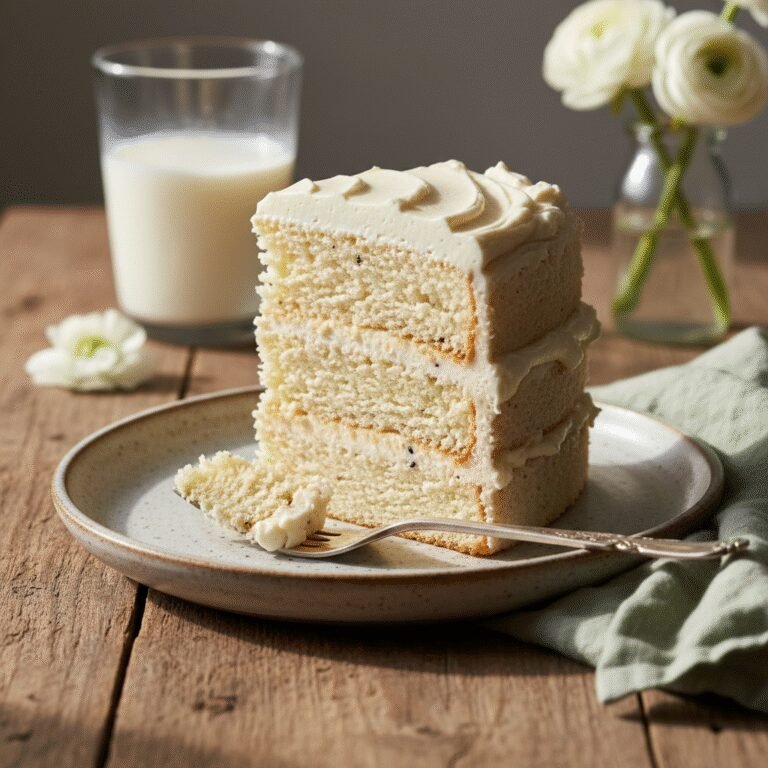
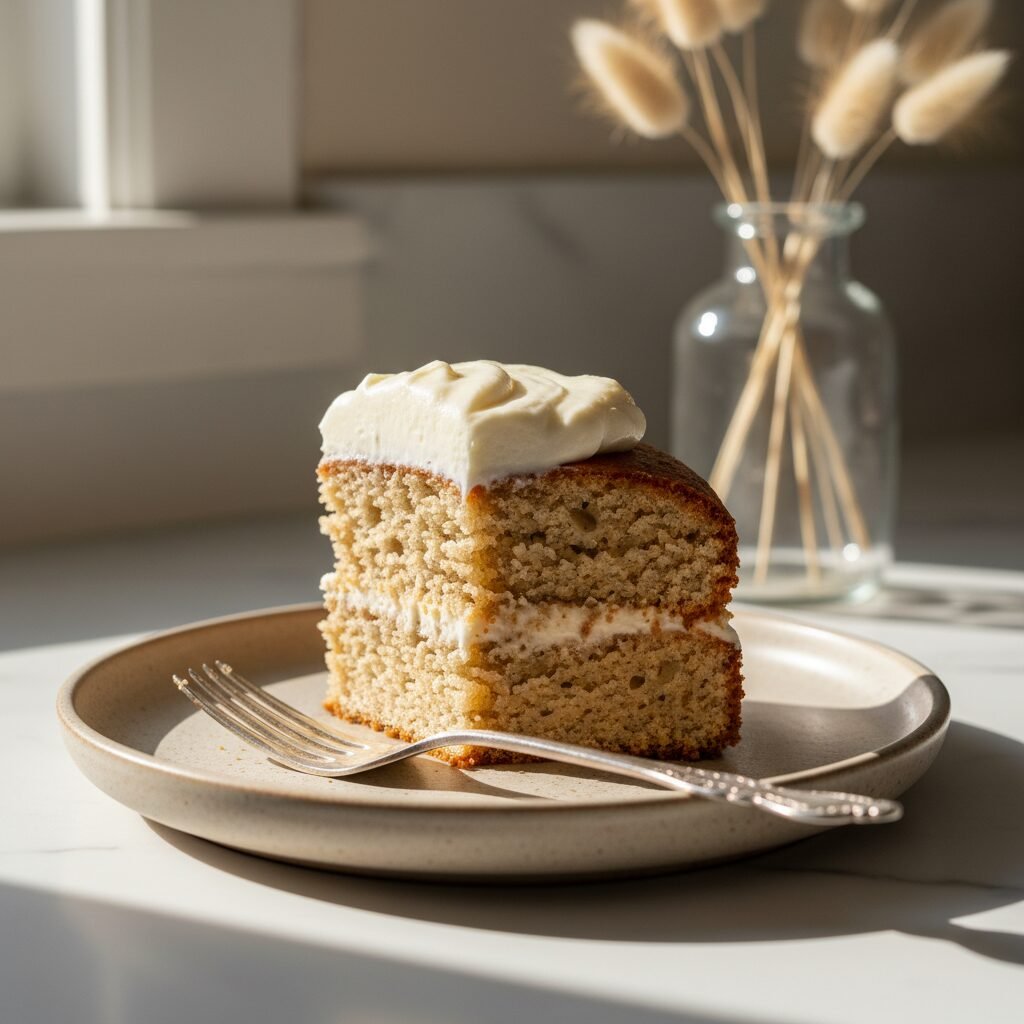
The Ultimate Moist Vegan Banana Cake with Creamy Vanilla Buttercream
Moist Vegan Banana Cake With Vegan Buttercream Recipe
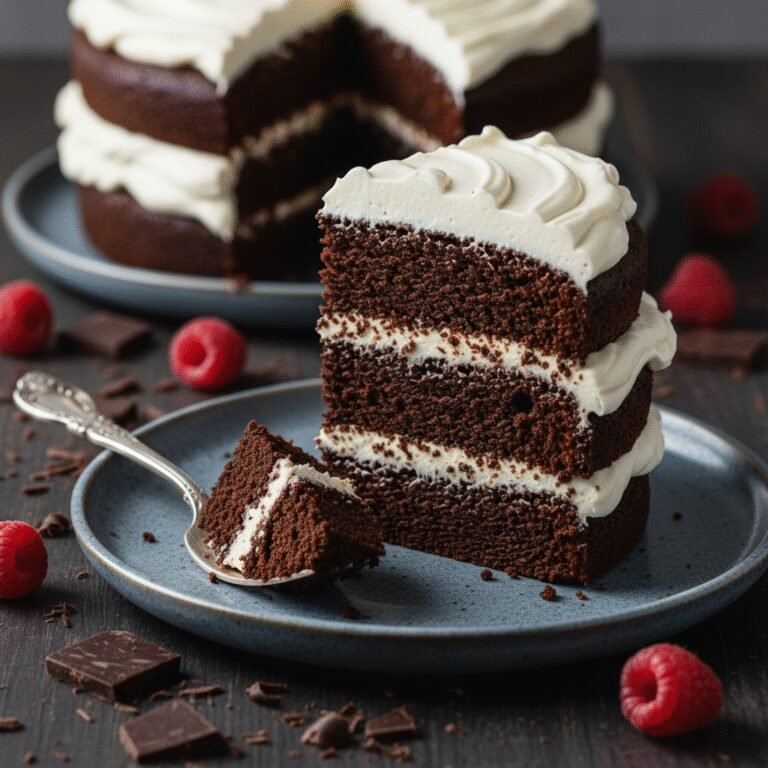
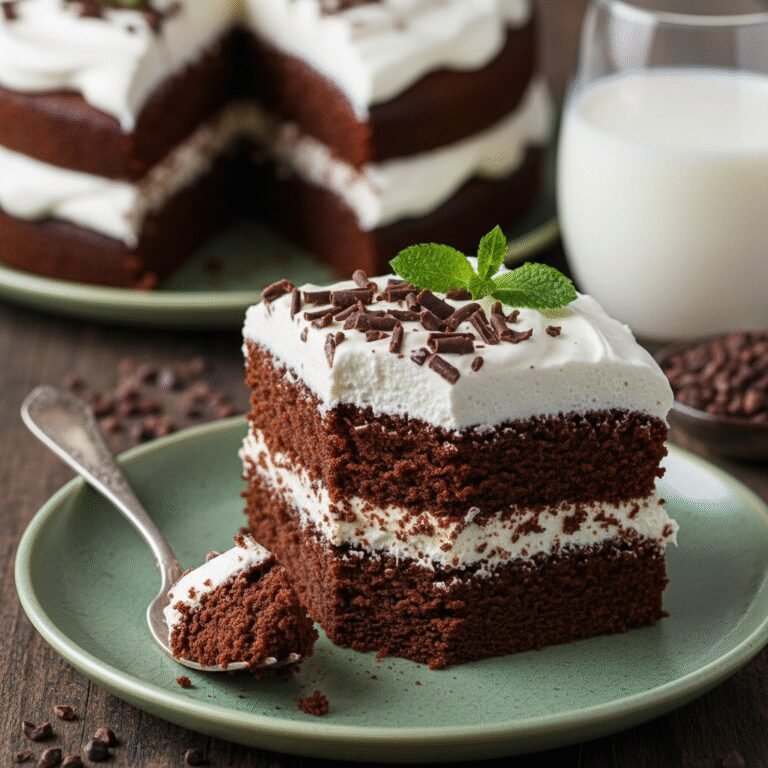
This incredibly moist vegan banana cake features tender, spiced layers of banana sponge perfectly paired with a velvety, dairy-free vanilla buttercream. It is the ultimate way to transform overripe bananas into a show-stopping dessert that rivals any traditional bakery cake.
20 minutes
35 minutes
1 hour 15 minutes
12 servings
Dessert
Baking
American
Vegan
There is something profoundly comforting about the aroma of baking bananas. It evokes memories of after-school snacks and lazy Sunday mornings. However, this recipe takes that nostalgic comfort and elevates it into a centerpiece worthy of birthdays, anniversaries, or simply a Tuesday night indulgence. We are moving beyond the realm of dense, breakfast-style banana bread and entering the world of delicate, fluffy cake. This Moist Vegan Banana Cake is a triumph of plant-based baking, dispelling the myth that vegan desserts are dry or crumbly. By harnessing the natural binding properties of bananas and the chemical magic of vegan buttermilk, we achieve a crumb structure that is light yet substantial, with a melt-in-your-mouth quality that feels luxurious.
The flavor profile is a sophisticated balance of sweet, caramelized banana notes, warm cinnamon, and a hint of vanilla, all enveloped in a rich, cloud-like buttercream frosting. What makes this recipe particularly special is its universality; it is a cake that pleases everyone, regardless of dietary restrictions. The texture is so indistinguishable from a traditional egg-and-butter cake that most guests will be shocked to learn it is entirely plant-based. Whether you are a seasoned vegan baker looking for your new go-to standard or an omnivore curious about dairy-free options, this cake promises a baking experience that is as rewarding as the first bite is delicious. We will guide you through creating the perfect sponge and a frosting so smooth you won’t believe it’s made without dairy butter.
History & Origins
The history of banana cake is inextricably linked to the history of banana bread, a culinary icon that rose to prominence in the United States during the Great Depression. Before the 1930s, bananas were a somewhat expensive import, but as refrigeration technology improved, they became more accessible. However, the real catalyst for banana-based baking was the convergence of two factors: the mass production of baking powder and baking soda, and the economic necessity to avoid food waste. During the Depression, throwing away overripe bananas was unthinkable. Resourceful home cooks discovered that the sweeter, mushier fruit added incredible moisture and flavor to quick breads.
As the decades passed, the humble banana bread began to evolve. By the mid-century, as home entertaining became more focused on presentation and ‘fancy’ desserts, recipes started to adapt the dense quick bread into lighter, frosted cakes. The 1990s and 2000s saw a massive surge in the popularity of veganism and plant-based diets, challenging bakers to replicate these classic textures without eggs or dairy. Early vegan baking often relied on heavy replacements that resulted in dense, gummy textures. However, the modern era of food science has revolutionized this. Today, we understand how to use acids (like apple cider vinegar) to curdle plant milk, creating a ‘buttermilk’ that reacts with baking soda to provide lift, replacing the function of eggs. This recipe stands on the shoulders of nearly a century of baking innovation, combining the frugality of the Depression era with the sophisticated, ethical dietary consciousness of the modern culinary landscape.
Why This Recipe Works
This recipe succeeds where many vegan cakes fail because it prioritizes moisture retention and structural integrity without relying on eggs. In traditional baking, eggs provide structure (protein) and lift. To replicate this, we utilize a combination of mashed bananas and a homemade ‘vegan buttermilk’ (a mixture of soy or almond milk and apple cider vinegar). The acid in the vinegar reacts with the baking soda, creating bubbles of carbon dioxide that aerate the batter, ensuring the cake rises beautifully and stays fluffy rather than turning into a dense puck.
Furthermore, we use oil instead of vegan butter in the cake batter itself. While butter adds flavor, it contains water which evaporates during baking. Oil, being 100% fat, coats the flour proteins more effectively, inhibiting gluten formation (which keeps the cake tender) and remaining liquid at room temperature. This ensures the cake stays moist for days, whereas butter-based cakes can dry out once cool. The addition of brown sugar adds moisture due to its molasses content, deepening the flavor profile. Finally, the frosting uses high-quality vegan butter sticks rather than tub margarine; sticks have a lower water content, which is crucial for a stable buttercream that holds its shape and doesn’t weep or separate at room temperature.
Why You’ll Love This Recipe
- ✓Incredibly moist texture that stays soft for days.
- ✓100% dairy-free and egg-free, perfect for allergy sufferers.
- ✓A great way to reduce food waste by using brown bananas.
- ✓Simple preparation requiring standard pantry staples.
- ✓Versatile batter that can be made into a layer cake or cupcakes.
- ✓Rich, authentic buttercream flavor without the dairy.
Equipment You’ll Need
- ✓Two 8-inch round cake pans
- ✓Large mixing bowl
- ✓Medium mixing bowl
- ✓Whisk
- ✓Electric hand mixer or stand mixer
- ✓Rubber spatula
- ✓Wire cooling rack
- ✓Offset spatula for frosting
- ✓Measuring cups and spoons
Ingredients
- ✓1.5 cups unsweetened soy or almond milk
- ✓1 tablespoon apple cider vinegar
- ✓3 cups all-purpose flour
- ✓1.5 cups granulated sugar
- ✓0.5 cup light brown sugar, packed
- ✓1.5 teaspoons baking soda
- ✓0.5 teaspoon baking powder
- ✓1 teaspoon salt
- ✓1 teaspoon ground cinnamon
- ✓0.5 cup neutral oil (canola, vegetable, or grapeseed)
- ✓1.5 cups mashed overripe bananas (approx. 3-4 medium bananas)
- ✓2 teaspoons pure vanilla extract
- ✓1 cup vegan butter sticks, slightly softened (for frosting)
- ✓3.5 to 4 cups powdered sugar, sifted (for frosting)
- ✓2 tablespoons plant-based milk (for frosting)
- ✓1 teaspoon vanilla extract (for frosting)
Instructions
- Preheat your oven to 350°F (175°C). Grease two 8-inch round cake pans with oil and line the bottoms with parchment paper to ensure easy removal.
- In a small bowl or measuring cup, combine the 1.5 cups of plant milk with the apple cider vinegar. Whisk gently and set aside for 5-10 minutes to curdle into vegan buttermilk.
- In a large mixing bowl, sift together the flour, baking soda, baking powder, salt, and cinnamon. Whisk in the granulated sugar and brown sugar, breaking up any clumps with your fingers.
- In a separate medium bowl, mash the bananas thoroughly until smooth. Add the oil, vanilla extract, and the prepared vegan buttermilk mixture. Whisk until fully combined.
- Pour the wet ingredients into the bowl with the dry ingredients. Use a rubber spatula to gently fold the batter together. Mix only until the flour streaks disappear—do not overmix, or the cake will be tough.
- Divide the batter evenly between the two prepared cake pans. Tap the pans gently on the counter to release any large air bubbles.
- Bake for 30-35 minutes, or until a toothpick inserted into the center comes out clean or with just a few moist crumbs attached.
- Remove the cakes from the oven and let them cool in the pans for 10 minutes. Then, carefully invert them onto a wire rack to cool completely before frosting. They must be cool to the touch.
- While the cakes cool, prepare the buttercream. In a large bowl or stand mixer, beat the softened vegan butter on medium-high speed for 3-4 minutes until pale and fluffy.
- Gradually add the powdered sugar, about 1 cup at a time, beating on low speed until incorporated. Once all sugar is added, increase speed to high.
- Add the vanilla and 1 tablespoon of plant milk. Whip for another 2-3 minutes until light and creamy. If the frosting is too stiff, add another tablespoon of milk; if too soft, add more sugar.
- To assemble, place one cake layer on a serving plate. Spread a generous layer of frosting over the top. Place the second cake layer on top. Frost the top and sides of the cake with the remaining buttercream.
- Garnish with banana slices or walnuts if desired, and serve.
Expert Cooking Tips
- ✓Use the ‘spoon and level’ method for flour: Spoon flour into the measuring cup and level it off with a knife. Scooping directly packs the flour and leads to a dry cake.
- ✓The bananas must be very ripe—brown spots or mostly black skins are ideal for maximum sweetness and moisture.
- ✓Ensure your ingredients, especially the milk and vegan butter, are at room temperature (unless otherwise noted) for the best emulsion.
- ✓Do not skip the parchment paper lining; vegan cakes can be slightly more delicate than egg-based cakes when warm.
- ✓If your vegan butter is too soft or melting, the frosting will be runny. If the kitchen is hot, chill the butter for 10 minutes before whipping.
- ✓Cool the cakes completely. If they are even slightly warm, the vegan buttercream will melt and slide off.
- ✓Weighing ingredients with a kitchen scale (using grams) is always more accurate than using volume measurements.
Substitutions and Variations
Baking is a science, but there is room for flexibility with the right knowledge. For the flour, you can substitute a high-quality 1:1 Gluten-Free All-Purpose Baking Flour blend (ensure it contains xanthan gum) to make this gluten-free. Do not use almond flour or coconut flour directly as they absorb moisture differently. For the sugar, coconut sugar can replace brown sugar for a lower glycemic option, though it will darken the cake’s color. If you want to reduce refined sugar, you can use a monk fruit sweetener, but be aware the texture may be slightly drier. The neutral oil can be swapped for melted coconut oil, but ensure all other ingredients are room temperature so the oil doesn’t solidify upon contact. For the vegan buttermilk, soy milk works best due to its higher protein content, but almond or oat milk will also work. If you don’t have apple cider vinegar, lemon juice or white vinegar are perfect 1:1 substitutes.
Common Mistakes to Avoid
The most common mistake with this recipe is overmixing the batter. Once the wet and dry ingredients meet, the gluten begins to develop. If you mix too vigorously, the cake will turn out rubbery and dense rather than fluffy. Stop mixing as soon as you no longer see dry flour. Another pitfall is using under-ripe bananas; yellow or green bananas lack the necessary sugar content and moisture, leading to a bland, dry cake. Additionally, opening the oven door too early can cause the cakes to sink in the middle; try to wait until at least the 25-minute mark to check. Finally, regarding the frosting, using tub margarine instead of vegan butter sticks is a mistake. Tub spreads have high water content and will not hold their structure for piping or layering.
Serving Suggestions
This cake is rich and flavorful, making it excellent on its own, but a few additions can elevate the experience. Serve a slice with a hot cup of dark roast coffee or an oat milk latte to cut through the sweetness of the frosting. For texture, you can press crushed walnuts or pecans into the sides of the frosted cake. A drizzle of vegan caramel sauce over the slice just before serving adds a decadent touch. If you want to garnish with fresh banana slices, toss them in a little lemon juice first to prevent them from turning brown. For a summer twist, serve with a scoop of dairy-free vanilla bean ice cream.
Storage and Reheating Tips
This cake stores exceptionally well due to the oil-based sponge. It can be kept at room temperature in an airtight cake carrier for up to 3 days. If your kitchen is particularly warm, or if you need to keep it longer, store it in the refrigerator for up to 5 days. However, vegan buttercream can harden in the fridge, so allow the cake to sit at room temperature for 30 minutes before serving to soften the frosting. For long-term storage, you can freeze individual slices wrapped tightly in plastic wrap and foil for up to 2 months. Thaw in the fridge overnight or on the counter for an hour.
Nutrition Facts (Estimated)
| Serving Size | 1 slice |
| Calories | 480 |
| Fat | 22g |
| Saturated Fat | 6g |
| Unsaturated Fat | 15g |
| Trans Fat | 0g |
| Cholesterol | 0mg |
| Sodium | 310mg |
| Carbohydrates | 68g |
| Fiber | 2g |
| Sugar | 38g |
| Protein | 4g |
Frequently Asked Questions
Can I make this recipe into cupcakes?
Yes! This batter makes approximately 20-24 cupcakes. Bake them at 350°F for 18-22 minutes, checking for doneness with a toothpick.
Why did my cake sink in the middle?
This usually happens if the oven door was opened too early, causing a temperature drop, or if the cake was underbaked. It can also happen if there was too much leavening agent (baking soda/powder).
Can I reduce the sugar in the recipe?
You can reduce the sugar in the cake by about 1/4 cup without ruining the structure, but reducing it further may affect the moisture and texture. The frosting sweetness is harder to adjust as the sugar provides structure.
What brand of vegan butter is best for frosting?
Stick brands like Miyoko’s, Country Crock Plant Butter, or Earth Balance sticks are best. Avoid tubs.
Can I use frozen bananas?
Yes. Thaw them completely and drain off any excess clear liquid before mashing them. They are often even sweeter than fresh ripe bananas.
Is this cake gluten-free?
The recipe as written uses wheat flour, but it works very well with a 1:1 Gluten-Free All-Purpose flour blend.
Can I add mix-ins to the batter?
Absolutely. You can fold in up to 1/2 cup of walnuts, pecans, or vegan chocolate chips during the final step of mixing.
Why is my cake gummy?
Gumminess is usually a sign of overmixing the batter or cutting into the cake while it is still hot. Let it cool completely.
Can I bake this in a 9×13 pan?
Yes, you can bake this as a sheet cake. The baking time will likely increase to 35-45 minutes.
Conclusion
Baking a vegan cake that rivals traditional recipes in both flavor and texture is a rewarding achievement, and this Moist Vegan Banana Cake is sure to become a staple in your kitchen. It combines the homely, comforting flavors of banana bread with the elegance of a layered celebration cake. Whether you are baking for a vegan friend, a child with egg allergies, or simply trying to eat more plant-based foods, this recipe delivers joy in every bite. Don’t forget to share your creations on social media and tag us—we love seeing how you decorate your cakes! Happy baking!