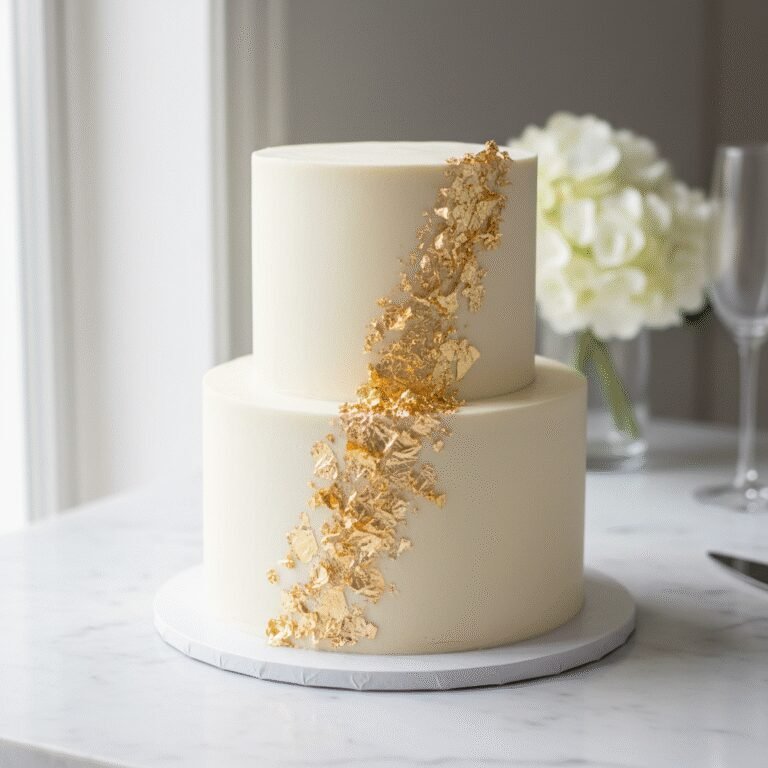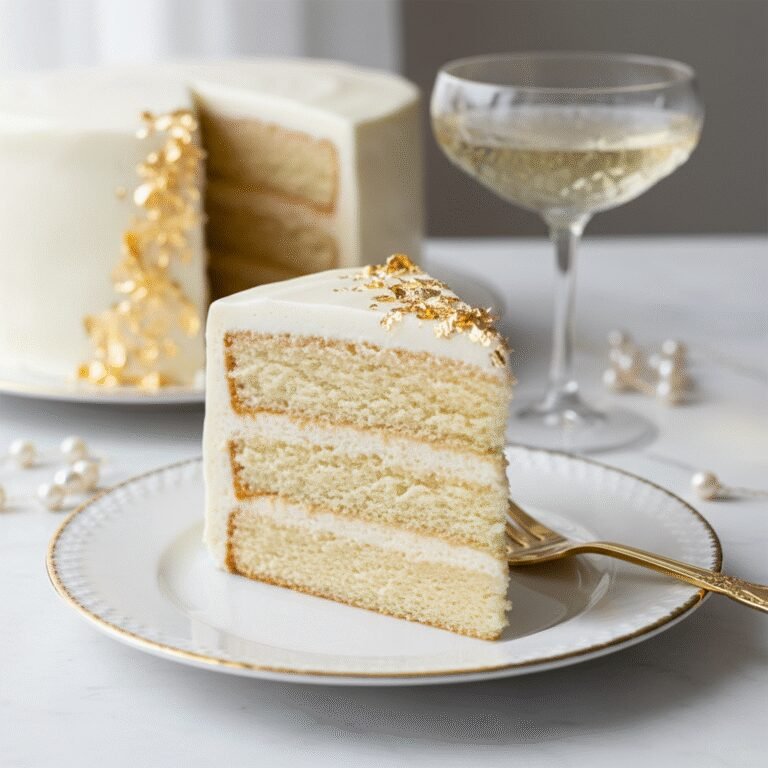
The Ultimate Moist Gluten Free Coconut Cake With Vanilla Buttercream
Moist Gluten Free Coconut Cake With Vanilla Buttercream Recipe
Experience the tropical bliss of this incredibly moist gluten-free coconut cake, layered with a rich vanilla buttercream. It is a fluffy, tender crumb delight that proves you do not need wheat to achieve baking perfection, making it the ultimate centerpiece for any celebration.
30 minutes
35 minutes
1 hour 30 minutes
12-14 Servings
Dessert
Baking
American
Gluten-Free
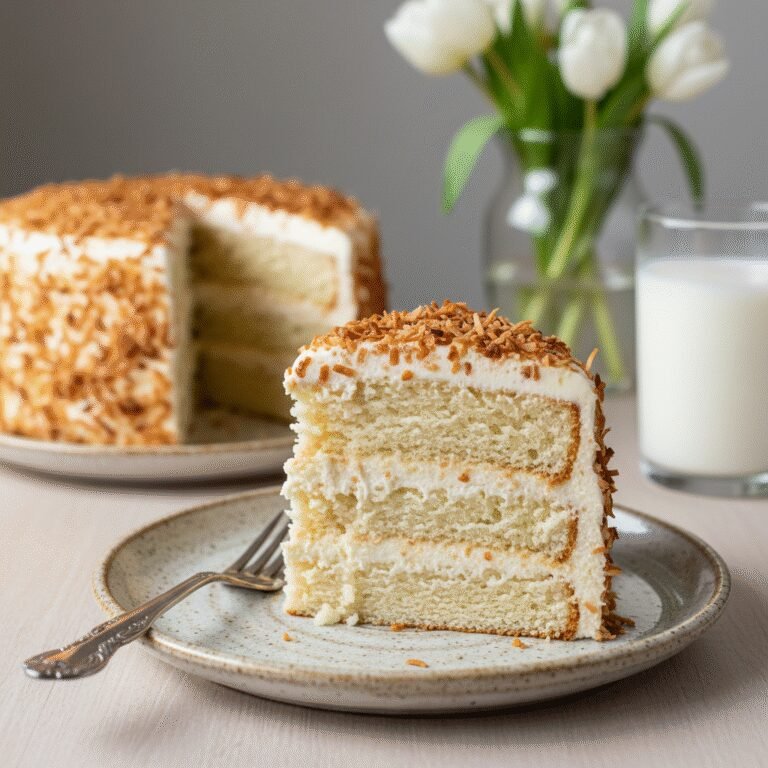
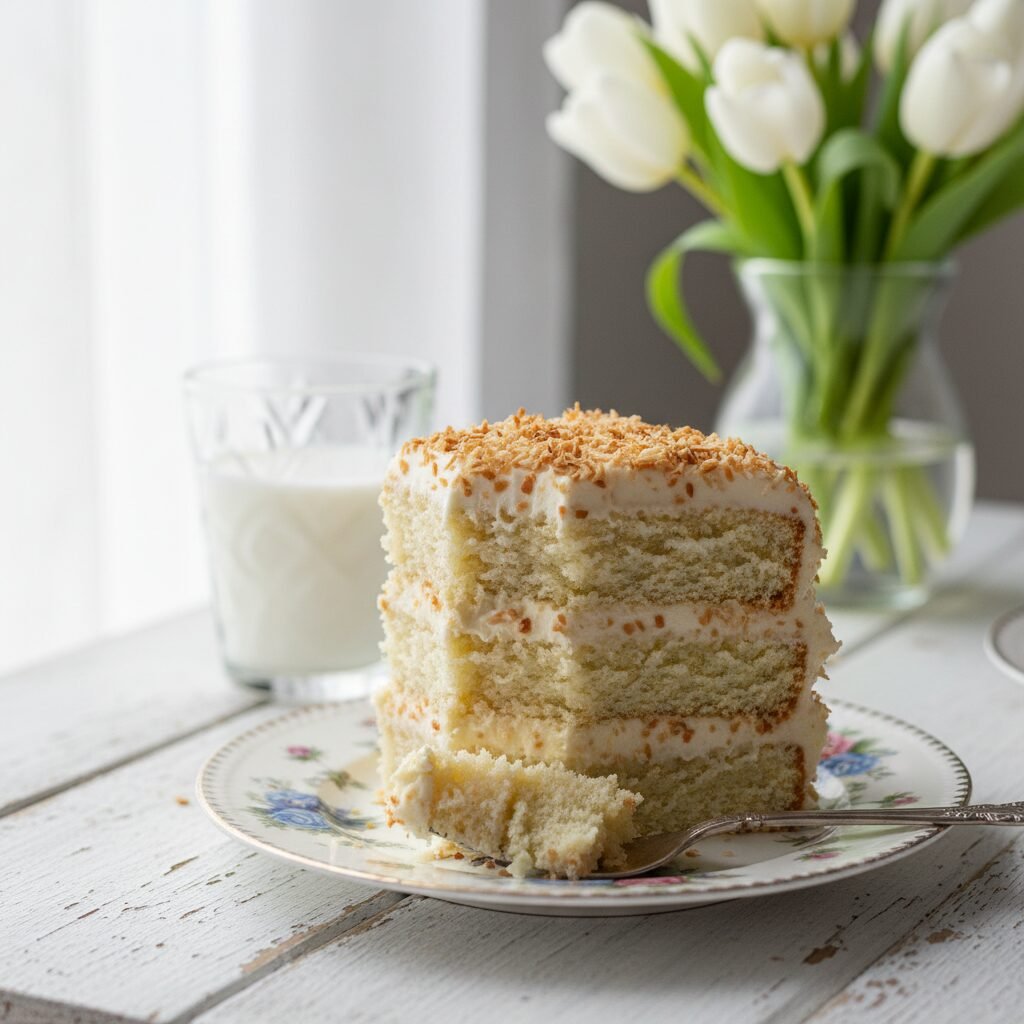
For years, the holy grail of gluten-free baking has been finding a cake recipe that defies the stereotype of being dry, crumbly, or overly dense. This Moist Gluten-Free Coconut Cake with Vanilla Buttercream is the answer to those prayers, delivering a texture so plush and tender that even the most discerning wheat-eaters will be fooled. Imagine a dessert where the sweet, nutty aroma of coconut hits you the moment you slice into it, revealing layers of snow-white cake that melt in your mouth. This recipe was born out of a desire to recreate the classic Southern coconut cakes of my childhood but without the gluten. We utilize full-fat canned coconut milk and a high-quality gluten-free flour blend to ensure the crumb remains soft for days. The vanilla buttercream is the perfect counterpoint—silky, buttery, and not overly sweet, allowing the coconut flavor to shine through. Whether you are baking for Easter brunch, a summer birthday, or simply a weekend treat, this cake brings a sense of elegance and nostalgia to the table. It is not just a dietary alternative; it is a standalone masterpiece of flavor and texture. The toasted coconut on the outside adds a delightful crunch that contrasts beautifully with the creamy frosting and soft sponge. Get ready to elevate your baking game with a dessert that is as beautiful to look at as it is delicious to eat.
History & Origins
The coconut cake is a storied dessert deeply rooted in the culinary history of the American South. While coconuts are not native to the continental United States, the 19th-century trade routes brought these exotic fruits from the Caribbean to Southern ports like Charleston and New Orleans. In those early days, making a coconut cake was a labor of love, requiring the baker to crack, drain, and hand-grate fresh coconuts. It quickly became a status symbol and a staple for high holidays and weddings due to the effort and expense involved. Traditionally, these cakes were paired with a ‘seven-minute frosting’ or a boiled icing, but as tastes evolved, the richer, more stable buttercream became a popular choice. The transition to gluten-free versions is a much more modern chapter in this history. With the rise of Celiac disease awareness and gluten intolerance in the 21st century, home bakers and chefs began experimenting with rice flours, almond meals, and starches to replicate the beloved texture of wheat cakes. Early attempts were often gritty or dry, but the development of sophisticated measure-for-measure flour blends and the understanding of hydrocolloids like xanthan gum have revolutionized gluten-free baking. This specific recipe honors the traditional Southern method of using high-fat liquids (like coconut milk instead of buttermilk) to ensure a moist crumb, bridging the gap between 19th-century luxury and modern dietary needs.
Why This Recipe Works
This recipe succeeds where many gluten-free cakes fail primarily due to the strategic use of fat and moisture. Gluten-free flours, particularly those based on rice, have a tendency to absorb more liquid than wheat flour, leading to a dry product. To combat this, we use full-fat canned coconut milk rather than the watering carton variety. The high fat content in the canned milk coats the flour proteins and starches, inhibiting them from becoming tough and ensuring a velvety mouthfeel. Additionally, the inclusion of sour cream introduces acidity, which reacts with the baking powder for a better rise, while also adding density and moisture that prevents the cake from crumbling apart. We also rely on a ‘creaming method’ that incorporates plenty of air into the butter and sugar before the dry ingredients are added; this mechanical leavening is crucial for gluten-free structures which lack the elastic network of gluten to hold gas bubbles. Finally, the use of both vanilla and coconut extracts creates a depth of flavor that feels authentic, not artificial. The buttercream acts as a seal, locking in the moisture of the cake layers, meaning this cake actually tastes better the day after it is baked.
Why You’ll Love This Recipe
- ✓Incredibly moist crumb that mimics traditional cake texture
- ✓Rich, authentic coconut flavor using milk and extracts
- ✓Silky, easy-to-make vanilla buttercream frosting
- ✓Perfect for celebrations, holidays, and birthdays
- ✓Stays soft for days without drying out
Equipment You’ll Need
- ✓Two 8-inch or 9-inch round cake pans
- ✓Stand mixer or electric hand mixer
- ✓Large mixing bowls
- ✓Rubber spatula
- ✓Wire cooling rack
- ✓Parchment paper
- ✓Offset spatula for frosting
- ✓Measuring cups and spoons
Ingredients
- ✓2 3/4 cups Gluten-Free Measure-for-Measure Flour (with xanthan gum)
- ✓1 tablespoon baking powder
- ✓3/4 teaspoon salt
- ✓1 cup unsalted butter, softened to room temperature
- ✓1 2/3 cups granulated sugar
- ✓4 large egg whites, room temperature (for a whiter cake) or 3 whole eggs
- ✓1 tablespoon vanilla extract
- ✓1 teaspoon coconut extract
- ✓1/2 cup sour cream, room temperature
- ✓1 cup full-fat canned coconut milk (shaken well before measuring)
- ✓1 cup sweetened shredded coconut (for folding in)
- ✓For the Buttercream: 1 1/2 cups unsalted butter, softened
- ✓5-6 cups powdered sugar, sifted
- ✓1/4 cup heavy cream or coconut milk
- ✓2 teaspoons vanilla bean paste or extract
- ✓Pinch of salt
- ✓2 cups sweetened shredded coconut or coconut flakes (for decoration)
Instructions
- 1. Preheat your oven to 350°F (175°C). Grease two 8-inch or 9-inch round cake pans generously with butter or cooking spray. Line the bottoms with parchment paper rounds to ensure the cakes release perfectly.
- 2. In a medium bowl, whisk together the gluten-free flour, baking powder, and salt until well combined. Set this dry mixture aside.
- 3. In the bowl of a stand mixer fitted with the paddle attachment (or a large bowl with a hand mixer), beat the 1 cup of softened butter and granulated sugar on medium-high speed for about 3-5 minutes. The mixture should look pale, fluffy, and aerated.
- 4. Scrape down the sides of the bowl. Reduce the speed to medium and add the egg whites (or whole eggs) one at a time, beating well after each addition. Mix in the vanilla extract, coconut extract, and sour cream until fully combined.
- 5. Turn the mixer to low speed. Add the flour mixture in three parts, alternating with the canned coconut milk, starting and ending with the flour. Mix only until the flour streaks disappear to avoid overworking the batter, which can make it gummy.
- 6. Gently fold in the 1 cup of shredded coconut by hand using a rubber spatula.
- 7. Divide the batter evenly between the prepared cake pans. Smooth the tops with a spatula. Bake for 30-35 minutes, or until a toothpick inserted into the center comes out clean or with just a few moist crumbs. Avoid opening the oven door too early.
- 8. Remove the cakes from the oven and let them cool in the pans for 15 minutes. Then, carefully invert them onto a wire rack to cool completely before frosting. Do not attempt to frost warm cakes.
- 9. While the cakes cool, make the buttercream. Beat the 1 1/2 cups softened butter on medium-high speed for 5 minutes until creamy and pale. Gradually add the powdered sugar, one cup at a time, mixing on low.
- 10. Add the heavy cream (or coconut milk), vanilla bean paste, and salt. Increase speed to high and whip for 3-4 minutes until the frosting is light and fluffy. If it is too stiff, add a teaspoon more liquid; if too soft, add more sugar.
- 11. To assemble, place one cake layer on your serving plate. Spread a thick layer of buttercream over the top. Place the second cake layer on top. Cover the top and sides of the entire cake with the remaining buttercream.
- 12. Press the remaining 2 cups of shredded coconut (toasted or untoasted) onto the sides and top of the cake while the frosting is fresh. Slice and serve.
Expert Cooking Tips
- ✓Ensure all cold ingredients (butter, eggs, sour cream, coconut milk) are at room temperature before starting; this prevents the batter from curdling.
- ✓Shake the can of coconut milk vigorously before opening, as the cream and water separate in the can.
- ✓Weigh your gluten-free flour using a kitchen scale (approx 120g-130g per cup) if possible, as scooping can lead to a dense cake.
- ✓Do not overmix the batter once the flour is added, even though there is no gluten; overmixing can still break down the xanthan gum network leading to a gummy texture.
- ✓Toast the coconut for the exterior garnish in a dry pan over medium heat for 2-3 minutes for added crunch and nutty flavor.
- ✓If using egg whites, whip them gently before folding in if you want an extra airy sponge, though mixing them in normally works fine for this dense cake.
- ✓Chill the cake layers for 30 minutes before frosting to reduce crumbs getting into your buttercream.
Substitutions and Variations
This recipe is quite versatile, but gluten-free baking requires precision. If you cannot find a measure-for-measure flour blend with xanthan gum already included, you must add 1/2 teaspoon of xanthan gum per cup of gluten-free all-purpose flour. For a dairy-free version, substitute the butter with high-quality vegan butter sticks (not tub margarine) and use unsweetened coconut yogurt instead of sour cream. The buttercream can also be made with vegan butter and coconut cream. If you do not have coconut extract, you can omit it, but the coconut flavor will be subtler. You can use unsweetened shredded coconut inside the cake if you prefer to control the sugar level, but sweetened coconut adds moisture. For the liquid, do not substitute the canned coconut milk with carton coconut milk beverage; the fat content is critical. If you are out of sour cream, full-fat plain Greek yogurt is an excellent 1:1 substitute.
Common Mistakes to Avoid
The most common mistake in gluten-free baking is measuring flour incorrectly. Dipping the measuring cup into the bag packs the flour down, resulting in too much dry ingredient and a hard cake. Always spoon the flour into the cup and level it off, or better yet, weigh it. Another mistake is using cold ingredients. If you add cold coconut milk to creamed butter, the butter will seize and create a lumpy, curdled batter that won’t rise evenly. Opening the oven door too often is also detrimental; gluten-free cakes are sensitive to temperature drops and can sink in the middle. Lastly, don’t skip the cooling time. Gluten-free baked goods continue to ‘set’ structurally as they cool. Cutting into a warm cake will result in a gummy, doughy texture that hasn’t finished forming.
Serving Suggestions
This cake is a showstopper on its own, but it pairs beautifully with fresh fruit. Serve slices with a side of macerated strawberries, fresh raspberries, or a tropical fruit salad of mango and pineapple to cut through the richness of the buttercream. A dollop of lemon curd on the side also adds a fantastic zesty contrast. For beverages, a hot cup of black coffee or an Earl Grey tea balances the sweetness perfectly. In the summer, a glass of cold almond milk or sparkling wine makes for a refreshing accompaniment.
Storage and Reheating Tips
This cake stores surprisingly well thanks to the coconut milk. It can be kept at room temperature in an airtight cake carrier for up to 2 days. If your kitchen is very warm, or for storage up to 5 days, keep it in the refrigerator. However, butter-based cakes become firm when cold, so always let the slice sit at room temperature for 20-30 minutes before eating to restore the soft texture. You can also freeze individual slices wrapped tightly in plastic wrap and foil for up to 2 months. Thaw in the fridge overnight or on the counter for an hour. The unfrosted cake layers can be baked ahead and frozen for up to a month before assembly.
Nutrition Facts (Estimated)
| Serving Size | 1 slice |
| Calories | 580 |
| Fat | 34g |
| Saturated Fat | 22g |
| Unsaturated Fat | 10g |
| Trans Fat | 0g |
| Cholesterol | 85mg |
| Sodium | 210mg |
| Carbohydrates | 68g |
| Fiber | 2g |
| Sugar | 42g |
| Protein | 4g |
Frequently Asked Questions
Can I make this cake vegan?
Yes, use flax eggs or a commercial egg replacer, vegan butter sticks, and dairy-free yogurt. The texture might be slightly denser but still delicious.
Why did my cake sink in the middle?
This usually happens if the cake was underbaked or the oven door was opened too early. It can also result from too much leavening (baking powder) or over-creaming the butter and sugar.
Can I use almond flour instead of a GF blend?
No, almond flour behaves very differently from a flour blend containing rice flour and starches. It lacks the structure needed for this specific recipe.
Is xanthan gum necessary?
Yes, absolutely. Without gluten, xanthan gum acts as the binder that holds the cake together. Ensure your flour blend has it, or add it manually.
Can I make this into cupcakes?
Yes! This batter makes wonderful cupcakes. Bake them at 350°F for about 18-22 minutes. It should yield approximately 24 cupcakes.
How do I toast coconut flakes?
Spread the flakes on a baking sheet and bake at 325°F for 5-10 minutes, stirring every 2 minutes, until golden brown. Watch closely as they burn fast.
Can I use fresh coconut?
Fresh grated coconut is delicious but has a higher moisture content. Squeeze it dry with a paper towel before folding it into the batter.
My frosting is too runny, what do I do?
Add more powdered sugar, 1/4 cup at a time. Also, ensure your butter wasn’t melted or too warm when you started mixing.
Can I use light coconut milk?
It is not recommended. Light coconut milk has more water and less fat, which can lead to a less tender crumb.
How do I get the cake to be pure white?
Use only egg whites instead of whole eggs, and use clear vanilla extract instead of brown vanilla extract.
Conclusion
There is something truly magical about a homemade coconut cake. It is a dessert that feels like a hug—warm, comforting, and indulgent. By following this gluten-free recipe, you are not compromising on any of that magic. You are creating a dessert that is inclusive and spectacular, ensuring that everyone at your table can enjoy a slice of happiness. Whether you are an experienced gluten-free baker or just starting out, this Moist Gluten-Free Coconut Cake with Vanilla Buttercream is a recipe you will return to time and time again. So preheat that oven, crack open a can of coconut milk, and get ready to bake the best cake of your life.