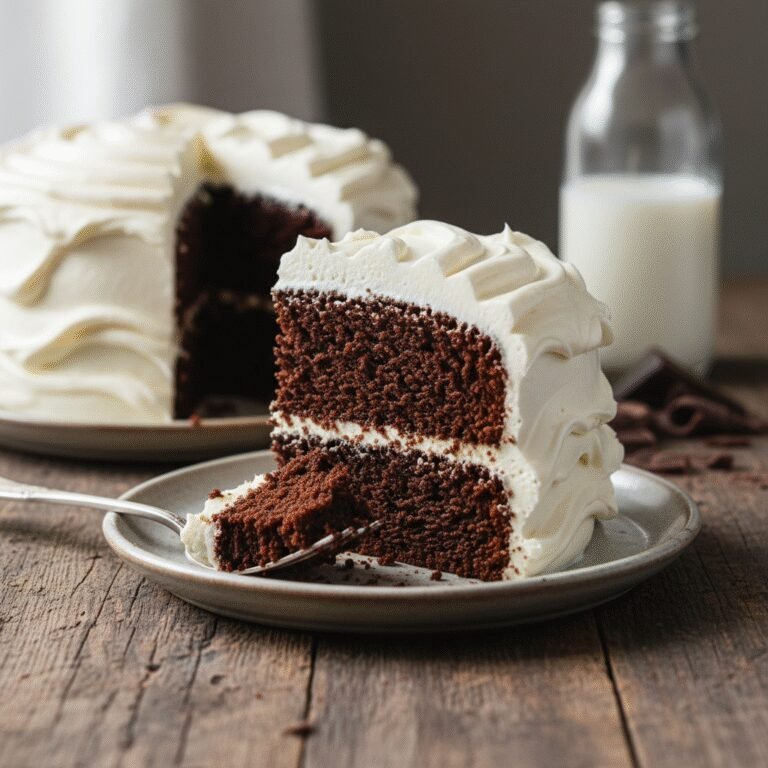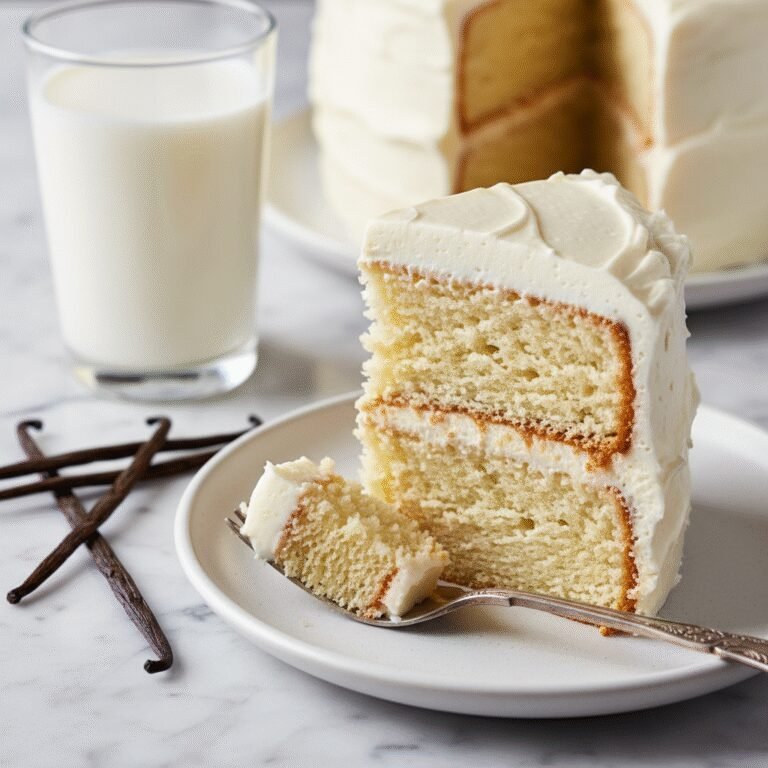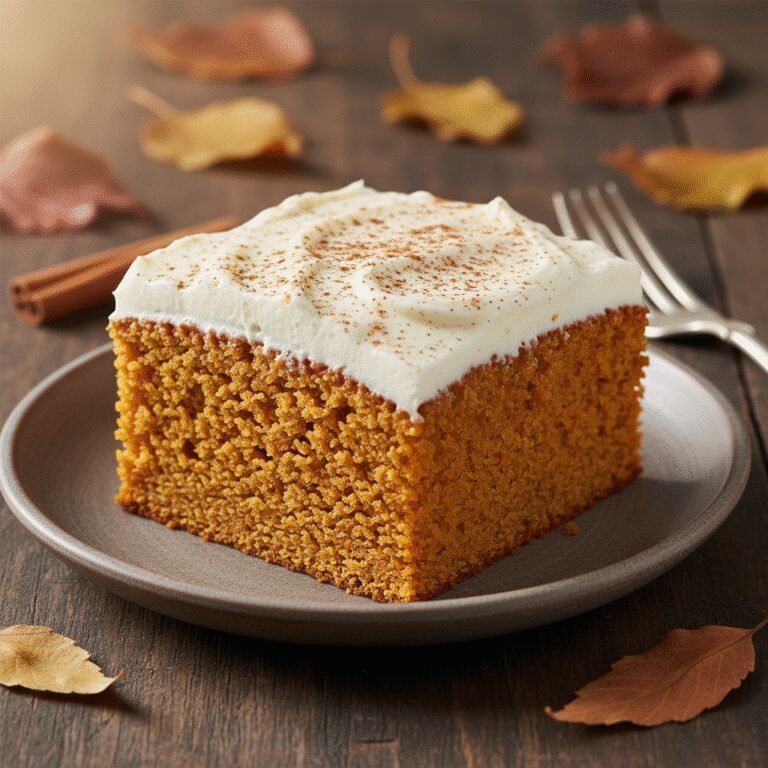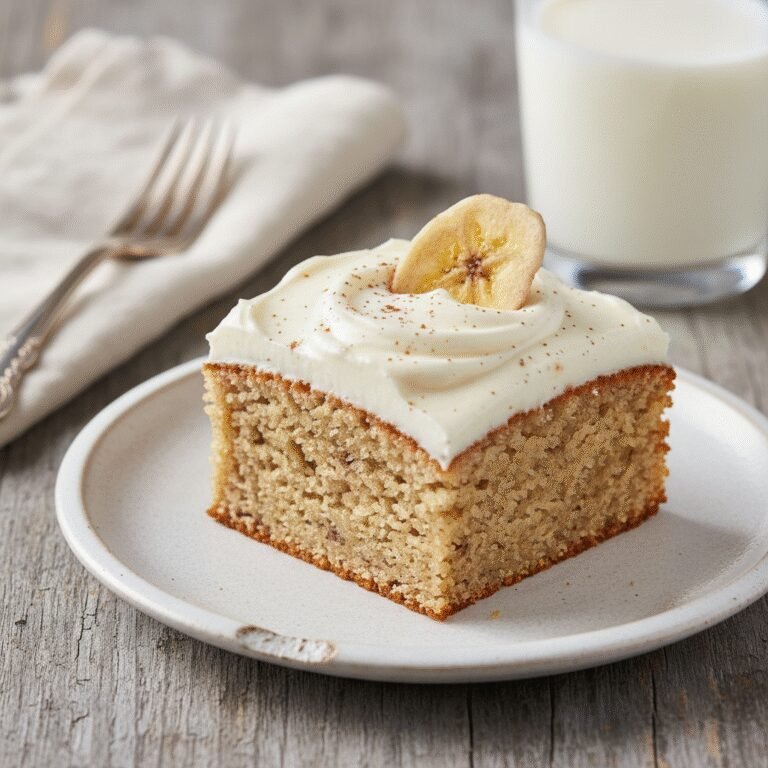
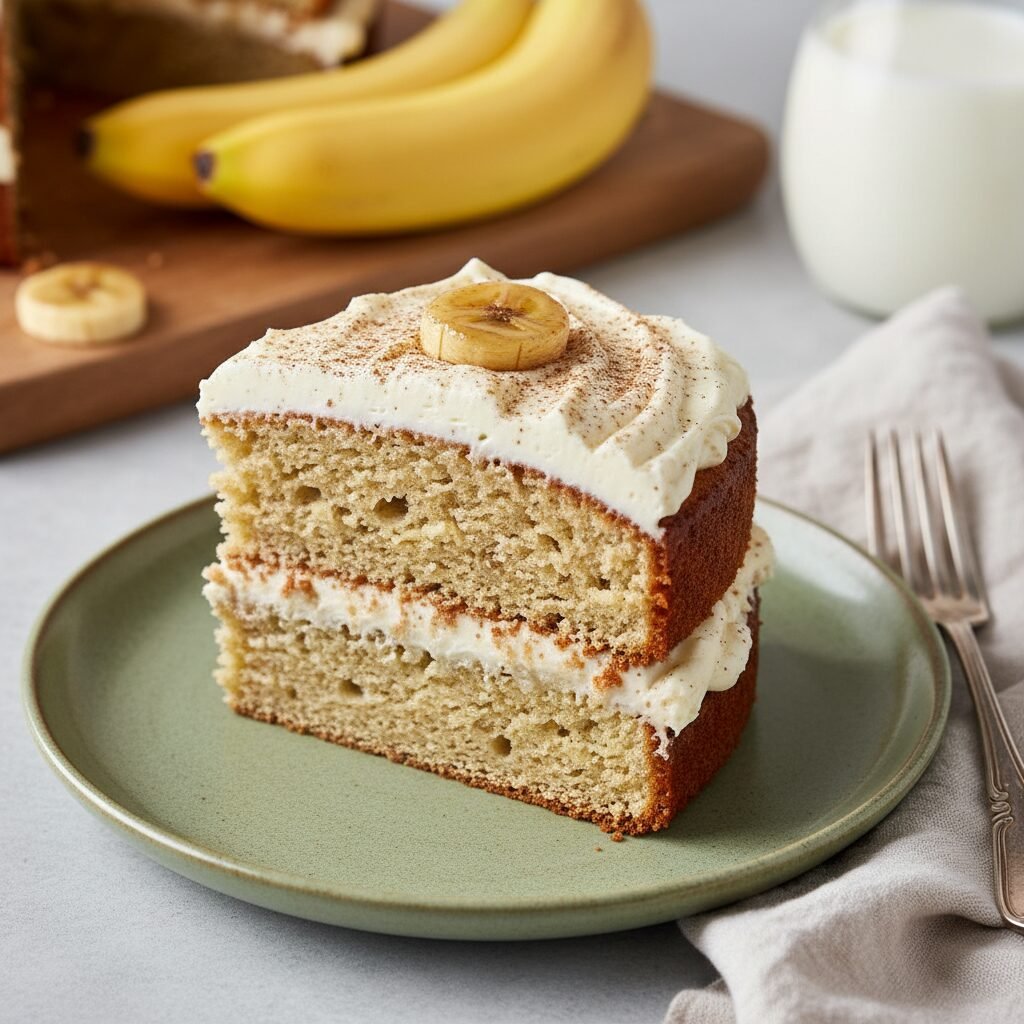
The Ultimate Moist Gluten-Free Banana Cake With Vanilla Buttercream
Moist Gluten Free Banana Cake With Vanilla Buttercream Recipe
Discover the holy grail of gluten-free baking with this incredibly moist, tender, and fluffy banana cake. Paired with a silky, whipped vanilla buttercream, this recipe transforms overripe bananas into a show-stopping dessert that no one will believe is wheat-free.
25 minutes
35 minutes
1 hour 15 minutes (includes cooling)
12-14 servings (one 9×13 inch cake or two 8-inch rounds)
Dessert
Baking
American
Gluten-Free
For anyone who has navigated the world of gluten-free baking, you know the struggle is real. Too often, the promise of a delicious cake results in a crumbly, dry, or strangely gummy texture that leaves you reaching for a glass of milk just to wash it down. But today, we are breaking that stigma once and for all. This Moist Gluten-Free Banana Cake with Vanilla Buttercream is not just ‘good for being gluten-free’—it is simply a spectacular cake, period. The crumb is tender, the texture is plush, and the flavor is a deep, caramelized banana richness that evokes the warmest childhood memories. What sets this recipe apart is the meticulous balance of moisture-retaining ingredients. We utilize a combination of brown sugar, sour cream, and plenty of spotted, overripe bananas to ensure the cake stays soft for days. Unlike banana bread, which is denser and more muffin-like, this is a true cake: light enough for a birthday party but substantial enough to hold up to a thick, swooping layer of homemade vanilla buttercream. The frosting itself is a cloud of sweetness, whipped to perfection, providing a creamy contrast to the fruity depth of the cake. Whether you are celiac, gluten-intolerant, or just baking for someone who is, this recipe is a triumph. It requires no obscure ingredients—just a quality gluten-free flour blend and pantry staples. Prepare your kitchen for the intoxicating aroma of baking bananas and vanilla, a scent that promises comfort and indulgence in every slice.
History & Origins
The history of banana cake is deeply intertwined with the history of leavening agents and the global fruit trade. While bananas have been cultivated for thousands of years in Southeast Asia, they didn’t become a staple in American households until the late 19th and early 20th centuries, thanks to improvements in refrigeration and transport. However, the concept of ‘banana bread’ or ‘banana cake’ as we know it truly took off during the Great Depression in the 1930s. During this era of economic hardship, throwing away food was unthinkable. Housewives needed a way to use up overripe, rotting bananas, and thus, the mashed banana became a star ingredient. Simultaneously, the mass production of baking powder and baking soda made quick breads and chemically leavened cakes accessible to the home cook. Early recipes were often dense and bread-like, but as post-war prosperity returned, recipes evolved to include more butter, sugar, and refined techniques, birthing the lighter ‘banana cake.’ The gluten-free evolution of this classic is a more recent chapter, emerging prominently in the early 21st century alongside rising awareness of Celiac disease and gluten sensitivity. Early gluten-free adaptations were often lackluster, relying on rice flour alone which yielded gritty results. Today, thanks to food science and the development of sophisticated 1:1 gluten-free flour blends that utilize xanthan gum and various starches, we can recreate the historic comfort of the 1930s kitchen without the wheat, maintaining the cultural legacy of this beloved dessert while making it inclusive for modern dietary needs.
Why This Recipe Works
This recipe succeeds where many gluten-free cakes fail because it is engineered specifically to combat dryness and lack of structure. Gluten provides elasticity and structure to traditional cakes; without it, we must rely on other binders and humectants. First, the use of a high-quality ‘measure-for-measure’ gluten-free flour blend containing xanthan gum is non-negotiable; the gum mimics the stretch of gluten, preventing the cake from crumbling apart. Second, the moisture content is aggressively managed. We use a high ratio of mashed bananas, which act as a natural binder and humectant. We also incorporate sour cream (or full-fat Greek yogurt). The acidity in the sour cream not only tenderizes the protein in the eggs and flour but also reacts with the baking soda to create a superior lift, resulting in a fluffy crumb rather than a dense brick. Furthermore, we use a mix of granulated and brown sugar. Brown sugar contains molasses, which is hygroscopic, meaning it attracts and holds water, keeping the cake moist long after it has cooled. Finally, the ‘creaming method’—beating the butter and sugar until airy before adding eggs—incorporates mechanical air into the batter, which is crucial for lift in gluten-free baking where yeast is absent.
Why You’ll Love This Recipe
- ✓Incredibly moist texture that stays soft for days.
- ✓Rich, natural banana flavor enhanced by brown sugar.
- ✓Silky, easy-to-make American vanilla buttercream frosting.
- ✓Simple preparation using standard 1:1 gluten-free flour.
- ✓Perfect for birthdays, holidays, or everyday snacking.
- ✓Freezer-friendly layers for make-ahead convenience.
Equipment You’ll Need
- ✓Two 8-inch round cake pans or one 9×13 rectangular pan
- ✓Stand mixer or handheld electric mixer
- ✓Large mixing bowls
- ✓Rubber spatula
- ✓Measuring cups and spoons
- ✓Wire cooling rack
- ✓Offset spatula for frosting
- ✓Parchment paper
Ingredients
- ✓2 1/2 cups All-Purpose Gluten-Free Flour Blend (ensure it contains xanthan gum)
- ✓1 teaspoon baking powder
- ✓1 teaspoon baking soda
- ✓1/2 teaspoon salt
- ✓1 teaspoon ground cinnamon
- ✓1/2 cup unsalted butter, softened to room temperature
- ✓1/2 cup vegetable oil (or melted coconut oil)
- ✓1 cup granulated sugar
- ✓1/2 cup light brown sugar, packed
- ✓3 large eggs, room temperature
- ✓2 teaspoons pure vanilla extract
- ✓1 1/2 cups mashed overripe bananas (approx. 3-4 bananas)
- ✓1/2 cup full-fat sour cream or Greek yogurt
- ✓FOR THE BUTTERCREAM:
- ✓1 cup (2 sticks) unsalted butter, softened
- ✓4 cups powdered sugar (confectioners’ sugar)
- ✓2-3 tablespoons heavy cream or milk
- ✓2 teaspoons pure vanilla extract
- ✓Pinch of salt
Instructions
- Preheat your oven to 350°F (175°C). Grease two 8-inch round cake pans or one 9×13 pan generously with butter or cooking spray. For extra security, line the bottoms with parchment paper.
- In a medium bowl, whisk together the gluten-free flour, baking powder, baking soda, salt, and cinnamon until well combined. Set aside.
- In the bowl of a stand mixer fitted with the paddle attachment (or a large bowl with a hand mixer), beat the softened butter, oil, granulated sugar, and brown sugar on medium-high speed for about 3-4 minutes until the mixture is light, pale, and fluffy.
- Add the eggs one at a time, beating well after each addition. Scrape down the sides of the bowl as needed. Mix in the vanilla extract.
- Reduce the mixer speed to low. Add the dry ingredients in three parts, alternating with the mashed bananas and sour cream. Begin and end with the dry ingredients. Mix only until just combined—do not overmix.
- Give the batter a final stir with a rubber spatula to ensure no flour pockets remain at the bottom of the bowl.
- Divide the batter evenly between the prepared pans. Smooth the tops with a spatula.
- Bake for 30-35 minutes, or until a toothpick inserted into the center comes out clean or with just a few moist crumbs. The cakes should be golden brown and spring back slightly when touched.
- Remove from the oven and let the cakes cool in the pans for 10-15 minutes. Then, carefully invert them onto a wire rack to cool completely before frosting. Do not attempt to frost warm cakes.
- To make the buttercream: Beat the softened butter on medium-high speed for 5 minutes until it is incredibly pale and creamy.
- Gradually add the powdered sugar, one cup at a time, mixing on low speed until incorporated. Once all sugar is added, increase speed to high.
- Add the vanilla extract, salt, and 2 tablespoons of heavy cream. Whip on high speed for 3-4 minutes until light and airy. If the frosting is too stiff, add one more tablespoon of cream.
- Frost the cooled cakes generously and garnish with banana slices or walnuts if desired.
Expert Cooking Tips
- ✓Use bananas that are heavily spotted or mostly brown; they provide the most sweetness and moisture.
- ✓Room temperature ingredients are crucial. Cold eggs or sour cream can cause the batter to curdle.
- ✓Do not scoop your flour directly with the measuring cup. Spoon it into the cup and level it off to avoid a dense cake.
- ✓If your flour blend does not contain xanthan gum, add 1/2 teaspoon to the dry ingredients.
- ✓Let the cake cool completely before frosting; gluten-free cakes are more fragile when warm.
- ✓Whipping the buttercream for the full 5 minutes makes it less sweet and more airy.
- ✓Line your pans with parchment paper to guarantee the cake releases without breaking.
Substitutions and Variations
This recipe is quite adaptable, though baking is chemistry, so proceed with care. For the flour, ensure you use a high-quality ‘1:1’ or ‘Measure for Measure’ gluten-free blend (brands like King Arthur or Bob’s Red Mill are excellent). If you need to go dairy-free, substitute the butter in the cake with a high-quality plant-based butter stick or use all oil (though the texture will change slightly). The sour cream can be replaced with a dairy-free plain yogurt or coconut yogurt. For the frosting, vegan butter sticks work well in place of dairy butter, and plant-based milk can replace the heavy cream. If you want to reduce refined sugar, you can try coconut sugar in the cake, though it will darken the color significantly. We do not recommend substituting liquid sweeteners like maple syrup for the sugar, as it throws off the liquid ratios. If you don’t have sour cream, full-fat plain Greek yogurt or even buttermilk is a perfect 1:1 swap.
Common Mistakes to Avoid
The most common mistake in gluten-free baking is measuring the flour incorrectly. If you dip your cup into the bag, you pack the flour down and can end up with 20-30% more flour than intended, leading to a dry, hard cake. Always spoon and level. Another mistake is under-baking. Gluten-free flours often hold more moisture and can look done on the outside while being gummy in the middle. Trust the toothpick test—it shouldn’t be wet, but moist crumbs are okay. Using under-ripe bananas is another error; yellow or green bananas lack the sugar content and soft texture needed for the binder. Finally, don’t skip the cooling time. Gluten-free structures take longer to set than wheat cakes. Cutting into it while hot will result in a crumbly mess.
Serving Suggestions
This cake is rich and sweet, so it pairs beautifully with beverages that cut through the sugar. Serve a generous slice with a hot cup of black coffee, an espresso, or a cold glass of milk. For a dinner party, you can plate individual slices with a drizzle of salted caramel sauce and a side of candied walnuts for crunch. If you want to add a fresh element, serve it with fresh berries on the side. It is perfect as a birthday cake, but simple enough for a weekend brunch centerpiece.
Storage and Reheating Tips
Because this cake is so moist, it stores very well. Keep the frosted cake in an airtight container or cake dome at room temperature for up to 3 days. If your kitchen is very hot or humid, store it in the refrigerator for up to 5 days, but let it come to room temperature before serving for the best texture and flavor. The unfrosted cake layers freeze beautifully. Wrap each cooled layer tightly in plastic wrap, then foil, and freeze for up to 3 months. Thaw overnight in the refrigerator before frosting. You can also freeze individual slices of frosted cake in airtight containers for a quick treat later.
Nutrition Facts (Estimated)
| Serving Size | 1 slice |
| Calories | 480 |
| Fat | 22g |
| Saturated Fat | 14g |
| Unsaturated Fat | 7g |
| Trans Fat | 0.5g |
| Cholesterol | 85mg |
| Sodium | 210mg |
| Carbohydrates | 68g |
| Fiber | 2g |
| Sugar | 42g |
| Protein | 4g |
Frequently Asked Questions
Can I make this recipe into cupcakes?
Yes! This batter works perfectly for cupcakes. Line a muffin tin with liners and fill them 2/3 full. Bake at 350°F for 18-22 minutes. It should yield about 24 cupcakes.
Why did my gluten-free cake sink in the middle?
Sinking usually happens if the cake was under-baked or if the oven door was opened too early, causing a temperature drop. It can also happen if there was too much leavening (baking soda/powder) or too much liquid.
Do I really need xanthan gum?
Yes. In the absence of gluten, xanthan gum provides the structure and elasticity needed to hold the cake together. Without it, the cake will likely crumble apart.
Can I use almond flour instead of a blend?
No, almond flour behaves very differently than a grain-based flour blend. It lacks the starch necessary to absorb the liquid in this specific recipe. Stick to a 1:1 GF flour blend.
How do I ripen bananas quickly?
If your bananas are yellow, place them on a baking sheet in a 300°F oven for 15-20 minutes until the skins turn black and the fruit is soft.
Is this cake dairy-free?
The recipe as written contains butter and sour cream, so it is not dairy-free. However, you can use plant-based butter and dairy-free yogurt substitutions successfully.
Can I add mix-ins like chocolate chips?
Absolutely. You can fold in 1 cup of chocolate chips or chopped walnuts into the batter right before pouring it into the pans.
Why is my cake gummy?
Gumminess is often caused by too much xanthan gum (if you added extra to a blend that already had it) or cutting into the cake before it has completely cooled and set.
Conclusion
There is something profoundly comforting about the smell of banana cake baking in the oven, and having a gluten intolerance shouldn’t rob you of that joy. This Moist Gluten-Free Banana Cake with Vanilla Buttercream proves that you don’t need wheat to achieve baking nirvana. With its tender crumb, rich flavor, and luxurious frosting, it is a recipe that invites everyone to the table, regardless of dietary restrictions. We hope this becomes a staple in your recipe box, a go-to for birthdays, celebrations, or just those Tuesday nights when you need a little slice of happiness. Happy baking!