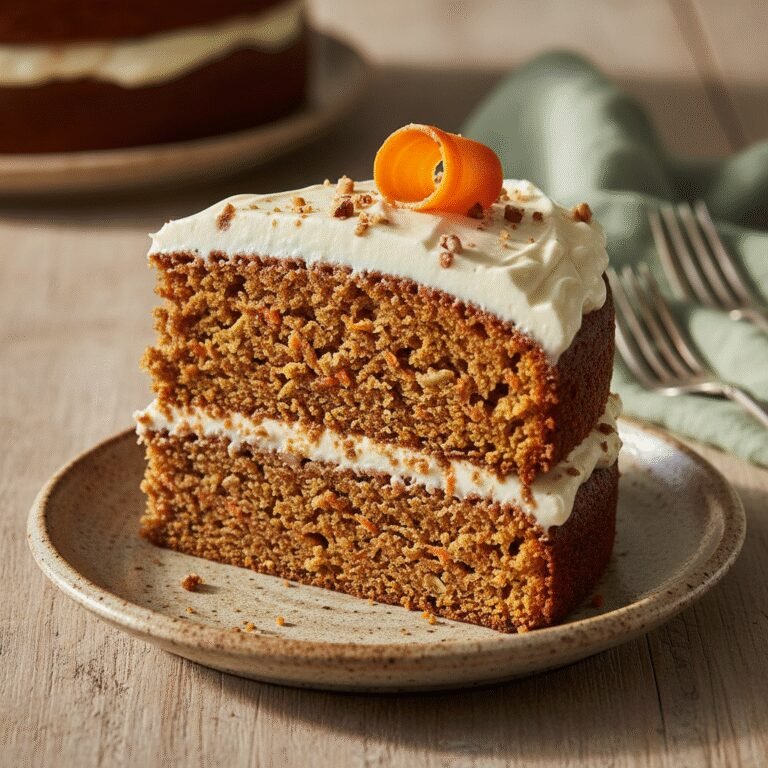
The Best Moist Gluten Free Carrot Cake with Cream Cheese Frosting
Moist Gluten Free Carrot Cake Recipe
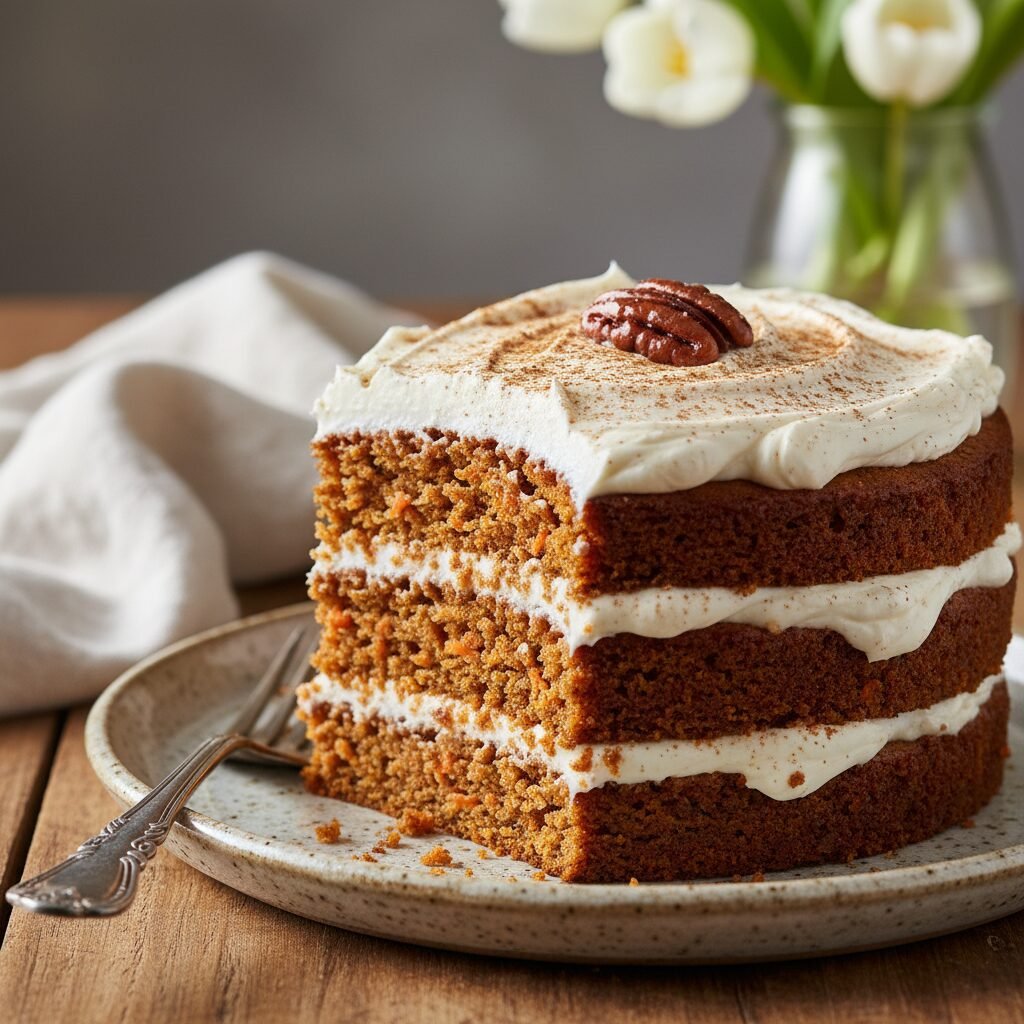
Discover the ultimate Moist Gluten Free Carrot Cake recipe that rivals any bakery classic. Bursting with fresh carrots, warm spices, and topped with a luscious, tangy cream cheese frosting, this cake is completely undetectable as gluten-free and perfect for any celebration.
25 minutes
35 minutes
1 hour 15 minutes
12 servings
Dessert
Baking
American
Gluten-Free
There is often a hesitation when it comes to gluten-free baking, a fear that the result will be crumbly, dry, or possess that tell-tale gritty texture that betrays the absence of wheat flour. However, this Moist Gluten Free Carrot Cake recipe is here to shatter those misconceptions entirely. This is not just a good gluten-free alternative; it is, quite simply, one of the best carrot cakes you will ever taste, regardless of dietary restrictions. The magic lies in the balance of ingredients. We utilize a high ratio of freshly grated carrots and a blend of brown and white sugars to ensure a crumb that is incredibly tender, dense, and moist without being heavy. The spice profile is robust, featuring a warming trio of cinnamon, ginger, and nutmeg that fills the kitchen with the scent of comfort as it bakes. But a carrot cake is only as good as its frosting, and we pair this spiced masterpiece with a classic, velvety cream cheese frosting that offers the perfect tangy counterpoint to the sweet, earthy cake. Whether you are baking for a celiac family member, hosting an Easter brunch, or simply craving a slice of comfort, this recipe delivers on every front. It is a celebration of texture and flavor, proving that gluten-free baking can be decadent, rich, and utterly satisfying. Prepare to impress even the most skeptical wheat-eaters with a dessert that disappears from the plate in record time.
History & Origins
The humble carrot cake has a lineage that traces back far beyond the modern American bakery case, with roots likely planted in the medieval period. Before sugar was widely available or affordable, sweet vegetables like carrots were often used to sweeten puddings and baked goods. Historians believe that the modern carrot cake evolved from these medieval carrot puddings, which were steamed and spiced, much like a plum pudding. The concept of using carrots in desserts saw a significant resurgence during World War II in Great Britain. With sugar strictly rationed, the government encouraged the use of carrots as a natural sweetener in cakes and biscuits, cementing the vegetable’s role in wartime confectionery. However, the carrot cake as we know it today—leavened, frosted, and rich—truly found its footing in the United States during the 1960s and 1970s. It became a darling of the burgeoning ‘health food’ movement, perhaps because the inclusion of a vegetable allowed consumers to feel slightly more virtuous about eating cake, despite the high oil and sugar content. It was during this era that cream cheese frosting became the standard pairing, a culinary marriage that has stood the test of time. Over the last two decades, as awareness of gluten intolerance and celiac disease has grown, the demand for high-quality gluten-free adaptations has skyrocketed. This recipe represents the modern evolution of that history: honoring the traditional flavors and roots of the dish while adapting the chemistry for the contemporary gluten-free kitchen.
Why This Recipe Works
The secret to a gluten-free cake that doesn’t taste ‘gluten-free’ lies in understanding hydration and protein structure. Wheat flour provides structure through gluten; when you remove it, you must replace that structure usually with xanthan gum and a blend of rice and starch flours. However, these flours can be thirsty, leading to dryness. This recipe combats that issue on multiple fronts. First, we use oil instead of butter as the primary fat. While butter contains water and milk solids, oil is 100% fat and remains liquid at room temperature, ensuring the cake stays moist for days rather than drying out as it cools. Second, the use of brown sugar adds acidity and hygroscopic properties, meaning it attracts and holds moisture within the crumb. Third, the carrots themselves release water as they bake, steaming the cake from the inside out. We also incorporate a touch of applesauce, which not only adds moisture but helps bind the batter, compensating for the lack of gluten’s elasticity. The result is a cake structure that is soft and springy, not dense or gummy. Furthermore, the spices are bloomed in the fat during the baking process, intensifying their flavor profile so that every bite is aromatic and rich.
Why You’ll Love This Recipe
- ✓Completely undetectable as gluten-free with zero grit.
- ✓Stays moist for days thanks to the oil and brown sugar base.
- ✓Perfectly balanced spice blend of cinnamon, nutmeg, and ginger.
- ✓Versatile batter that works for layer cakes or cupcakes.
- ✓Freezes beautifully for make-ahead meal prep.
- ✓Topped with a stable, tangy cream cheese frosting that pipes easily.
Equipment You’ll Need
- ✓Two 8-inch or 9-inch round cake pans
- ✓Stand mixer or handheld electric mixer
- ✓Large mixing bowls
- ✓Box grater or food processor (for carrots)
- ✓Whisk
- ✓Rubber spatula
- ✓Wire cooling rack
- ✓Parchment paper
Ingredients
- ✓2 1/2 cups Gluten-Free Measure-for-Measure Flour Blend (ensure it contains xanthan gum)
- ✓2 tsp Baking Soda
- ✓1 tsp Baking Powder
- ✓1 tsp Salt
- ✓2 tsp Ground Cinnamon
- ✓1 tsp Ground Ginger
- ✓1/2 tsp Ground Nutmeg
- ✓1 1/4 cups Neutral Oil (Canola, Vegetable, or Grapeseed)
- ✓1 cup Brown Sugar, packed
- ✓3/4 cup Granulated White Sugar
- ✓4 Large Eggs, room temperature
- ✓1/2 cup Unsweetened Applesauce
- ✓2 tsp Pure Vanilla Extract
- ✓3 cups Freshly Grated Carrots (approx. 5-6 medium carrots)
- ✓1 cup Chopped Pecans or Walnuts (optional)
- ✓16 oz Full-Fat Cream Cheese, softened (for frosting)
- ✓1/2 cup Unsalted Butter, softened (for frosting)
- ✓4 cups Powdered Sugar (for frosting)
- ✓2 tsp Vanilla Extract (for frosting)
- ✓Pinch of salt (for frosting)
Instructions
- Preheat your oven to 350°F (175°C). Grease two 8-inch or 9-inch round cake pans generously and line the bottoms with parchment paper to ensure easy release.
- In a medium bowl, whisk together the gluten-free flour blend, baking soda, baking powder, salt, cinnamon, ginger, and nutmeg until well combined and lump-free.
- In a large mixing bowl or the bowl of a stand mixer, combine the oil, brown sugar, granulated sugar, eggs, applesauce, and vanilla extract. Whisk vigorously by hand or beat on medium speed for 2 minutes until the mixture is smooth and slightly emulsified.
- Pour the dry ingredients into the wet mixture. Stir with a spatula or mix on low speed just until no streaks of flour remain. Do not overmix, though this is less of a concern with gluten-free flour than with wheat flour.
- Gently fold in the grated carrots and chopped nuts (if using) until they are evenly distributed throughout the batter.
- Divide the batter evenly between the prepared cake pans. Tap the pans gently on the counter to release any large air bubbles.
- Bake for 30-35 minutes, or until a toothpick inserted into the center comes out clean or with just a few moist crumbs attached. The cakes should spring back when lightly pressed.
- Remove from the oven and let the cakes cool in the pans for 10 minutes. Then, carefully invert them onto a wire rack to cool completely before frosting. Do not attempt to frost warm cakes.
- While the cakes cool, prepare the frosting. In a stand mixer fitted with the paddle attachment, beat the softened cream cheese and butter together on medium-high speed until smooth and creamy (about 3 minutes).
- Reduce speed to low and gradually add the powdered sugar, one cup at a time. Once incorporated, add the vanilla and a pinch of salt. Increase speed to high and whip for 2-3 minutes until the frosting is fluffy and white.
- To assemble, place one cake layer on your serving platter. Spread a generous layer of frosting over the top. Place the second cake layer upside down (flat side up) on top. Frost the top and sides of the cake with the remaining frosting. Garnish with extra nuts or toasted coconut if desired.
Expert Cooking Tips
- ✓Always use room temperature eggs and dairy ingredients to ensure the batter and frosting emulsify properly.
- ✓Weigh your flour if possible; gluten-free flours can be easily packed down in a measuring cup, leading to a dry cake.
- ✓Grate your own carrots at home using the medium holes of a box grater. Pre-shredded store-bought carrots are too dry and thick.
- ✓If your flour blend does not contain xanthan gum, add 1 teaspoon to the dry ingredients to provide structure.
- ✓Let the cake cool completely—even chill it slightly—before frosting, as cream cheese frosting is softer than buttercream and will melt on warm cake.
- ✓Toast the pecans or walnuts before adding them to the batter for a deeper, nuttier flavor and crunch.
Substitutions and Variations
This recipe is quite adaptable to various dietary needs. For a dairy-free version, you can replace the cream cheese and butter in the frosting with high-quality plant-based alternatives; look for brands that are firm at room temperature. The cake batter itself is naturally dairy-free. If you have a nut allergy, simply omit the pecans or walnuts; you can replace them with raisins or dried cranberries if you enjoy a chewy texture, or simply leave them out for a classic carrot cake. For the flour, any high-quality ‘measure-for-measure’ gluten-free blend (like King Arthur or Bob’s Red Mill 1-to-1) works well. If you prefer to use coconut sugar instead of brown sugar, you can do so, but the texture may be slightly less moist. The applesauce can be substituted with crushed pineapple (drained) for a tropical twist, often found in southern-style carrot cakes.
Common Mistakes to Avoid
The most common mistake with gluten-free baking is measuring the flour incorrectly. If you scoop directly from the bag, you may end up with 20% more flour than intended, resulting in a dense brick. Always use the spoon-and-level method or a kitchen scale. Another mistake is using pre-shredded carrots; these are coated in starch to prevent clumping and are very dry, which robs the cake of essential moisture. Additionally, ensure your baking soda is fresh; gluten-free flours are heavier than wheat flour and rely heavily on the leavening agents to rise. Finally, do not skip the cooling step. Gluten-free baked goods often need time to ‘set’ their structure as they cool; cutting into them while hot can make them appear gummy or fall apart.
Serving Suggestions
This rich cake is best served chilled or at room temperature. It pairs beautifully with a hot cup of black coffee or an Earl Grey tea, which cuts through the sweetness of the frosting. For a dessert spread, serve it alongside fresh berries to add a pop of acidity. If you are serving this for a holiday brunch, it makes a stunning centerpiece on a white cake stand. You can garnish the top with candied carrot curls, chopped pistachios, or even edible flowers for a spring-themed presentation.
Storage and Reheating Tips
Because of the cream cheese frosting, this cake should be stored in the refrigerator. It can be left out for 2-3 hours for serving, but should be chilled thereafter. Store it in an airtight cake carrier or wrap slices individually in plastic wrap to prevent them from absorbing fridge odors. The cake keeps well in the fridge for up to 5 days. For longer storage, you can freeze the unfrosted cake layers for up to 3 months. Wrap them tightly in plastic wrap and then foil. You can also freeze individual slices of the frosted cake; just freeze them on a baking sheet first until solid, then wrap them tightly. Thaw in the refrigerator overnight before serving.
Nutrition Facts (Estimated)
| Serving Size | 1 slice |
| Calories | 580 |
| Fat | 36g |
| Saturated Fat | 12g |
| Unsaturated Fat | 22g |
| Trans Fat | 0g |
| Cholesterol | 85mg |
| Sodium | 340mg |
| Carbohydrates | 62g |
| Fiber | 3g |
| Sugar | 48g |
| Protein | 6g |
Frequently Asked Questions
Can I make this recipe into cupcakes?
Yes, absolutely. This recipe will make approximately 24 cupcakes. Bake them at 350°F for 18-22 minutes. Check them early to ensure they don’t dry out.
Why did my gluten-free cake sink in the middle?
Sinking usually happens if the cake was underbaked or if the oven door was opened too early, causing a temperature drop. It can also happen if there is too much leavening (baking soda/powder).
Do I need to add xanthan gum?
Check your flour blend ingredients. If it already lists xanthan gum, do not add more. If it doesn’t, add 1 teaspoon to the dry ingredients to ensure the cake holds together.
Can I use almond flour instead of a blend?
No, almond flour behaves very differently than a 1-to-1 gluten-free blend. It lacks the starch necessary to absorb the liquid in this specific recipe. You would need a recipe specifically designed for almond flour.
Can I add raisins or pineapple?
Yes! You can fold in 1/2 cup of raisins with the carrots. If adding pineapple, use 1/2 cup of crushed pineapple that has been very thoroughly drained to avoid adding too much liquid.
Is this cake dairy-free?
The cake batter is dairy-free. However, the frosting contains butter and cream cheese. Use plant-based sticks and vegan cream cheese to make the entire recipe dairy-free.
How do I grate the carrots?
Use the medium holes of a box grater. The fine holes make the carrots too wet, and the large holes leave chunks that might be crunchy. Do not peel them, just wash and trim the ends.
Can I reduce the sugar?
You can reduce the white sugar by about 1/4 cup without ruining the structure, but don’t reduce the brown sugar significantly as it provides essential moisture and acidity for the baking soda.
Conclusion
Mastering a gluten-free carrot cake that satisfies everyone at the table is a triumph for any home baker. This recipe bridges the gap between dietary necessity and pure culinary indulgence, offering a moist, flavorful, and beautifully textured dessert that requires no apologies. Whether you are an experienced gluten-free baker or trying it for the first time, this straightforward method ensures success. So grab your grater and your mixing bowl, and get ready to bake a cake that will likely become your new family tradition. We’d love to hear how yours turned out—leave a comment below and let us know if you added walnuts, raisins, or kept it classic!