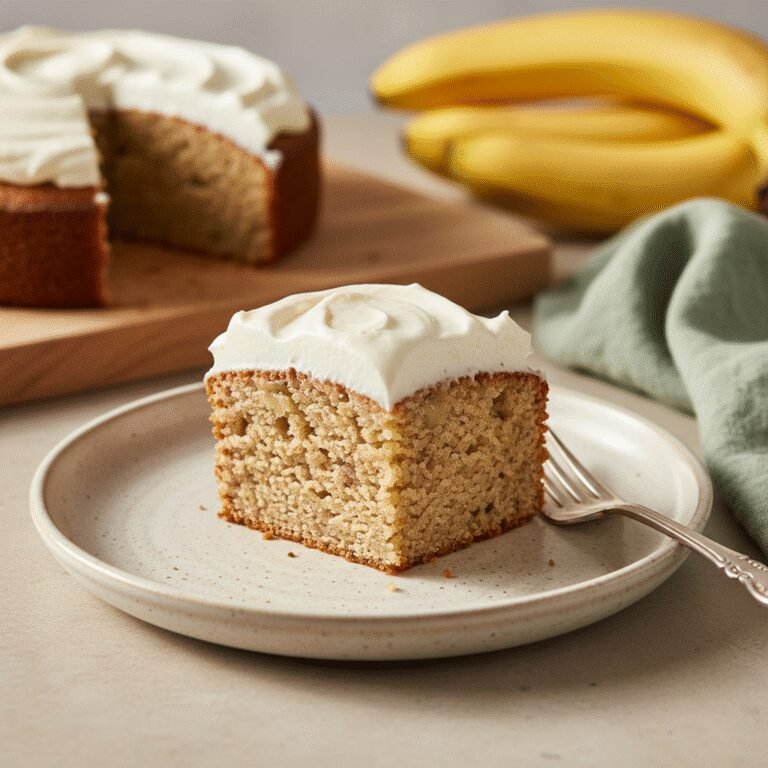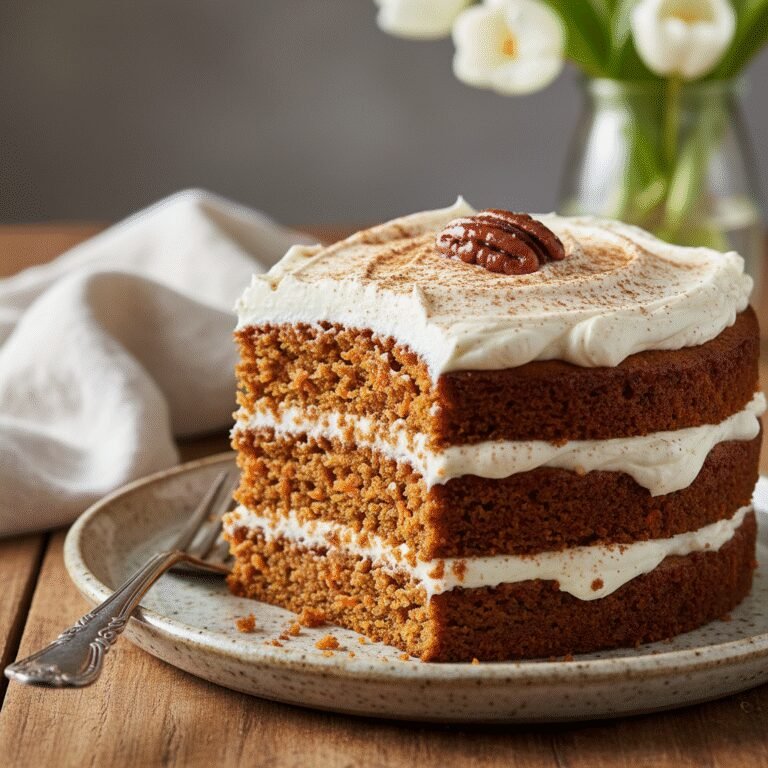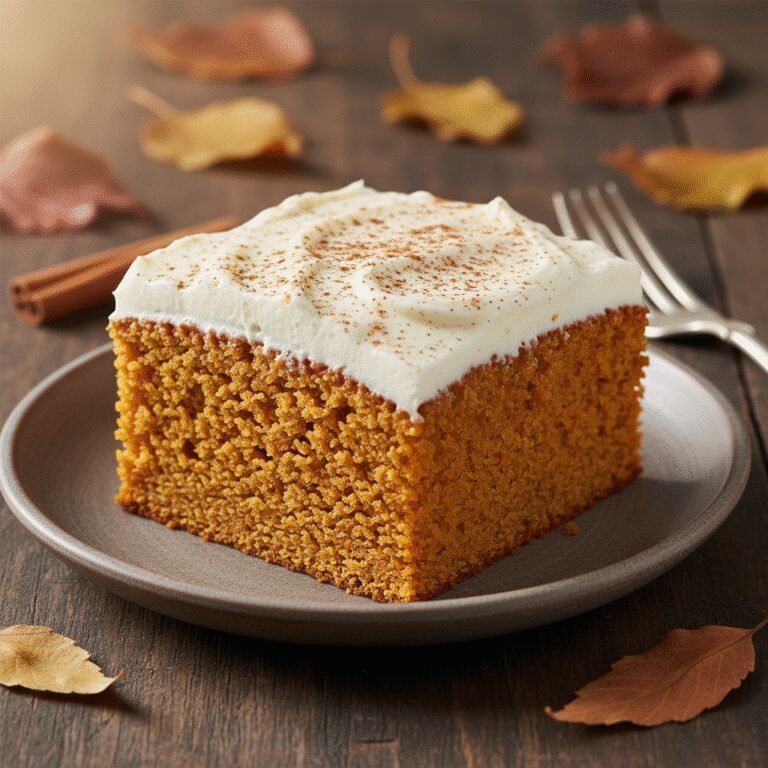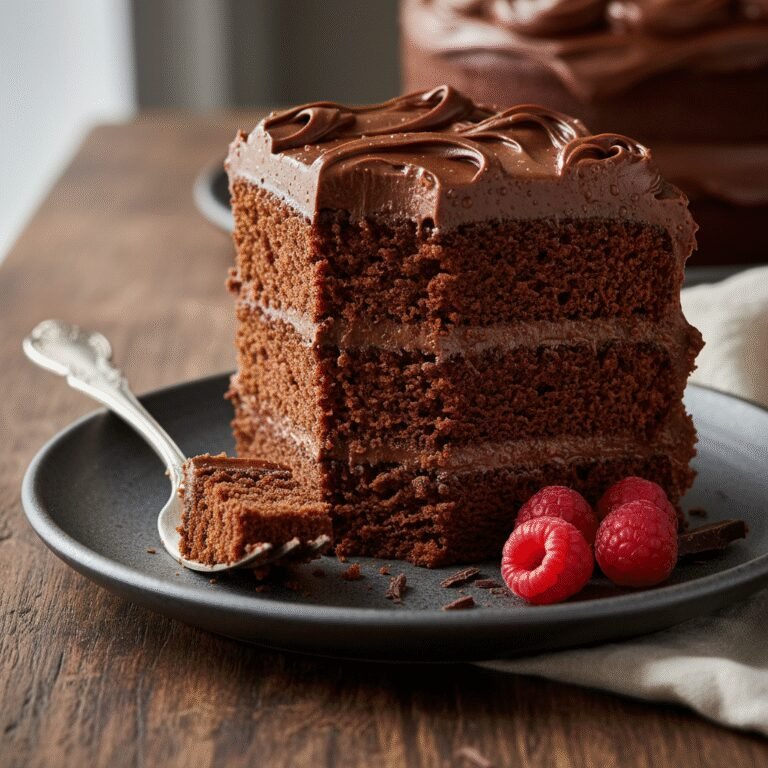
The Ultimate Moist Gluten-Free Lemon Cake With Cream Cheese Frosting
Moist Gluten Free Lemon Cake With Cream Cheese Frosting Recipe
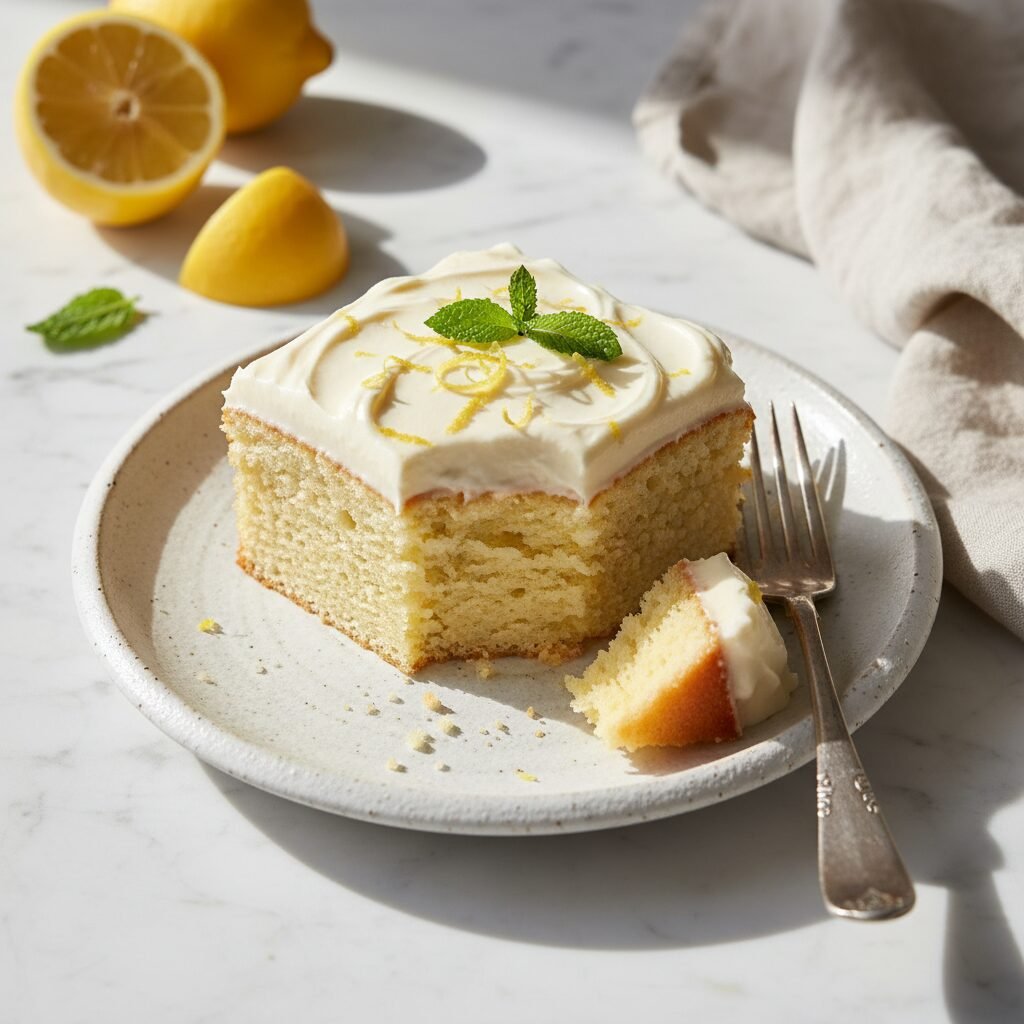
Experience the perfect balance of zesty citrus and sweet creaminess with this foolproof gluten-free lemon cake. It is incredibly moist, tender, and topped with a velvety cream cheese frosting that makes it indistinguishable from traditional wheat-based cakes.
25 minutes
35 minutes
1 hour 10 minutes
12 servings
Dessert
Baking
American
Gluten-Free
For many home bakers, the transition to a gluten-free lifestyle comes with the heartbreaking assumption that cakes will never be the same again. We have all experienced the disappointment of a dessert that looks beautiful in the oven but turns into a dry, gritty, or crumbly mess the moment a fork touches it. This Moist Gluten-Free Lemon Cake with Cream Cheese Frosting is here to shatter those misconceptions once and for all. It is not just ‘good for being gluten-free’; it is simply a spectacular cake, period. The crumb is exceptionally tender, holding together with a delicate structure that rivals any bakery-style pound cake or sponge. The flavor profile is a celebration of sunshine, utilizing both fresh lemon juice and zest to permeate every bite with a bright, citrusy punch that cuts through the richness of the crumb. What truly elevates this dessert, however, is the luscious cream cheese frosting. Unlike a standard buttercream which can sometimes be cloyingly sweet, the tang of the cream cheese mirrors the tartness of the lemon, creating a sophisticated harmony of flavors. This cake is designed to be the centerpiece of spring gatherings, Easter brunches, or simply a comforting treat to brighten a rainy afternoon. We have meticulously tested ratios of flour blends, fats, and acids to ensure that this recipe delivers consistent, moist results every single time. Whether you are a seasoned gluten-free baker or a novice trying to accommodate a dietary restriction, this recipe provides a safe, delicious haven where texture and flavor are never compromised. Prepare to fall in love with baking all over again.
History & Origins
The history of lemon-infused cakes is a journey that spans centuries and continents, deeply rooted in the evolution of baking technology and global trade. Lemons themselves, native to Asia, traveled the Silk Road to the Middle East and eventually the Mediterranean, becoming a prized ingredient in European courts by the Renaissance. The concept of a ‘cake’ as we know it began to take shape in the 17th and 18th centuries with the development of the pound cake in Northern Europe. These early cakes relied on the mechanical aeration of eggs and the sheer volume of butter to provide lift, resulting in a dense, rich confection. As baking powder and baking soda were introduced in the 19th century, cakes became lighter and fluffier, allowing for the incorporation of heavier acidic ingredients like lemon juice without sacrificing volume. The specific marriage of lemon cake and cream cheese frosting is a more modern American innovation. Cream cheese itself was invented in New York in the late 1800s, but cream cheese frosting gained massive popularity in the mid-20th century, primarily associated with carrot cake. Its adoption for lemon cakes was a natural evolution, as the tangy profile of the cheese complemented the citrus notes perfectly. The gluten-free revolution of the early 21st century, driven by increased diagnoses of Celiac disease and gluten sensitivity, forced a reimagining of these classics. Early gluten-free adaptations were often dense and palatable only out of necessity. However, the last decade has seen a renaissance in food science, with the development of sophisticated flour blends using rice, potato, and tapioca starches, alongside xanthan gum, allowing us to recreate the historic textures of the past without the wheat protein that defined them.
Why This Recipe Works
This recipe succeeds where many gluten-free cakes fail due to a scientific approach to hydration and structure. Gluten acts as the structural ‘glue’ in traditional baking; without it, cakes tend to crumble. To counteract this, we utilize a high-quality 1:1 gluten-free flour blend that contains xanthan gum, which mimics the elasticity of gluten. However, the real secret to the ‘moist’ factor lies in the fat and acid sources. We use a combination of oil and butter. Butter provides the classic flavor, but oil is liquid at room temperature, ensuring the cake stays soft and moist for days, whereas an all-butter gluten-free cake can dry out quickly. Furthermore, the inclusion of sour cream or buttermilk is critical. The acidity in these dairy products does two things: it tenderizes the protein strands in the flour to prevent toughness, and it reacts with the baking soda to create a powerful lift, ensuring the cake is airy rather than dense. We also employ the ‘reverse creaming’ method or a modified mixing technique where we are careful not to over-beat the eggs, as gluten-free flours do not need to be worked as hard as wheat flour. The lemon juice is added at the end to preserve its bright flavor profile without curdling the batter prematurely. This precise chemistry results in a crumb that is tight yet soft, effectively banishing the ‘sandy’ texture often associated with rice-flour-based baked goods.
Why You’ll Love This Recipe
- ✓Stays moist for up to 4 days thanks to the oil-butter blend
- ✓Perfect balance of tart lemon and sweet creamy frosting
- ✓No gritty texture; indistinguishable from wheat cake
- ✓Simple preparation with standard kitchen equipment
- ✓Freezes beautifully for make-ahead convenience
Equipment You’ll Need
- ✓9×13 inch baking pan or two 8-inch round pans
- ✓Electric hand mixer or stand mixer
- ✓Large mixing bowl
- ✓Medium mixing bowl
- ✓Rubber spatula
- ✓Whisk
- ✓Measuring cups and spoons
- ✓Microplane or zester
- ✓Wire cooling rack
Ingredients
- ✓2 1/2 cups Gluten-Free All-Purpose Flour Blend (with xanthan gum)
- ✓1 1/2 cups Granulated Sugar
- ✓2 tsp Baking Powder
- ✓1/2 tsp Baking Soda
- ✓1/2 tsp Salt
- ✓3 Large Eggs, room temperature
- ✓1/2 cup Unsalted Butter, softened
- ✓1/2 cup Vegetable Oil (or melted coconut oil)
- ✓1 cup Sour Cream (full fat) or Buttermilk
- ✓1/3 cup Fresh Lemon Juice
- ✓2 tbsp Fresh Lemon Zest
- ✓1 tsp Pure Vanilla Extract
- ✓8 oz Cream Cheese, softened (for frosting)
- ✓1/2 cup Unsalted Butter, softened (for frosting)
- ✓3 cups Powdered Sugar (for frosting)
- ✓1 tbsp Fresh Lemon Juice (for frosting)
- ✓1 tsp Lemon Zest (for garnish)
Instructions
- 1. Preheat your oven to 350°F (175°C). Grease your baking pan generously with butter or cooking spray and line with parchment paper for easy removal.
- 2. In a medium bowl, whisk together the gluten-free flour blend, baking powder, baking soda, and salt until well combined to ensure even distribution of leavening agents.
- 3. In a large mixing bowl (or stand mixer), beat the softened butter, vegetable oil, and granulated sugar together on medium-high speed for about 3-4 minutes until the mixture is light, pale, and fluffy.
- 4. Add the eggs one at a time, beating well after each addition. Scrape down the sides of the bowl to ensure everything is incorporated.
- 5. Mix in the vanilla extract and the 2 tablespoons of lemon zest.
- 6. Reduce the mixer speed to low. Add the flour mixture in three parts, alternating with the sour cream (or buttermilk), beginning and ending with the flour. Mix only until just combined; do not overmix.
- 7. Gently fold in the 1/3 cup of fresh lemon juice with a spatula until the batter is smooth.
- 8. Pour the batter into the prepared baking pan and smooth the top with a spatula.
- 9. Bake for 30-35 minutes, or until a toothpick inserted into the center comes out clean or with just a few moist crumbs. The top should be golden brown.
- 10. Remove from the oven and let the cake cool in the pan for 10 minutes, then transfer to a wire rack to cool completely before frosting.
- 11. To make the frosting: Beat the softened cream cheese and butter together until completely smooth and creamy.
- 12. Gradually add the powdered sugar, one cup at a time, mixing on low speed until incorporated. Add the lemon juice and beat on high for 2-3 minutes until fluffy.
- 13. Spread the frosting generously over the completely cooled cake. Garnish with extra lemon zest if desired.
Expert Cooking Tips
- ✓Ensure all dairy ingredients (eggs, butter, sour cream, cream cheese) are at room temperature before starting. This prevents the batter from curdling and ensures a smooth emulsion.
- ✓Measure your gluten-free flour correctly. Ideally, weigh it (approx 120-130g per cup). If using cups, use the spoon-and-level method to avoid packing the flour, which causes dryness.
- ✓Do not skip the lemon zest; the oils in the skin contain the most potent lemon flavor, far more than the juice alone.
- ✓If your gluten-free flour blend does not contain xanthan gum, add 1/2 teaspoon of xanthan gum to the dry ingredients.
- ✓Let the cake cool completely before frosting. If the cake is even slightly warm, the cream cheese frosting will melt and slide off.
Substitutions and Variations
This recipe is versatile enough to handle several dietary substitutions. For a dairy-free version, replace the butter with a high-quality vegan butter block (not tub margarine), use a dairy-free sour cream or coconut yogurt, and use vegan cream cheese for the frosting. Note that vegan cream cheese can be softer, so you may need slightly more powdered sugar to stiffen the frosting. If you do not have sour cream, full-fat Greek yogurt is an excellent 1:1 substitute that maintains the moisture level. You can use any neutral oil like canola, vegetable, or grapeseed oil; melted coconut oil works too but may impart a slight coconut flavor. For the sugar, you can use cane sugar, but liquid sweeteners like maple syrup will alter the batter consistency too drastically and are not recommended. If you cannot find a specific gluten-free blend, look for one that lists rice flour and potato starch as primary ingredients.
Common Mistakes to Avoid
The most common mistake in gluten-free baking is over-baking. Gluten-free flours do not brown as quickly as wheat flour, so bakers often leave them in too long, drying out the crumb. Trust the toothpick test rather than the color. Another error is using cold ingredients; this shocks the fat and prevents proper aeration, leading to a dense, heavy brick of a cake. Using bottled lemon juice instead of fresh is a flavor crime here; bottled juice lacks the vibrant essential oils and often has a metallic aftertaste that ruins the delicate profile. Finally, attempting to frost the cake while it is still warm is a disaster waiting to happen—patience is key for that perfect presentation.
Serving Suggestions
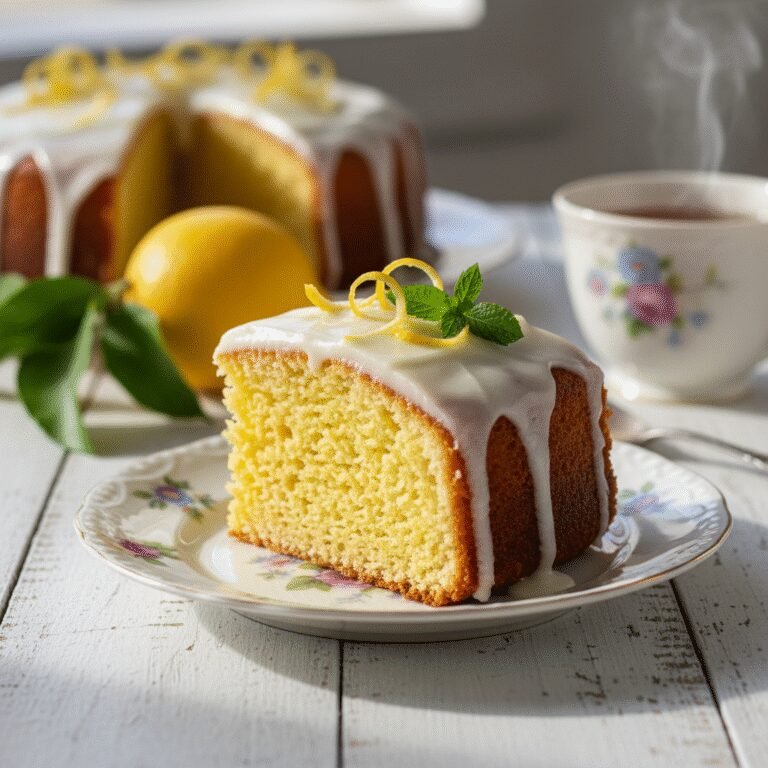
This cake is stunning on its own, but it pairs beautifully with fresh berries. Serve a slice with a side of fresh raspberries or blueberries to cut through the sweetness. A sprig of fresh mint or an edible flower (like a pansy or viola) makes for a bakery-worthy presentation. For beverages, this cake complements Earl Grey tea wonderfully, as the bergamot echoes the citrus notes. It also goes well with a cold glass of almond milk or a light, floral coffee roast. In the summer, serve it chilled for a refreshing, dense treat that mimics a cheesecake texture.
Storage and Reheating Tips
Because of the cream cheese frosting, this cake must be stored in the refrigerator. It can be left out for 2-3 hours during serving, but should be chilled otherwise. Store in an airtight container to prevent the fridge air from drying it out; it will keep for up to 5 days. The cake is actually often better on day two as the flavors meld. For freezing, you can freeze the unfrosted cake layers wrapped tightly in plastic wrap for up to 2 months. If freezing frosted slices, place them on a baking sheet in the freezer until the frosting is hard, then wrap individually in plastic wrap and foil. Thaw in the refrigerator overnight before serving.
Nutrition Facts (Estimated)
| Serving Size | 1 slice |
| Calories | 420 |
| Fat | 22g |
| Saturated Fat | 10g |
| Unsaturated Fat | 11g |
| Trans Fat | 0g |
| Cholesterol | 65mg |
| Sodium | 210mg |
| Carbohydrates | 54g |
| Fiber | 1g |
| Sugar | 28g |
| Protein | 4g |
Frequently Asked Questions
Can I make this cake vegan?
Yes, by using flax eggs (though the texture will be denser) or a commercial egg replacer, and swapping all dairy items for plant-based alternatives like vegan butter and coconut yogurt.
Why did my cake sink in the middle?
Sinking usually happens if the oven door was opened too early, releasing heat, or if the cake was underbaked. It can also occur if there was too much leavening (baking powder/soda).
Can I use almond flour instead of a GF blend?
No, almond flour behaves very differently than a 1:1 GF blend. It lacks the starch structure needed for this specific recipe. You would need a recipe specifically designed for almond flour.
My frosting is too runny, what do I do?
Add more powdered sugar, 1/4 cup at a time, until it stiffens. Also, ensure your butter and cream cheese weren’t melted, just softened. You can chill the frosting for 20 minutes to firm it up.
Can I make this as cupcakes?
Absolutely. This batter will make approximately 20-24 cupcakes. Reduce the baking time to 18-22 minutes.
Is xanthan gum necessary?
Yes, unless your flour blend already contains it. It replaces the elasticity of gluten. Without it, the cake will likely crumble apart.
Can I use orange or lime instead?
Yes! This recipe works beautifully as an orange or lime cake. Just swap the juice and zest quantities 1:1.
How do I measure the flour correctly?
The best way is using a digital kitchen scale. If you don’t have one, fluff the flour with a spoon, sprinkle it into the measuring cup, and level it off with a knife. Never scoop directly from the bag.
Why is my cake gummy?
Gumminess in GF baking often comes from too much starch or xanthan gum, or cutting into the cake while it’s still hot. Let it cool completely to set the structure.
Can I leave the frosting out of the fridge?
Food safety guidelines recommend refrigerating cream cheese frosting after 2 hours at room temperature to prevent bacterial growth.
Conclusion
Baking gluten-free should never feel like a compromise, and this Moist Gluten-Free Lemon Cake with Cream Cheese Frosting is proof that you can have it all—texture, flavor, and visual appeal. It is a recipe that brings joy to the kitchen and smiles to the table, creating a moment of pure indulgence that everyone can enjoy regardless of dietary restrictions. The bright, zesty aroma that fills your kitchen while it bakes is just the prelude to the delightful experience of eating it. We hope this cake becomes a staple in your recipe box, a reliable friend for birthdays, holidays, and those days when you just need a little slice of sunshine.