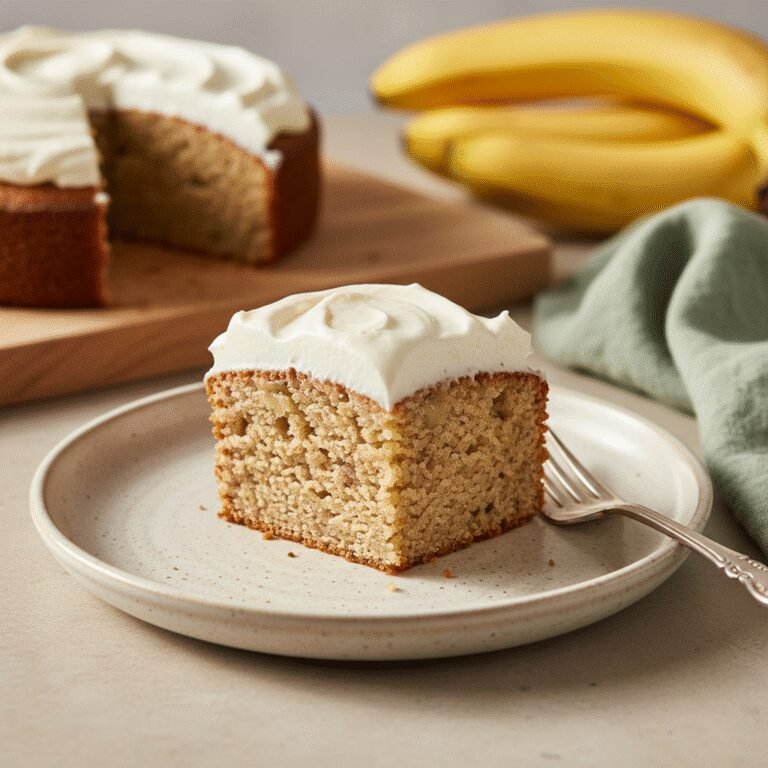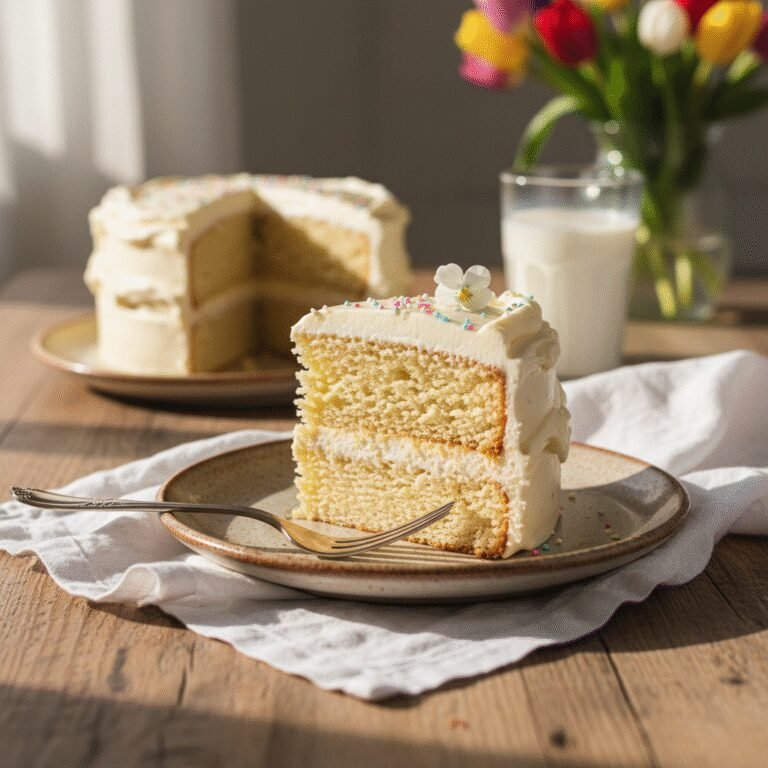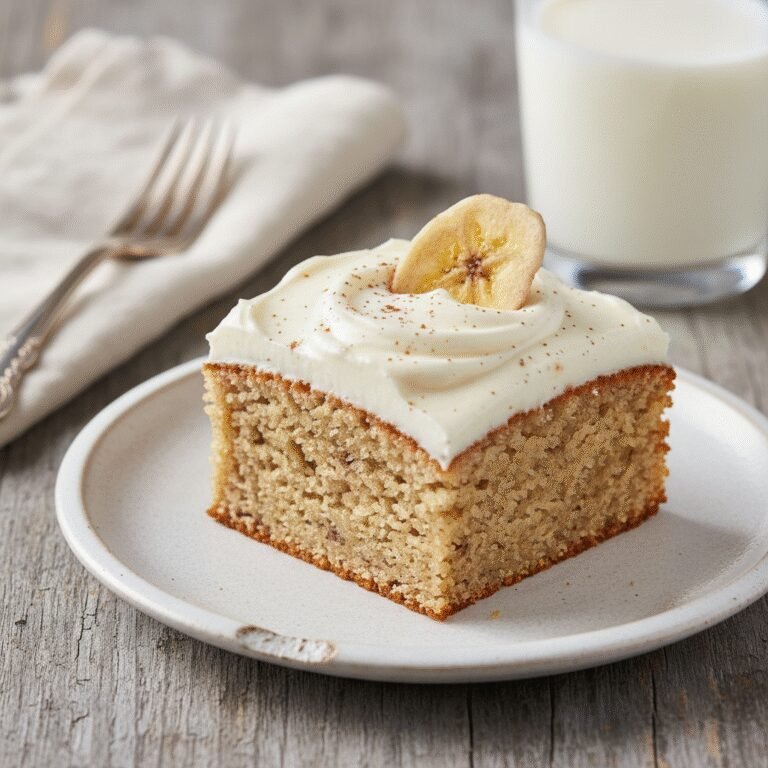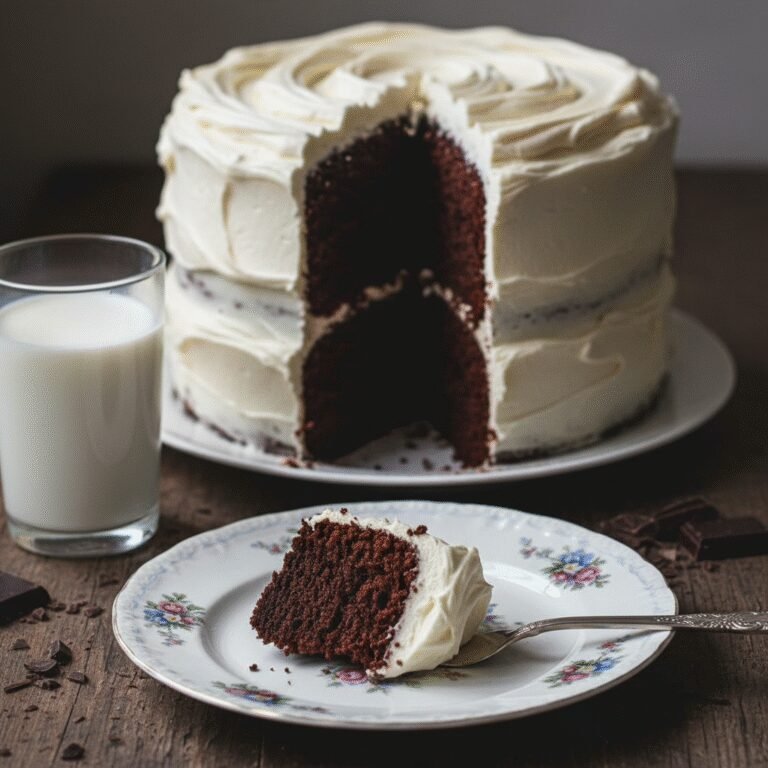
The Ultimate Moist Gluten Free Lemon Cake With Chocolate Frosting
Moist Gluten Free Lemon Cake With Chocolate Frosting Recipe
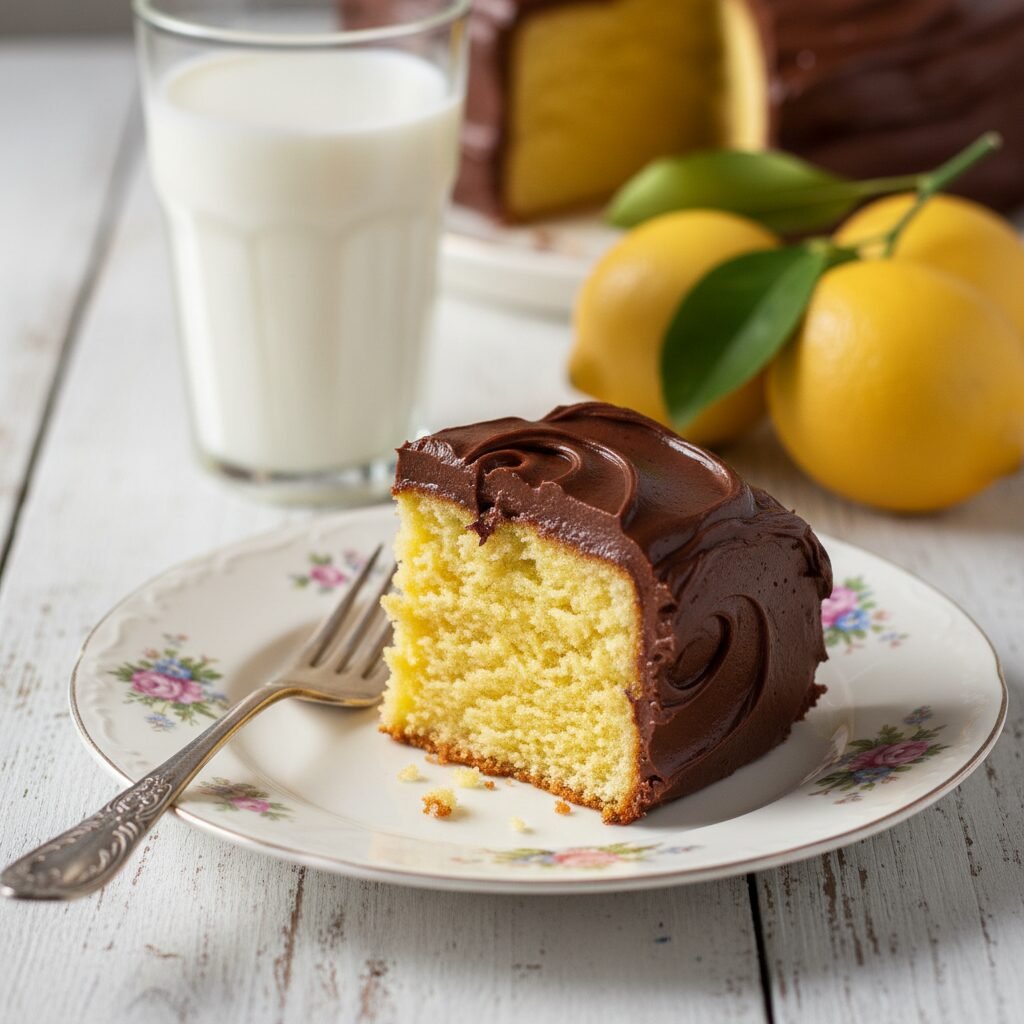
Experience the surprising yet delightful harmony of bright, zesty lemon and rich, velvety chocolate in this show-stopping dessert. This gluten-free lemon cake recipe guarantees a tender, moist crumb that rivals any traditional bakery treat, topped with a decadent chocolate buttercream that makes every bite unforgettable.
25 minutes
35 minutes
1 hour 30 minutes
12 servings
Dessert
Baking
American Fusion
Gluten-Free
When we think of lemon cake, our minds often drift immediately to vanilla glazes, cream cheese frostings, or a dusting of powdered sugar. It is the classic, safe route—pairing bright citrus with neutral sweetness. But today, we are breaking the mold and venturing into a flavor combination that is sophisticated, bold, and utterly addictive: Lemon and Chocolate. If you have never tried this pairing, you might be skeptical, but think of the chocolate-dipped candied citrus peels found in high-end European chocolatiers. The sharp, acidic brightness of fresh lemon cuts through the deep, earthy richness of chocolate, creating a palate-cleansing balance that prevents the dessert from becoming too heavy or too cloying.
However, the true star of this show is the texture. One of the biggest grievances with gluten-free baking is the tendency for cakes to be dry, crumbly, or gritty. Through years of testing and tweaking hydration levels, fat ratios, and flour blends, this recipe achieves the impossible: a gluten-free cake that is incredibly moist, spongy, and tender. We utilize a combination of sour cream and oil, rather than just butter, to ensure the crumb stays soft for days. The lemon flavor is infused not just through juice, but through a generous amount of zest rubbed into the sugar, releasing essential oils that permeate every crumb. Topped with a silky, whipped chocolate buttercream that uses high-quality cocoa powder, this cake is a celebration of contrasts—tart and sweet, light and dark, fluffy and creamy. It is the perfect centerpiece for birthdays, afternoon tea, or any moment you need a slice of sunshine wrapped in chocolate.
History & Origins
The history of the lemon cake traces back centuries, evolving from heavy, yeast-leavened breads to the chemically leavened, fluffy cakes we know today. Early versions of fruit cakes in medieval Europe often incorporated dried fruits and citrus peels, which were luxury items imported from the Mediterranean. By the 18th century, the ‘pound cake’ emerged in Britain and America—named for its simple ratio of a pound each of flour, sugar, butter, and eggs. Lemon was a popular flavoring for these dense cakes, often added via rosewater or brandy infusions and zest. As baking powder and baking soda became commercially available in the mid-19th century, cakes became lighter and airier, allowing for the delicate lemon layer cakes that became a staple of American home baking.
The gluten-free aspect of this recipe represents a much more modern culinary evolution. For decades, those with Celiac disease or gluten sensitivity were relegated to dense, flavorless alternatives. It wasn’t until the late 20th and early 21st centuries, with the rise of molecular gastronomy and a deeper understanding of food chemistry, that gluten-free baking truly began to shine. The development of sophisticated flour blends—utilizing rice flour, tapioca starch, and potato starch stabilized with xanthan gum—revolutionized the industry.
Pairing citrus with chocolate has roots in Mediterranean and Italian confectionery, where ‘cioccolato all’arancia’ (chocolate orange) or lemon-infused chocolate truffles are common. Bringing this flavor profile into a standard American layer cake is a relatively contemporary twist, gaining traction among food bloggers and pastry chefs looking to elevate the standard lemon cake into something more complex and gourmet. This recipe honors that history while utilizing modern techniques to ensure everyone, regardless of dietary restrictions, can enjoy a slice of history.
Why This Recipe Works
This recipe succeeds where many gluten-free cakes fail because it prioritizes moisture retention and structural integrity through specific chemical interactions. First, let’s talk about the fat source. While butter provides flavor, it contains water which evaporates during baking. Oil, being 100% fat, coats the flour proteins (even gluten-free ones) more effectively, preventing the cake from drying out. We use a blend of butter for flavor and oil for texture.
Secondly, the inclusion of sour cream (or full-fat Greek yogurt) is crucial. The acidity in the sour cream reacts with the baking soda to create carbon dioxide gas, which gives the cake lift and a fluffy open crumb. Furthermore, the protein and fat in the dairy add richness and structure, preventing the dreaded ‘gummy’ texture often found in gluten-free goods.
Regarding the flavor, we use the ‘reverse creaming’ method of rubbing lemon zest into the granulated sugar before mixing. Sugar crystals are abrasive; rubbing them against the zest ruptures the oil cells in the lemon skin, releasing potent citrus oils that would otherwise be lost. This ensures the lemon flavor is vibrant and baked deep into the cake, rather than just sitting on top. Finally, the chocolate frosting provides a necessary counterpoint. A lemon frosting on a lemon cake can sometimes be one-note and overly acidic. The chocolate provides a base note of bitterness and earthiness that grounds the bright top notes of the lemon, creating a complete and rounded flavor profile.
Why You’ll Love This Recipe
- ✓Incredibly moist texture that stays soft for days
- ✓Unique and sophisticated flavor pairing of zest and cocoa
- ✓Completely gluten-free without sacrificing taste or texture
- ✓Easy-to-make chocolate buttercream frosting
- ✓Perfect balance of tart lemon and sweet chocolate
- ✓Ideal for birthdays, holidays, or special occasions
Equipment You’ll Need
- ✓Two 8-inch or 9-inch round cake pans
- ✓Stand mixer or handheld electric mixer
- ✓Large mixing bowls
- ✓Microplane or fine zester
- ✓Citrus juicer
- ✓Wire cooling rack
- ✓Off-set spatula for frosting
- ✓Kitchen scale (recommended)
Ingredients
- ✓2 1/2 cups Gluten-Free All-Purpose Flour Blend (ensure it contains xanthan gum)
- ✓1 1/2 cups Granulated Sugar
- ✓1 tbsp Baking Powder
- ✓1/2 tsp Baking Soda
- ✓1/2 tsp Sea Salt
- ✓1/2 cup Unsalted Butter, softened to room temperature
- ✓1/4 cup Vegetable Oil (or melted coconut oil)
- ✓3 Large Eggs, room temperature
- ✓1 tbsp Pure Vanilla Extract
- ✓2/3 cup Full-fat Sour Cream or Greek Yogurt
- ✓1/2 cup Whole Milk
- ✓1/2 cup Fresh Lemon Juice (approx. 2-3 lemons)
- ✓2 tbsp Fresh Lemon Zest
- ✓— For the Chocolate Frosting —
- ✓1 cup Unsalted Butter, softened
- ✓3 1/2 cups Powdered Sugar, sifted
- ✓3/4 cup Unsweetened Cocoa Powder (Dutch-processed preferred)
- ✓3-4 tbsp Heavy Cream
- ✓1 tsp Vanilla Extract
- ✓Pinch of salt
Instructions
- Preheat your oven to 350°F (175°C). Grease two 8-inch or 9-inch round cake pans with butter or cooking spray and line the bottoms with parchment paper to ensure easy release.
- In a small bowl, combine the granulated sugar and fresh lemon zest. Use your fingers to rub the zest into the sugar until the mixture resembles wet sand and is very fragrant. This releases the essential oils.
- In a medium bowl, whisk together the gluten-free flour blend, baking powder, baking soda, and salt. Set aside.
- In the bowl of a stand mixer fitted with the paddle attachment (or a large bowl with a hand mixer), beat the softened butter, oil, and the lemon-sugar mixture on medium-high speed for about 3-4 minutes until light and fluffy.
- Add the eggs one at a time, beating well after each addition. Scrape down the sides of the bowl as needed. Mix in the vanilla extract.
- In a separate measuring cup, whisk together the sour cream, milk, and fresh lemon juice. (Note: The mixture may look curdled due to the acid; this is normal).
- Reduce the mixer speed to low. Add the flour mixture in three parts, alternating with the wet milk/lemon mixture, beginning and ending with the flour. Mix only until just combined to avoid overworking the batter.
- Divide the batter evenly between the prepared cake pans. Smooth the tops with a spatula.
- Bake for 30-35 minutes, or until a toothpick inserted into the center comes out clean or with just a few moist crumbs. The cakes should spring back lightly when touched.
- Remove from the oven and let the cakes cool in the pans for 10 minutes. Then, carefully invert them onto a wire rack to cool completely before frosting. Do not frost warm cakes!
- While cakes cool, make the frosting: In a large bowl, beat the 1 cup of softened butter until creamy (about 2 minutes).
- Gradually add the powdered sugar and cocoa powder, mixing on low speed initially to avoid a dust cloud. Once incorporated, increase speed to medium-high.
- Add the vanilla, salt, and 3 tablespoons of heavy cream. Whip for 3-4 minutes until fluffy and spreadable. Add more cream 1 teaspoon at a time if the frosting is too stiff.
- Once the cakes are completely cool, place one layer on a serving plate. Spread a generous layer of chocolate frosting over the top. Place the second cake layer on top.
- Frost the top and sides of the cake with the remaining frosting. Garnish with extra lemon zest or candied lemon slices if desired.
Expert Cooking Tips
- ✓Always measure gluten-free flour by weight (grams) if possible, or use the spoon-and-level method to avoid packing it into the cup.
- ✓Ensure all cold ingredients (eggs, milk, sour cream) are at room temperature before mixing. This creates a smoother emulsion and a better rise.
- ✓Do not skip the parchment paper. Gluten-free cakes can be more fragile than wheat cakes, and sticking is a common issue.
- ✓Use Dutch-processed cocoa for the frosting; it has a smoother, less acidic flavor that pairs beautifully with the tart cake.
- ✓Let the cake cool completely. Gluten-free baked goods often need time to ‘set’ their structure as they cool; cutting or frosting too early can lead to crumbling.
Substitutions and Variations
Baking is chemistry, and gluten-free baking is even more precise, but there are some safe swaps you can make. If you need to be dairy-free, substitute the butter in the cake with a high-quality vegan butter block or stick margarine (not tub spreads). Replace the sour cream with a dairy-free coconut yogurt or almond milk yogurt, and use almond or oat milk for the liquid. For the frosting, vegan butter and coconut cream work excellently. If you don’t have sour cream, full-fat plain Greek yogurt is a perfect 1:1 substitute. In a pinch, you can make a ‘buttermilk’ by adding a tablespoon of vinegar to regular milk, though the texture might be slightly less rich. Regarding the flour, this recipe is designed for a ‘measure-for-measure’ or ‘1-to-1’ gluten-free blend that already includes xanthan gum (like King Arthur or Bob’s Red Mill). If your blend does not have xanthan gum, add 1 teaspoon to the dry ingredients to ensure the cake holds together.
Common Mistakes to Avoid
The most common mistake is over-baking. Gluten-free flours absorb moisture differently than wheat flour, and once the moisture is gone, the cake becomes sandy and dry very quickly. Check the cake 5 minutes before the timer goes off. Another error is under-creaming the butter and sugar. You really want to incorporate air at this stage because gluten-free flour doesn’t provide the same elastic structure to trap gas bubbles; the mechanical aeration helps significantly. Also, avoid opening the oven door repeatedly during the first 20 minutes of baking. The rush of cold air can cause the leavening agents to collapse, leading to a dense, sunken center. Finally, do not try to substitute liquid sweeteners (like honey or maple syrup) for the granulated sugar without altering the other liquids, as this will throw off the hydration balance completely.
Serving Suggestions
This Moist Gluten Free Lemon Cake with Chocolate Frosting is a statement piece on its own, but you can elevate the presentation and flavor experience with a few additions. Serve slices on dessert plates garnished with fresh raspberries or strawberries; the red berries look stunning against the dark chocolate frosting and their tartness complements the lemon. A dollop of lightly sweetened whipped cream or a scoop of vanilla bean ice cream on the side adds a creamy temperature contrast. For a beverage pairing, an Earl Grey tea is exceptional—the bergamot oil in the tea echoes the lemon notes in the cake. Alternatively, a dark roast coffee or an espresso cuts through the sweetness of the frosting perfectly. If serving for a celebration, consider garnishing the top of the cake with candied lemon peels or edible gold leaf for a sophisticated finish.
Storage and Reheating Tips
Because this cake is moisture-rich, it keeps surprisingly well. Store the frosted cake in an airtight cake carrier at room temperature for up to 2 days. If your kitchen is particularly hot or humid, or if you need to keep it longer, store it in the refrigerator for up to 5 days. However, always bring the cake back to room temperature before serving; cold butter frosting is hard and waxy, and the cake crumb will feel tighter when cold. For freezing, you can freeze the unfrosted cake layers wrapped tightly in plastic wrap for up to 2 months. You can also freeze individual slices of the finished cake: place slices on a baking sheet to freeze the frosting solid, then wrap them individually in plastic wrap and foil. Thaw on the counter for a few hours when the craving strikes.
Nutrition Facts (Estimated)
| Serving Size | 1 slice |
| Calories | 485 |
| Fat | 24g |
| Saturated Fat | 12g |
| Unsaturated Fat | 10g |
| Trans Fat | 0g |
| Cholesterol | 75mg |
| Sodium | 210mg |
| Carbohydrates | 62g |
| Fiber | 3g |
| Sugar | 38g |
| Protein | 5g |
Frequently Asked Questions
Can I use almond flour instead of a GF blend?
No, not as a direct 1:1 substitute for this specific recipe. Almond flour lacks the starches and binders present in a GF blend. It would require a different recipe structure to avoid falling apart.
Why did my cake sink in the middle?
This usually happens if the oven door was opened too early, the leavening agents (baking powder/soda) were expired, or the batter was over-mixed, incorporating too much air that collapsed during baking.
Can I make this into cupcakes?
Absolutely! This recipe yields about 24 cupcakes. Bake them at 350°F for 18-22 minutes. Watch them closely so they don’t dry out.
Is the lemon flavor strong?
Yes, rubbing the zest into the sugar and using a full half-cup of lemon juice ensures a distinct, bright lemon flavor that stands up to the chocolate frosting.
Can I use store-bought lemon juice?
It is not recommended. Bottled lemon juice often has preservatives that alter the flavor, making it taste metallic or overly acidic. Fresh lemons provide the best floral citrus notes.
What brand of gluten-free flour do you recommend?
We recommend King Arthur Measure for Measure or Bob’s Red Mill 1-to-1 Baking Flour. These blends are consistent and yield the best texture for cakes.
Do I have to use chocolate frosting?
While the chocolate/lemon combo is the highlight here, you can certainly use a vanilla buttercream, cream cheese frosting, or a simple lemon glaze if you prefer.
Is this cake dairy-free?
Not as written, but it can be easily adapted. See the ‘Substitutions’ section for details on swapping butter, milk, and sour cream for plant-based alternatives.
Can I bake this in a 9×13 pan?
Yes, you can bake this as a sheet cake. The baking time may need to be adjusted slightly, likely around 35-40 minutes. Check with a toothpick.
How do I keep the cake from sticking to the pan?
Grease the pan thoroughly and, most importantly, line the bottom with parchment paper. This guarantees the cake will release without breaking.
Conclusion
There you have it—a recipe that defies the dry, crumbly stereotypes of gluten-free baking and introduces your palate to the sophisticated dance of lemon and chocolate. This Moist Gluten Free Lemon Cake with Chocolate Frosting is more than just a dietary alternative; it is a dessert that stands tall against any conventional wheat cake. Whether you are baking for a Celiac friend, a family gathering, or just a Tuesday night treat, this cake promises to deliver joy in every forkful. The zesty, sunny interior combined with the luscious, dark exterior creates a dessert experience that is truly memorable. So, preheat your oven, zest those lemons, and get ready to bake your new favorite cake.