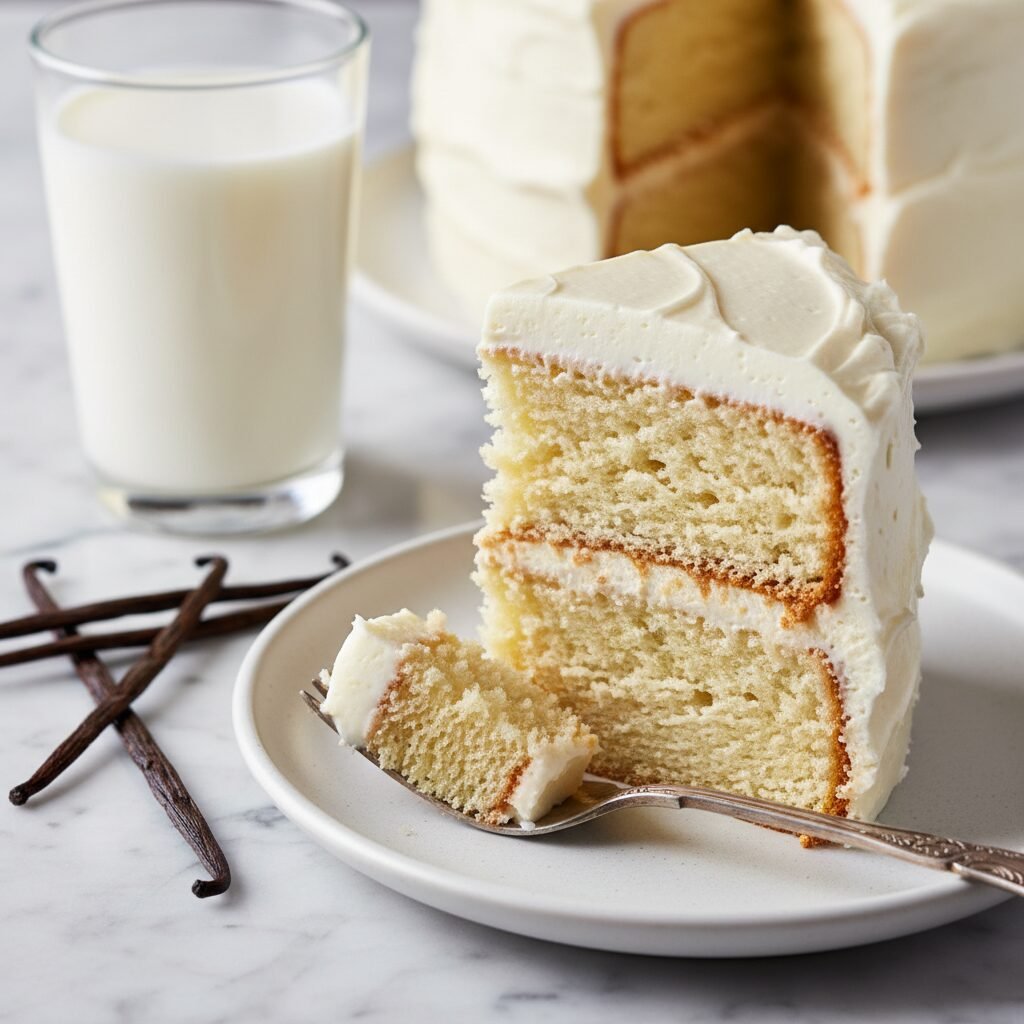
The Ultimate Moist Gluten-Free Vanilla Cake with Dairy-Free Buttercream
Moist Gluten Free Vanilla Cake Dairy Free Frosting Recipe
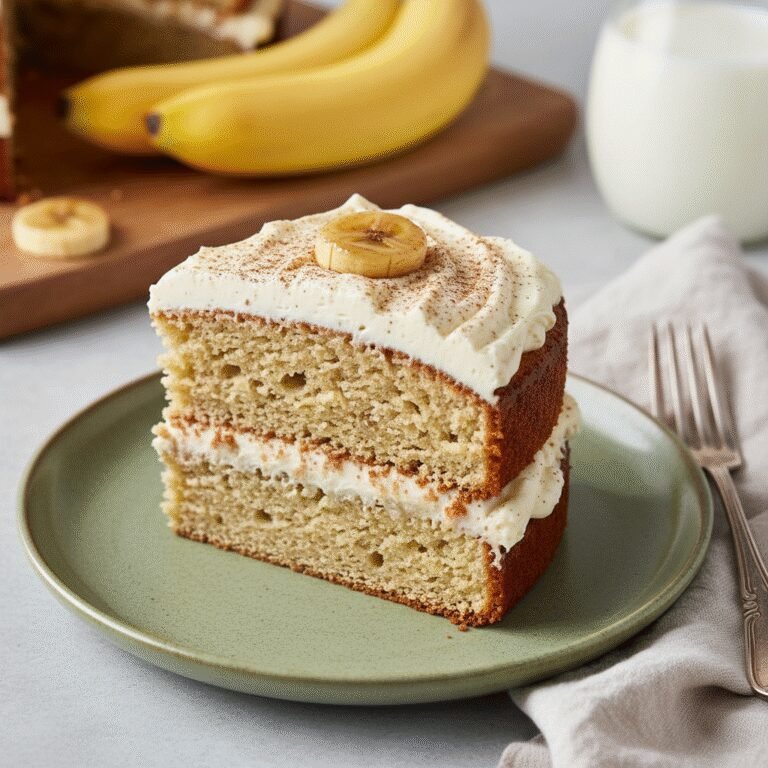
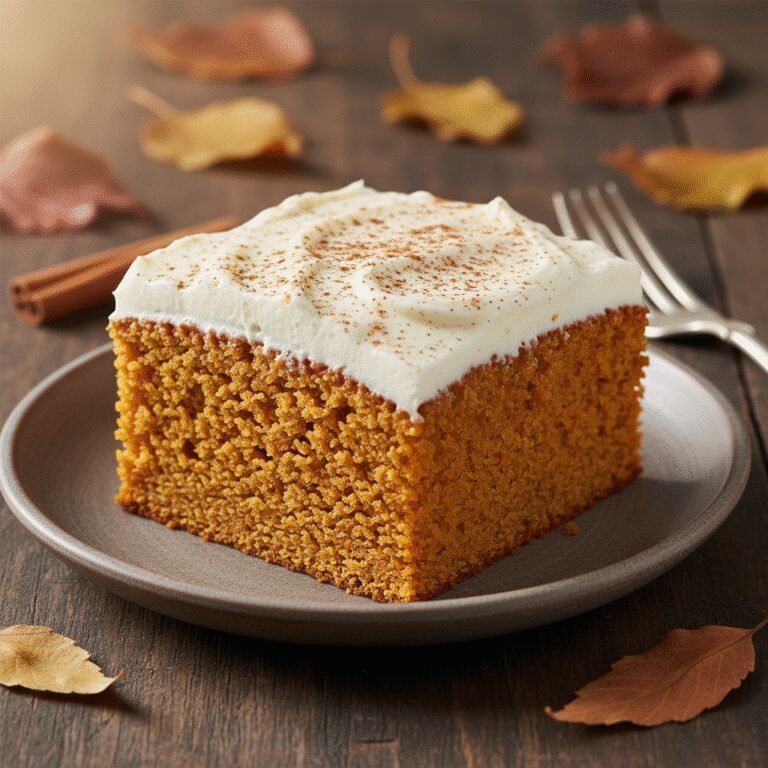
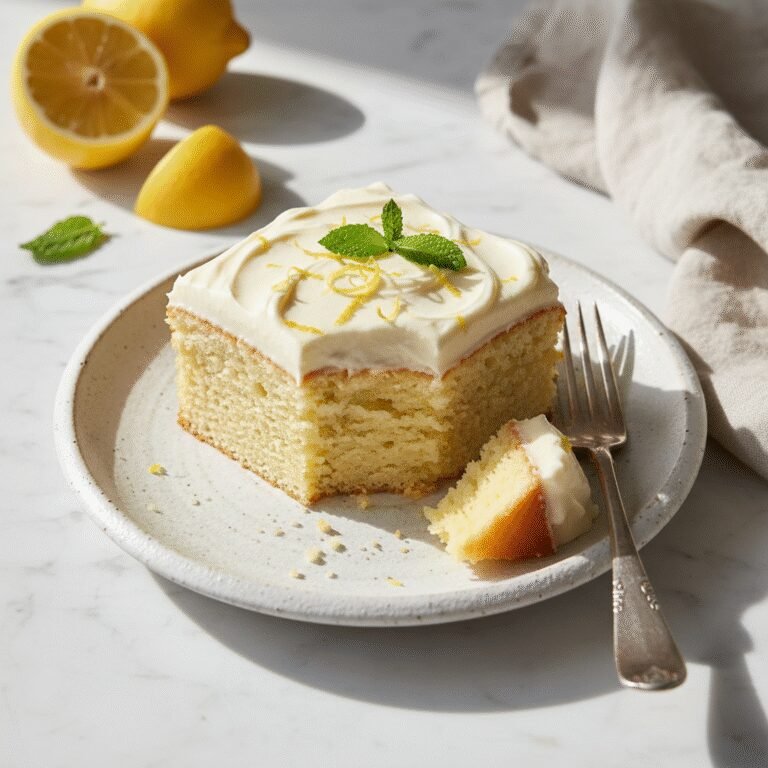
Finally, a gluten-free vanilla cake that is incredibly moist, tender, and completely indistinguishable from traditional wheat cake. Paired with a silky smooth dairy-free buttercream, this recipe is the perfect allergy-friendly showstopper for birthdays and celebrations.
30 minutes
35 minutes
1 hour 15 minutes
12-14 servings (2 8-inch round cakes)
Dessert
Baking
American
Gluten-Free
For anyone who has navigated the world of gluten-free baking, the quest for the perfect vanilla cake is often fraught with disappointment. We have all been there: you spend hours measuring expensive flours and carefully mixing batter, only to pull a dense, dry, or crumbly brick out of the oven. The struggle to replicate that quintessential soft, plush crumb of a classic bakery-style yellow cake without wheat flour is real. But today, that search ends. This Moist Gluten-Free Vanilla Cake with Dairy-Free Frosting is a revelation. It defies the stereotype that gluten-free baked goods must be dry or gritty. Instead, it offers a texture so luxurious and a flavor so rich that your guests—dietary restrictions or not—will be asking for seconds.
This recipe was born out of a necessity to create a birthday cake that didn’t feel like a compromise. We wanted a cake that could stand up to stacking and frosting but remained tender enough to melt in your mouth. The secret lies in a specific balance of fat and moisture, utilizing oil for lasting tenderness and a homemade dairy-free buttermilk substitute to tenderize the crumb. The vanilla flavor is pure and nostalgic, providing the perfect canvas for the creamy, dreamy frosting. Whether you are baking for a Celiac loved one, someone with a dairy intolerance, or just looking for a lighter dessert option, this cake delivers on every front. It is a celebration of texture and taste, proving that omitting gluten and dairy doesn’t mean omitting joy.
History & Origins
The history of the vanilla cake is deeply rooted in the evolution of baking technology and ingredient availability. While cakes have existed since ancient times, often as sweetened bread-like modifications, the light and airy cakes we recognize today began to take shape in the mid-19th century. The discovery of chemical leavening agents, like baking powder, allowed home bakers to achieve lift without relying solely on whipped eggs or yeast. Vanilla, an exotic orchid pod from Mexico, became more accessible during this era, quickly cementing itself as the standard flavor for ‘white cake’ or ‘yellow cake’ in American households.
The gluten-free chapter of this history is much more recent. For decades, gluten-free baking was a niche necessity for those with Celiac disease, often resulting in heavy, unappealing textures due to the lack of gluten’s structural elasticity. Early recipes relied heavily on rice flour alone, which yielded gritty results. It wasn’t until the late 20th and early 21st centuries, with the introduction of hydrocolloids like xanthan gum and the development of sophisticated flour blends (incorporating starches like tapioca and potato), that gluten-free baking began to rival its wheat counterparts. Simultaneously, the demand for dairy-free options surged, driven by lactose intolerance awareness and the rise of veganism. This recipe represents the modern culmination of that history: a synthesis of classic cake-making techniques adapted with contemporary ingredients to create a dessert that honors tradition while embracing dietary inclusivity.
Why This Recipe Works
This recipe succeeds where many others fail because it addresses the two biggest challenges in gluten-free baking: moisture retention and structure. Gluten provides elasticity and structure; without it, cakes can be crumbly. To counteract this, we use a high-quality 1-to-1 gluten-free flour blend that already contains xanthan gum, which acts as the binder. However, the real magic is in the liquid ingredients. We use oil instead of butter for the cake batter. While butter adds flavor, it contains water which evaporates, and milk solids which can dry out. Oil is 100% fat and remains liquid at room temperature, coating the flour particles to prevent them from absorbing too much liquid, ensuring the cake stays moist for days.
Furthermore, we create a ‘dairy-free buttermilk’ by combining almond milk with apple cider vinegar. The acid in the vinegar reacts with the baking soda and baking powder, creating carbon dioxide bubbles that give the cake a superior lift and a lighter, airier crumb. This acidity also helps to tenderize the proteins in the eggs and flour. For the frosting, using a high-fat vegan butter stick (rather than a tub margarine) ensures the buttercream is stable and pipes beautifully, mimicking the mouthfeel of traditional buttercream without the dairy.
Why You’ll Love This Recipe
- ✓Incredibly moist texture that stays soft for days
- ✓Stable crumb structure perfect for layer cakes
- ✓Silky smooth dairy-free buttercream frosting
- ✓Simple one-bowl mixing method
- ✓No gritty rice flour texture
- ✓Allergy-friendly without sacrificing flavor
Equipment You’ll Need
- ✓Two 8-inch round cake pans
- ✓Large mixing bowl
- ✓Electric hand mixer or stand mixer
- ✓Whisk
- ✓Rubber spatula
- ✓Wire cooling rack
- ✓Parchment paper
- ✓Offset spatula for frosting
Ingredients
- ✓2 1/2 cups Gluten-Free All-Purpose Flour Blend (with xanthan gum)
- ✓1 1/2 cups Granulated Sugar
- ✓2 tsp Baking Powder
- ✓1 tsp Baking Soda
- ✓1/2 tsp Sea Salt
- ✓1 cup Unsweetened Almond Milk (room temperature)
- ✓1 tbsp Apple Cider Vinegar
- ✓1/2 cup Vegetable Oil or Canola Oil
- ✓3 Large Eggs (room temperature)
- ✓1 tbsp Pure Vanilla Extract
- ✓1 cup Vegan Butter Sticks (slightly softened)
- ✓3-4 cups Powdered Sugar (sifted)
- ✓2-3 tbsp Unsweetened Almond Milk (for frosting)
- ✓1 tsp Pure Vanilla Extract (for frosting)
Instructions
- Preheat your oven to 350°F (175°C). Grease two 8-inch round cake pans with oil and line the bottoms with parchment paper rounds to ensure easy release.
- In a liquid measuring cup, combine the 1 cup almond milk and 1 tablespoon apple cider vinegar. Stir and let sit for 5-10 minutes to curdle and create a vegan buttermilk.
- In a large mixing bowl (or the bowl of a stand mixer), whisk together the gluten-free flour, granulated sugar, baking powder, baking soda, and salt until well combined.
- Add the prepared milk/vinegar mixture, vegetable oil, eggs, and 1 tablespoon vanilla extract to the dry ingredients.
- Beat on medium speed with an electric mixer for about 2 minutes. The batter should be smooth and slightly thick. Scrape down the sides of the bowl halfway through to ensure all flour is incorporated.
- Divide the batter evenly between the two prepared cake pans. Tap the pans gently on the counter to release any large air bubbles.
- Bake in the center of the oven for 30-35 minutes, or until a toothpick inserted into the center comes out clean or with just a few moist crumbs. Do not overbake.
- Remove the cakes from the oven and let them cool in the pans for 10 minutes. Then, carefully invert them onto a wire rack to cool completely before frosting.
- While the cakes cool, prepare the frosting. In a large bowl, beat the softened vegan butter until creamy and pale (about 3 minutes).
- Gradually add the powdered sugar, one cup at a time, mixing on low speed until incorporated. Add the vanilla extract.
- Add the almond milk one tablespoon at a time, beating on high speed, until you reach your desired fluffy consistency.
- Once the cakes are completely cool, frost the top of one layer, stack the second layer on top, and cover the top and sides with the remaining frosting.
Expert Cooking Tips
- ✓Ensure all ingredients, especially eggs and milk, are at room temperature to prevent the batter from separating.
- ✓Do not scoop the flour directly with the measuring cup; spoon it into the cup and level it off to avoid packing too much flour.
- ✓Let the cakes cool completely before frosting; even a slightly warm cake will melt the vegan buttercream.
- ✓If your gluten-free flour blend does not contain xanthan gum, add 1/2 teaspoon to the dry ingredients.
- ✓Use vegan butter sticks rather than tub margarine for the frosting to ensure it is stable enough to pipe.
Substitutions and Variations
This recipe is quite versatile, allowing for several dietary adjustments. If you have a nut allergy, you can substitute the almond milk with soy milk, oat milk, or coconut milk (carton, not canned) for both the cake and the frosting. For the oil, melted coconut oil or avocado oil works well if you prefer not to use vegetable or canola oil, though this may slightly alter the flavor profile. If you need the cake to be egg-free (vegan), you can use 3 ‘flax eggs’ (3 tbsp ground flaxseed meal mixed with 9 tbsp warm water, let sit for 5 minutes), although the cake will be slightly denser and less fluffy than the version with chicken eggs. For the sweetener, cane sugar is standard, but you can use coconut sugar for a lower glycemic index, keeping in mind it will turn the cake a darker brown color.
Common Mistakes to Avoid
The most common mistake with gluten-free baking is over-measuring the flour. Because gluten-free flours are often starch-heavy, packing them into the cup results in a dense, dry cake. Always weigh your flour if possible (approx. 140g per cup) or use the spoon-and-level method. Another mistake is opening the oven door too early. Gluten-free structures are more delicate while setting; a rush of cold air can cause the cake to sink in the middle. Wait until at least 25 minutes have passed before checking. Finally, do not skip the cooling time in the pan. Gluten-free cakes are very fragile when hot and need those 10 minutes to firm up before being moved to a wire rack.
Serving Suggestions
This vanilla cake is a beautiful blank canvas. Serve it simply with the vanilla buttercream and fresh berries for a classic look. For a birthday celebration, top with vibrant gluten-free sprinkles. It pairs wonderfully with a fruit compote, such as raspberry or strawberry reduction, drizzled between the layers. For a more decadent dessert, serve a slice alongside a scoop of dairy-free coconut milk ice cream or a dollop of coconut whipped cream. A hot cup of coffee or Earl Grey tea cuts through the sweetness perfectly.
Storage and Reheating Tips
Store the frosted cake in an airtight cake carrier at room temperature for up to 2 days. Because the cake is oil-based, it stays moist longer than butter-based cakes. If you live in a very hot or humid climate, you may need to refrigerate it to keep the frosting from melting. If refrigerated, let the cake come to room temperature for an hour before serving to soften the buttercream. Unfrosted cake layers can be wrapped tightly in plastic wrap and frozen for up to 3 months. Thaw frozen layers in the refrigerator overnight before decorating.
Nutrition Facts (Estimated)
| Serving Size | 1 slice |
| Calories | 420 |
| Fat | 22g |
| Saturated Fat | 5g |
| Unsaturated Fat | 16g |
| Trans Fat | 0g |
| Cholesterol | 45mg |
| Sodium | 210mg |
| Carbohydrates | 58g |
| Fiber | 2g |
| Sugar | 28g |
| Protein | 4g |
Frequently Asked Questions
Can I make this recipe into cupcakes?
Yes! This batter works perfectly for cupcakes. Line a muffin tin with paper liners and fill them 2/3 full. Bake at 350°F for 18-22 minutes. This recipe yields approximately 24 cupcakes.
Why did my cake sink in the middle?
Sinking usually happens if the cake is underbaked or if the oven door was opened too early. It can also occur if there is too much leavening (baking powder/soda) or liquid. Ensure your oven temperature is accurate using an oven thermometer.
What brand of gluten-free flour do you recommend?
We recommend ‘Bob’s Red Mill Gluten Free 1-to-1 Baking Flour’ or ‘King Arthur Measure for Measure Gluten-Free Flour’. Both blends are formulated to replicate the texture of wheat flour beautifully.
Can I use real butter if I don’t need it to be dairy-free?
Absolutely. If you are only avoiding gluten and not dairy, you can use regular unsalted butter for the frosting and regular cow’s milk for the liquid in the cake.
Is this cake vegan?
As written, the recipe contains eggs, so it is not vegan. However, it is dairy-free. See the substitutions section for instructions on how to use flax eggs to make it fully vegan.
My frosting is too runny, how do I fix it?
If your frosting is too thin, add more powdered sugar, 1/4 cup at a time. If it is too warm, pop the bowl in the fridge for 10 minutes, then whip again. Make sure your vegan butter wasn’t melted, just softened.
Can I add other flavors to the batter?
Yes, you can add lemon zest, almond extract, or even sprinkles (for a funfetti version) to the batter without changing the chemistry of the recipe.
Do I really need the vinegar?
Yes, the vinegar is crucial. It reacts with the baking soda to provide lift and creates a ‘buttermilk’ substitute that tenderizes the gluten-free flour proteins.
Conclusion
Baking without gluten and dairy doesn’t mean you have to lower your standards. This Moist Gluten-Free Vanilla Cake with Dairy-Free Frosting proves that you can have your cake and eat it too—literally. With its tender crumb, rich vanilla aroma, and luscious buttercream, it is bound to become your go-to recipe for every birthday, holiday, and special occasion. We hope this recipe brings joy to your kitchen and allows everyone at your table to enjoy a slice of happiness together. Happy baking!