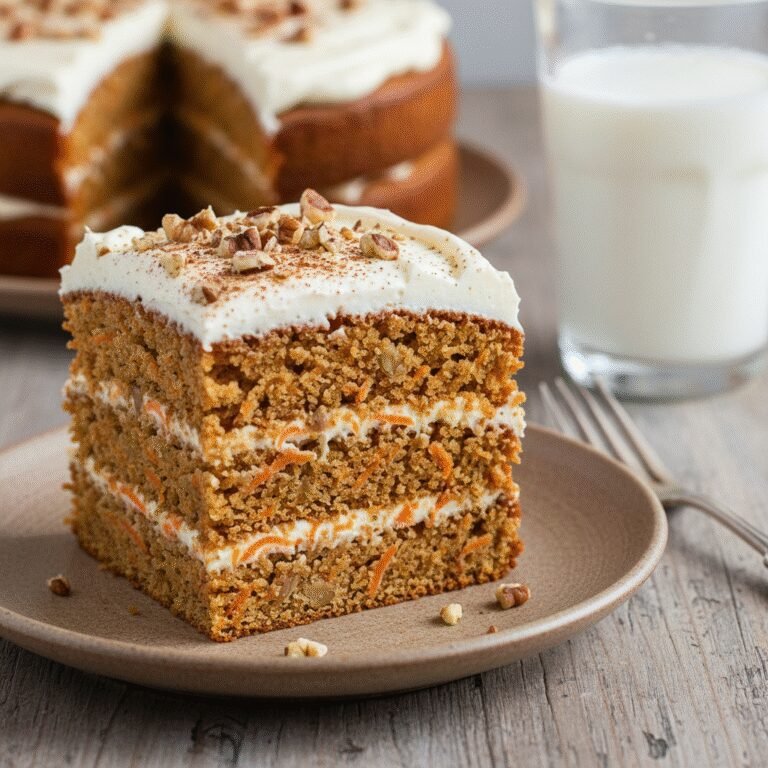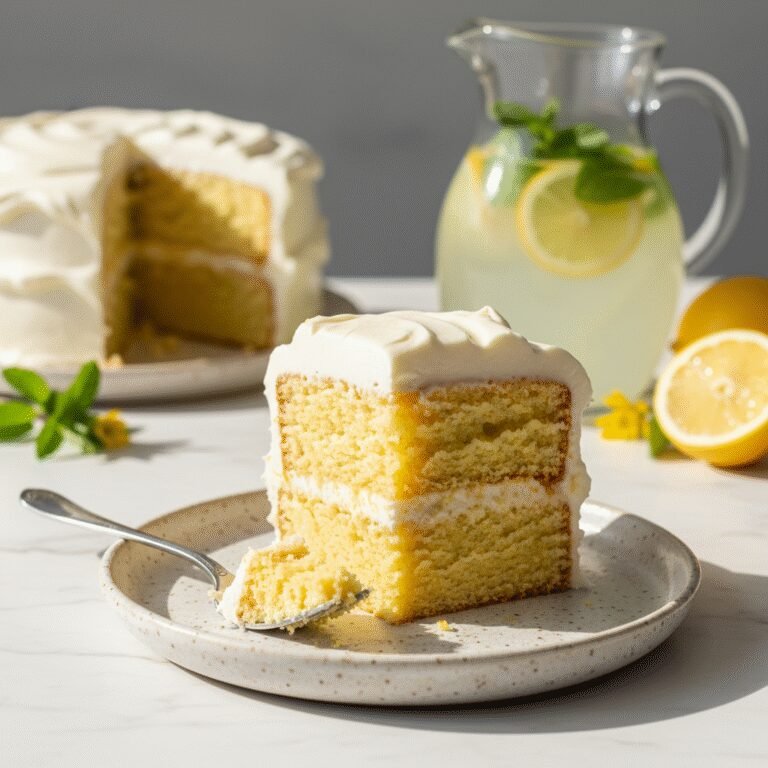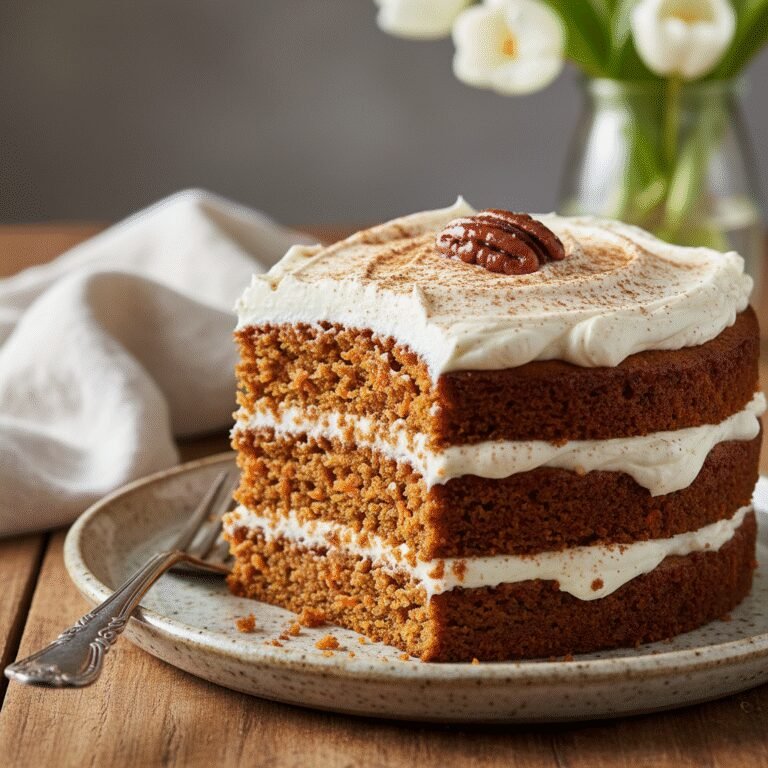
The Ultimate Moist Gluten Free Vanilla Cake With Tangy Cream Cheese Frosting
Moist Gluten Free Vanilla Cake With Cream Cheese Frosting Recipe
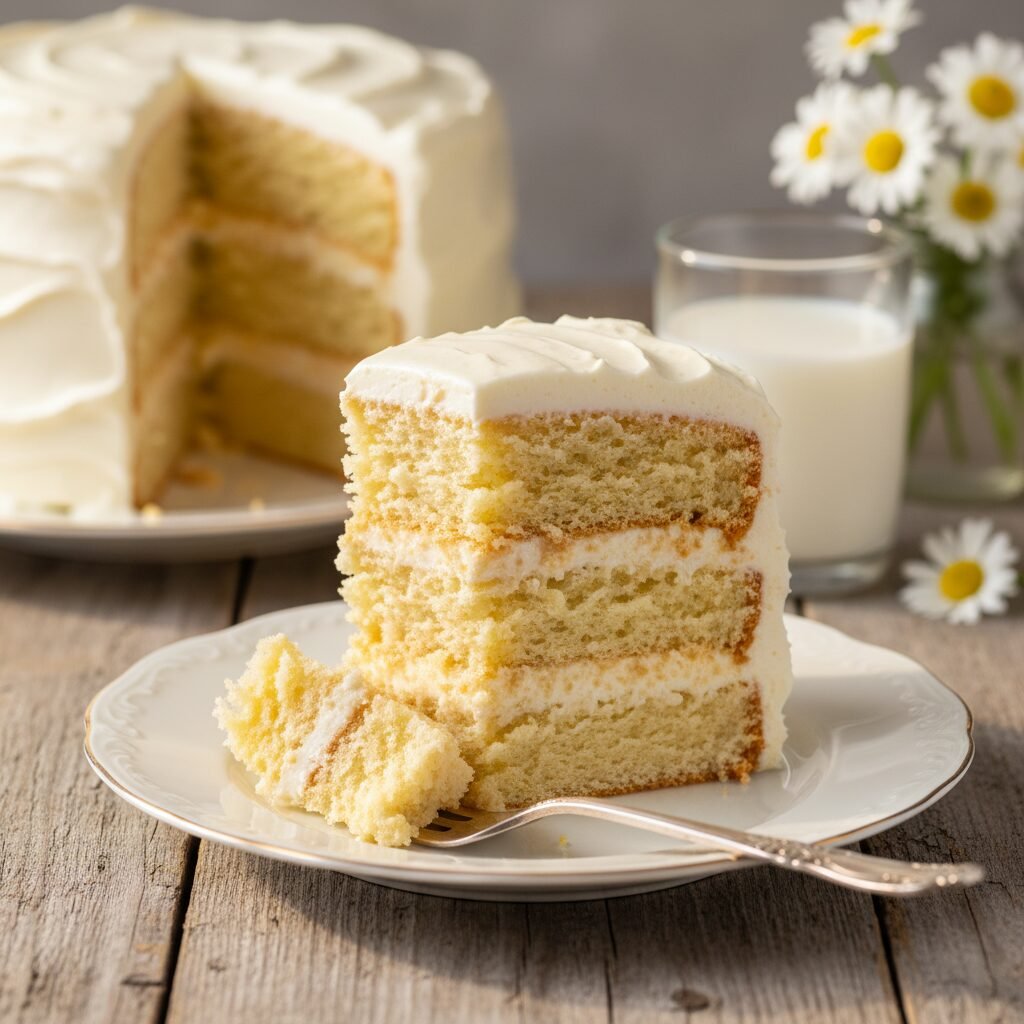
Finally, a gluten-free vanilla cake that isn’t dry or crumbly! This recipe delivers an incredibly tender crumb, rich buttery flavor, and is topped with a velvety, tangy cream cheese frosting that makes it the perfect centerpiece for birthdays and celebrations.
30 minutes
35 minutes
1 hour 30 minutes (includes cooling)
12 servings (2 layer cake)
Dessert
Baking
American
Gluten-Free
For anyone living a gluten-free lifestyle, the quest for the perfect vanilla cake is often fraught with disappointment. We have all been there: you spend hours in the kitchen, carefully measuring expensive flours, only to pull a cake out of the oven that is dense, gritty, or so dry it crumbles into sand the moment a fork touches it. That ends today. This Moist Gluten Free Vanilla Cake with Cream Cheese Frosting is the result of years of testing, tweaking, and tasting to solve the specific structural challenges of gluten-free baking.
Unlike traditional wheat flour, gluten-free blends lack the elastic protein network that traps air and holds moisture. To combat this, this recipe utilizes a specific balance of fat and acidity—specifically through the use of full-fat sour cream and high-quality butter—to tenderize the crumb and ensure the cake stays moist for days, not just hours. The flavor profile is pure, nostalgic Americana: deep, aromatic vanilla bean notes paired with the subtle tang of cream cheese frosting that cuts right through the sweetness.
This isn’t just ‘good for a gluten-free cake’; it is a spectacular cake, period. Whether you are baking for a Celiac friend, a family gathering, or just a Tuesday night craving, this cake defies the stereotypes of gluten-free baking. It creates a tall, majestic layer cake that slices cleanly and melts in your mouth, proving that dietary restrictions doesn’t mean sacrificing the joy of a classic, fluffy, homemade dessert.
History & Origins
The concept of ‘cake’ has evolved drastically over millennia, originating from ancient modifications of bread. The ancient Egyptians were the first to show evidence of advanced baking skills, sweetening bread-like doughs with honey. However, the light, fluffy cakes we recognize today are a relatively modern invention, largely credited to the discovery of chemical leavening agents like baking soda and baking powder in the mid-19th century. This allowed bakers to move away from using yeast, resulting in the tender ‘sponge’ texture we adore.
Vanilla, the primary flavor profile of this dish, has its own storied past. Native to Mexico and cultivated by the Totonac people (and later the Aztecs), vanilla was introduced to Europe by Spanish conquistadors. It remained an exclusive luxury for the wealthy until hand-pollination techniques were discovered in the 19th century. The combination of vanilla cake with cream cheese frosting is a distinctly American innovation. While cream cheese itself dates back to the late 1800s in New York, cream cheese frosting gained massive popularity in the mid-20th century, primarily as the standard topping for carrot cake, before its tangy richness was recognized as the perfect foil for sweet vanilla and chocolate cakes.
Regarding the gluten-free aspect, while celiac disease was described by Aretaeus of Cappadocia as early as the first century AD, the link to gluten wasn’t confirmed until the 1940s by Dutch pediatrician Willem-Karel Dicke. The modern explosion of gluten-free baking is a 21st-century phenomenon, driven by improved diagnosis and health-conscious consumers. Early gluten-free cakes were notoriously heavy, but the recent availability of high-quality 1-to-1 flour blends and xanthan gum has revolutionized the history of dietary baking, allowing us to recreate classics like this vanilla cake with zero compromise.
Why This Recipe Works
This recipe succeeds where many others fail because it addresses the chemistry of hydration and structure that is unique to gluten-free flours. Rice flour, potato starch, and tapioca starch—common ingredients in GF blends—absorb liquid differently than wheat flour and often yield a gritty texture if not fully hydrated. To solve this, we use a ‘reverse creaming’ inspired technique and a high ratio of liquid fats.
First, the inclusion of sour cream is non-negotiable. The acidity in the sour cream reacts with the baking soda to create a lift, but more importantly, the thick, creamy fat content coats the flour particles, inhibiting the development of a gummy texture while locking in moisture. This mimics the tenderness usually achieved by cake flour.
Secondly, we rely on a high-quality 1-to-1 gluten-free baking flour that contains xanthan gum. The xanthan gum acts as the binder, replacing the gluten strands. Without it, the cake would crumble. However, too much xanthan gum creates a rubbery texture. This recipe is calibrated to use just enough binder to hold the structure of a layer cake without making it chewy. Finally, the cream cheese frosting provides a necessary textural contrast. Gluten-free cakes can sometimes feel slightly heavier on the palate; the acidity and brightness of the cream cheese lighten the overall eating experience, making you want bite after bite.
Why You’ll Love This Recipe
- ✓Incredibly moist texture that stays soft for days
- ✓No gritty mouthfeel thanks to proper hydration
- ✓Sturdy enough for stacking layers
- ✓Rich, authentic vanilla flavor
- ✓Tangy, velvety frosting that balances the sweetness
- ✓Simple preparation using standard kitchen tools
Equipment You’ll Need
- ✓Two 8-inch or 9-inch round cake pans
- ✓Stand mixer with paddle attachment or electric hand mixer
- ✓Large mixing bowl
- ✓Medium mixing bowl
- ✓Whisk
- ✓Rubber spatula
- ✓Wire cooling rack
- ✓Offset spatula for frosting
- ✓Kitchen scale (highly recommended)
- ✓Parchment paper
Ingredients
- ✓3 cups (approx 420g) Gluten-Free All-Purpose Flour (blend with xanthan gum)
- ✓1 1/2 teaspoons baking powder
- ✓1 teaspoon baking soda
- ✓1/2 teaspoon salt
- ✓1 cup (2 sticks) unsalted butter, softened to room temperature
- ✓1 3/4 cups granulated sugar
- ✓4 large eggs, room temperature
- ✓1 tablespoon pure vanilla extract
- ✓1 cup full-fat sour cream, room temperature
- ✓1/2 cup whole milk, room temperature
- ✓FOR THE FROSTING:
- ✓16 oz (2 blocks) full-fat cream cheese, softened
- ✓1 cup (2 sticks) unsalted butter, softened
- ✓4-5 cups powdered sugar, sifted
- ✓2 teaspoons pure vanilla extract
- ✓Pinch of salt
Instructions
- Preheat your oven to 350°F (175°C). Grease two 8-inch or 9-inch round cake pans generously with butter or cooking spray. Line the bottoms with parchment paper rounds to ensure a clean release.
- In a medium bowl, whisk together the gluten-free flour, baking powder, baking soda, and salt until well combined. Set aside.
- In the bowl of a stand mixer fitted with the paddle attachment (or a large bowl using a hand mixer), beat the softened butter and granulated sugar on medium-high speed for about 3-4 minutes. The mixture should become pale, light, and fluffy. Scrape down the sides of the bowl as needed.
- Reduce the mixer speed to medium. Add the eggs one at a time, beating well after each addition. Stir in the vanilla extract. The mixture might look slightly curdled; this is normal.
- In a small bowl or measuring cup, whisk together the sour cream and milk.
- Reduce the mixer speed to low. Add the flour mixture in three parts, alternating with the sour cream mixture in two parts, beginning and ending with the flour (Flour -> Sour Cream -> Flour -> Sour Cream -> Flour). Mix only until just combined and no streaks of flour remain. Do not overmix.
- Divide the batter evenly between the prepared cake pans. Use a spatula to smooth the tops.
- Bake for 30-35 minutes, or until a toothpick inserted into the center comes out clean or with just a few moist crumbs attached. The edges should be pulling away slightly from the sides of the pan.
- Remove from the oven and let the cakes cool in the pans for 15 minutes. Then, carefully invert them onto a wire rack to cool completely before frosting. Do not attempt to frost warm cakes.
- To make the frosting: In a clean mixing bowl, beat the softened cream cheese and butter together on medium-high speed until smooth and creamy (about 3 minutes).
- Reduce speed to low and gradually add the powdered sugar, one cup at a time. Once incorporated, increase speed to high and beat for 2 minutes until fluffy.
- Add the vanilla extract and a pinch of salt. Beat for another minute. If the frosting is too soft, refrigerate for 20 minutes to stiffen slightly.
- Assemble the cake: Place one cake layer on your serving plate. Spread a generous layer of frosting over the top. Place the second cake layer on top. Cover the top and sides with the remaining frosting. Garnish as desired.
Expert Cooking Tips
- ✓Always use room temperature ingredients. Cold eggs and dairy will cause the batter to curdle and affect the rise.
- ✓Weigh your flour if possible. Gluten-free flours can be easily packed down, leading to a dry cake if measured by volume.
- ✓Do not skip the parchment paper. Gluten-free cakes are more fragile than wheat cakes and can stick to the pan easily.
- ✓Let the cake cool completely. GF baked goods continue to set structurally as they cool. Cutting or frosting too early can cause crumbling.
- ✓Sift your powdered sugar for the frosting to avoid gritty lumps.
- ✓If your GF flour blend does not contain xanthan gum, add 1.5 teaspoons to the dry ingredients.
- ✓Tap the cake pans on the counter before baking to release any large air bubbles.
Substitutions and Variations
For a dairy-free version, swap the butter for a high-quality plant-based butter stick (not tub margarine). Replace the sour cream with a dairy-free unsweetened yogurt (coconut or almond based work best) and use almond milk or oat milk instead of whole milk. For the frosting, use vegan cream cheese and vegan butter sticks. Note that vegan cream cheese is often softer, so you may need more powdered sugar. If you don’t have sour cream, plain full-fat Greek yogurt is an excellent 1:1 substitute. If you want to make this sugar-free, you can use a granular sweetener like erythritol or monk fruit, but be aware that the texture may be slightly drier and the browning less intense.
Common Mistakes to Avoid
The most common mistake is over-measuring the flour. This is the number one culprit for dry gluten-free cakes. Use the ‘spoon and level’ method if you don’t have a scale. Another mistake is over-mixing the batter once the flour is added; while there is no gluten to toughen, over-mixing can deflate the air bubbles created during the creaming process, leading to a dense brick. Opening the oven door too early is also risky; the rush of cold air can cause the cake to sink in the middle. Finally, trying to frost the cake while it is even slightly warm will result in a sliding, melting disaster—patience is key.
Serving Suggestions
This cake is a stunning blank canvas. Serve it simply with the cream cheese frosting for a classic look, or dress it up with fresh berries (strawberries, raspberries, or blueberries) which cut through the richness. Edible flowers make for a beautiful spring presentation. For a birthday, rainbow sprinkles add a festive touch. It pairs beautifully with a hot cup of dark roast coffee or an Earl Grey tea to balance the sweet frosting. A scoop of vanilla bean ice cream on the side never hurts!
Storage and Reheating Tips
Because of the cream cheese frosting, this cake should be stored in the refrigerator. Place it in an airtight cake carrier or cover gently with plastic wrap once the frosting has set. It will keep for up to 5 days in the fridge. The cake is actually best served at room temperature, so remove slices from the fridge about 30-60 minutes before eating to allow the butter in the cake and frosting to soften. For freezing, you can freeze the unfrosted layers wrapped tightly in plastic wrap for up to 3 months. You can also freeze individual slices of the frosted cake; place them on a baking sheet to freeze solid, then wrap tightly in plastic and foil.
Nutrition Facts (Estimated)
| Serving Size | 1 slice |
| Calories | 580 |
| Fat | 32g |
| Saturated Fat | 18g |
| Unsaturated Fat | 12g |
| Trans Fat | 0g |
| Cholesterol | 110mg |
| Sodium | 310mg |
| Carbohydrates | 68g |
| Fiber | 2g |
| Sugar | 42g |
| Protein | 5g |
Frequently Asked Questions
Why did my gluten-free cake turn out dry?
Dryness usually comes from over-measuring flour or baking it for too long. Ensure you spoon and level your flour or use a scale (aim for 140g per cup for most GF blends). Also, check your oven temperature with an external thermometer.
Can I make this recipe into cupcakes?
Yes! This batter makes excellent cupcakes. Line a muffin tin with paper liners and fill them 2/3 full. Bake at 350°F for 18-22 minutes. It should yield about 24 cupcakes.
Do I really need xanthan gum?
Yes, absolutely. In gluten-free baking, xanthan gum acts as the ‘glue’ that replaces gluten. Without it, your cake will not hold its structure and will crumble apart. Check your flour blend; if it doesn’t have it, you must add it manually.
Can I leave out the sour cream?
I do not recommend it. Sour cream provides the necessary fat and acidity that ensures a moist crumb. If you don’t have it, plain full-fat Greek yogurt is the only acceptable substitute.
Why did my cake sink in the middle?
Sinking usually happens if the cake was underbaked, the oven door was opened too early, or there was too much leavening (baking powder/soda). Ensure the center is set before removing it from the oven.
Can I use almond flour instead of a GF blend?
No, this recipe is designed for a 1-to-1 rice-based flour blend. Almond flour has a very different fat and protein content and lacks the starch necessary to absorb the liquid in this specific recipe.
Is this cake suitable for stacking?
Yes, this cake is surprisingly sturdy for a gluten-free bake. However, ensure the layers are completely cool (or even chilled in the fridge) before stacking to ensure the best stability.
Can I make the cake layers ahead of time?
Yes. You can bake the layers, let them cool completely, wrap them tightly in plastic wrap, and store them in the fridge for up to 2 days or freeze them for up to a month before assembling.
Conclusion
There is something deeply satisfying about slicing into a homemade cake that looks and tastes like it came from a high-end bakery, especially when it accommodates dietary needs without sacrificing flavor. This Moist Gluten Free Vanilla Cake with Cream Cheese Frosting is more than just a recipe; it’s a reliable staple that you can turn to for every birthday, anniversary, or ‘just because’ moment. The tender crumb and the tangy, sweet frosting create a harmony of textures and flavors that will have everyone—gluten-free or not—asking for a second slice. Happy baking!