The Ultimate Moist Gluten-Free Vanilla Cake with Rich Chocolate Buttercream
Moist Gluten Free Vanilla Cake With Chocolate Frosting Recipe
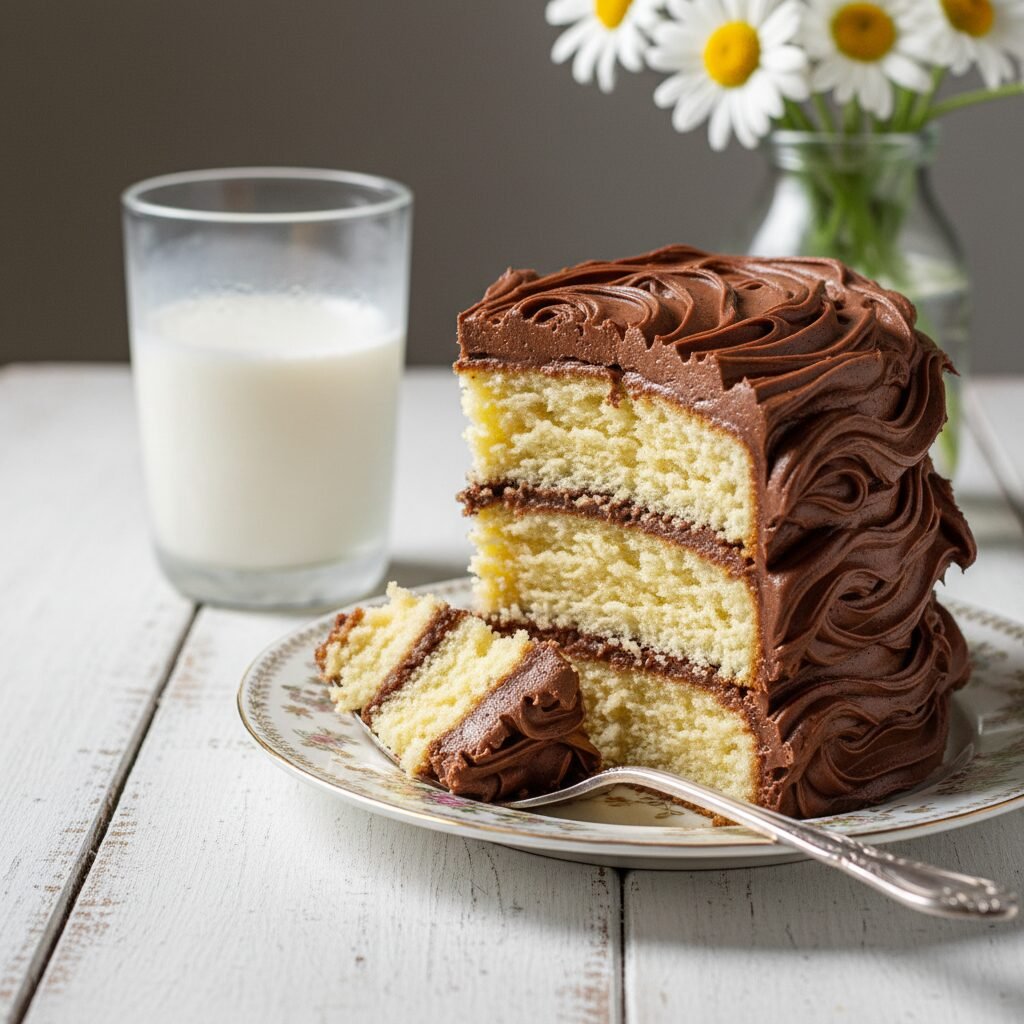
Finally, a gluten-free vanilla cake that is tender, fluffy, and completely indistinguishable from traditional wheat versions. Paired with a velvety, homemade chocolate buttercream frosting, this recipe banishes dry, crumbly textures forever, delivering the perfect slice for birthdays and celebrations.
25 minutes
30 minutes
1 hour 15 minutes (includes cooling)
12-14 servings (2 layer cake)
Dessert
Baking
American
Gluten-Free
For anyone living a gluten-free lifestyle, the quest for the perfect vanilla cake is often fraught with disappointment. We have all been there: you spend hours measuring expensive flours and mixing batter, only to pull a cake out of the oven that is dense, gritty, or so dry it crumbles at the mere sight of a fork. But today, that search ends. This Moist Gluten-Free Vanilla Cake with Chocolate Frosting is a revelation. It defies the stereotypes of gluten-free baking, offering a crumb so soft and a texture so moist that even your gluten-eating friends will be asking for the recipe.
There is something deeply nostalgic about the combination of yellow vanilla cake and sweet chocolate frosting. It is the quintessential birthday flavor profile, evoking memories of childhood parties and simple joys. However, replicating that specific ‘box mix’ tenderness without wheat flour requires a bit of science and the right ingredients. This recipe utilizes a specific blend of gluten-free flours and moisture-enhancing dairy to achieve a loft and tenderness that rivals any bakery creation. The vanilla flavor is pure and aromatic, shining through the sweetness, while the chocolate buttercream adds a luxurious, creamy counterpoint that melts in your mouth. Whether you are celebrating a special occasion or simply craving a slice of comfort, this cake is designed to impress.
History & Origins
The concept of the cake has evolved significantly over centuries. The ancient Egyptians were the first to show evidence of advanced baking skills, though their ‘cakes’ were more bread-like and sweetened with honey. The modern round cakes with icing that we recognize today began to take shape in Europe around the mid-17th century. This was largely due to technological advances like more reliable ovens and the availability of refined sugar. However, the specific ‘vanilla cake’ gained prominence much later. Vanilla itself, indigenous to Mexico, was introduced to Europe by Spanish explorers in the 16th century, but it remained a luxury ingredient for the wealthy for hundreds of years. It wasn’t until the mid-19th century, with the invention of baking powder, that light, fluffy cakes became easier to produce in home kitchens.
The history of gluten-free baking is a much more modern tale. Historically, if one couldn’t eat wheat, they relied on naturally gluten-free dense cakes made from almond meal or corn. The rise of Celiac disease awareness and gluten sensitivity in the late 20th and early 21st centuries sparked a culinary revolution. Early gluten-free commercial products were often lackluster—dry, hard, and tasteless. But in the last decade, food scientists and home bakers have cracked the code, understanding how to blend rice flours, starches, and binders like xanthan gum to mimic the protein structure of gluten. This recipe stands on the shoulders of that innovation, representing how far dietary-inclusive baking has come from its humble, crumbly beginnings.
Why This Recipe Works
The success of this recipe lies in the careful balance of moisture-retaining ingredients and the structural integrity provided by the flour blend. In traditional baking, gluten provides elasticity and structure. Without it, cakes can easily become dense or fall apart. To counteract this, we rely on a high-quality 1:1 gluten-free flour blend that contains xanthan gum. The xanthan gum acts as the binder, replacing the gluten network to hold the gas bubbles created by the baking powder, ensuring a tall rise.
Furthermore, the ‘moist’ factor—often the missing link in GF baking—is achieved through the inclusion of both sour cream and whole milk. Sour cream is acidic, which tenderizes the gluten-free flour proteins (making the cake softer) and adds fat for richness without thinning the batter too much. We also use the creaming method, beating the butter and sugar until extremely pale and fluffy. This mechanical aeration incorporates air into the batter before the eggs are added, which is crucial for lift. Finally, the chocolate frosting uses a high ratio of cocoa powder to butter, creating a frosting that is deeply chocolatey rather than just sugary, providing the perfect weight and texture to complement the light cake.
Why You’ll Love This Recipe
- ✓Incredibly moist crumb that stays soft for days.
- ✓No gritty texture—completely smooth and tender.
- ✓Simple 1:1 gluten-free flour substitution.
- ✓Rich, fudge-like chocolate buttercream frosting.
- ✓Perfect structural integrity for layering.
- ✓Crowd-pleaser that no one will guess is gluten-free.
Equipment You’ll Need
- ✓Two 8-inch or 9-inch round cake pans
- ✓Stand mixer or electric hand mixer
- ✓Large mixing bowls
- ✓Rubber spatula
- ✓Wire cooling rack
- ✓Measuring cups and spoons
- ✓Offset spatula for frosting
- ✓Parchment paper
Ingredients
- ✓2 1/2 cups Gluten-Free All-Purpose Flour (measure for measure blend with xanthan gum)
- ✓2 1/2 teaspoons Baking powder
- ✓1/2 teaspoon Salt
- ✓1 cup Unsalted butter, softened to room temperature
- ✓1 3/4 cups Granulated sugar
- ✓4 large Eggs, room temperature
- ✓1 tablespoon Pure vanilla extract
- ✓1/2 cup Full-fat sour cream, room temperature
- ✓3/4 cup Whole milk, room temperature
- ✓For the Frosting: 1 cup Unsalted butter, softened
- ✓For the Frosting: 3 cups Powdered sugar, sifted
- ✓For the Frosting: 3/4 cup Unsweetened cocoa powder
- ✓For the Frosting: 3-4 tablespoons Heavy cream
- ✓For the Frosting: 1 teaspoon Vanilla extract
- ✓For the Frosting: Pinch of salt
Instructions
- 1. Preheat your oven to 350°F (175°C). Grease two 8-inch or 9-inch round cake pans generously with butter or cooking spray. Line the bottoms with parchment paper rounds to ensure the cakes release perfectly.
- 2. In a medium bowl, whisk together the gluten-free flour, baking powder, and salt until well combined. Set aside.
- 3. In the bowl of a stand mixer fitted with the paddle attachment (or a large bowl with a hand mixer), beat the softened butter and granulated sugar on medium-high speed for about 3-5 minutes. The mixture should look pale, creamy, and fluffy. Scrape down the sides of the bowl.
- 4. Add the eggs one at a time, beating well after each addition. Mix in the vanilla extract. Scrape down the bowl again to ensure everything is incorporated.
- 5. Reduce the mixer speed to low. Add half of the dry flour mixture and mix until just combined. Then, add the sour cream and half of the milk, mixing gently.
- 6. Add the remaining flour mixture and the remaining milk. Mix on low speed until the batter is smooth and combined. Do not overmix, even though it is gluten-free; you want to keep the air bubbles intact.
- 7. Divide the batter evenly between the prepared cake pans. Smooth the tops with a rubber spatula.
- 8. Bake for 28-32 minutes, or until a toothpick inserted into the center comes out clean or with just a few moist crumbs. The edges should be pulling away slightly from the pan.
- 9. Remove from the oven and let the cakes cool in the pans for 10-15 minutes. Then, carefully invert them onto a wire rack to cool completely before frosting.
- 10. To make the frosting: In a large bowl, beat the softened butter on medium speed until creamy (about 2 minutes).
- 11. Gradually add the powdered sugar and cocoa powder, mixing on low speed initially to avoid a dust cloud. Once incorporated, increase speed to medium.
- 12. Add the vanilla extract, salt, and 2 tablespoons of heavy cream. Beat on medium-high speed for 3 minutes until fluffy. If the frosting is too stiff, add more cream, one tablespoon at a time, until it reaches a spreadable consistency.
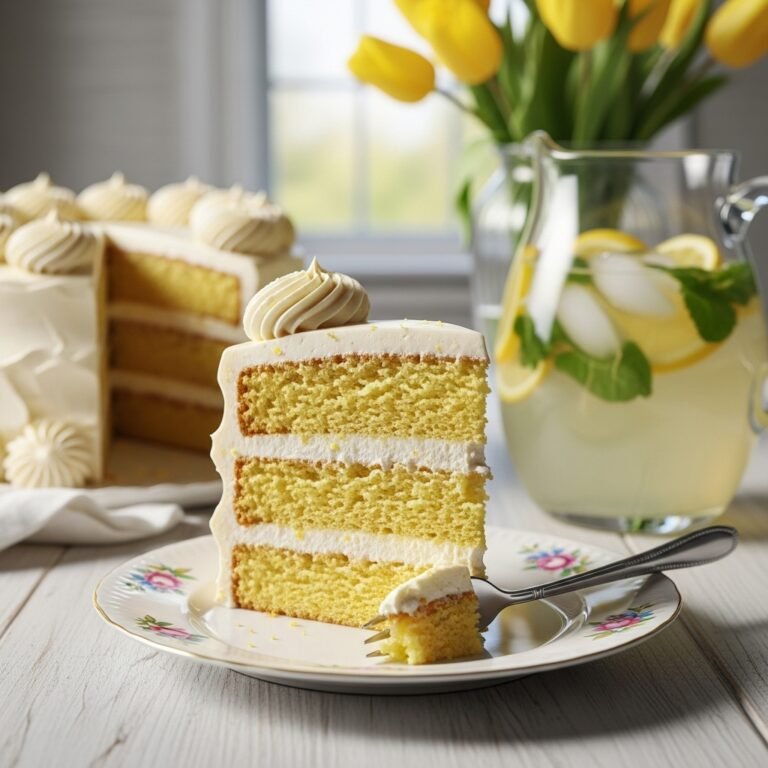
- 13. Once the cakes are completely cool, place one layer on a serving plate. Spread a generous layer of frosting over the top. Place the second cake layer on top. Frost the top and sides of the cake with the remaining frosting.
- 14. Slice and serve immediately, or store as directed.
Expert Cooking Tips
- ✓Room temperature ingredients are non-negotiable. Cold eggs or milk will shock the butter, causing the batter to curdle and resulting in a dense cake.
- ✓Weigh your flour if possible. Gluten-free flours can be heavy; if you scoop with a cup, you might accidentally add too much. 2 1/2 cups should weigh approximately 350-375g depending on the brand.
- ✓Do not skip the parchment paper. Gluten-free cakes can be more delicate when warm, and parchment ensures they don’t stick to the bottom.
- ✓Let the cake cool completely. Frosting a warm cake will result in a melted, sliding disaster.
- ✓Sift your cocoa powder and powdered sugar for the frosting to avoid lumps that can clog your piping tip or ruin the smooth texture.
- ✓If using a different flour blend without xanthan gum, you must add 1 teaspoon of xanthan gum to the dry ingredients.
Substitutions and Variations
Dietary restrictions often overlap, so here are some ways to adapt this recipe. To make this dairy-free, substitute the butter with a high-quality vegan butter stick (not tub margarine) and replace the sour cream with a dairy-free yogurt (coconut or almond based work best). Use unsweetened almond or oat milk instead of whole milk. For the eggs, while this recipe relies on them for structure, you can try a commercial egg replacer like Bob’s Red Mill, though the cake may not rise quite as high. If you don’t have sour cream, full-fat plain Greek yogurt is an excellent 1:1 substitute that provides similar acidity and fat content. For the frosting, you can easily swap the heavy cream for coconut milk or any plant-based milk. If you prefer a vanilla frosting, simply omit the cocoa powder and reduce the heavy cream slightly, or swap the cocoa for an extra 1/2 cup of powdered sugar.
Common Mistakes to Avoid
The most common mistake in gluten-free baking is over-measuring the flour. Because GF flour blends are often starch-heavy, packing them into the measuring cup creates a dry, crumbly puck. Always use the ‘spoon and level’ method or a kitchen scale. Another frequent error is cutting into the cake while it is still warm. Gluten-free flours take longer to ‘set’ completely than wheat flour; cutting it warm can make it seem gummy or cause it to fall apart. Patience is key. Additionally, using a low-fat or fat-free sour cream or milk will reduce the moisture content significantly. Stick to full-fat dairy for the best texture. Finally, ensure your baking powder is fresh; if it’s expired, your cake will be flat and dense.
Serving Suggestions
This cake is a stunner on its own, but you can elevate the presentation for special occasions. Serve each slice with a side of fresh berries—raspberries or strawberries cut through the richness of the chocolate frosting beautifully. A scoop of vanilla bean ice cream is a classic accompaniment that adds a temperature contrast. For a birthday look, rainbow sprinkles are a must. If you are serving this at an afternoon tea, a dollop of unsweetened whipped cream and a dusting of cocoa powder makes for an elegant presentation. You can also garnish the top of the cake with chocolate shavings or chocolate-covered espresso beans for a crunch.
Storage and Reheating Tips
Gluten-free baked goods tend to dry out faster than their wheat counterparts, but the sour cream in this recipe helps prolong shelf life. Store the frosted cake in an airtight cake carrier at room temperature for up to 3 days. If you live in a very hot or humid climate, you may want to refrigerate it, but be sure to bring it back to room temperature before serving, as the butter in the cake and frosting will harden in the fridge. For longer storage, you can freeze individual slices. Wrap each slice tightly in plastic wrap, then a layer of foil. They can be frozen for up to 2 months. Thaw on the counter for an hour before eating. Do not freeze the cake with decorations like fresh fruit, as they will become soggy upon thawing.
Nutrition Facts (Estimated)
| Serving Size | 1 slice |
| Calories | 480 |
| Fat | 24g |
| Saturated Fat | 14g |
| Unsaturated Fat | 8g |
| Trans Fat | 0g |
| Cholesterol | 85mg |
| Sodium | 210mg |
| Carbohydrates | 62g |
| Fiber | 2g |
| Sugar | 38g |
| Protein | 4g |
Frequently Asked Questions
Can I use almond flour instead of a GF blend?
No, this recipe is not designed for pure almond flour. Almond flour lacks the starches and binders necessary to hold the cake structure. You need a 1:1 gluten-free all-purpose blend that includes rice flour, potato/tapioca starch, and xanthan gum.
Why did my cake sink in the middle?
Sinking usually happens if the oven door was opened too early, letting cool air in, or if the cake was underbaked. It can also happen if there was too much leavening (baking powder) or liquid in the batter.
Can I make this into cupcakes?
Absolutely! This batter makes excellent cupcakes. Line a muffin tin with liners and fill them 2/3 full. Bake at 350°F for 18-22 minutes. This recipe yields about 24 cupcakes.
Is this cake dairy-free?
As written, it contains butter, milk, and sour cream. However, you can substitute these with vegan butter, plant-based milk, and dairy-free yogurt to make it dairy-free.
What brand of gluten-free flour do you recommend?
We recommend King Arthur Measure for Measure or Bob’s Red Mill 1-to-1 Baking Flour. Both contain the necessary xanthan gum and have a neutral flavor profile.
Can I freeze the cake layers before frosting?
Yes, freezing the layers actually makes them easier to frost! Wrap the cooled layers tightly in plastic wrap and freeze for up to a month. Frost them while frozen or semi-thawed.
My frosting is too runny, what do I do?
If the frosting is too thin, add more powdered sugar, 1/4 cup at a time, until it thickens. If your kitchen is very hot, you may need to chill the frosting for 10 minutes.
Does this cake taste like beans?
Not at all. Older GF recipes used bean flours which tasted distinct. Modern 1:1 blends use rice and sorghum which are very neutral, allowing the vanilla and butter flavors to shine.
Conclusion
Baking gluten-free should never mean compromising on taste or texture, and this Moist Gluten-Free Vanilla Cake with Chocolate Frosting proves just that. It is a labor of love that yields a bakery-quality result right in your own kitchen. Whether you are new to the gluten-free journey or a seasoned pro looking for a reliable standard, this recipe is sure to become a staple in your recipe box. The combination of the tender, aromatic vanilla sponge and the rich, creamy chocolate frosting is timeless, comforting, and undeniably delicious. So, preheat your oven, grab your favorite mixing bowl, and get ready to bake a cake that brings everyone to the table, regardless of dietary needs. Happy baking!