The Ultimate Moist Gluten-Free Chocolate Cake with Creamy Dairy-Free Frosting
Moist Gluten Free Chocolate Cake Dairy Free Frosting Recipe
Finally, a gluten-free chocolate cake that isn’t dry or crumbly! This recipe delivers a rich, fudgy crumb paired with a silky smooth dairy-free frosting, making it the perfect allergy-friendly dessert for birthdays and celebrations.
20 minutes
35 minutes
55 minutes
12-14 servings
Dessert
Baking
American
Gluten-Free
If you have been on a gluten-free diet for any length of time, you know the struggle is real when it comes to cake. Far too often, we are met with disappointments: cakes that crumble the moment you look at them, textures that resemble cardboard, or flavors that are overwhelmingly masked by the taste of bean flours. But today, that search for the Holy Grail of desserts ends. This Moist Gluten-Free Chocolate Cake with Dairy-Free Frosting is a revelation in the world of free-from baking. It is everything a chocolate cake should be: deeply chocolatey, incredibly moist, and possessing a tender crumb that rivals any traditional wheat-based counterpart.
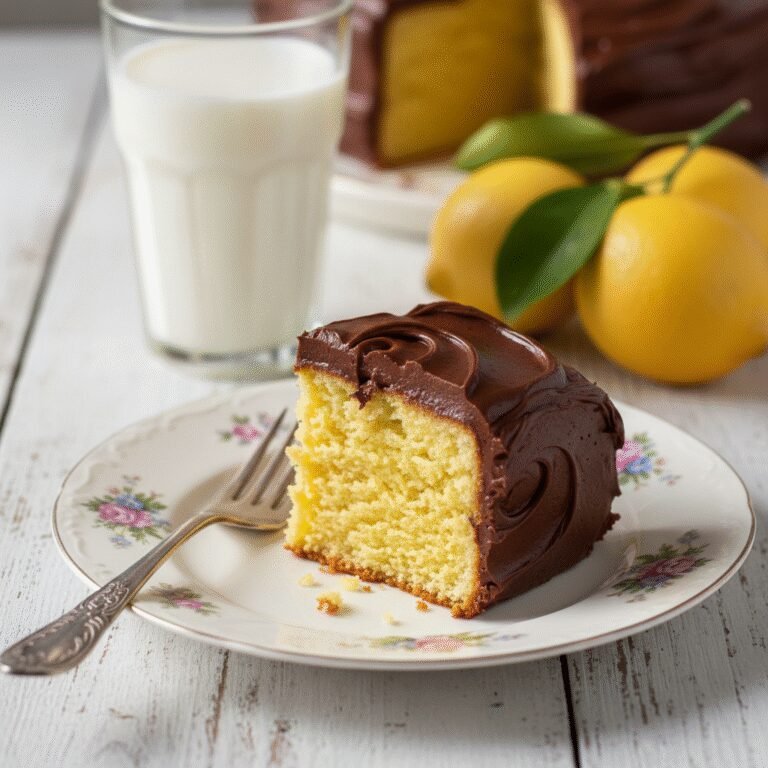
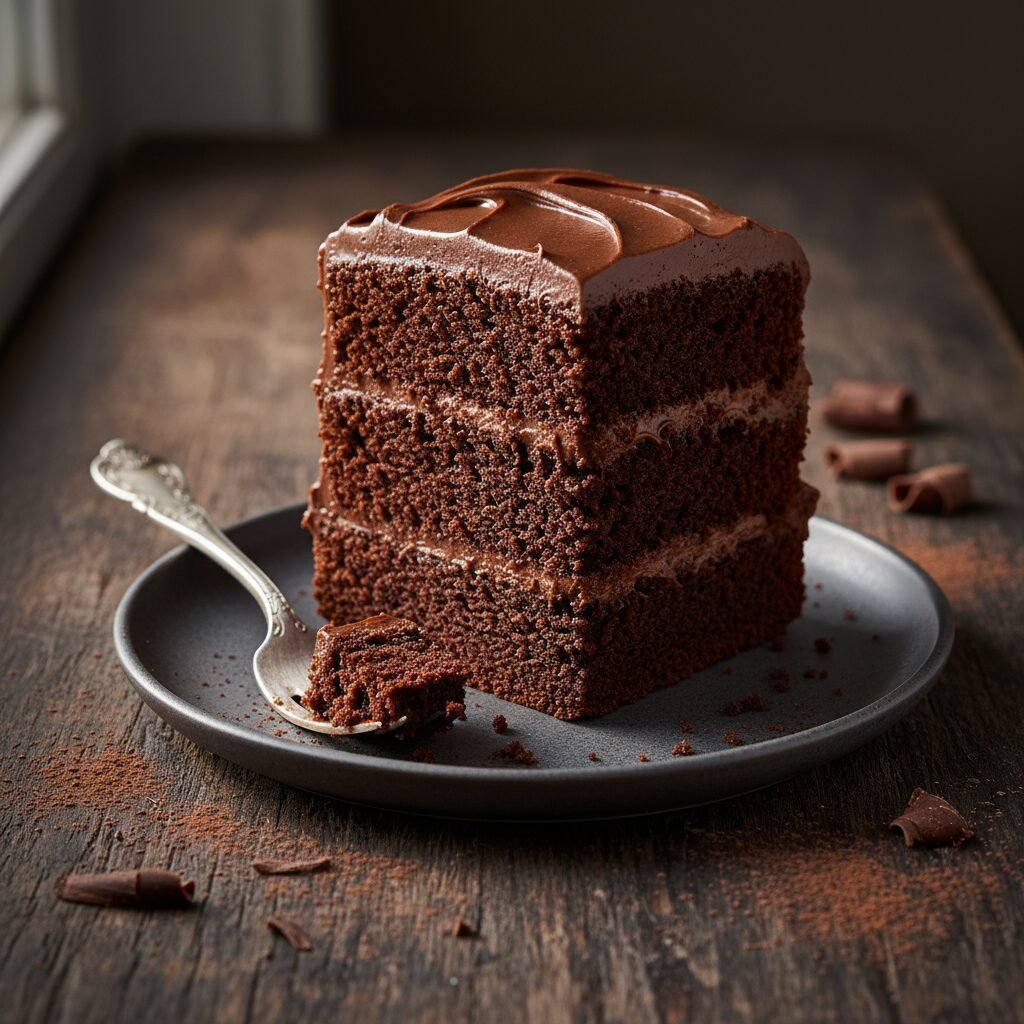
We are talking about a cake so decadent and rich that your guests won’t even believe it is gluten-free and dairy-free. The secret lies in the balance of high-quality cocoa powder and the right fat-to-flour ratio, ensuring that the moisture is locked in during the baking process. Whether you are baking for a Celiac friend, a lactose-intolerant family member, or simply trying to reduce inflammation in your diet without sacrificing joy, this recipe is your new best friend. Imagine slicing into a double-layer beauty, the knife gliding effortlessly through the dark, spongey cake and the thick, glossy frosting. It pairs perfectly with a glass of oat milk or a hot espresso. Get ready to reignite your love affair with baking, because this cake proves that dietary restrictions do not mean restricting flavor or texture.
History & Origins
The history of chocolate cake is a journey that mirrors the evolution of chocolate itself. While chocolate has been consumed as a beverage for thousands of years, dating back to the Olmecs and Mayans of Mesoamerica, the concept of a chocolate ‘cake’ is relatively modern. Until the mid-19th century, chocolate was primarily a drink for the wealthy. It wasn’t until 1828, when Coenraad van Houten invented the cocoa press, that cocoa powder became accessible, allowing bakers to incorporate chocolate into solid pastries easily. The first recorded recipes for chocolate cake appeared in US cookbooks around 1886, leading to the eventual rise of the famous ‘Devil’s Food Cake’ in the early 20th century, known for its reddish hue and intense flavor.
The gluten-free and dairy-free evolution of this classic dessert is a much more recent phenomenon. With the rise of Celiac disease awareness and the identification of gluten intolerance in the late 20th and early 21st centuries, home bakers and food scientists began experimenting with alternative flours. Early attempts were often dense and unpalatable, relying heavily on rice flour alone. However, the last decade has seen a renaissance in gluten-free baking, thanks to the development of sophisticated flour blends that utilize xanthan gum, tapioca starch, and potato starch to mimic the elasticity of gluten. Simultaneously, the vegan movement pushed for better dairy alternatives, moving beyond margarine to high-quality plant butters and nut milks. This recipe stands on the shoulders of that culinary innovation, combining the nostalgic comfort of a 19th-century classic with the nutritional science of the modern era.
Why This Recipe Works
The primary reason this specific recipe succeeds where others fail is the inclusion of boiling water and the choice of fat. In many traditional cakes, butter is the fat of choice. However, butter contains water and milk solids which can sometimes lead to a drier texture in gluten-free baking once the cake cools. By using oil (such as vegetable or melted coconut oil), we ensure the cake remains moist and soft for days, as oil remains liquid at room temperature. This coats the gluten-free flour proteins effectively, preventing the ‘grittiness’ often associated with rice flours.
Furthermore, the addition of boiling water is a game-changer. When you add boiling water to the batter at the very end, it does two crucial things. First, it ‘blooms’ the cocoa powder. Cocoa is essentially a complex starch; hot water dissolves the solids and releases the flavor compounds, resulting in a more intense chocolate taste. Second, the hot liquid begins to activate the leavening agents (baking soda and baking powder) immediately and helps to hydrate the xanthan gum in the flour blend instantly. This creates a batter that is thin but chemically reactive, allowing the cake to rise beautifully in the oven with a uniform, springy structure. The dairy-free frosting uses a high-fat plant butter stick rather than tub margarine, ensuring it whips up fluffy and stable enough to pipe, mimicking a traditional buttercream perfectly.
Why You’ll Love This Recipe
- ✓Incredibly moist texture that stays soft for days
- ✓Deep, rich chocolate flavor enhanced by blooming cocoa
- ✓Completely gluten-free and dairy-free safe
- ✓Simple one-bowl mixing method for the cake batter
- ✓Frosting is stable enough for piping and decorating
- ✓Kid-friendly and perfect for birthday parties
Equipment You’ll Need
- ✓Two 8-inch round cake pans
- ✓Large mixing bowl
- ✓Electric hand mixer or stand mixer
- ✓Whisk
- ✓Sifter or fine-mesh sieve
- ✓Parchment paper
- ✓Wire cooling rack
- ✓Offset spatula
Ingredients
- ✓2 cups Gluten-Free All-Purpose Flour Blend (with xanthan gum)
- ✓2 cups Granulated Sugar
- ✓3/4 cup Unsweetened Cocoa Powder
- ✓2 tsp Baking Powder
- ✓1.5 tsp Baking Soda
- ✓1 tsp Salt
- ✓1 cup Unsweetened Almond Milk (or Soy Milk)
- ✓1 tbsp Apple Cider Vinegar
- ✓1/2 cup Vegetable Oil (or melted Coconut Oil)
- ✓2 large Eggs (room temperature)
- ✓2 tsp Pure Vanilla Extract
- ✓1 cup Boiling Water
- ✓FOR THE FROSTING: 1 cup Vegan Butter Sticks, slightly softened
- ✓3.5 cups Powdered Sugar
- ✓1/2 cup Unsweetened Cocoa Powder
- ✓1 tsp Pure Vanilla Extract
- ✓2-3 tbsp Unsweetened Almond Milk
Instructions
- Preheat your oven to 350°F (175°C). Grease two 8-inch round cake pans and line the bottoms with parchment paper to ensure easy removal.
- Measure out the almond milk and add the apple cider vinegar to it. Stir and let it sit for 5 minutes to create a vegan ‘buttermilk’.
- In a large mixing bowl, sift together the gluten-free flour, granulated sugar, cocoa powder, baking powder, baking soda, and salt. Whisk well to combine.
- Add the prepared almond milk mixture, vegetable oil, eggs, and vanilla extract to the dry ingredients. Beat on medium speed with an electric mixer for about 2 minutes until the batter is smooth and creamy.
- Reduce the mixer speed to low and carefully pour in the boiling water. The batter will become very thin and liquidy; this is normal and essential for the moisture.
- Divide the batter evenly between the two prepared cake pans.
- Bake for 30-35 minutes, or until a toothpick inserted into the center comes out clean or with just a few moist crumbs. Do not overbake.
- Remove the cakes from the oven and let them cool in the pans for 10 minutes. Then, run a knife around the edges and invert them onto a wire rack to cool completely before frosting.
- To make the frosting: In a large bowl, beat the softened vegan butter until creamy. Sift in the powdered sugar and cocoa powder alternately, adding a tablespoon of almond milk as needed to keep it mixing.
- Add the vanilla extract and beat on high speed for 3 minutes until the frosting is fluffy and glossy.
- Once the cakes are fully cool, frost the top of one layer, stack the second layer on top, and cover the top and sides with the remaining frosting.
Expert Cooking Tips
- ✓Ensure your GF flour blend contains xanthan gum; if not, add 1 tsp manually.
- ✓Use room temperature eggs to ensure the batter emulsifies properly.
- ✓Don’t skip the boiling water step; it blooms the cocoa for maximum flavor.
- ✓Let the cakes cool completely before frosting, or the vegan butter will melt.
- ✓Weigh your flour using a kitchen scale for the most accurate texture.
- ✓Use high-quality cocoa powder (like Dutch-processed) for a darker color.
- ✓Tap the cake pans on the counter before baking to release large air bubbles.
Substitutions and Variations
This recipe is highly adaptable to various dietary needs. If you need to make this egg-free as well as gluten-free and dairy-free, you can substitute the 2 eggs with ‘flax eggs’ (2 tablespoons ground flaxseed meal mixed with 6 tablespoons warm water, let sit for 5 minutes). For the oil, you can use melted coconut oil, canola oil, or even avocado oil for a neutral taste; olive oil works but will add a distinct flavor profile. If you have a nut allergy, swap the almond milk for oat milk, soy milk, or rice milk. For the sweetener, while granulated sugar provides the best structure, coconut sugar can be used for a lower glycemic index, though it will darken the cake further and slightly alter the flavor. In the frosting, any plant-based milk works, and you can omit the cocoa powder if you prefer a vanilla buttercream.
Common Mistakes to Avoid
The most common mistake in gluten-free baking is over-measuring the flour. Because GF flours can be dense, scooping directly with the measuring cup can pack it down, leading to a dry cake. Always use the ‘spoon and level’ method or a kitchen scale. Another mistake is over-baking. Gluten-free baked goods often look underdone when they are actually ready; rely on the toothpick test rather than appearance alone. Additionally, do not try to frost the cake while it is even slightly warm. Gluten-free cakes are more fragile when warm, and the heat will cause your dairy-free frosting to slide right off. Finally, ensure your baking powder and soda are fresh; expired leavening agents will result in a flat, dense puck.
Serving Suggestions
This cake is a showstopper on its own, but it can be elevated with a few simple additions. Serve a generous slice with a dollop of coconut whipped cream and fresh raspberries or strawberries to cut through the richness of the chocolate. For a warm contrast, serve it with a scoop of dairy-free vanilla bean ice cream. If you are celebrating, sprinkle the top with gluten-free sprinkles or shaved dark chocolate curls. It pairs beautifully with hot coffee, a cold glass of oat milk, or even a dessert wine like a Ruby Port.
Storage and Reheating Tips
Because this cake is oil-based, it stays moist longer than butter-based cakes. Store the frosted cake in an airtight container or cake dome at room temperature for up to 3 days. If your kitchen is particularly hot, or if you want to keep it longer, store it in the refrigerator for up to 5 days, but let it come to room temperature before eating for the best texture. Both the cake layers (unfrosted) and the frosted cake freeze well. To freeze, wrap individual slices in plastic wrap and then foil. Thaw on the counter for 1-2 hours before serving.
Nutrition Facts (Estimated)
| Serving Size | 1 slice |
| Calories | 420 |
| Fat | 22g |
| Saturated Fat | 6g |
| Unsaturated Fat | 14g |
| Trans Fat | 0g |
| Cholesterol | 45mg |
| Sodium | 310mg |
| Carbohydrates | 58g |
| Fiber | 4g |
| Sugar | 32g |
| Protein | 4g |
Frequently Asked Questions
Can I make this recipe into cupcakes?
Yes, absolutely! This recipe yields about 24 cupcakes. Bake them at 350°F for 18-22 minutes. Check them early to ensure they don’t dry out.
Why is my batter so runny?
Don’t panic! The batter is supposed to be very thin after adding the boiling water. This high hydration is necessary for the gluten-free flour to absorb moisture during baking without becoming gritty.
What brand of gluten-free flour do you recommend?
We recommend a high-quality ‘measure-for-measure’ blend like King Arthur Measure for Measure or Bob’s Red Mill 1-to-1 Baking Flour. These blends already contain xanthan gum.
Can I use cacao powder instead of cocoa powder?
Yes, raw cacao powder can be used, but it is more acidic and bitter than processed cocoa powder. The cake may be lighter in color and have a sharper chocolate taste.
How do I stop the cake from crumbling when I frost it?
Gluten-free cakes are more delicate. To prevent crumbs in your frosting, apply a thin ‘crumb coat’ of frosting first, refrigerate the cake for 20 minutes to set it, and then apply the final thick layer of frosting.
Can I reduce the sugar in this recipe?
Sugar provides moisture and structure, not just sweetness. Reducing it by more than 1/4 cup may affect the texture, making the cake denser and drier.
Is baking powder gluten-free?
Most baking powders are gluten-free (using cornstarch), but some brands use wheat starch. Always check the label to ensure it is certified gluten-free.
Can I use butter instead of oil?
You can, but we don’t recommend it for this specific recipe. Oil coats the flour proteins better than butter in the absence of gluten, keeping the cake moist for much longer.
Conclusion
There you have it—the definitive guide to making the most luscious, moist, and crowd-pleasing Gluten-Free Chocolate Cake with Dairy-Free Frosting. This recipe proves that dietary restrictions are merely an opportunity to explore new ingredients and techniques that can yield results just as delicious as the originals. Whether you are a novice baker or a seasoned pro, this cake is forgiving, fun to make, and incredibly rewarding to eat. We hope this becomes a staple in your recipe box for birthdays, holidays, or those Tuesday nights when you just need a little chocolate therapy. Happy baking!