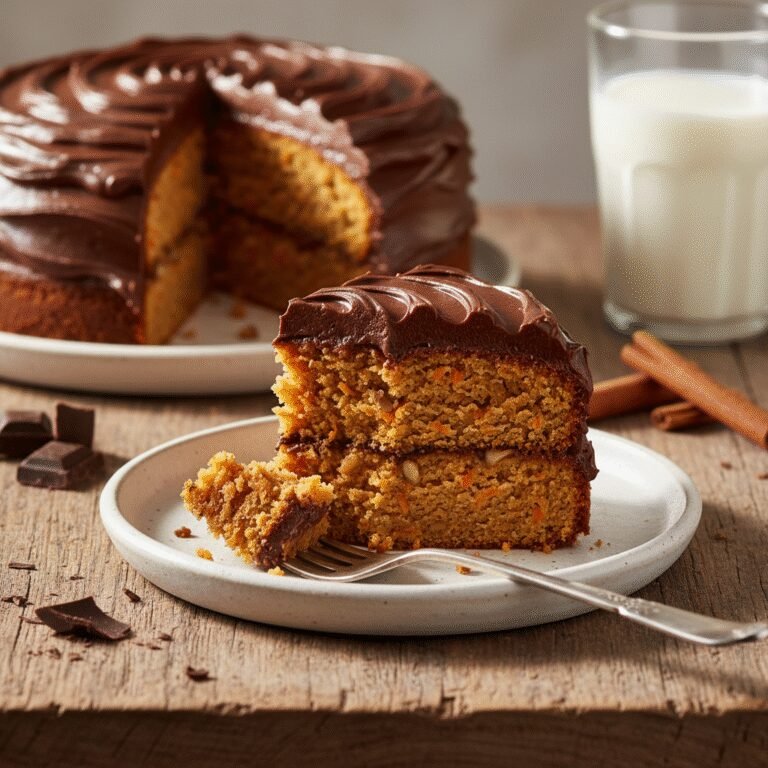
The Ultimate Moist Gluten-Free Chocolate Cake with Tangy Cream Cheese Frosting
Moist Gluten Free Chocolate Cake With Cream Cheese Frosting Recipe
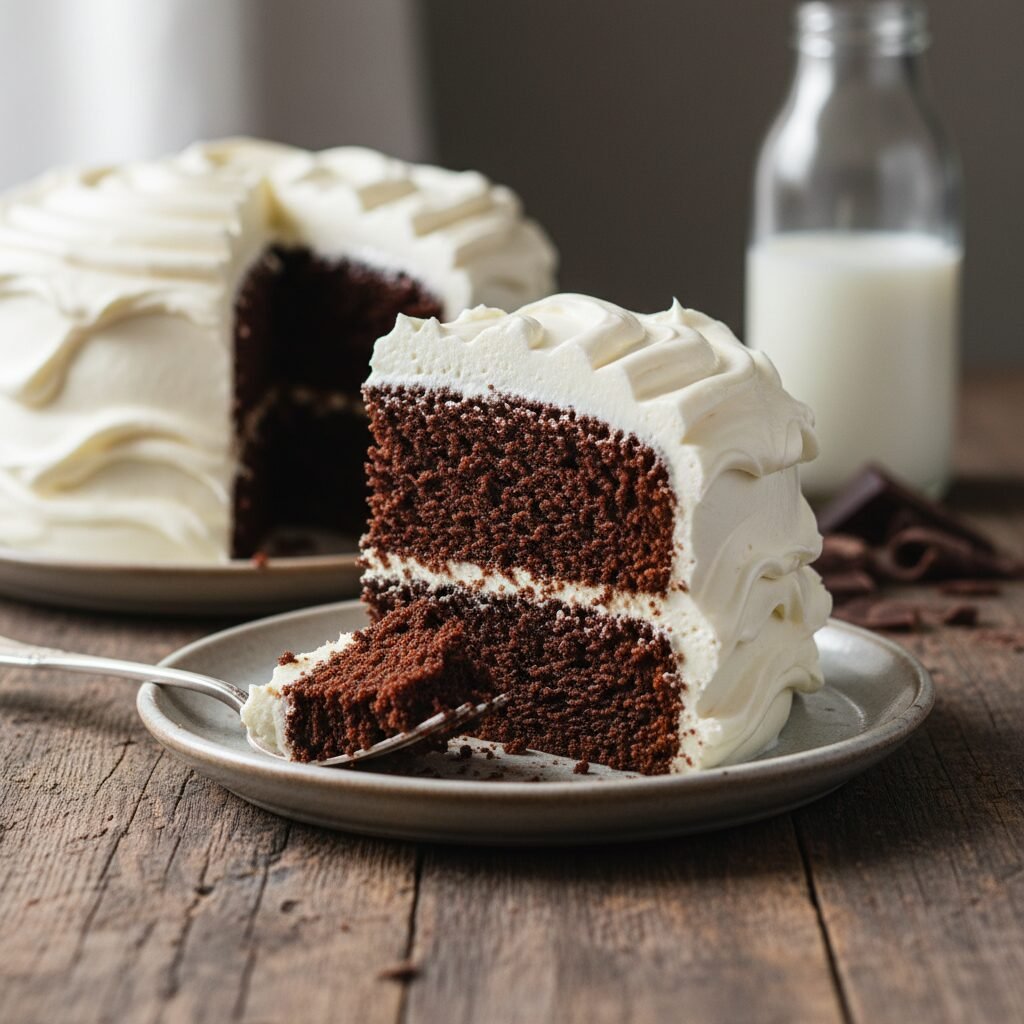
Finally, a gluten-free chocolate cake recipe that isn’t dry or crumbly! This incredibly moist, rich chocolate cake is paired with a luscious, tangy cream cheese frosting for the perfect balance of sweetness. It’s a foolproof dessert that no one will believe is gluten-free.
25 minutes
35 minutes
1 hour 30 minutes
12-16 Servings
Dessert
Baking
American
Gluten-Free
If you have been on a gluten-free diet for any length of time, you know the heartbreak of ‘The Dry Cake.’ You know the one: it looks beautiful on the counter, but the moment you slice into it, it crumbles into a pile of sand, and the texture is reminiscent of cardboard. For years, I accepted this as my fate. But today, we are breaking that curse. This Moist Gluten-Free Chocolate Cake with Cream Cheese Frosting is not just ‘good for a gluten-free cake’—it is simply one of the best chocolate cakes I have ever eaten, period.
The secret lies in the specific balance of hydration and fat. Unlike traditional wheat flour, gluten-free flour blends are thirsty; they absorb moisture rapidly and can leave baked goods feeling parched. To combat this, this recipe utilizes a combination of vegetable oil (which stays liquid at room temperature, unlike butter) and sour cream to ensure a tender, velvety crumb that stays moist for days. Furthermore, we use the ‘blooming’ technique with hot coffee, which intensifies the chocolate flavor without making the cake taste like a mocha latte.
The frosting choice is controversial to some chocolate purists who prefer ganache or buttercream, but I stand firmly by cream cheese frosting. The slight tang and acidity of the cream cheese cut through the intense richness of the chocolate, creating a sophisticated flavor profile that keeps you coming back for ‘just one more thin slice.’ Whether you are baking for a celiac birthday party or just a Tuesday night craving, this cake delivers comfort, luxury, and pure chocolate bliss.
History & Origins
The concept of chocolate cake has evolved significantly over the last few centuries. While chocolate has been consumed as a beverage in Mesoamerica for millennia, it wasn’t until 1764, when Dr. James Baker discovered how to make chocolate by grinding cocoa beans between massive millstones, that chocolate became accessible as an ingredient. However, early ‘chocolate cakes’ were actually white or yellow cakes served with chocolate beverages. It wasn’t until the late 19th century, with the wider availability of baking powder and cheaper cocoa powder, that the chocolate cake we recognize today began to take shape in American kitchens.
The history of gluten-free baking is a much more modern phenomenon. For decades, gluten-free diets were strictly medical prescriptions for those with Celiac disease, a condition identified in the 19th century but not fully understood regarding dietary triggers until the mid-20th century. In the early days of gluten-free baking (the 1980s and 90s), home bakers had to rely on dense bean flours or rice flours that resulted in gritty, heavy textures. It was a culinary dark age for those avoiding wheat.
The revolution came in the early 2000s with the development of sophisticated gluten-free flour blends that utilized starches (like tapioca and potato) and binders (like xanthan gum) to mimic the elasticity of gluten. This recipe stands on the shoulders of those innovations, combining modern food science with the classic American tradition of the ‘Devil’s Food’ style cake. The addition of cream cheese frosting is a distinctly American twist, popularized in the mid-20th century alongside carrot cake, but eventually finding its rightful partner in deep, dark chocolate.
Why This Recipe Works
This recipe succeeds where many others fail because it addresses the two biggest enemies of gluten-free baking: texture and flavor depth. First, let’s talk about moisture. Gluten-free flours, typically rice-based, can be gritty. By using a batter that is significantly thinner than a standard wheat cake batter, we allow the flours to fully hydrate before the structure sets in the oven. We rely on oil rather than butter for the cake base because oil remains liquid at room temperature. This means the cake feels moist on the tongue, whereas butter-based cakes can feel firm or dry once cooled.
Secondly, the ‘blooming’ step is non-negotiable. Adding boiling hot liquid (coffee or water) to the batter does two things: it dissolves the cocoa powder, releasing flavor compounds that are otherwise locked in the fat of the cocoa butter, and it begins to gelatinize the starches in the gluten-free flour immediately. This head-start on gelatinization helps build structure in the absence of gluten strands.
Finally, the acidity. We use both brown sugar (which contains molasses) and sour cream. This acidity reacts with the baking soda to create a powerful lift, ensuring the cake is fluffy and airy, not dense and brick-like. The result is a crumb structure that is indistinguishable from a high-end bakery wheat cake.
Why You’ll Love This Recipe
- ✓Incredibly moist texture that lasts for days
- ✓Deep, intense chocolate flavor enhanced by hot coffee
- ✓Tangy cream cheese frosting balances the sweetness
- ✓Simple ‘mix by hand’ method—no stand mixer needed for the cake
- ✓100% Gluten-Free and Celiac safe (when using certified ingredients)
- ✓Freezes beautifully for make-ahead events
Equipment You’ll Need
- ✓Two 8-inch or 9-inch round cake pans
- ✓Large mixing bowl
- ✓Medium mixing bowl
- ✓Whisk
- ✓Rubber spatula
- ✓Electric hand mixer or stand mixer (for frosting)
- ✓Wire cooling rack
- ✓Parchment paper
- ✓Measuring cups and spoons
Ingredients
- ✓2 cups Gluten-Free All-Purpose Flour Blend (with xanthan gum)
- ✓2 cups Granulated Sugar
- ✓3/4 cup Unsweetened Cocoa Powder
- ✓2 teaspoons Baking Powder
- ✓1 1/2 teaspoons Baking Soda
- ✓1 teaspoon Salt
- ✓1 teaspoon Espresso Powder (optional, for depth)
- ✓1 cup Milk (whole or 2%), room temperature
- ✓1/2 cup Vegetable Oil (or Canola/Melted Coconut Oil)
- ✓2 large Eggs, room temperature
- ✓2 teaspoons Pure Vanilla Extract
- ✓1 cup Boiling Water (or Boiling Hot Strong Coffee)
- ✓8 oz Cream Cheese, softened to room temperature
- ✓1/2 cup Unsalted Butter, softened to room temperature
- ✓4 cups Powdered Sugar (Confectioners’ Sugar)
- ✓1-2 tablespoons Heavy Cream or Milk (for frosting consistency)
- ✓1 teaspoon Vanilla Extract (for frosting)
- ✓Pinch of salt (for frosting)
Instructions
- Preheat your oven to 350°F (175°C). Grease two 8-inch or 9-inch round cake pans generously. Line the bottoms with parchment paper rounds and grease the parchment. Dust with a little cocoa powder or gluten-free flour to prevent sticking.
- In a large mixing bowl, whisk together the gluten-free flour, sugar, cocoa powder, baking powder, baking soda, salt, and espresso powder. Ensure there are no large clumps of cocoa.
- Add the milk, vegetable oil, eggs, and vanilla extract to the dry ingredients. Mix on medium speed with an electric mixer or whisk vigorously by hand until well combined. Ideally, beat for about 2 minutes to aerate the batter.
- Reduce the mixer speed to low and carefully pour in the boiling water (or hot coffee). The batter will be very thin and liquidy—this is completely normal! Do not add more flour.
- Pour the batter evenly into the prepared cake pans. Tap the pans gently on the counter to release any large air bubbles.
- Bake for 30-35 minutes. Test for doneness by inserting a wooden toothpick into the center of the cake; it should come out clean or with just a few moist crumbs attached. Do not overbake.
- Remove from the oven and let the cakes cool in the pans for about 10-15 minutes. Then, carefully run a knife around the edges and invert them onto a wire rack to cool completely. The cakes must be 100% cool before frosting.
- While the cakes cool, prepare the frosting. In a large bowl, beat the softened cream cheese and butter together until completely smooth and creamy (about 3 minutes).
- Gradually add the powdered sugar, one cup at a time, beating on low speed until incorporated. Add the vanilla extract and a pinch of salt.
- Increase the speed to high and whip the frosting for 3-5 minutes until it is fluffy and white. If it is too stiff, add 1 tablespoon of heavy cream or milk at a time until you reach the desired consistency.
- Once the cakes are cool, place one layer on your serving plate. Spread a generous layer of frosting over the top. Place the second cake layer on top. Frost the top and sides of the entire cake with the remaining frosting.
- Refrigerate the cake for 20-30 minutes before slicing to allow the frosting to set slightly.
Expert Cooking Tips
- ✓Measure Flour Correctly: Ideally, use a kitchen scale (1 cup of GF flour is usually around 120-130g). If using cups, spoon the flour into the cup and level it off; do not scoop directly from the bag.
- ✓Room Temperature Ingredients: Ensure your eggs, milk, butter, and cream cheese are at room temperature. This prevents the batter from curdling and ensures a smooth, lump-free frosting.
- ✓Don’t Skip the Parchment: Gluten-free cakes can be more fragile than wheat cakes. Parchment paper guarantees they won’t stick to the bottom of the pan.
- ✓Check Your Baking Powder: Ensure your baking powder and soda are fresh. Gluten-free flours are heavy and need active leavening to rise properly.
- ✓Let It Cool: Do not attempt to frost a warm cake. The butter and cream cheese will melt, and the layers will slide off.
- ✓Use a Blend with Xanthan Gum: This recipe relies on a 1-to-1 style blend that includes xanthan gum. If your blend doesn’t have it, add 1 teaspoon of xanthan gum to the dry ingredients.
- ✓The Coffee Trick: Even if you hate coffee, use the hot coffee option. You won’t taste it, but it makes the chocolate taste twice as chocolatey.
Substitutions and Variations
This recipe is quite versatile if you need to accommodate other dietary restrictions.
**Dairy-Free**: To make the cake dairy-free, substitute the milk with unsweetened almond milk, soy milk, or oat milk. For the sour cream element (if you modified to add it), use a dairy-free yogurt. For the frosting, use vegan butter sticks and vegan cream cheese (brands like Miyoko’s or Kite Hill work well).
**Egg-Free**: While eggs provide structure, you can use a commercial gluten-free egg replacer (like Bob’s Red Mill) or flax eggs (2 tbsp ground flaxseed meal + 6 tbsp water, let sit for 5 mins). Note that the cake may be slightly denser with flax eggs.
**Sugar**: You can swap the granulated sugar for coconut sugar for a lower glycemic index, though it will change the flavor profile to be more caramel-like. Do not use liquid sweeteners like maple syrup as it throws off the liquid ratios.
**Oil**: Any neutral oil works. Avocado oil, canola oil, vegetable oil, or melted refined coconut oil are all excellent choices. Avoid strong-flavored oils like extra virgin olive oil unless you want that specific flavor profile.
Common Mistakes to Avoid
The most common mistake with gluten-free baking is **over-measuring the flour**. Because gluten-free blends often contain starches, packing them into a measuring cup results in a dry, dense cake. Always use the ‘spoon and level’ method or a scale.
Another mistake is **cutting the cake while it’s warm**. Gluten-free baked goods continue to set as they cool. If you cut it warm, it may appear gummy or fall apart.
Regarding the frosting, a common error is **using cold cream cheese or butter**. If they aren’t fully softened, you will end up with tiny lumps of cream cheese in your frosting that are impossible to whip out later.
Finally, **opening the oven door too often**. This releases heat and can cause the cake to collapse in the center, a tragedy known as ‘sunken cake syndrome’. Trust your timer.
Serving Suggestions
This cake is rich, so it pairs beautifully with elements that cut through the sweetness. Serve thin slices with a side of fresh raspberries or strawberries; the tart fruit complements the cream cheese frosting perfectly. A dollop of unsweetened whipped cream or a scoop of vanilla bean ice cream is also a classic choice. Beverage-wise, a tall glass of cold milk is traditional, but a hot espresso or a dark roast coffee is the sophisticated pairing that highlights the mocha notes in the sponge. For a festive look, garnish the top of the cake with chocolate shavings, sprinkles, or edible flowers.
Storage and Reheating Tips
Because of the cream cheese frosting, this cake should be stored in the refrigerator. It can sit out for 2-3 hours at a party, but for long-term storage, keep it chilled. It will last in the fridge for up to 5 days. Ensure it is covered with a cake dome or plastic wrap to prevent the cut edges from drying out.
**Freezing**: This cake freezes exceptionally well. You can freeze the unfrosted layers wrapped tightly in plastic wrap for up to 2 months. You can also freeze individual slices of the frosted cake. Place slices on a baking sheet to freeze solid (about 1 hour), then wrap them individually in plastic wrap and foil. Thaw in the fridge overnight or on the counter for 30 minutes before eating.
Nutrition Facts (Estimated)
| Serving Size | 1 slice (1/14th of cake) |
| Calories | 580 |
| Fat | 32g |
| Saturated Fat | 14g |
| Unsaturated Fat | 16g |
| Trans Fat | 0g |
| Cholesterol | 85mg |
| Sodium | 340mg |
| Carbohydrates | 72g |
| Fiber | 3g |
| Sugar | 45g |
| Protein | 6g |
Frequently Asked Questions
Can I make this into cupcakes instead of a layer cake?
Absolutely! This recipe makes about 24-30 standard cupcakes. Fill liners 2/3 full and bake at 350°F for 18-22 minutes.
Why is my batter so runny?
Do not panic! The batter is supposed to be very thin, almost like hot chocolate. This high hydration is necessary for the gluten-free flour to absorb moisture during baking.
Can I use almond flour or coconut flour?
No, you cannot substitute almond or coconut flour 1:1 in this recipe. They absorb moisture very differently. You must use a Gluten-Free All-Purpose Flour Blend meant for baking.
Do I have to use coffee?
No, you can use boiling water instead. However, the coffee enhances the chocolate flavor significantly without making the cake taste like coffee.
My cake sank in the middle. What happened?
This usually happens if the oven door was opened too early, the oven wasn’t fully preheated, or the leavening agents (baking soda/powder) were expired.
Can I make this cake ahead of time?
Yes, in fact, the flavor and texture often improve the next day. You can bake the layers, wrap them, and frost them the next day, or make the whole cake and refrigerate it overnight.
Is this recipe dairy-free?
As written, it contains milk, butter, and cream cheese. However, you can use dairy-free milk, oil, and vegan butter/cream cheese alternatives successfully.
What brand of gluten-free flour do you recommend?
King Arthur Measure for Measure and Bob’s Red Mill 1-to-1 Baking Flour are consistently excellent choices for this recipe.
Conclusion
There you have it—the holy grail of gluten-free baking. This Moist Gluten-Free Chocolate Cake with Cream Cheese Frosting proves that you don’t have to compromise on texture or flavor just because you are avoiding wheat. It is a labor of love that yields a bakery-quality result right in your own kitchen. Whether you are celebrating a special occasion or just need a chocolate fix, this cake is sure to become a staple in your recipe box. Don’t forget to pin this recipe for later and leave a comment below letting me know how it turned out for you. Happy baking!