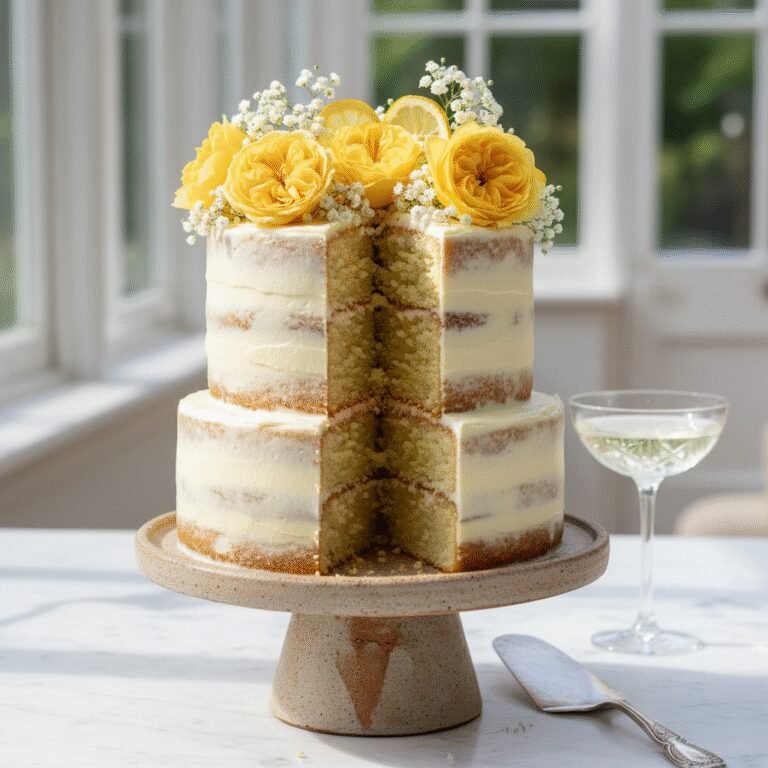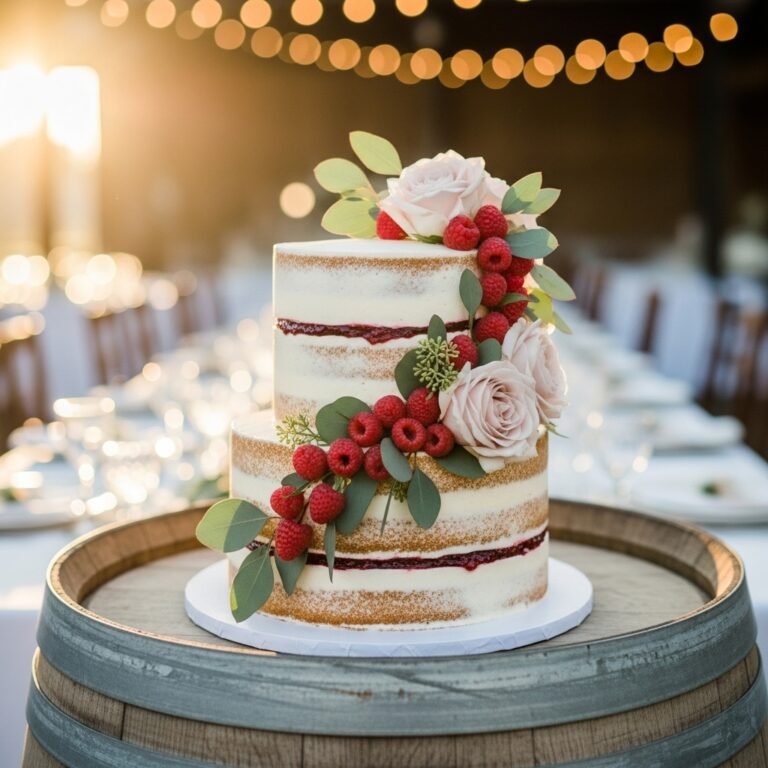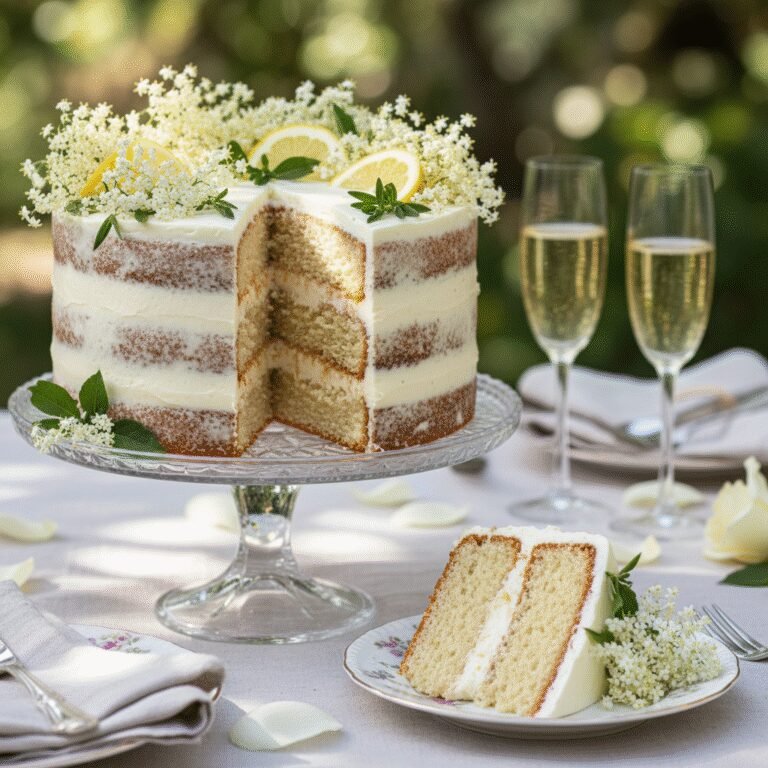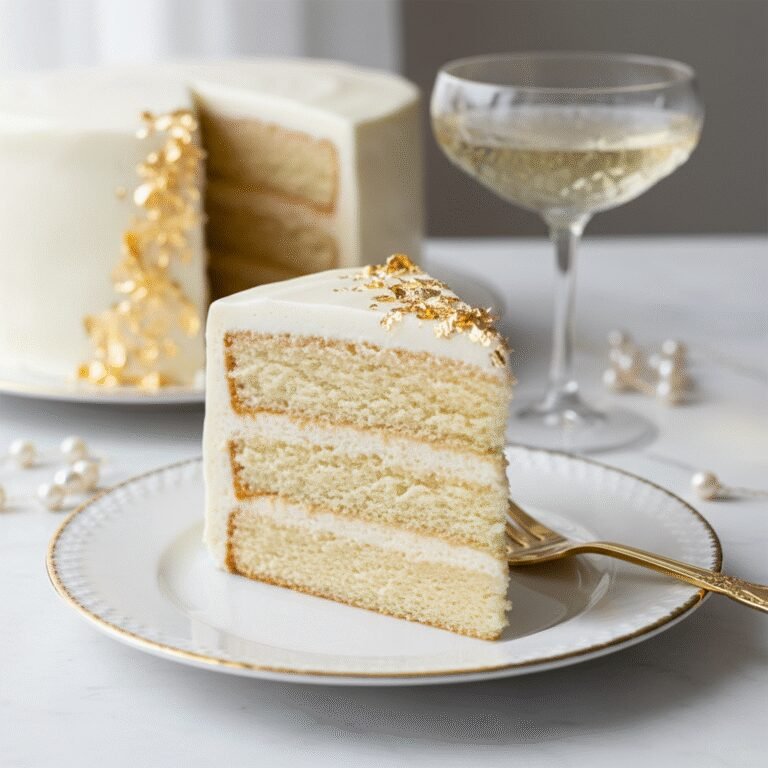
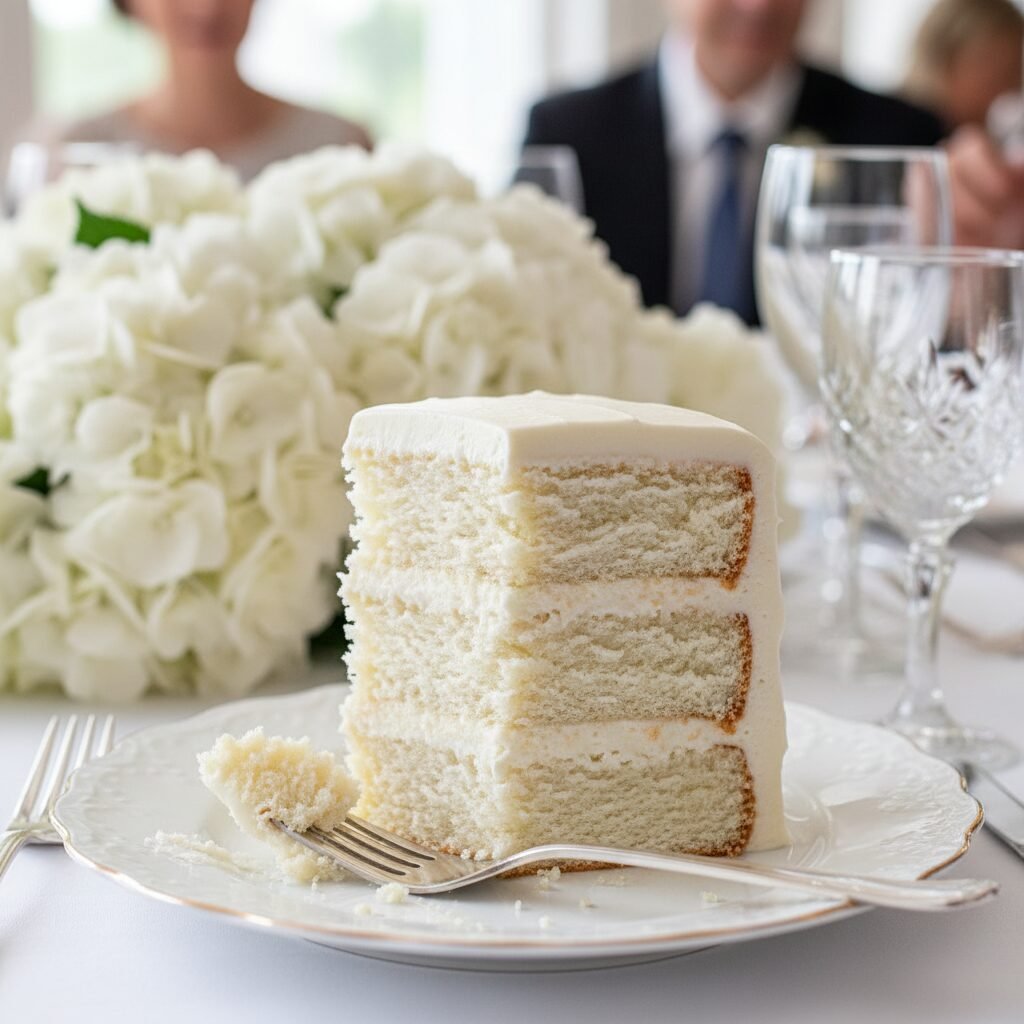
The Ultimate Elegant Almond Wedding Cake with Velvety Amaretto Buttercream
Elegant Almond Wedding Cake Recipe
This is the quintessential white wedding cake recipe you’ve been searching for—boasting a tender, melt-in-your-mouth crumb and the distinct, nostalgic aroma of sweet almond. Perfect for special occasions, this bakery-style cake pairs a moist white sponge with a silky, sophisticated Amaretto Swiss Meringue Buttercream.
1 hour
35 minutes
3 hours (includes cooling)
3 8-inch round cakes (approx. 24 servings)
Dessert
Baking
American / European
Vegetarian
There is something undeniably magical about the flavor of a traditional wedding cake. It isn’t just vanilla; it is a complex, aromatic profile defined by the sweet, floral notes of almond. For many, that specific scent triggers memories of celebration, elegance, and love. This Elegant Almond Wedding Cake recipe is designed to recreate that high-end bakery experience right in your own kitchen. Unlike standard sponge cakes that can be airy and dry, this recipe produces a ‘high-ratio’ cake—meaning the sugar and fat content is high enough to inhibit gluten formation, resulting in a texture that is incredibly velvety, dense, and moist. It possesses that signature tight crumb that looks flawless when sliced, yet dissolves instantly on the tongue.
What sets this cake apart is the balance of flavors. We utilize both pure vanilla bean paste and high-quality almond emulsion to achieve a depth of flavor that is sweet but not cloying. The almond provides a sophisticated backdrop that elevates the cake from a simple birthday treat to a centerpiece worthy of a black-tie event. Topped with a silky Swiss Meringue Buttercream infused with a hint of Amaretto liqueur, every bite is a study in texture and taste. Whether you are actually baking for a wedding, a bridal shower, or simply craving a slice of luxury, this recipe delivers professional-grade results that are surprisingly achievable for the home baker. Prepare to impress your guests with a dessert that looks as stunning as it tastes.
History & Origins
The history of the wedding cake is as rich and layered as the confection itself, dating back to antiquity. In Ancient Rome, the tradition involved breaking a loaf of barley bread over the bride’s head to symbolize fertility and good fortune. Guests would then scramble to gather the falling crumbs for their own luck. By the Medieval period in England, this evolved into a tradition where guests brought small spiced buns and stacked them in a high pile; if the bride and groom could kiss over the tower without knocking it over, a lifetime of prosperity was guaranteed. This practice eventually inspired the tiered cakes we recognize today.
The specific iteration of the ‘white wedding cake’ became a status symbol during the Victorian era. Before refined sugar was affordable, white icing was incredibly expensive to produce. When Queen Victoria wed Prince Albert in 1840, her cake was adorned with pure white icing, creating the term ‘Royal Icing’ and establishing white cake as a symbol of purity and immense wealth. The almond flavor profile, specifically, has deep roots in European baking, particularly in France and Italy where ground almonds and marzipan were prized ingredients for celebratory feasts. In the American South, the almond-scented white cake became a staple of high society weddings, often distinct from the darker, fruit-heavy ‘groom’s cake.’ Today, the almond wedding cake remains a timeless classic, bridging the gap between the heavy fruitcakes of the past and the lighter sponges of the modern era, representing the perfect marriage of tradition and taste.
Why This Recipe Works
This recipe succeeds where many others fail because it meticulously balances moisture, structure, and flavor intensity. First, we use the ‘reverse creaming’ method (or a modified version thereof) combined with a high ratio of sugar to flour. By coating the flour proteins in fat before adding the liquid, we minimize gluten development. This is the secret to that ‘velvety’ texture that feels like a professional bakery cake rather than a coarse homemade muffin.
Secondly, the inclusion of sour cream is non-negotiable. Sour cream adds fat and acidity; the acidity tenderizes the gluten strands, while the thick consistency ensures the batter can support the sugar without collapsing. We also use exclusively egg whites, rather than whole eggs. This preserves the pristine white color of the crumb and provides a specific protein structure that is sturdy enough for stacking tiers but light enough to remain delicate. Finally, we use almond emulsion instead of standard extract. Emulsions are bake-stable, meaning the flavor won’t evaporate in the heat of the oven, ensuring that the aromatic almond profile remains potent and fragrant in the final slice. The Swiss Meringue Buttercream is chosen over American buttercream because it is less sweet and far smoother, allowing the almond flavor to shine without inducing a sugar toothache.
Why You’ll Love This Recipe
- ✓Bakery-style tight crumb texture that is dense yet moist.
- ✓Pure white color perfect for elegant occasions.
- ✓Stable structure suitable for stacking multiple tiers.
- ✓Intense, bake-stable almond flavor using emulsion.
- ✓Silky, non-gritty Swiss Meringue Buttercream frosting.
- ✓Stays fresh and moist for days due to high fat content.
Equipment You’ll Need
- ✓Stand mixer with paddle and whisk attachments
- ✓Three 8-inch round cake pans
- ✓Parchment paper
- ✓Kitchen scale (highly recommended)
- ✓Rubber spatula
- ✓Offset spatula
- ✓Cake turntable
- ✓Bench scraper
- ✓Wire cooling racks
Ingredients
- ✓3 1/2 cups (420g) Cake flour, sifted
- ✓1 tbsp Baking powder
- ✓1/2 tsp Baking soda
- ✓1 tsp Salt
- ✓1 cup (226g) Unsalted butter, room temperature
- ✓2 cups (400g) Granulated white sugar
- ✓6 large Egg whites, room temperature
- ✓1/2 cup (120ml) Vegetable oil (for moisture)
- ✓1 tbsp Almond emulsion (preferred) or pure almond extract
- ✓2 tsp Vanilla bean paste
- ✓1 cup (240g) Full-fat sour cream, room temperature
- ✓1/2 cup (120ml) Whole milk, room temperature
- ✓FOR THE FROSTING: 6 large Egg whites
- ✓2 cups (400g) Granulated sugar
- ✓2 cups (452g) Unsalted butter, cubed and cool room temp
- ✓1/4 tsp Salt
- ✓1 tbsp Amaretto liqueur (optional) or 1 tsp Almond extract
Instructions
- 1. Preheat your oven to 340°F (170°C). Grease three 8-inch cake pans with butter, line the bottoms with parchment paper, and grease the paper. Dust with flour and tap out excess.
- 2. In a medium bowl, sift together the cake flour, baking powder, baking soda, and salt. Set aside.
- 3. In the bowl of a stand mixer fitted with the paddle attachment, beat the 1 cup of butter on medium-high speed until creamy. Gradually add the 2 cups of sugar and beat for 3-4 minutes until pale and fluffy.
- 4. Reduce speed to medium and slowly drizzle in the vegetable oil, beating until fully incorporated.
- 5. In a separate small bowl, whisk together the egg whites, almond emulsion, and vanilla paste. With the mixer on low, add the egg white mixture to the butter mixture in 3 additions, scraping down the bowl between each.
- 6. In a measuring cup, whisk together the sour cream and milk until smooth.
- 7. With the mixer on the lowest speed, add the dry ingredients alternately with the sour cream mixture, beginning and ending with the dry ingredients (3 additions of dry, 2 of wet). Mix only until just combined. Do not overmix.
- 8. Divide the batter evenly among the prepared pans (use a scale for accuracy). Smooth the tops with an offset spatula.
- 9. Bake for 30-35 minutes, or until a toothpick inserted into the center comes out clean or with just a few moist crumbs. The cakes should remain pale.
- 10. Allow cakes to cool in pans for 10 minutes, then turn out onto wire racks to cool completely before frosting.
- 11. FOR THE BUTTERCREAM: Whisk egg whites and sugar in the heatproof bowl of a stand mixer. Place over a pot of simmering water (double boiler). Whisk constantly until sugar is dissolved and mixture reaches 160°F.
- 12. Transfer bowl to stand mixer fitted with whisk attachment. Whip on high speed until stiff peaks form and the bowl feels cool to the touch (about 10-15 minutes).
- 13. Switch to the paddle attachment. On low speed, add the cubed butter one piece at a time, mixing until smooth and silky. If it looks curdled, keep mixing; it will come together.
- 14. Add salt and Amaretto (or almond extract) and mix on low for 2 minutes to eliminate air bubbles.
- 15. Assemble the cake by spreading a layer of frosting between each cake round. Coat the exterior in a crumb coat, chill for 20 minutes, then apply the final layer of buttercream.
Expert Cooking Tips
- ✓Ingredients Temperature: It is absolutely critical that your butter, sour cream, milk, and eggs are at room temperature. Cold ingredients will cause the batter to curdle and the cake to bake unevenly.
- ✓Weigh Your Flour: For the most precise texture, use a kitchen scale. If using cups, spoon and level the flour; never scoop directly from the bag.
- ✓Don’t Overmix: Once the flour is added, mix gently. Overmixing develops gluten, which will turn your tender wedding cake into a tough bread.
- ✓Use Clear Vanilla: If you want a stark white cake, use clear vanilla extract. Vanilla bean paste adds flavor specks, which are delicious but visible.
- ✓The Crumb Coat: Never skip the crumb coat (a thin layer of frosting to seal in crumbs). It ensures your final layer looks professional and clean.
- ✓Baking Strips: If you have them, use damp baking strips around your pans to ensure flat tops, minimizing waste when leveling the cakes.
Substitutions and Variations
If you cannot find cake flour, you can make a substitute by removing 2 tablespoons of all-purpose flour from every cup and replacing it with cornstarch, sifting several times. However, true cake flour yields better results. For a dairy-free version, use high-quality plant-based butter sticks and a dairy-free sour cream alternative (coconut-based works well), though the texture may vary slightly. If you wish to avoid alcohol, simply omit the Amaretto in the frosting and increase the almond extract slightly. For the vegetable oil, any neutral oil like canola or grapeseed works perfectly; do not use olive oil as the flavor is too strong. If you prefer a lighter frosting, a standard American buttercream or a whipped ganache can be used, though the Swiss Meringue described offers the most elegant mouthfeel.
Common Mistakes to Avoid
The most common mistake is rushing the cooling process for the frosting. When making Swiss Meringue Buttercream, if you add the butter while the meringue is still warm, the butter will melt, and you will end up with a soupy mess. If this happens, put the bowl in the fridge for 15 minutes and whip again. Another mistake is opening the oven door too early; this releases heat and can cause the cake to sink in the middle. Trust your timer and only check when you are near the end of the baking time. Finally, failing to scrape down the bowl during mixing often results in streaks of unmixed butter or flour in the batter, creating hard or raw spots in the baked cake.
Serving Suggestions
This cake is rich and flavorful enough to be served on its own, but it pairs beautifully with fresh berries to cut through the sweetness. Raspberries or strawberries macerated in a little sugar and lemon juice make a wonderful accompaniment. For a truly elegant wedding presentation, garnish the cake with fresh, organic edible flowers (like roses or pansies) or piping intricate buttercream rosettes. Serve with a glass of champagne, a dry Prosecco, or a robust coffee to balance the sweet almond profile.
Storage and Reheating Tips
Store the frosted cake at room temperature for up to 2 days if the climate is cool (below 70°F). The butter and sugar content acts as a preservative. For longer storage, refrigerate the cake for up to 5 days, but allow it to come to room temperature for at least 2-3 hours before serving; cold buttercream is waxy and hard, and the flavor will be muted. You can freeze individual cake layers (wrapped tightly in plastic wrap) for up to 3 months. You can also freeze the fully frosted cake or slices; just flash freeze them uncovered until hard, then wrap tightly.
Nutrition Facts (Estimated)
| Serving Size | 1 slice |
| Calories | 650 |
| Fat | 34g |
| Saturated Fat | 21g |
| Unsaturated Fat | 11g |
| Trans Fat | 0g |
| Cholesterol | 95mg |
| Sodium | 280mg |
| Carbohydrates | 78g |
| Fiber | 1g |
| Sugar | 45g |
| Protein | 6g |
Frequently Asked Questions
Can I make this cake ahead of time?
Yes! In fact, the flavor often improves the next day. You can bake the layers, wrap them tightly in plastic wrap, and freeze them for up to a month. Thaw them in the fridge before stacking and frosting.
Why did my cake sink in the middle?
This usually happens if the oven door was opened too early, the leavening agents (baking powder/soda) were expired, or the batter was over-beaten, incorporating too much air that collapsed during baking.
What is the difference between almond extract and almond emulsion?
Almond extract is alcohol-based and can evaporate during baking, losing flavor. Almond emulsion is water-based and suspended in a thickener, making it ‘bake-stable’ so the flavor remains strong after high heat.
Can I use all-purpose flour instead of cake flour?
You can, but the cake will be denser and more bread-like. Cake flour has a lower protein content, which is essential for that tender, melt-in-your-mouth wedding cake texture.
My buttercream looks curdled! What do I do?
Keep whipping! Swiss Meringue Buttercream often goes through a ‘curdled’ stage right before it comes together. If it’s too cold, warm the bowl slightly with a hair dryer or warm towel while mixing. If it’s too warm/soupy, chill it for 15 minutes.
Can I turn this into cupcakes?
Yes. This recipe will make approximately 24-30 cupcakes. Bake them at 350°F for 18-22 minutes.
Is this cake suitable for fondant?
Absolutely. This cake is sturdy enough to support the weight of fondant. Chill the buttercream-frosted cake until firm before draping the fondant over it.
How do I get my cake layers perfectly flat?
Use ‘cake strips’ (fabric strips soaked in water) wrapped around the outside of the pan. This cools the edges, preventing them from cooking faster than the center, resulting in a flat rise.
Conclusion
Creating an elegant almond wedding cake at home is a labor of love that pays off in every delicious bite. By using high-quality ingredients like almond emulsion and taking the time to whip up a genuine Swiss Meringue Buttercream, you elevate a simple dessert into a memorable experience. This recipe offers the perfect balance of density and tenderness, with a flavor that is sophisticated and timeless. Whether you are celebrating a nuptial union or simply the joy of baking, this cake promises to be a showstopper that guests will talk about long after the last crumb is gone. Happy baking!