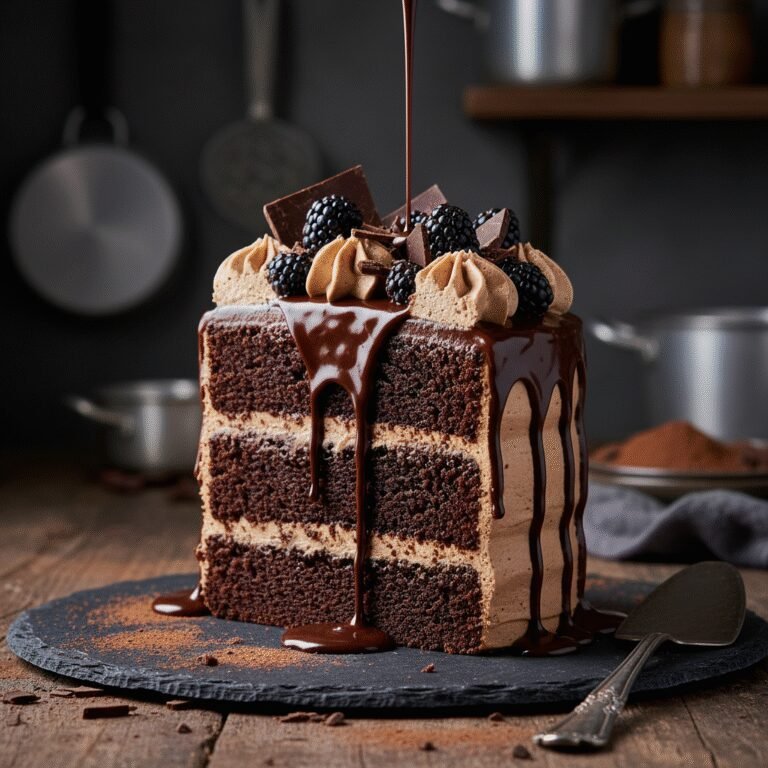

The Ultimate Tall Tres Leches Cake: A Sky-High Two-Layer Delight
Tall Tres Leches Cake Two Layer Cake Recipe
Elevate the classic Latin American dessert with this show-stopping Tall Tres Leches Cake. Featuring two airy layers of sponge cake soaked in a sweet three-milk syrup and frosted with stabilized whipped cream, this recipe transforms the traditional sheet cake into a magnificent centerpiece.
45 minutes
30 minutes
5 hours (includes chilling)
12-14 servings
Dessert
Baking
Latin American / Fusion
Vegetarian
There are few desserts as universally beloved as Tres Leches cake, but for decades, it has been relegated to the humble 9×13 baking dish. While the traditional sheet cake format is delicious, it often lacks the dramatic presentation required for birthdays, anniversaries, and special celebrations. Enter the Tall Tres Leches Cake: a two-layer architectural marvel that defies gravity while maintaining that signature ‘melt-in-your-mouth’ moisture that defines the genre. This recipe is not just about stacking cakes; it is about re-engineering the classic sponge to withstand the weight of the milk soak without collapsing into a soggy mess.
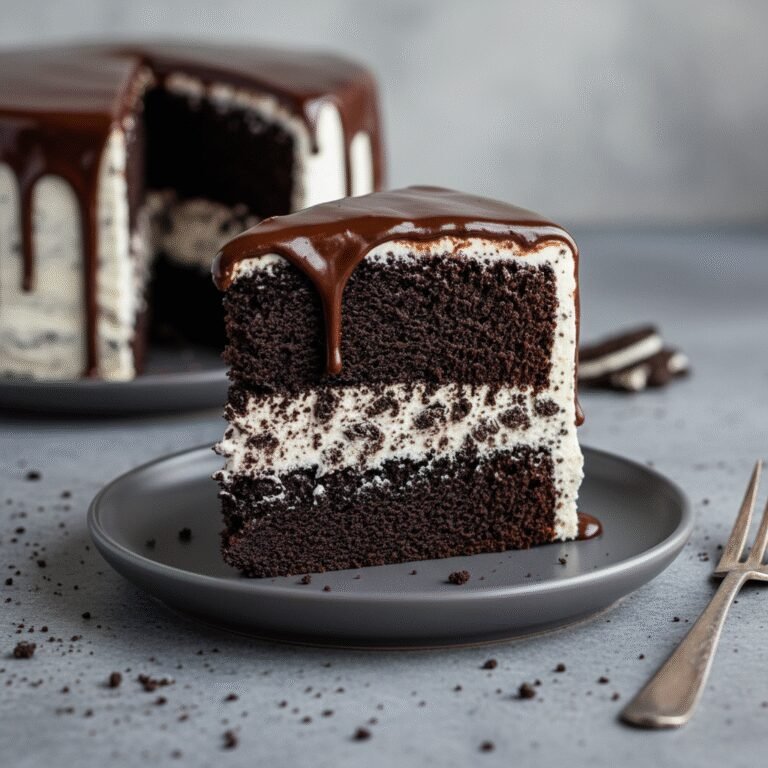
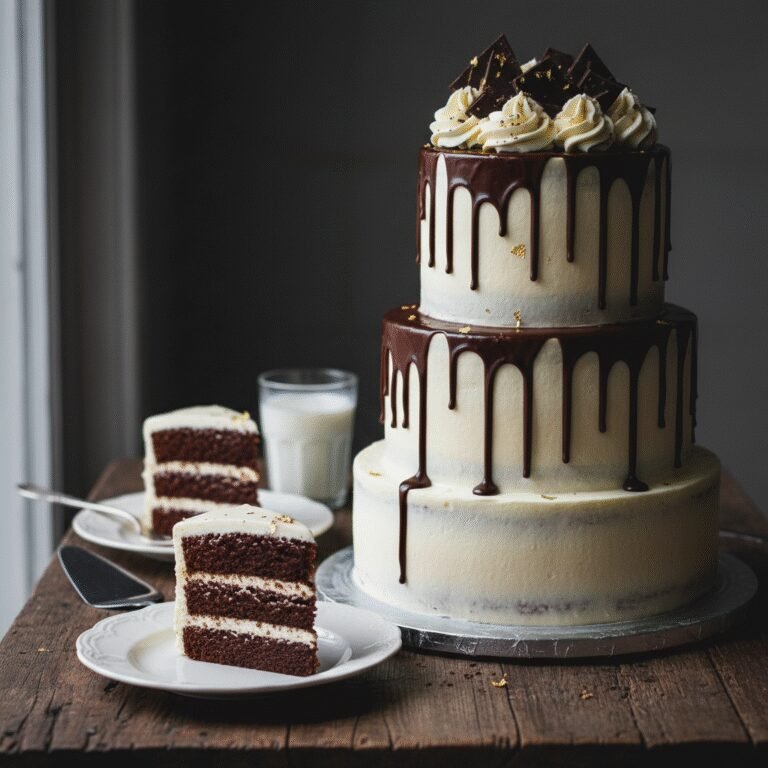
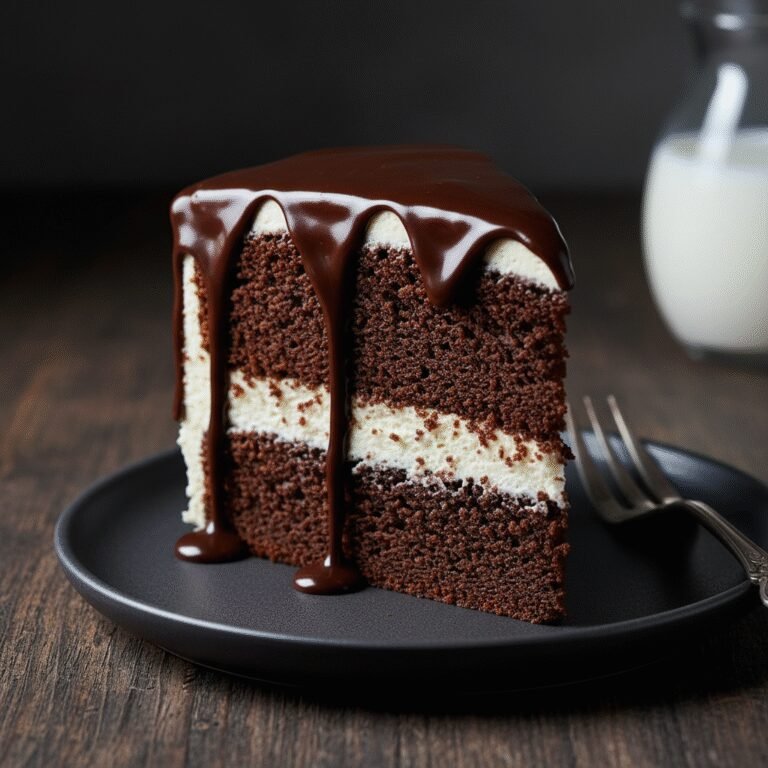
When you slice into this tall cake, you are greeted with beautiful, distinct layers of pale yellow sponge, glistening with sweet milk, separated by a cloud-like layer of whipped cream. The flavor profile is a nostalgic embrace of vanilla, sweetened condensed milk, and a hint of cinnamon, reminiscent of the best horchata you’ve ever tasted. Unlike the sheet version, which can sometimes become uniform in texture, this two-layer version offers a delightful contrast between the soaked interior and the slightly sturdier edges required for stacking. It is creamy, dreamy, and incredibly rich, yet the airy texture of the sponge prevents it from feeling heavy. This is the dessert you make when you want to impress not just with flavor, but with sheer presence.
History & Origins
The history of Tres Leches (Three Milks) cake is a fascinating journey through culinary evolution and corporate marketing. While the cake is inextricably linked to Latin American cuisine—particularly popular in Mexico, Nicaragua, Cuba, Puerto Rico, and Guatemala—its roots can be traced back to medieval Europe. The concept of soaking cake in liquid was likely influenced by the English trifle or the Italian tiramisu, where stale cake or biscuits were revived with sherry, wine, or custard. As European colonization reached the Americas, these techniques blended with local ingredients.
The specific iteration known as ‘Tres Leches’ likely emerged in the 19th century, but it gained massive popularity in the mid-20th century. Food historians often point to the 1940s, when canned milk companies like Nestlé began printing the recipe on the labels of evaporated and sweetened condensed milk cans to boost sales in Latin America. The widespread availability of canned milk, which was shelf-stable and affordable, allowed the recipe to permeate households across the region. Over the decades, it has evolved from a simple home-baked treat into a gourmet dessert found in high-end restaurants. This ‘Tall’ variation is a modern American twist, adapting the traditional soaked technique to the Western preference for towering, celebratory layer cakes.
Why This Recipe Works
Making a Tres Leches cake stand tall is a feat of baking engineering. Traditional butter cakes are too dense to absorb the liquid properly, while standard angel food cakes are too fragile to hold the weight of a second layer once soaked. This recipe works because it utilizes a specific type of sponge cake known as a Genoise or a separated-egg sponge. By whipping the egg whites to stiff peaks and folding them into the batter, we create a structural matrix of air bubbles. When the cake bakes, these bubbles set, creating a porous network that acts like a sponge.
Furthermore, this recipe carefully calibrates the ratio of the ‘Tres Leches’ soaking liquid. In a sheet pan, you can drown the cake because the pan sides hold it together. For a freestanding layer cake, we reduce the liquid volume slightly to ensure the cake remains structural. We also use a stabilized whipped cream frosting—reinforced with mascarpone or gelatin—which acts as a mortar, holding the layers firmly in place and preventing the dreaded ‘slide’ that can occur with slippery, wet cakes. The result is a cake that is thoroughly moist but structurally sound.
Why You’ll Love This Recipe
- ✓Impressive two-layer presentation perfect for celebrations.
- ✓Light and airy sponge that absorbs milk without disintegrating.
- ✓Perfectly balanced sweetness, not cloying.
- ✓Stabilized whipped cream frosting that holds its shape.
- ✓Can be made ahead of time, improving flavor overnight.
Equipment You’ll Need
- ✓Two 8-inch or 9-inch round cake pans
- ✓Stand mixer or electric hand mixer
- ✓Large mixing bowls
- ✓Rubber spatula
- ✓Whisk
- ✓Parchment paper
- ✓Serrated knife
- ✓Offset spatula
- ✓Bamboo skewer or fork
- ✓Cake turntable (optional)
Ingredients
- ✓1 cup all-purpose flour
- ✓1 1/2 teaspoons baking powder
- ✓1/4 teaspoon salt
- ✓5 large eggs, separated, room temperature
- ✓1 cup granulated sugar, divided
- ✓1 teaspoon vanilla extract
- ✓1/3 cup whole milk
- ✓1 (14 ounce) can sweetened condensed milk
- ✓1 (12 ounce) can evaporated milk
- ✓1/2 cup heavy whipping cream (for the soak)
- ✓2 cups heavy whipping cream (for frosting)
- ✓1/4 cup powdered sugar
- ✓1 teaspoon vanilla extract (for frosting)
- ✓Fresh berries (strawberries, raspberries) for garnish
- ✓Ground cinnamon for dusting
Instructions
- Preheat your oven to 350°F (175°C). Grease two 8-inch or 9-inch round cake pans and line the bottoms with parchment paper. Do not grease the sides of the pans; this helps the sponge climb.
- In a medium bowl, whisk together the flour, baking powder, and salt. Set aside.
- Separate the eggs. Place the yolks in a large bowl and the whites in the bowl of a stand mixer.
- Beat the egg yolks with 3/4 cup of the granulated sugar on high speed until they are pale yellow and creamy (about 2-3 minutes). Stir in the milk and 1 teaspoon vanilla extract.
- Clean your beaters thoroughly. Whip the egg whites on high speed until soft peaks form. Gradually add the remaining 1/4 cup sugar and continue whipping until stiff, glossy peaks form.
- Gently fold the flour mixture into the egg yolk mixture until just combined. Do not overmix.
- Carefully fold the beaten egg whites into the batter in three batches. Use a gentle under-and-over motion to preserve the air bubbles.
- Divide the batter evenly between the two prepared pans. Smooth the tops.
- Bake for 25-30 minutes, or until a tester inserted into the center comes out clean and the cakes spring back when touched.
- Let the cakes cool in the pans for 10 minutes, then run a knife around the edges to release. Invert onto a wire rack to cool completely.
- While cakes cool, whisk together the sweetened condensed milk, evaporated milk, and 1/2 cup heavy cream in a pitcher.
- Once cakes are cool, slice the very top skin off each cake to level them and open the pores. Place one cake layer back into a clean cake pan (or a deep serving platter).
- Using a skewer or fork, poke holes all over the cake. Slowly pour half of the milk mixture over the cake, focusing on the center and avoiding the very edges to keep the structure intact.
- Soak the second layer in a separate dish or pan with the remaining liquid. Cover both and refrigerate for at least 2 hours (overnight is best) to allow absorption.
- To assemble, whip the 2 cups of heavy cream with powdered sugar and vanilla until stiff peaks form.
- Place the bottom soaked layer on a serving platter. Spread a layer of whipped cream on top. Carefully place the second soaked layer on top.
- Cover the entire cake with the remaining whipped cream. Garnish with fresh berries and a dusting of cinnamon.
- Keep refrigerated until ready to serve.
Expert Cooking Tips
- ✓Ensure your mixing bowl for the egg whites is completely free of grease or yolk, otherwise, they won’t whip properly.
- ✓Do not grease the sides of the cake pans; the batter needs to cling to the sides to rise tall.
- ✓Be extremely gentle when folding the egg whites into the batter. Deflating the whites results in a dense, rubbery cake.
- ✓Allow the cakes to cool completely before soaking. Soaking a hot cake can make it mushy.
- ✓When soaking, pour slowly. Give the sponge time to drink up the milk before adding more.
- ✓If you are worried about stability, insert a few bubble tea straws or dowels into the bottom layer before stacking.
- ✓Chill the assembled cake for an hour before slicing to help the frosting set.
Substitutions and Variations
This recipe is quite adaptable depending on your dietary needs or pantry staples. For the flour, cake flour can be used instead of all-purpose for an even tenderer crumb, though it is more fragile. If you need a gluten-free option, a high-quality 1:1 gluten-free flour blend usually works well, provided it contains xanthan gum. For the soaking liquid, you can substitute the heavy cream with whole milk or even coconut milk for a tropical twist. If you want a ‘Cuatro Leches’ cake, substitute the cream in the soak with Dulce de Leche. For the frosting, if you prefer something more stable than plain whipped cream, you can fold in 4 ounces of softened mascarpone cheese or cream cheese into the whipped cream; this adds a lovely tang and structural integrity.
Common Mistakes to Avoid
The most common mistake is rushing the soaking process. If you pour the milk too fast, it pools at the bottom and leaves the top dry. Another major pitfall is over-mixing the batter after adding the flour or egg whites; this knocks out the air and leads to a dense, flat pancake rather than a tall sponge. Avoid soaking the cake all the way to the absolute edge; leaving a half-inch rim of ‘drier’ cake helps the layers hold their shape when stacked. Finally, do not try to stack the cakes immediately after soaking. The sponge needs time in the fridge to firm up as the liquids distribute and chill.
Serving Suggestions
Serve this Tall Tres Leches Cake chilled. It is incredibly rich, so thin slices are often sufficient. It pairs beautifully with a hot cup of dark roast coffee or espresso to cut through the sweetness of the condensed milk. Fresh fruit is almost mandatory to provide an acidic contrast; strawberries, raspberries, mango slices, or kiwi are excellent choices. For an extra touch of elegance, drizzle a little bit of Dulce de Leche or caramel sauce over the slice right before serving, or sprinkle with toasted coconut flakes.
Storage and Reheating Tips
Because of the dairy content, this cake must be kept refrigerated. It is best stored in a cake carrier or an airtight container to prevent it from absorbing fridge odors. The cake will stay fresh for up to 3-4 days. In fact, many people find it tastes better on the second day as the flavors meld. Freezing is possible but not ideal for the assembled cake. If you must freeze, freeze the baked sponge layers wrapped in plastic wrap before soaking. Thaw, then soak and frost fresh. If freezing leftovers, the texture of the whipped cream may change slightly upon thawing.
Nutrition Facts (Estimated)
| Serving Size | 1 slice |
| Calories | 480 |
| Fat | 22g |
| Saturated Fat | 14g |
| Unsaturated Fat | 7g |
| Trans Fat | 0.5g |
| Cholesterol | 145mg |
| Sodium | 180mg |
| Carbohydrates | 58g |
| Fiber | 0g |
| Sugar | 38g |
| Protein | 9g |
Frequently Asked Questions
Why did my cake collapse when I stacked it?
This usually happens if the cake is over-soaked or if the sponge was too delicate (under-baked). Ensure you leave a small rim unsoaked and allow the cakes to chill thoroughly before stacking.
Can I make this cake in advance?
Yes, absolutely! Tres Leches is actually better when made a day in advance because the milk has time to fully permeate the crumb. Assemble it the day before serving.
My egg whites won’t whip up. What happened?
You likely got a trace of yolk in the whites or your bowl was greasy. Egg whites need a perfectly clean environment to reach stiff peaks.
Can I use boxed cake mix?
You can, but boxed mixes (usually butter-based) tend to turn to mush when soaked this heavily. If you use a box mix, look for a ‘sponge’ or ‘angel food’ variation, or bake it until it’s very dry.
How do I transport this cake?
Transporting a tall soaked cake is risky. Use a cake box with a sturdy base, keep the car cool, and consider inserting a center dowel for safety.
Is this cake soggy?
It should be moist and saturated, like a pudding-cake hybrid, but not disintegrating. The texture is similar to tiramisu.
Can I add alcohol to the soak?
Yes! A splash of rum, brandy, or Kahlua in the milk mixture is a traditional and delicious addition.
Why is my whipped cream runny?
You may have under-whipped it, or the environment is too hot. Ensure your cream is ice cold before whipping. Adding a tablespoon of instant pudding mix or stabilized gelatin can help it hold up.
Can I use low-fat milk?
Technically yes, but the cake will lack richness and may taste watery. The fat in the condensed and evaporated milk is crucial for the texture.
What size eggs should I use?
Use large eggs (approx 50g each). The ratio of egg to flour is critical for the sponge structure.
Conclusion
Creating a Tall Tres Leches Cake is a rewarding challenge that takes a humble home-style dessert and turns it into a bakery-worthy masterpiece. The height adds a sense of drama and elegance, while the classic flavors ensure it remains a comfort food at heart. Whether you are celebrating a birthday, a holiday, or just the joy of baking, this two-layer beauty is guaranteed to be the star of the table. So, separate those eggs, whip up that cream, and get ready to enjoy the most luscious, milky, and magnificent cake you’ve ever tasted.