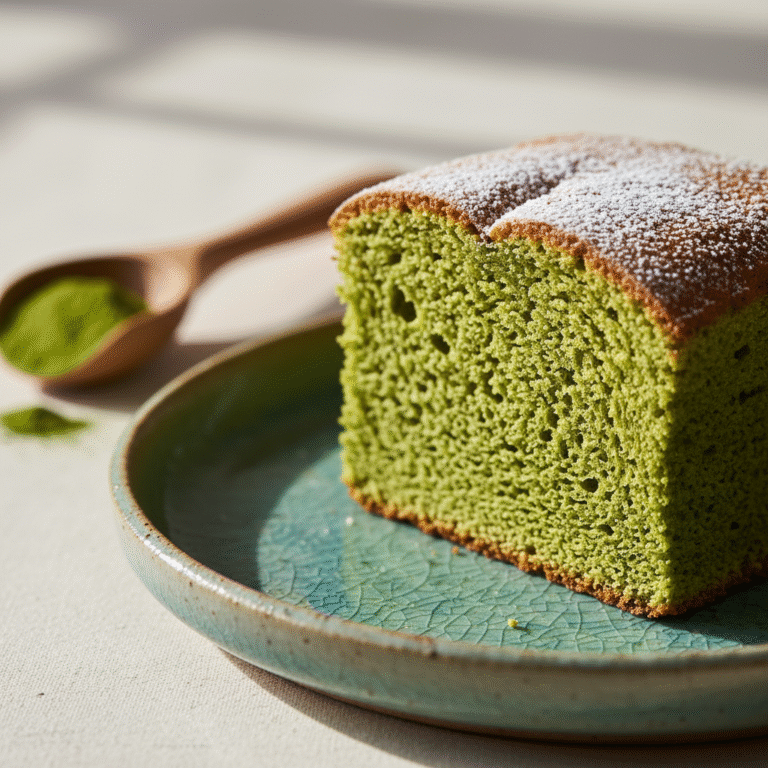

The Ultimate Authentic Italian Panettone: A Labor of Love for Christmas
Classic Italian Panettone Cake Recipe
Experience the magic of Milanese Christmas with this authentic Italian Panettone recipe. This towering, cloud-like sweet bread is studded with candied citrus and raisins, offering a buttery, melt-in-your-mouth texture that is worth every minute of effort.
2 hours
50 minutes
24 hours (includes rising time)
1 large Panettone (1kg)
Dessert
Baking
Italian
Vegetarian
There is perhaps no baking project more legendary, intimidating, or rewarding than the classic Italian Panettone. Walking into an Italian bakery in December is a sensory experience like no other; the air is thick with the scent of vanilla, fermentation, and sweet citrus. But recreating that experience at home? That is the holy grail of holiday baking. This isn’t just a fruit cake; it is a masterpiece of culinary engineering. A true Panettone is characterized by its domed top, its incredibly shredded, cotton-candy-like interior structure, and a flavor profile that balances rich butter with the tang of fermentation and the brightness of candied orange peel. Unlike the dense, dry versions often found in grocery store boxes, a homemade Panettone is ethereal—light as air yet rich as brioche.
In this comprehensive guide, we are moving away from ‘quick’ hacks and embracing the slow, meditative process that defines authentic Italian baking. We will be using a pre-ferment method that mimics the traditional ‘lievito madre’ (mother dough) without requiring you to maintain a starter for months beforehand. This recipe is a commitment, spanning two days, but the result is a showstopping centerpiece that will redefine your holiday traditions. Whether you are gifting this to a loved one or slicing it for breakfast on Christmas morning with a dollop of mascarpone cream, the pride you will feel when you hang this loaf upside down to cool is indescribable. Let’s dive into the science, the history, and the art of the perfect Panettone.
History & Origins
The history of Panettone is as rich and layered as the dough itself, steeped in the folklore of Milan, Italy. While its exact origins are debated, the most romantic and enduring legend dates back to the 15th century at the court of Ludovico il Moro, the Duke of Milan. The story goes that during a lavish Christmas Eve banquet, the court chef burned the dessert intended for the Duke. In a panic, a young scullery boy named Toni offered up his own humble creation: a sweet bread made from leftover dough, enriched with butter, sugar, raisins, and candied fruit. The Duke and his guests were enraptured by the unique shape and exquisite taste. When the Duke asked for the name of this delicacy, the chef replied, ‘L’è ‘l pan del Toni’ (It is Toni’s bread). Over time, ‘Pan de Toni’ evolved into ‘Panettone’.
Historically, wheat was a precious commodity, and white bread was a luxury reserved for the wealthy or for special religious occasions. By the 18th century, Panettone had established itself as the signature Christmas sweet of the Milanese region. However, it wasn’t until the early 20th century that Panettone took on its iconic tall, cupola shape, thanks to two rival bakers: Angelo Motta and Gioacchino Alemagna. Motta revolutionized the process by introducing a triple-rising method (the ‘lievitazione naturale’) and using a tall paper liner (pirottino) to force the dough upwards, creating the vertical, airy structure we recognize today. Today, Panettone is a global symbol of Italian gastronomy, protected by strict production regulations in Italy to ensure authenticity, yet beloved and adapted by bakers worldwide.
Why This Recipe Works
Panettone is notoriously difficult because it requires balancing a very high fat and sugar content with yeast activity. Sugar and fat are hygroscopic and heavy; they weigh down gluten networks and can inhibit yeast. This recipe works because it utilizes a ‘Biga’ or a sponge method—a pre-ferment that builds a robust yeast population and develops flavor before the heavy ingredients are introduced. By allowing a portion of the flour and water to ferment overnight, we create a strong gluten structure and deep, complex acidity that mimics a traditional sourdough starter.
Furthermore, the ingredient incorporation method is crucial. We add the butter and sugar in stages (the ‘bassinage’ technique). If you add all the fat at once, the gluten strands get coated in oil and cannot bond, resulting in a cakey, dense brick. By kneading the dough to full gluten development first and then slowly emulsifying the butter, we ensure the dough retains its elasticity. This elasticity is what allows the gas bubbles to expand massively in the oven without popping, creating those signature long strands when you pull the bread apart. Finally, the cooling method—hanging the loaf upside down—is non-negotiable. The structure is so delicate and rich that if left to cool upright, it would collapse under its own weight. Hanging it sets the structure permanently, ensuring that lofty, airy crumb.
Why You’ll Love This Recipe
- ✓Achieves the authentic ‘shreddable’ texture found in artisan bakeries.
- ✓Uses a simplified overnight sponge method to mimic sourdough complexity.
- ✓Features high-quality candied orange and raisins for a burst of flavor.
- ✓Detailed instructions on the crucial ‘hanging’ cooling process.
- ✓Includes tips for managing high-hydration enriched dough.
- ✓Perfect for holiday gifting or a luxurious Christmas breakfast.
Equipment You’ll Need
- ✓Stand mixer with dough hook attachment (essential)
- ✓Kitchen scale (highly recommended)
- ✓Panettone paper mold (7-inch diameter / 1kg size)
- ✓Long metal skewers or knitting needles (for hanging)
- ✓Large mixing bowls
- ✓Plastic wrap or shower cap
- ✓Instant-read thermometer
- ✓Microplane or zester
Ingredients
- ✓For the Biga (Sponge): 100g Bread Flour (Manitoba flour preferred)
- ✓70ml Warm Water (110°F)
- ✓1/4 tsp Active Dry Yeast
- ✓For the Soak: 150g Golden Raisins
- ✓100g Candied Orange Peel, diced
- ✓2 tbsp Rum or warm water (for soaking)
- ✓For the Final Dough: 400g Bread Flour (High protein is crucial)
- ✓7g (1 packet) Active Dry Yeast
- ✓60ml Warm Milk
- ✓4 Large Eggs (room temperature)
- ✓3 Large Egg Yolks (room temperature)
- ✓150g Granulated Sugar
- ✓1 tsp Vanilla Bean Paste
- ✓1 tbsp Honey
- ✓Zest of 1 Lemon
- ✓Zest of 1 Orange
- ✓1 tsp Fine Sea Salt
- ✓180g Unsalted Butter, softened but not melted, cut into cubes
- ✓All the prepared Biga
Instructions
- 1. Prepare the Biga (Day 1 Evening): In a small bowl, dissolve 1/4 tsp yeast in warm water. Mix in 100g flour until a rough dough forms. Cover tightly and let it ferment at room temperature for 12-16 hours. It should be bubbly and smell slightly alcoholic.
- 2. Soak the Fruit (Day 1 Evening): In a small bowl, combine raisins and candied peel with the rum (or water). Cover and let soak overnight to plump up.
- 3. Activate Yeast (Day 2 Morning): In the bowl of your stand mixer, combine the warm milk, honey, and the packet of yeast. Let sit for 5-10 minutes until frothy.
- 4. Initial Mixing: Add the flour, whole eggs, yolks, sugar, salt, vanilla, zests, and the fermented Biga to the mixer bowl. Using the dough hook, mix on low speed for about 5 minutes until the ingredients are combined.
- 5. Develop Gluten: Increase speed to medium-low and knead for 10-15 minutes. The dough will be sticky, but it must start pulling away from the sides of the bowl and show elasticity. Do not rush this step.
- 6. Incorporate Butter: With the mixer running, add the softened butter one cube at a time. Wait for each piece to be absorbed before adding the next. This process can take 10-15 minutes. The dough will become silky, shiny, and very elastic (windowpane test).
- 7. Add Fruit: Drain the soaked fruit well. Add the fruit to the dough and mix on the lowest speed just until incorporated (about 1 minute). Do not overmix or you will tear the gluten.
- 8. First Rise: Transfer the dough to a large, lightly buttered bowl. Cover and let rise in a warm, draft-free place for 3-4 hours, or until tripled in volume. (The high sugar/fat content slows the yeast, so be patient).
- 9. Shaping: Turn the dough onto a lightly floured surface. Gently fold it over itself a few times to degas slightly and form a smooth ball. Place the dough ball into the Panettone paper mold.
- 10. Second Rise: Cover the mold loosely with plastic wrap. Let rise in a warm place until the dough reaches just below the rim of the mold. This can take 2-4 hours depending on temperature.
- 11. Scoring: Preheat oven to 350°F (175°C). Uncover the dough and let it form a ‘skin’ for 15 minutes. Using a very sharp razor or lame, cut a shallow cross (X) on top of the dome. Place a small pat of cold butter in the center of the cross.
- 12. Baking: Place the mold on a baking sheet on the lower rack of the oven. Bake for 45-55 minutes. If the top browns too quickly, tent with foil after 25 minutes. The internal temperature must reach 195°F (90°C).
- 13. The Hang (Crucial): Remove from oven. Immediately pierce the bottom of the mold with two long skewers (about 1 inch from the bottom). Flip the Panettone upside down and hang it between two heavy cans, chairs, or stacks of books. Let it cool upside down completely for at least 4-6 hours, preferably overnight.
- 14. Serving: Once cool, remove skewers. Slice in tall wedges and serve.
Expert Cooking Tips
- ✓Use ‘Manitoba’ flour or very strong bread flour; all-purpose flour lacks the protein structure to hold the heavy butter and fruit.
- ✓Ensure all ingredients, especially eggs and butter, are truly at room temperature to prevent the dough from breaking.
- ✓Do not rush the butter incorporation; if the dough looks greasy, stop and let it rest for 10 minutes before continuing.
- ✓The windowpane test is essential; you should be able to stretch a piece of dough so thin you can see light through it without it tearing.
- ✓If your kitchen is cold, create a proofing box by placing the dough in the oven (turned off) with a bowl of hot water.
- ✓Weigh your ingredients; volume measurements are too inaccurate for this sensitive recipe.
- ✓Do not skip the hanging step; the cake will collapse into a dense puck if cooled upright.
Substitutions and Variations
While tradition dictates specific ingredients, you can make adjustments based on availability and preference. **Flour:** If you cannot find Italian 00 Manitoba flour, look for the highest protein bread flour available (12-14% protein content). King Arthur Bread Flour is a good US substitute. **Fruit:** Traditional Panettone uses candied citron and orange peel with raisins. However, you can substitute dark chocolate chunks (freeze them before adding so they don’t melt during mixing), dried cranberries, dried apricots, or even pistachios. **Liquor:** Rum is classic for soaking fruit, but Amaretto, Grand Marnier, or simply hot water with orange juice works for a non-alcoholic version. **Yeast:** If you have a sourdough starter, you can use it in place of the Biga, but you will need to adjust rising times significantly as natural leaven is slower. **Dairy:** Whole milk is best, but 2% can work. Do not use skim milk as the fat is needed for tenderness.
Common Mistakes to Avoid
The most common mistake is **under-kneading**. Because the dough is rich and sticky, people often stop mixing before the gluten is fully developed. The dough must pass the windowpane test before adding butter. Another error is **rushing the rise**. Enriched doughs take much longer to rise than lean doughs; go by the volume increase, not the clock. **Overheating the dough** during mixing is also a risk; if using a stand mixer for a long time, the friction can heat the dough. If the dough feels warm, put the bowl in the fridge for 10 minutes. Finally, **skipping the upside-down cooling** is fatal to the texture. Gravity is the enemy of hot Panettone; you must let gravity work for you by hanging it.
Serving Suggestions
Panettone is best served at room temperature to allow the butter to soften. In Italy, it is traditionally eaten for breakfast or as a dessert with a glass of sweet wine like Moscato d’Asti or Prosecco. For an indulgent twist, serve slices with a dollop of ‘Crema al Mascarpone’—a mixture of mascarpone cheese, eggs, and sugar. Leftover Panettone makes the absolute best French Toast you will ever have in your life. You can also use stale slices for a rich bread pudding. A simple dusting of powdered sugar before serving adds a snowy, festive touch.
Storage and Reheating Tips
Because of the high fat and sugar content, Panettone keeps surprisingly well. Keep it wrapped tightly in the original plastic bag or cling film at room temperature. It will stay fresh for up to a week, and the flavors often improve after the first day as the aromas redistribute. Do not refrigerate it, as this will dry out the crumb and make the butter hard. For long-term storage, you can freeze the whole loaf or individual slices wrapped in plastic and then foil for up to 2 months. Thaw at room temperature before serving. If the bread feels slightly stale, toast it lightly to revive the buttery texture.
Nutrition Facts (Estimated)
| Serving Size | 1 slice (approx 80g) |
| Calories | 320 |
| Fat | 14g |
| Saturated Fat | 8g |
| Unsaturated Fat | 5g |
| Trans Fat | 0g |
| Cholesterol | 85mg |
| Sodium | 150mg |
| Carbohydrates | 42g |
| Fiber | 2g |
| Sugar | 18g |
| Protein | 6g |
Frequently Asked Questions
Can I make this without a Panettone mold?
Technically yes, but it won’t look like a Panettone. You can bake it in a deep cake tin lined with parchment paper extending 4-5 inches above the rim (a ‘collar’). A large coffee tin lined with parchment can also work in a pinch.
Why is my dough so sticky?
Panettone dough is a high-hydration enriched dough. It is supposed to be sticky! Do not add extra flour, or the cake will be dry. Rely on the kneading process to build structure.
Can I use instant yeast instead of active dry?
Yes, you can use instant yeast. You do not need to activate it in milk first; just add it directly to the flour. Use about 25% less by weight if substituting.
My Panettone didn’t rise in the oven. Why?
This is usually due to over-proofing (letting it rise too long in the mold) or weak yeast. If the gluten structure weakens too much from over-proofing, it cannot hold the gas.
What if I don’t have hanging skewers?
You can use clean metal knitting needles or even very thin wooden dowels. The key is that they must be strong enough to hold the weight of the cake.
Is candied fruit necessary?
For a ‘Classic’ Panettone, yes. However, many modern versions use chocolate chips (Panettone al Cioccolato) or just raisins. The fruit adds moisture, so if removing it, watch baking time.
Can I halve the recipe?
It is difficult to mix a very small amount of enriched dough effectively in a standard mixer. It is better to make the full batch and gift the second loaf or freeze it.
Why do I need to cut a cross on top?
Scoring the top allows the dough to expand freely and evenly in the oven (oven spring) without tearing randomly. The butter in the center helps keep the cut moist.
Conclusion
Mastering the Classic Italian Panettone is a rite of passage for any serious home baker. It teaches patience, respect for ingredients, and the magic of fermentation. While the process is long, the moments spent smelling the citrus-laced dough and watching it rise in the oven are genuinely joyful. When you finally slice into that tall, golden loaf and see the perfect honeycomb crumb, you’ll understand why this cake has captivated the world for centuries. So, clear your schedule, buy the best butter you can find, and bring a taste of Milan to your kitchen this holiday season. Buon Appetito!