
The Ultimate Fresh Strawberry Lemonade Cake: A Slice of Summer Sunshine
Fresh Strawberry Lemonade Cake Recipe
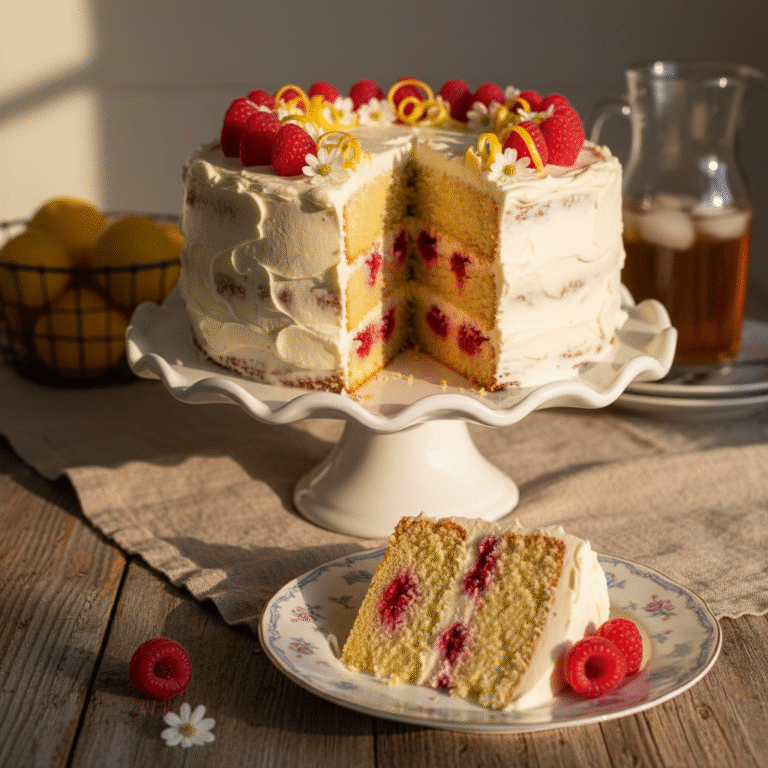
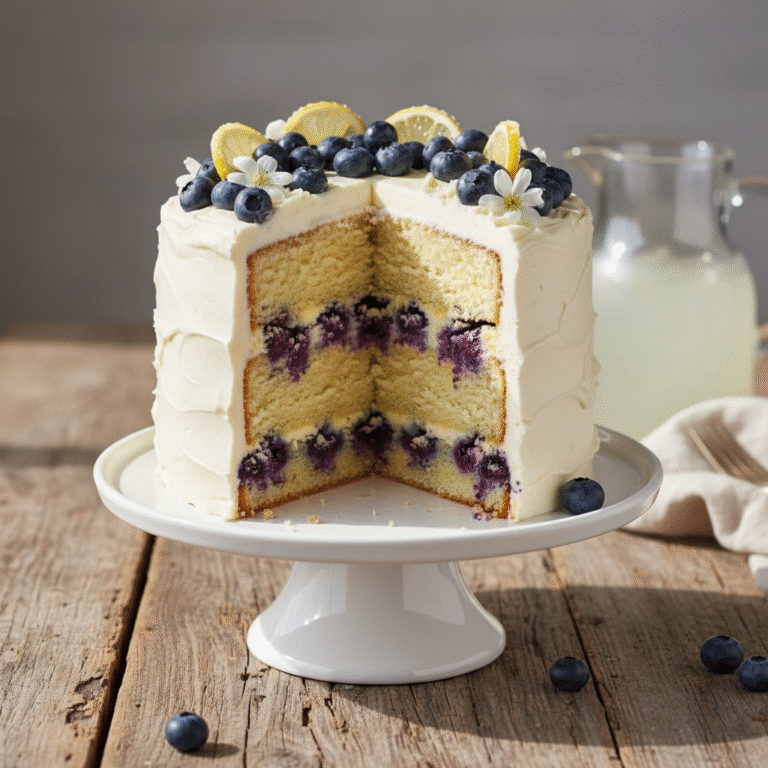
Bursting with the zesty tang of fresh lemons and the sweet allure of ripe strawberries, this Fresh Strawberry Lemonade Cake is the quintessential summer dessert. Perfectly moist lemon cake layers are hugged by a vibrant strawberry reduction buttercream, creating a flavor combination that tastes exactly like a glass of pink lemonade in cake form.
45 minutes
30 minutes
1 hour 45 minutes
12-14 servings
Dessert
Baking
American
Vegetarian
There is something undeniably magical about the combination of strawberries and lemons. It is a pairing that evokes memories of lazy summer afternoons, porch swings, and the refreshing clink of ice cubes in a tall glass of lemonade. This Fresh Strawberry Lemonade Cake captures that exact nostalgia and transforms it into an elegant, show-stopping dessert that is as beautiful to look at as it is delicious to eat. Unlike many fruit-flavored cakes that rely on artificial extracts or boxed gelatin mixes, this recipe celebrates the pure, unadulterated flavors of nature. We start with a lemon cake base that is incredibly tender, thanks to the acidity of buttermilk and fresh lemon juice which break down the gluten strands for a melt-in-your-mouth crumb. But the real star of the show is the strawberry element. We don’t just toss chopped berries into the frosting, which can lead to a weeping, unstable mess. Instead, we create a concentrated strawberry reduction—a ‘liquid gold’ of flavor—that infuses the buttercream with an intense berry punch without compromising its silky texture. As you slice into this cake, the bright yellow layers contrast stunningly with the soft pink frosting, making it a centerpiece worthy of birthdays, bridal showers, or simply a Tuesday night when you need a little sunshine. The aroma alone, filling your kitchen with notes of citrus zest and caramelized sugar, is enough to lift anyone’s spirits. This isn’t just a cake; it is a celebration of the season’s best produce, crafted to bring joy to every single bite.
History & Origins
The concept of ‘lemonade’ as a refreshing beverage has ancient roots, with early versions of lemon-based drinks appearing in medieval Egypt, where a drink called qatarmizat—made with lemons and sugar—was a popular trade item. By the 17th century, lemonade had taken Paris by storm, with vendors known as ‘limonadiers’ selling the drink from tanks strapped to their backs. However, the transformation of these flavors into the cake we know today is a distinctly American evolution, deeply rooted in the Southern baking tradition. The American South has long been famous for its ‘layer cakes,’ a culinary art form that gained prominence in the 19th century with the availability of baking powder and refined sugar. Southern bakers were known for utilizing local, seasonal fruits to flavor their icings and fillings. The ‘Pink Lemonade Cake’ specifically gained popularity in the mid-20th century, often appearing in community cookbooks and state fair competitions. Originally, many of these recipes achieved their pink hue and tart flavor through the use of pink lemonade concentrate or gelatin powder. While these versions hold a nostalgic place in culinary history, the modern gastronomic movement has shifted towards a ‘scratch-baking’ renaissance. Today’s home bakers and pastry chefs prioritize fresh ingredients over convenience products. This shift has led to the reinvention of the classic Pink Lemonade Cake into the Fresh Strawberry Lemonade Cake, replacing dyes and concentrates with fresh zest, juice, and fruit purees. This recipe honors that history by maintaining the classic Southern layer cake structure—tall, proud, and generously frosted—while elevating the flavor profile with the authentic, bright taste of real fruit, bridging the gap between historical comfort food and modern gourmet standards.
Why This Recipe Works
This recipe succeeds where others fail because it meticulously addresses the chemistry of baking with fresh fruit and acidic citrus. First, the lemon cake layers utilize the ‘creaming method’ but with a specific balance of butter and oil. Butter provides the beloved flavor, while a touch of neutral oil ensures the cake remains moist for days, counteracting the drying effect that lemon juice can sometimes have on baked goods. Furthermore, we use both lemon zest and lemon juice; the zest contains essential oils that provide aromatic depth, while the juice provides the sharp acidity needed to activate the baking soda and tenderize the crumb. The most critical technical aspect of this recipe, however, is the strawberry buttercream. Adding fresh, watery strawberries directly to butter and sugar will cause the frosting to separate or ‘curdle.’ To solve this, we puree the strawberries and simmer them down to a thick, jam-like paste. This process removes the excess water that ruins frosting texture while concentrating the strawberry flavor to an explosive level. When this reduction is whipped into the butter and sugar, it creates a stable, pipeable frosting that is naturally pink and intensely flavorful. Finally, the inclusion of buttermilk in the batter adds a tangy background note that bridges the gap between the sweet strawberry and the tart lemon, creating a harmonious and well-rounded flavor profile.
Why You’ll Love This Recipe
- ✓Uses a fresh strawberry reduction for intense, natural flavor without artificial dyes.
- ✓The combination of butter and oil ensures the cake is both flavorful and stays moist for days.
- ✓Natural lemon zest and juice provide a bright, zesty kick that cuts through the sugar.
- ✓Stable buttercream frosting that is easy to pipe and decorate with.
- ✓Perfect balance of sweet and tart, reminiscent of authentic pink lemonade.
Equipment You’ll Need
- ✓Stand mixer or electric hand mixer
- ✓3 x 8-inch round cake pans
- ✓Food processor or blender
- ✓Small saucepan
- ✓Microplane or zester
- ✓Rubber spatula
- ✓Wire cooling racks
- ✓Offset spatula
- ✓Parchment paper
Ingredients
- ✓3 cups cake flour, sifted
- ✓1 teaspoon baking powder
- ✓1/2 teaspoon baking soda
- ✓1 teaspoon salt
- ✓1 cup unsalted butter, softened
- ✓2 cups granulated sugar
- ✓3 large eggs, room temperature
- ✓1 tablespoon lemon zest (approx. 2 lemons)
- ✓1/4 cup fresh lemon juice
- ✓1 cup buttermilk, room temperature
- ✓1/2 cup vegetable oil
- ✓1 teaspoon pure vanilla extract
- ✓2 cups fresh strawberries, hulled and chopped (for reduction)
- ✓1 1/2 cups unsalted butter, softened (for frosting)
- ✓5-6 cups powdered sugar
- ✓2 tablespoons heavy cream (optional)
- ✓Pinch of salt (for frosting)
Instructions
- 1. Preheat your oven to 350°F (175°C). Grease three 8-inch round cake pans with butter, line the bottoms with parchment paper, and dust the sides with flour. Set aside.
- 2. Make the strawberry reduction: Place the chopped strawberries in a food processor and puree until smooth. Pour the puree into a small saucepan over medium heat. Simmer, stirring occasionally, until the mixture has reduced by half and thickened to a jam-like consistency (about 15-20 minutes). You should have about 1/2 cup of reduction. Remove from heat and let it cool completely.
- 3. In a medium bowl, whisk together the sifted cake flour, baking powder, baking soda, and salt. Set aside.
- 4. In the bowl of a stand mixer fitted with the paddle attachment, beat the 1 cup of softened butter and granulated sugar on medium-high speed until light and fluffy, about 3-4 minutes. Do not skimp on this step; it aerates the batter.
- 5. Add the eggs one at a time, beating well after each addition and scraping down the sides of the bowl as needed. Stir in the lemon zest, vegetable oil, and vanilla extract.
- 6. In a measuring cup, combine the buttermilk and fresh lemon juice. The mixture may look slightly curdled; this is normal.
- 7. Reduce the mixer speed to low. Add the flour mixture in three parts, alternating with the buttermilk mixture, beginning and ending with the flour. Mix only until just combined to avoid overworking the gluten.
- 8. Divide the batter evenly among the prepared cake pans. Bake for 25-30 minutes, or until a toothpick inserted into the center comes out clean or with a few moist crumbs.
- 9. Allow the cakes to cool in the pans for 10 minutes, then turn them out onto wire racks to cool completely before frosting.
- 10. While the cakes cool, make the frosting. In a clean mixer bowl, beat the 1 1/2 cups butter on medium speed until creamy. Gradually add the powdered sugar, one cup at a time, mixing on low speed.
- 11. Once the sugar is incorporated, increase the speed to high and whip for 2 minutes until fluffy. Add the cooled strawberry reduction and a pinch of salt. Whip until fully combined and the frosting is a uniform pink color. If the frosting is too soft, add more sugar; if too stiff, add a teaspoon of heavy cream.
- 12. Assemble the cake: Place one layer on a serving plate. Spread a generous layer of strawberry frosting over the top. Repeat with the second layer. Top with the final layer and frost the top and sides of the cake. Garnish with fresh strawberries and lemon slices if desired.
Expert Cooking Tips
- ✓Ensure all ingredients, especially eggs, butter, and buttermilk, are at room temperature to ensure a smooth, emulsified batter.
- ✓Do not rush the strawberry reduction cooling process; adding hot puree to butter will melt your frosting immediately.
- ✓Rub the lemon zest into the granulated sugar with your fingers before creaming with the butter to release maximum citrus oils.
- ✓Weigh your flour if possible (approx. 120g per cup) to prevent a dense, dry cake.
- ✓If you don’t have cake flour, you can make a substitute by removing 2 tablespoons of all-purpose flour per cup and replacing it with cornstarch.
- ✓Chill the cake layers for 20 minutes before frosting to make them easier to handle and reduce crumbs in the icing.
Substitutions and Variations
For a gluten-free version, substitute the cake flour with a high-quality 1:1 gluten-free baking flour blend that contains xanthan gum. If you are out of buttermilk, you can make a quick substitute by adding 1 tablespoon of white vinegar or lemon juice to a cup of whole milk and letting it sit for 5 minutes. For a dairy-free cake, use plant-based butter sticks (not tub margarine) and almond milk with vinegar as a buttermilk replacement, though the texture may be slightly less tender. If you prefer a different citrus profile, lime zest and juice can be swapped for lemon to create a Strawberry Limeade Cake. In the frosting, if fresh strawberries are out of season, freeze-dried strawberry powder is an excellent alternative that packs a punch of flavor without adding moisture.
Common Mistakes to Avoid
The most common mistake is over-mixing the batter after adding the flour, which leads to a tough, rubbery cake rather than a tender one; always mix on low and stop as soon as streaks of flour disappear. Another pitfall is not reducing the strawberry puree enough; if it is too watery, your frosting will be runny and slide off the cake. Ensure the reduction is thick and paste-like. Many bakers also zest the lemons too deeply, hitting the white pith which is bitter; use a light hand to get only the yellow skin. Finally, frosting the cake before it is completely cool will result in a disaster, as the butter in the frosting will melt and the layers may slide apart.
Serving Suggestions
This cake is a showstopper on its own, but it pairs beautifully with a scoop of vanilla bean ice cream or a dollop of lightly sweetened whipped cream to cut the richness. Serve it alongside a glass of cold sparkling wine or, of course, a tall glass of iced tea or lemonade. For a stunning presentation, garnish the top with candied lemon slices, whole small strawberries with the leaves still attached, or edible flowers like pansies or nasturtiums. Slice the cake with a sharp knife dipped in hot water and wiped dry between cuts for clean, professional-looking layers.
Storage and Reheating Tips
Store the frosted cake in an airtight cake carrier or cover it gently with plastic wrap. It can be kept at room temperature for up to 2 days if the kitchen is cool (below 70°F). For longer storage, refrigerate the cake for up to 5 days; however, allow it to come to room temperature for at least an hour before serving to soften the buttercream and relax the cake crumb. Individual slices can be wrapped tightly in plastic wrap, then foil, and frozen for up to 3 months. Thaw frozen slices in the refrigerator overnight before enjoying.
Nutrition Facts (Estimated)
| Serving Size | 1 slice |
| Calories | 650 |
| Fat | 34g |
| Saturated Fat | 20g |
| Unsaturated Fat | 12g |
| Trans Fat | 0g |
| Cholesterol | 105mg |
| Sodium | 320mg |
| Carbohydrates | 82g |
| Fiber | 2g |
| Sugar | 55g |
| Protein | 6g |
Frequently Asked Questions
Can I use frozen strawberries for the frosting?
Yes, absolutely. Thaw the frozen strawberries completely, then puree and reduce them just as you would with fresh berries. Frozen berries often release more water, so the reduction time might be slightly longer.
Why did my cake sink in the middle?
Cakes usually sink because the oven door was opened too early, causing a temperature drop, or because there was too much leavening (baking powder/soda). Ensure your oven temperature is accurate using an oven thermometer.
Can I make this cake ahead of time?
Yes. You can bake the cake layers up to 2 days in advance, wrap them tightly in plastic wrap, and store them in the fridge (or freeze for up to a month). Make the frosting and assemble the day of or the night before serving.
Is the strawberry reduction necessary?
Yes, it is critical. Simply adding raw puree adds too much liquid, breaking the emulsion of the buttercream. The reduction concentrates flavor and removes water.
Can I use store-bought lemon juice?
While you can, fresh lemon juice is highly recommended for the bright, zesty flavor that bottled juice lacks. Bottled juice often has preservatives that alter the taste.
How do I get my frosting to be a brighter pink?
The reduction provides a natural soft pink color. If you want a vibrant, deep pink, you can add a drop or two of red gel food coloring or a teaspoon of beet powder.
Can I bake this as cupcakes instead?
Yes, this recipe will make approximately 24-30 cupcakes. Bake them at 350°F for 18-22 minutes.
What if I don’t have a stand mixer?
An electric hand mixer works perfectly fine. Creaming the butter and sugar might take a minute or two longer, but the result will be the same.
Can I use a different frosting?
Sure! A lemon cream cheese frosting or a simple vanilla Swiss meringue buttercream would also pair beautifully with the lemon cake layers.
Why is my frosting grainy?
Grainy frosting is usually caused by unsifted powdered sugar or butter that was too cold or too melted. Ensure your butter is room temperature soft and sift your sugar.
Conclusion
This Fresh Strawberry Lemonade Cake is more than just a dessert; it is a labor of love that rewards you with the ultimate taste of summer. The extra step of reducing the strawberry puree transforms a standard buttercream into a gourmet experience, while the lemon cake layers provide the perfect sturdy yet tender canvas. Whether you are an experienced baker looking to impress or a novice wanting to try your hand at a scratch-made layer cake, this recipe is designed to guide you to success. So, grab your lemons, hull your strawberries, and get ready to bake a cake that will undoubtedly become a requested favorite for years to come. Enjoy the process, and even more importantly, enjoy the delicious results!