
The Ultimate Fudgy 1-Minute Microwave Brownie Mug Cake
Quick Microwave Brownie Mug Cake Recipe
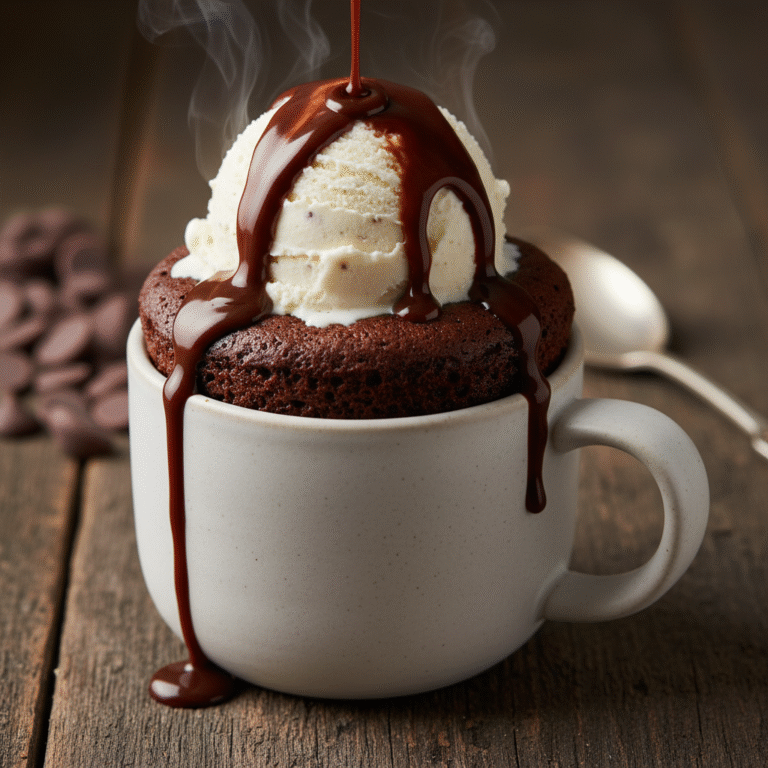
Satisfy your deepest chocolate cravings instantly with this rich, fudgy brownie mug cake that comes together in just 60 seconds. It is the perfect single-serving dessert made with simple pantry staples, offering a warm, gooey center without the hassle or wait of baking a full tray.
2 minutes
1 minute
3 minutes
1 serving
Dessert
Microwave
American
Vegetarian
We have all been there: it is 9:00 PM on a Tuesday, you are curled up on the couch, and suddenly, a craving for something sweet and chocolatey hits you like a freight train. You don’t have the energy to preheat the oven, mix a full batter, and wait 45 minutes for a tray of brownies to bake. Enter the absolute lifesaver of the dessert world: the Microwave Brownie Mug Cake. This isn’t just a compromise for the sake of speed; when done correctly, a mug brownie can rival the fudgiest edge-piece from a traditional pan.
The beauty of this recipe lies in its dangerous simplicity. It requires nothing more than a standard ceramic mug, a spoon, and a handful of ingredients you likely already have sitting in your pantry. But do not let the simplicity fool you. This recipe has been rigorously tested to avoid the common pitfalls of microwave baking—namely, the dreaded rubbery texture or the dry, sponge-like consistency that plagues lesser recipes. Instead, we are aiming for a texture that sits perfectly between a molten lava cake and a dense, chewy brownie.
By balancing the ratio of fat to flour and utilizing the steaming power of the microwave, we create a dessert that is moist, rich, and deeply satisfying. The addition of chocolate chips is the secret weapon, creating pockets of melted ganache-like goodness throughout the mug. Whether you are a college student in a dorm, a busy parent needing a quick treat, or just someone who appreciates the magic of instant gratification, this Quick Microwave Brownie Mug Cake is about to become your new best friend. Grab your favorite mug, and let’s get baking—or rather, zapping!
History & Origins
The history of the mug cake is a fascinating intersection of culinary tradition and technological innovation. To understand the mug brownie, we must first look at the origins of the brownie itself. Legend has it that the first brownie was created in the late 19th century at the Palmer House Hotel in Chicago, at the request of Bertha Palmer, who wanted a dessert for ladies attending the World’s Columbian Exposition that was smaller than a cake but easily eaten from boxed lunches. These early versions were rich, dense, and paved the way for the cocoa-based brownies we know today.
Fast forward to the mid-20th century, and we see the introduction of the microwave oven. Originally patented in 1945 by Percy Spencer, the ‘Radarange’ was a behemoth, but by the 1970s and 80s, compact microwave ovens became a staple in American households. Initially, microwaves were marketed for defrosting and reheating, but adventurous home cooks soon began experimenting with actual cooking. The concept of ‘cup cakes’ (cakes baked in cups) dates back centuries, usually referring to the volume of ingredients, but the literal cooking of cake batter in a mug gained traction with the rise of internet food blogging in the late 2000s.
The viral nature of the internet propelled the ‘mug cake’ into stardom around 2008-2010. It appealed to the modern desire for single-serving portion control and speed. Early iterations were often criticized for being spongy or egg-heavy, but as food science was applied to these micro-recipes, the quality improved drastically. Today, the microwave brownie mug cake represents the pinnacle of modern convenience cooking—a cultural symbol of our fast-paced lives and our enduring love for chocolate.
Why This Recipe Works
Microwave baking operates on a completely different scientific principle than oven baking, which is why simply reducing a standard cake recipe doesn’t work. Ovens cook with ambient heat from the outside in, while microwaves excite water molecules throughout the food simultaneously. This rapid internal heating can easily lead to a tough, rubbery texture if the gluten in the flour is over-developed or if the moisture evaporates too quickly.
This specific recipe works because it eliminates the egg. In a full-sized cake, eggs provide structure and lift. However, in a small mug cake cooked for only 60 seconds, an egg is too much protein, turning the texture into a sweet omelet or a rubbery sponge. By removing the egg and relying on a specific balance of milk and oil (or butter), we ensure the crumb remains tender and fudgy.
Furthermore, the ratio of sugar to flour is higher here than in some baked goods. Sugar is hygroscopic, meaning it holds onto moisture. This is crucial in a microwave environment where moisture loss is rapid. The inclusion of both cocoa powder and chocolate chips provides a dual-chocolate attack; the cocoa gives the base flavor, while the chips melt to provide that gooey, ‘underbaked’ texture that brownie lovers crave. Finally, the cooking time is optimized to 60 seconds—just enough to set the structure but short enough to keep the center molten.
Why You’ll Love This Recipe
- ✓Ready in under 2 minutes from start to finish.
- ✓No eggs required, preventing a rubbery texture.
- ✓Single-serving portion control (perfect for late-night cravings).
- ✓Uses common pantry staples you likely have on hand.
- ✓Versatile base that accepts nuts, swirls, or caramel easily.
- ✓Minimal cleanup with only one mug and one spoon needed.
Equipment You’ll Need
- ✓Microwave-safe ceramic mug (10-12 oz capacity)
- ✓Tablespoon
- ✓Teaspoon
- ✓Microwave
Ingredients
- ✓4 tablespoons All-Purpose Flour
- ✓3 tablespoons Granulated Sugar
- ✓2 tablespoons Unsweetened Cocoa Powder
- ✓1/8 teaspoon Salt
- ✓1/4 teaspoon Baking Powder (optional, for a cakey texture)
- ✓3 tablespoons Milk (dairy or non-dairy)
- ✓2 tablespoons Vegetable Oil (or melted butter)
- ✓1/4 teaspoon Vanilla Extract
- ✓2 tablespoons Semi-Sweet Chocolate Chips
Instructions
- Select a microwave-safe mug that holds at least 10-12 ounces to prevent overflowing.
- Add the dry ingredients (flour, sugar, cocoa powder, salt, and baking powder if using) directly into the mug.
- Use a spoon to mix the dry ingredients thoroughly, ensuring there are no clumps of cocoa powder or flour at the bottom.
- Pour in the wet ingredients: milk, vegetable oil (or melted butter), and vanilla extract.
- Stir the batter briskly until it is smooth and uniform. Be sure to scrape the bottom edges of the mug so no dry pockets remain.
- Sprinkle the chocolate chips on top. You can gently push a few down into the batter, but leave some on the surface.
- Place the mug in the center of the microwave. Cook on High power for 60 seconds.
- Check the texture. The top should look set but slightly shiny. If it looks too wet, microwave in additional 10-second bursts. Do not overcook.
- Remove the mug carefully (it will be hot!) and let it sit for 1-2 minutes. This resting time allows the brownie to finish setting and cool to a safe eating temperature.
- Top with a scoop of vanilla ice cream or a dollop of whipped cream if desired, and enjoy warm.
Expert Cooking Tips
- ✓Use a wide mug rather than a tall, narrow one to ensure even cooking throughout the batter.
- ✓Do not overmix the batter once the wet ingredients are added; overmixing develops gluten and makes the brownie tough.
- ✓If you prefer a molten center, skip the baking powder entirely.
- ✓Place a paper towel under the mug in the microwave just in case of any accidental spills.
- ✓Letting the mug cake cool for at least 1-2 minutes is crucial for the texture to firm up from ‘soup’ to ‘fudge’.
- ✓Microwave wattages vary; if yours is 1200W or higher, start with 45-50 seconds.
- ✓Salt is essential! Don’t skip the pinch of salt, as it enhances the chocolate flavor significantly.
Substitutions and Variations
This recipe is highly adaptable to various dietary needs and pantry limitations. If you are out of all-purpose flour, you can use a 1:1 gluten-free flour blend for a gluten-free version; however, avoid coconut flour as it absorbs too much liquid and will dry out the cake. For the fat, vegetable oil produces the moistest result, but melted butter offers a richer flavor. You can also substitute coconut oil or even applesauce (for a lower-fat version, though the texture will be more rubbery).
Regarding the sweetener, granulated white sugar is standard, but brown sugar adds a lovely caramel note and extra moisture. Liquid sweeteners like maple syrup or honey can be used, but you may need to reduce the milk slightly to balance the consistency. For the liquid, any milk works—cow’s milk, almond milk, soy milk, or oat milk. If you are strictly vegan, use dairy-free chocolate chips and plant-based milk. Lastly, the add-ins are endless: try peanut butter chips, chopped walnuts, a swirl of Nutella, or even a few marshmallows for a rocky road vibe.
Common Mistakes to Avoid
The most common mistake people make with mug cakes is overcooking them. Because microwaves cook unevenly and rapidly, 10 seconds can be the difference between a gooey delight and a hockey puck. Always err on the side of undercooking; the residual heat will finish the job as it sits on the counter. Another frequent error is using a mug that is too small. The batter rises significantly while cooking before sinking back down; a small mug will result in a messy overflow.
Measurement accuracy also matters more than you might think. Scooping packed flour can lead to a dry cake; try to fluff the flour before spooning it. Finally, forgetting to mix the bottom edge of the mug is a classic blunder. It is very disappointing to eat your way to the bottom only to find a pocket of dry, unmixed flour and cocoa powder. Take an extra ten seconds to scrape the corners of the mug with your spoon before cooking.
Serving Suggestions
While this brownie mug cake is delicious on its own, the right toppings can elevate it to restaurant-quality status. The classic pairing is a scoop of vanilla bean ice cream, which melts into the warm brownie creating a hot-cold sensation that is irresistible. Fresh whipped cream and a dusting of cocoa powder are also excellent choices.
For a fruitier contrast, add fresh raspberries or sliced strawberries on top; the acidity cuts through the richness of the chocolate. If you are feeling decadent, drizzle salted caramel sauce or hot fudge over the top. For texture, crushed pecans, walnuts, or crushed peppermint candies (during the holidays) add a nice crunch. Serve it immediately while it is still warm for the best gooey experience.
Storage and Reheating Tips
Mug cakes are designed to be eaten immediately. They do not store well because the microwave cooking process causes them to stale and harden much faster than oven-baked goods. If you absolutely cannot finish it, you can cover the mug tightly with plastic wrap and store it in the refrigerator for up to 24 hours.
To reheat, remove the plastic and microwave on 50% power for 15-20 seconds. Do not expect the texture to be quite as good as it was fresh; it will likely be a bit drier. We strongly recommend making only what you intend to eat in one sitting. If you want to prep ahead, you can mix the dry ingredients in a small jar or baggie and store them in the pantry. When the craving hits, just dump the mix into a mug, add the wet ingredients, and zap it.
Nutrition Facts (Estimated)
| Serving Size | 1 mug cake |
| Calories | 420 |
| Fat | 22g |
| Saturated Fat | 8g |
| Unsaturated Fat | 12g |
| Trans Fat | 0g |
| Cholesterol | 15mg |
| Sodium | 180mg |
| Carbohydrates | 54g |
| Fiber | 4g |
| Sugar | 32g |
| Protein | 5g |
Frequently Asked Questions
Why did my mug cake turn out hard and rubbery?
This is almost always due to overcooking. Microwaves are powerful! Try reducing the cooking time by 10-15 seconds next time. Also, ensure you didn’t overmix the batter after adding the flour, which develops gluten and toughness.
Can I make this without cocoa powder?
Technically yes, but it won’t be a brownie anymore; it will be a blondie or a vanilla mug cake. You would need to remove the cocoa and replace it with a bit more flour and perhaps add vanilla flavor, but the ratios change slightly.
Can I bake this in the oven instead?
You can, but it defeats the purpose of a ‘quick’ mug cake. If you must, use an oven-safe ramekin and bake at 350°F (175°C) for about 15-20 minutes. The texture will be different—more like a traditional cake.
Is it safe to eat if it looks wet?
Yes! Since this recipe contains no eggs, you don’t have to worry about salmonella from undercooked eggs. A wet, gooey center is actually desirable for a fudgy brownie texture.
Can I double the recipe?
Do not double the recipe in a single standard mug; it will overflow. If you want a larger portion, use a large soup bowl or make two separate mugs. Cooking time will increase if cooking two mugs at once, usually by about 50-75%.
Can I use water instead of milk?
You can use water in a pinch, but the result will be less rich and flavorful. Milk (or a milk alternative) adds fat and sugars that contribute to the tenderness and flavor profile.
Why did my brownie explode in the microwave?
This happens if the mug is too small or the power setting is too high. Use a larger mug (at least 12 oz) and watch it as it cooks. If it starts rising too high, stop the microwave for a few seconds to let it settle, then continue.
Can I use self-rising flour?
Yes. If you use self-rising flour, omit the baking powder and the salt (as self-rising flour already contains these). The texture might be slightly fluffier.
Can I use sweetener alternatives like Stevia?
Yes, granular sweetener alternatives usually work well. Just be aware that some artificial sweeteners can leave a slight aftertaste when heated, and they might not provide the same moist, sticky texture as real sugar.
Conclusion
The Quick Microwave Brownie Mug Cake is more than just a recipe; it is a lifestyle hack for the chocolate lover. It bridges the gap between the desire for a homemade dessert and the reality of a busy schedule. By understanding the simple science behind the ingredients and the cooking method, you can enjoy a warm, decadent treat any time of day or night in literally minutes. Whether you stick to the classic recipe or experiment with your own add-ins like caramel or nuts, this mug cake promises to deliver comfort in a cup. So next time the craving strikes, don’t deny yourself—grab a mug and get zapping!