
The Ultimate Fresh Strawberry Shortcake Cake: A Summer Layered Dream
Fresh Strawberry Shortcake Cake Recipe
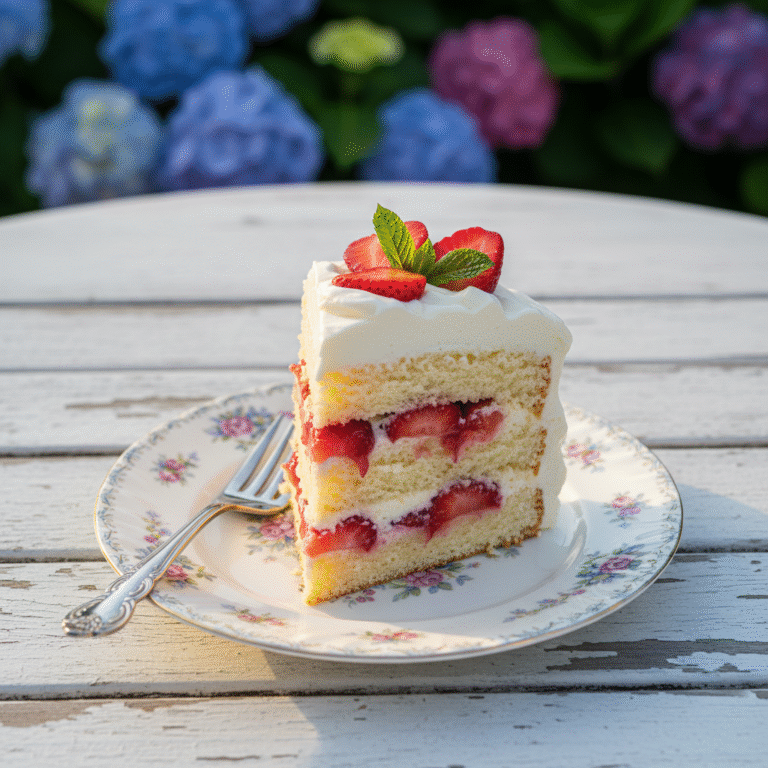
Abandon the biscuits and embrace the elegance of this layered Fresh Strawberry Shortcake Cake. Featuring tender, buttery vanilla cake layers stacked high with juicy macerated strawberries and clouds of stabilized whipped cream, this recipe is the quintessential centerpiece for any summer celebration.
45 minutes
30 minutes
1 hour 15 minutes (plus cooling time)
10-12 servings
Dessert
Baking
American
Vegetarian
There is something undeniably magical about the arrival of strawberry season. The vibrant red hue, the intoxicating aroma, and that burst of sweet-tart juice evoke memories of sunny afternoons and backyard gatherings. While the traditional biscuit-style shortcake holds a special place in culinary history, this Fresh Strawberry Shortcake Cake takes the concept to luxurious new heights. Imagine the nostalgic flavors you love—buttery crumbs, sweet berries, and airy cream—transformed into a stunning, multi-layered showstopper that is as beautiful to behold as it is to eat.
This recipe ditches the dense, crumbly biscuit in favor of a light, tender vanilla cake that acts as the perfect sponge for the strawberry juices. We aren’t just tossing berries on top; we are treating them with the respect they deserve. By macerating fresh strawberries in a touch of sugar and lemon zest, we draw out a ruby-red syrup that soaks into the cake layers, infusing every bite with pure fruit essence. Furthermore, the whipped cream isn’t your standard garnish. We use a stabilized whipped cream frosting that holds its shape beautifully, ensuring your masterpiece doesn’t slide apart in the summer heat.
Whether you are hosting a Fourth of July barbecue, a bridal shower, or simply craving a slice of summer on a Tuesday, this cake delivers. It strikes the perfect balance between sophistication and rustic charm. The exposed sides, often referred to as a ‘naked cake’ style, showcase the gorgeous layers of red and white, making it an instant visual feast. Get ready to elevate your dessert game with a recipe that promises to become your new warm-weather tradition.
History & Origins
The history of strawberry shortcake is a fascinating journey through time, bridging Native American ingredients with European baking traditions. The story begins long before the arrival of colonists, as Native Americans were already cultivating and celebrating wild strawberries, often baking them into crushed corn bread. When European settlers arrived, they adapted these local berries to their own baking styles. The first recorded recipe resembling what we know today appeared in an English cookbook as early as 1588, though the term ‘shortcake’ is derived from an old English definition of ‘short,’ meaning crisp or crumbly due to the addition of fat (shortening or butter).
By the mid-19th century, strawberry shortcake became a sensation in the United States. In the 1850s, ‘Strawberry Fever’ swept the nation, and ‘Strawberry Shortcake Parties’ became fashionable social events to celebrate the harvest. However, these early versions were almost exclusively biscuit or scone-based, served warm with butter and sweetened milk. It wasn’t until the late 19th and early 20th centuries, with the advent of better refrigeration and the availability of heavy cream, that the now-iconic whipped cream became a staple component.
Over the decades, the definition of shortcake expanded. In the American South, the biscuit reigned supreme, while other regions began experimenting with sponge cakes and angel food cakes to create a lighter dessert. This ‘Strawberry Shortcake Cake’ represents the modern evolution of the dish—moving away from the individual, crumbly biscuit toward a grand, sliceable layer cake that retains the soul of the original while offering a texture that is soft, moist, and perfect for soaking up the delicious strawberry syrup.
Why This Recipe Works
This recipe succeeds where many others fail because it meticulously addresses the structural and textural challenges of a fresh fruit cake. First, we tackle the cake base. Standard sponge cakes can be too airy and turn to mush when in contact with fruit juice, while pound cakes can be too dense. This recipe uses a reverse-creaming method (or a modified high-ratio cake method) which coats the flour proteins in fat before the liquid is added. This inhibits gluten formation, resulting in a plush, velvety crumb that is sturdy enough to support the heavy fruit and cream layers but remains melt-in-the-mouth tender.
Secondly, the treatment of the strawberries is scientifically crucial. We don’t just slice them; we macerate them. Sprinkling sugar over the cut berries creates high osmotic pressure, drawing water out of the fruit cells. This concentrates the strawberry flavor and creates a natural syrup. We then use this syrup to brush the cake layers, ensuring the flavor permeates the entire dessert, not just the fruit layer.
Finally, the frosting is the glue that holds it all together. Regular whipped cream weeps water and collapses after an hour. By incorporating mascarpone cheese or a small amount of bloomed gelatin into the heavy cream, we emulsify the mixture and stabilize the air bubbles. This creates a rich, thick cream that tastes like pure luxury but has the structural integrity to hold up the cake layers for days without deflating.
Why You’ll Love This Recipe
- ✓Stabilized mascarpone whipped cream prevents melting and sliding.
- ✓Macerated strawberries create a natural syrup to keep the cake moist.
- ✓Perfect balance of sweet cake and tart fresh fruit.
- ✓Stunning ‘naked cake’ presentation requires no advanced decorating skills.
- ✓Can be prepped in stages for stress-free entertaining.
- ✓Uses simple, wholesome ingredients with no artificial flavors.
Equipment You’ll Need
- ✓Two 8-inch round cake pans
- ✓Stand mixer or electric hand mixer
- ✓Large mixing bowls
- ✓Parchment paper
- ✓Wire cooling rack
- ✓Offset spatula
- ✓Serrated knife
- ✓Pastry brush
Ingredients
- ✓2 1/2 cups Cake flour, sifted
- ✓2 tsp Baking powder
- ✓1/2 tsp Baking soda
- ✓1/2 tsp Salt
- ✓3/4 cup Unsalted butter, room temperature
- ✓1 1/2 cups Granulated sugar
- ✓3 Large eggs, room temperature
- ✓1 tbsp Pure vanilla extract
- ✓1 cup Whole milk, room temperature
- ✓1/2 cup Sour cream, room temperature
- ✓2 lbs Fresh strawberries, hulled and sliced
- ✓3 tbsp Granulated sugar (for berries)
- ✓1 tsp Lemon zest
- ✓2 cups Heavy whipping cream, cold
- ✓8 oz Mascarpone cheese, cold
- ✓1 cup Powdered sugar
- ✓1 tsp Vanilla bean paste or extract
Instructions
- Preheat your oven to 350°F (175°C). Grease two 8-inch round cake pans with butter and line the bottoms with parchment paper. Dust the sides with flour and tap out excess.
- In a medium bowl, whisk together the cake flour, baking powder, baking soda, and salt. Set aside.
- In the bowl of a stand mixer fitted with the paddle attachment, beat the room temperature butter and 1 1/2 cups granulated sugar on medium-high speed until pale and fluffy (about 3-4 minutes).
- Add the eggs one at a time, beating well after each addition and scraping down the sides of the bowl. Mix in the vanilla extract.
- In a small bowl, whisk together the milk and sour cream. Reduce the mixer speed to low. Add the flour mixture in three parts, alternating with the milk mixture, starting and ending with the flour. Mix only until just combined—do not overmix.
- Divide the batter evenly between the prepared pans. Bake for 25-30 minutes, or until a toothpick inserted into the center comes out clean or with a few moist crumbs. The cakes should spring back when lightly pressed.
- Allow the cakes to cool in the pans for 10 minutes, then turn them out onto a wire rack to cool completely.
- While the cakes cool, prepare the strawberries. In a bowl, toss the sliced strawberries with 3 tablespoons of sugar and the lemon zest. Let them sit at room temperature for at least 30 minutes to release their juices (macerate).
- Make the frosting: In a chilled mixer bowl with the whisk attachment, combine the mascarpone cheese, powdered sugar, and vanilla bean paste. Mix on medium speed until smooth (about 1 minute).
- Slowly pour in the cold heavy cream while the mixer is running on low. Once all cream is added, increase speed to high and whip until stiff peaks form. Be careful not to over-whip into butter.
- To assemble: Use a serrated knife to level the tops of the cooled cakes if they are domed. Place one cake layer on your serving platter. Strain the strawberries, reserving the syrup.
- Brush the top of the first cake layer generously with the strawberry syrup. Spread a thick layer of the whipped cream mixture over the cake. Top with a generous amount of macerated strawberries.
- Place the second cake layer on top (cut side down for a flat top). Brush with remaining syrup. Top with the remaining whipped cream and pile fresh strawberries high in the center.
- Refrigerate the cake for at least 30 minutes before slicing to allow the cream to set and the layers to firm up.
Expert Cooking Tips
- ✓Ensure all cold ingredients (butter, eggs, milk, sour cream) are at room temperature for the cake batter to emulsify properly.
- ✓Do not skip the maceration step; the syrup keeps the cake moist and adds intense flavor.
- ✓Use cold heavy cream and mascarpone for the frosting; if they are warm, the frosting won’t whip to stiff peaks.
- ✓If you don’t have cake flour, you can make a substitute by removing 2 tablespoons of all-purpose flour per cup and replacing it with cornstarch.
- ✓Level your cakes with a serrated knife for a professional, stable stack.
- ✓Chill the bowl and whisk attachment in the freezer for 10 minutes before whipping the cream for faster volume.
Substitutions and Variations
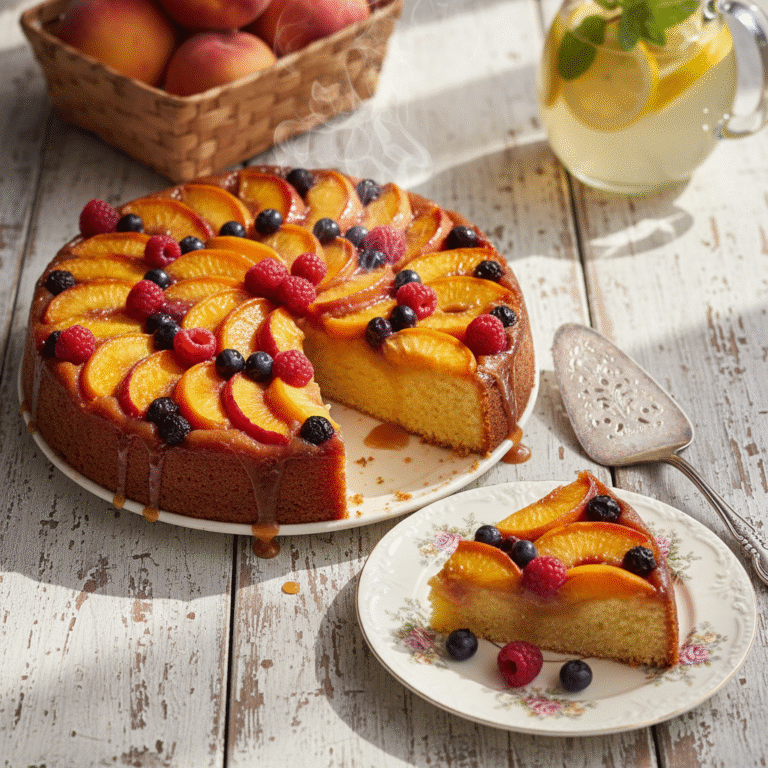
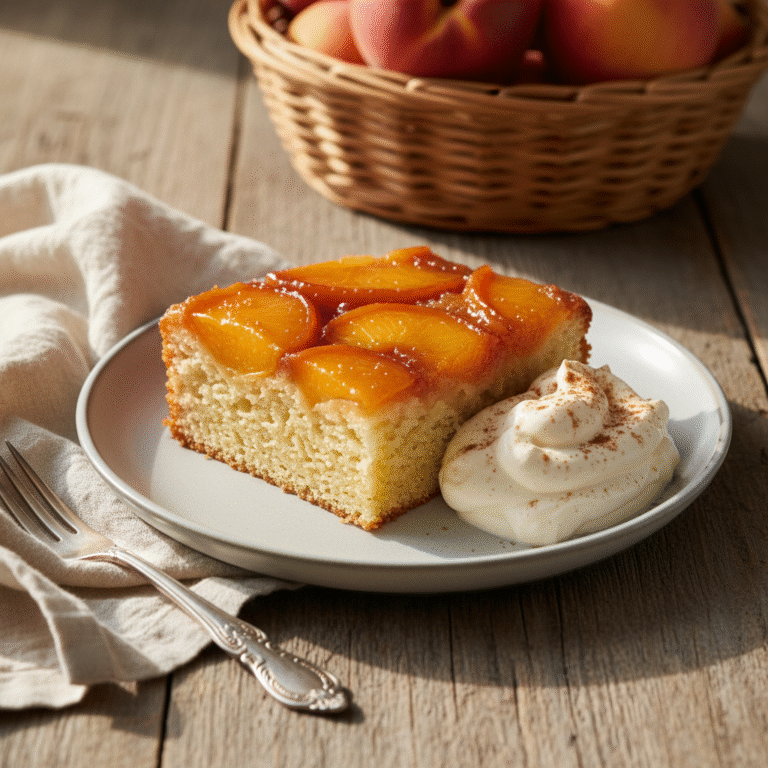
This recipe is quite versatile. If you need a **gluten-free** version, substitute the cake flour with a high-quality 1:1 gluten-free baking flour blend that contains xanthan gum. For a **dairy-free** cake, use plant-based butter, almond milk mixed with vinegar (to mimic buttermilk), and a coconut cream-based whipped topping, though the stability will differ. If **mascarpone** is unavailable for the frosting, you can use full-fat cream cheese (softened) for a tangy cheesecake-like flavor, or simply omit it and use a packet of whipped cream stabilizer (or 1 tsp of unflavored gelatin dissolved in water). You can also swap strawberries for **raspberries, blackberries, or peaches** depending on what is in season.
Common Mistakes to Avoid
The most common mistake is **assembling the cake while the layers are still warm**. This will cause the whipped cream to melt instantly, resulting in a sliding, messy disaster. Always ensure cake layers are completely cool. Another error is **overmixing the batter** after adding the flour; this develops too much gluten and results in a tough, rubbery cake rather than a tender crumb. Finally, **undermixing the frosting** leads to a runny topping, while **overmixing** turns it into sweet butter. Watch the cream closely as it thickens.
Serving Suggestions
Serve this cake chilled or at slightly cool room temperature. It pairs beautifully with a glass of sparkling rosé, Prosecco, or freshly brewed iced tea with lemon. For an extra touch of elegance, garnish with fresh mint sprigs or edible flowers like pansies or chamomile. If you have extra strawberry syrup left over, drizzle a little on the plate before placing the slice down.
Storage and Reheating Tips
Because of the fresh whipped cream and fruit, this cake must be stored in the refrigerator. Cover it gently with plastic wrap or store it in a cake carrier to prevent it from absorbing fridge odors. It is best eaten within 1-2 days, as the strawberries will continue to release moisture and may eventually make the cake soggy. This cake does not freeze well once assembled, but you can freeze the baked, un-frosted cake layers for up to 3 months wrapped tightly in plastic.
Nutrition Facts (Estimated)
| Serving Size | 1 slice |
| Calories | 480 |
| Fat | 28g |
| Saturated Fat | 16g |
| Unsaturated Fat | 10g |
| Trans Fat | 0g |
| Cholesterol | 95mg |
| Sodium | 210mg |
| Carbohydrates | 54g |
| Fiber | 2g |
| Sugar | 32g |
| Protein | 6g |
Frequently Asked Questions
Can I make this cake in advance?
Yes, you can bake the cake layers 1-2 days in advance and store them wrapped at room temperature. However, assemble the cake with berries and cream no more than 4-6 hours before serving for the best texture.
Why did my whipped cream turn runny?
Whipped cream can turn runny if it wasn’t whipped to stiff peaks, if the ingredients were too warm, or if it sat out in a hot room. Using the mascarpone stabilizer in this recipe helps prevent this.
Can I use frozen strawberries?
It is not recommended for the filling or topping. Frozen strawberries release too much water when thawed and become mushy, which will ruin the texture of the cake. Stick to fresh berries.
How do I keep the strawberries from sliding out?
Don’t overfill the middle layer near the very edge. Create a small ‘dam’ of whipped cream around the perimeter of the cake layer before adding the berries in the center.
Can I make this as cupcakes?
Absolutely. This batter will make approximately 24 cupcakes. Bake at 350°F for 18-22 minutes. Fill or top with the berries and cream just before serving.
What does the sour cream do in the recipe?
Sour cream adds fat and acidity. The acidity tenderizes the gluten strands for a softer cake, and the fat adds rich moisture.
Can I use store-bought whipped topping?
You can, but the flavor won’t be as rich. If you do, skip the sugar and mascarpone steps for the frosting. Homemade is highly recommended for this specific dessert.
Why do I need to brush the syrup on the cake?
The syrup adds moisture and infuses the vanilla cake with strawberry flavor, tying the elements together so the cake doesn’t taste bland compared to the fruit.
Conclusion
This Fresh Strawberry Shortcake Cake is more than just a dessert; it’s a celebration of summer’s finest bounty. By layering tender vanilla cake with the natural sweetness of macerated berries and the richness of stabilized cream, you create a treat that is nostalgic yet impressively modern. It’s the kind of cake that silences a room after the first bite, followed by requests for seconds. So, grab those pints of fresh strawberries while they are at their peak, and bake something truly spectacular for your friends and family. Happy baking!