Festive Egg Nog Bundt Cake With Spiced Cream Cheese Frosting
Festive Egg Nog Bundt Cake With Cream Cheese Frosting Recipe
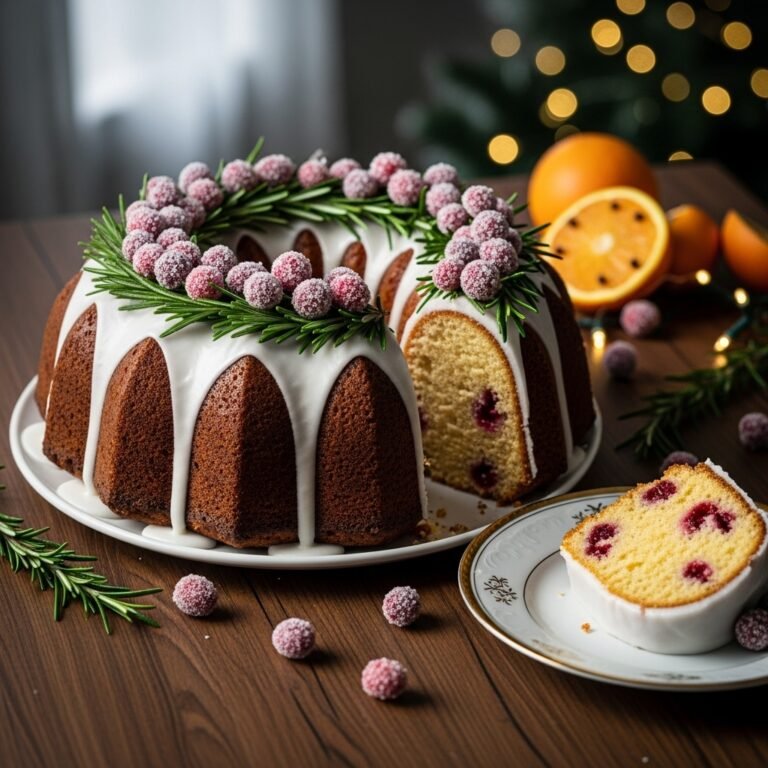
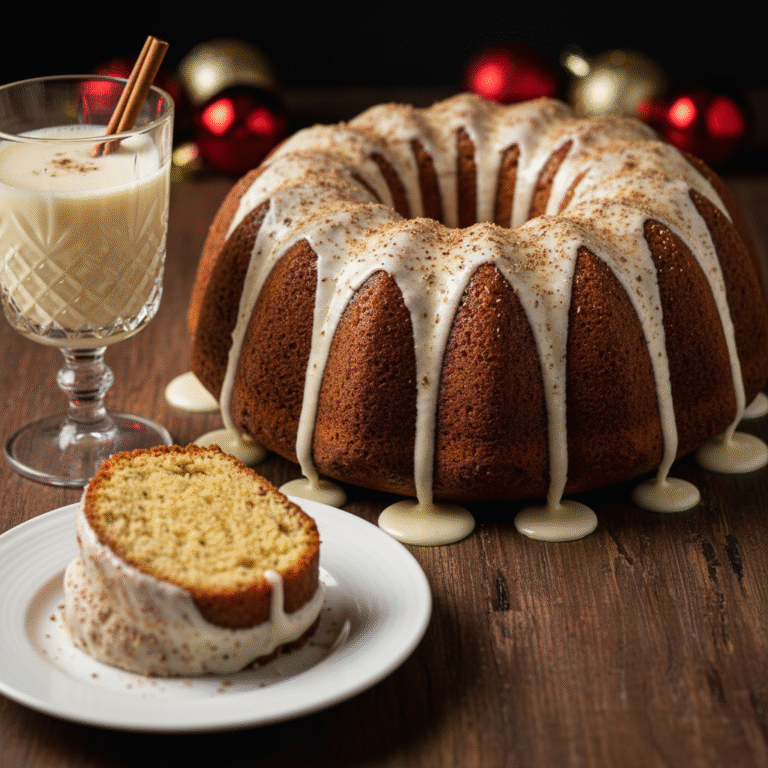
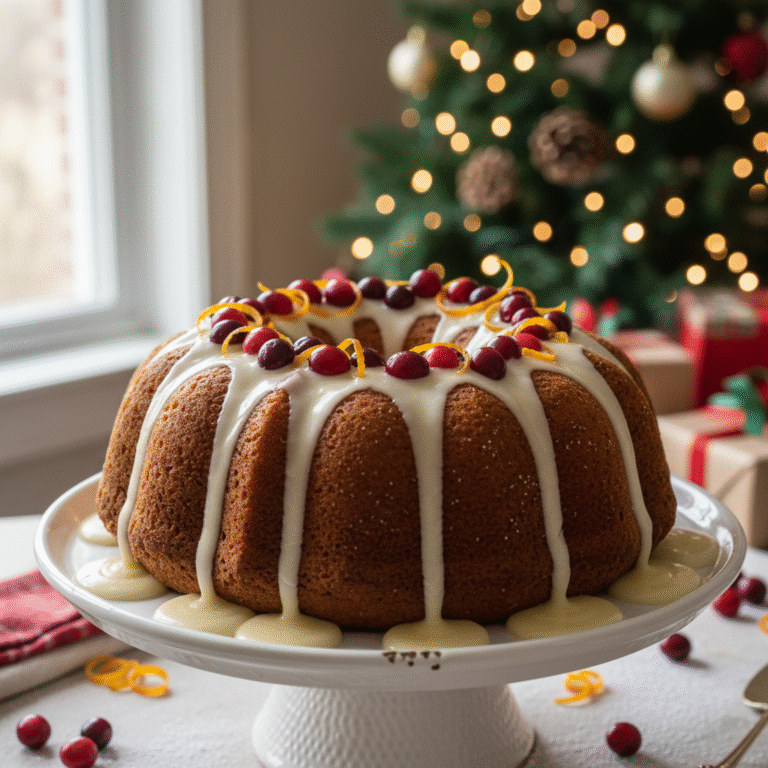
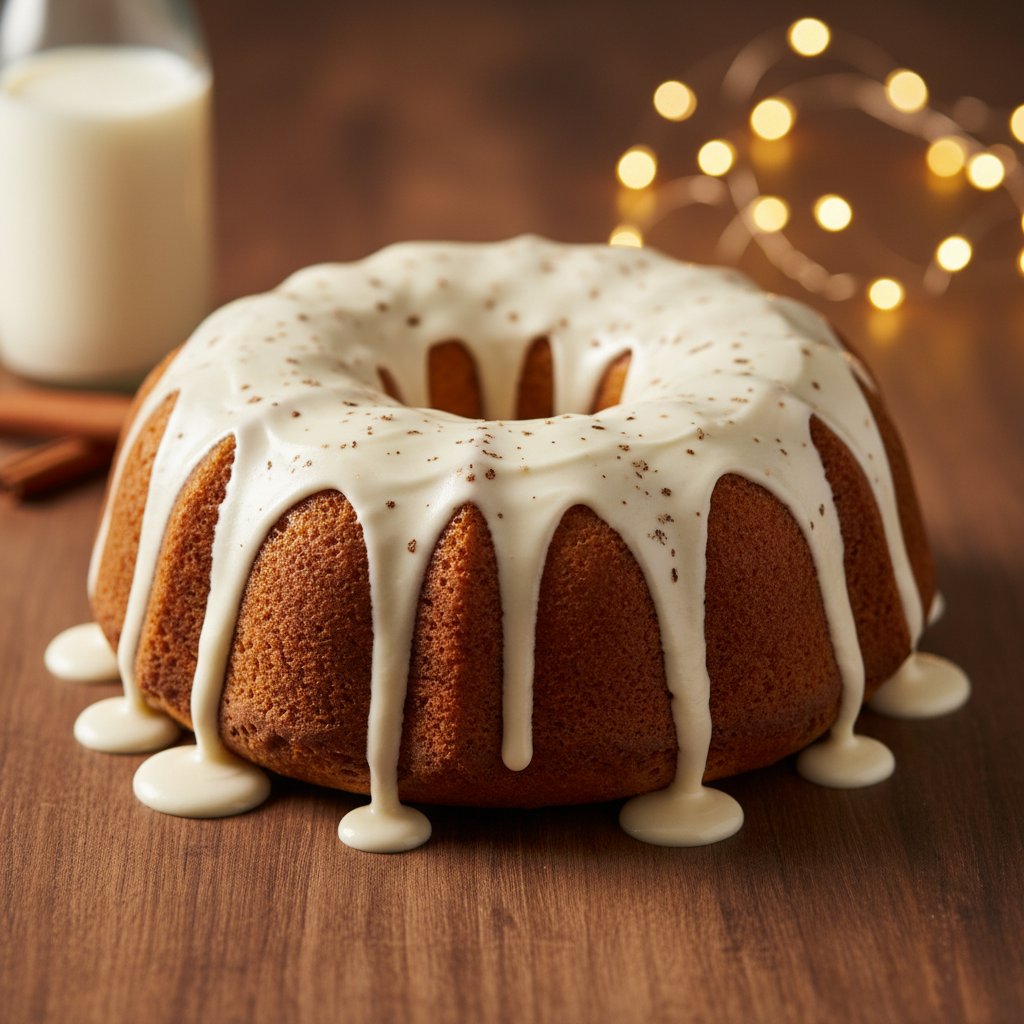
Capture the essence of the holidays with this incredibly moist and dense Egg Nog Bundt Cake, drizzled generously with a spiced cream cheese frosting. It is the perfect showstopping dessert for Christmas parties, offering a sophisticated balance of nutmeg, rum, and vanilla in every bite.
25 minutes
55 minutes
1 hour 30 minutes
12-14 servings
Dessert
Baking
American
Vegetarian
There is something undeniably magical about the holiday season that calls for specific flavors—warm cinnamon, aromatic nutmeg, and the rich, creamy decadence of eggnog. For many, eggnog is a beverage best enjoyed by the fireside, spiked with a splash of bourbon or rum. However, for the avid baker, eggnog is a secret weapon in the kitchen, capable of transforming a standard sponge into a dense, velvety masterpiece. This Festive Egg Nog Bundt Cake with Cream Cheese Frosting is the culinary embodiment of Christmas cheer. It takes the controversial holiday drink and repurposes it into a dessert that even eggnog skeptics will devour. The beauty of this cake lies in its texture; the inherent richness of the eggnog—loaded with cream, sugar, and eggs—adds a level of moisture that milk or water simply cannot achieve.
As the cake bakes, your kitchen will fill with the intoxicating aroma of freshly grated nutmeg and vanilla, creating an atmosphere of anticipation. Unlike airy layer cakes, this bundt cake possesses a satisfying weight and a tight crumb that holds up beautifully under the thick, tangy blanket of spiced cream cheese frosting. We don’t just stop at the batter; the frosting itself is infused with a hint of the nog and a dusting of fresh spices, ensuring that the flavor profile is consistent from the first forkful to the last crumb. Whether you are hosting a grand holiday dinner or looking for a comforting treat to enjoy while wrapping gifts, this recipe strikes the perfect balance between elegance and rustic comfort. It is a celebration of winter flavors, designed to be the centerpiece of your dessert table, inviting everyone to take a slice of the season.
History & Origins
The history of this dessert is a fascinating convergence of two distinct culinary traditions: the ancient lineage of eggnog and the mid-century American rise of the bundt cake. Eggnog itself traces its roots back to medieval Britain, specifically to a hot, milky, ale-like drink known as ‘posset.’ By the 13th century, monks were known to drink a posset containing eggs and figs. However, because milk, eggs, and sherry were foods of the wealthy, eggnog was originally a toast to prosperity and good health reserved for the aristocracy. When the drink crossed the Atlantic to the American colonies in the 18th century, it underwent a transformation. The colonies were filled with farms, making dairy and eggs plentiful, and Caribbean rum was significantly cheaper than the heavily taxed British brandy or wine. Thus, the modern, rum-spiked eggnog became a holiday staple in America.
On the other hand, the vessel for this cake, the Bundt pan, has a much more recent history. While ring-shaped cakes like the Gugelhupf have existed in Germany and Austria for centuries, the specific cast aluminum Bundt pan was trademarked by H. David Dalquist of Nordic Ware in 1950. Initially, the pan was a slow seller and nearly discontinued. It wasn’t until 1966, when Ella Helfrich won second place in the Pillsbury Bake-Off with her ‘Tunnel of Fudge’ cake, that the Bundt pan became an iconic fixture in American kitchens. Combining the colonial tradition of holiday eggnog with the mid-century marvel of the Bundt pan creates a dessert that feels timeless yet distinctly American, bridging centuries of festive tradition in one golden ring.
Why This Recipe Works
This recipe succeeds where others fail primarily due to the fat and sugar content found in premium eggnog. In baking, fat is a tenderizer; it coats the flour proteins (gluten) and prevents them from forming long, tough strands. Because eggnog is essentially a custard base made of heavy cream, milk, sugar, and egg yolks, substituting it for regular milk in a cake recipe injects a massive amount of moisture and richness into the batter. This results in a crumb that is tender, dense, and moist, similar to a pound cake but with a more complex flavor profile. Furthermore, the use of both butter and oil in the batter ensures the cake stays soft even when refrigerated; butter provides flavor, while oil keeps the texture plush over several days.
Another reason this specific recipe works is the careful balance of leavening agents. Bundt pans are deep and hold a large volume of batter, which can be heavy. We use a combination of baking powder and baking soda to ensure the cake rises sufficiently to fill the intricate designs of the mold without collapsing. Finally, the cream cheese frosting is the perfect counterpoint to the sweet, spiced cake. The slight tang of the cream cheese cuts through the sweetness of the eggnog and sugar, preventing the dessert from becoming cloying. The addition of a small amount of rum extract or real rum in the frosting mirrors the flavor inside the cake, creating a cohesive taste experience.
Why You’ll Love This Recipe
- ✓Incredibly moist texture due to the rich eggnog and oil-butter blend.
- ✓Perfect make-ahead dessert; flavors deepen overnight.
- ✓Festive presentation with a snow-like cream cheese glaze.
- ✓Warm holiday spices including nutmeg, cinnamon, and vanilla.
- ✓Crowd-pleaser that converts even those who dislike drinking eggnog.
Equipment You’ll Need
- ✓10-12 cup Bundt pan
- ✓Stand mixer or electric hand mixer
- ✓Large mixing bowls
- ✓Whisk
- ✓Rubber spatula
- ✓Cooling rack
- ✓Measuring cups and spoons
Ingredients
- ✓3 cups all-purpose flour
- ✓2 teaspoons baking powder
- ✓1 teaspoon baking soda
- ✓1 teaspoon salt
- ✓2 teaspoons freshly grated nutmeg
- ✓1 teaspoon ground cinnamon
- ✓1 cup unsalted butter, softened
- ✓2 cups granulated sugar
- ✓4 large eggs, room temperature
- ✓1 teaspoon pure vanilla extract
- ✓1 teaspoon rum extract (optional)
- ✓1/4 cup vegetable oil
- ✓1 1/2 cups full-fat eggnog
- ✓8 oz cream cheese, softened (for frosting)
- ✓1/4 cup unsalted butter, softened (for frosting)
- ✓2 cups powdered sugar (for frosting)
- ✓2-3 tablespoons eggnog (for frosting)
- ✓Additional nutmeg for garnish
Instructions
- Preheat your oven to 350°F (175°C). Thoroughly grease your Bundt pan with butter or non-stick baking spray, ensuring every crevice is coated, then dust with flour and tap out the excess.
- In a medium bowl, whisk together the flour, baking powder, baking soda, salt, nutmeg, and cinnamon until well combined. Set aside.
- In the bowl of a stand mixer fitted with the paddle attachment, cream the softened butter and granulated sugar on medium-high speed for about 5 minutes until pale and fluffy.
- Add the eggs one at a time, beating well after each addition and scraping down the sides of the bowl as needed.
- Stir in the vanilla extract, rum extract, and vegetable oil until fully incorporated.
- Reduce the mixer speed to low. Add the dry ingredients in three parts, alternating with the eggnog in two parts, starting and ending with the dry ingredients. Mix only until just combined; do not overmix.
- Pour the batter into the prepared Bundt pan and smooth the top with a spatula. Tap the pan gently on the counter to release any trapped air bubbles.
- Bake for 50-60 minutes, or until a skewer inserted into the thickest part of the cake comes out clean or with just a few moist crumbs.
- Allow the cake to cool in the pan for exactly 10 minutes, then invert it onto a wire rack to cool completely before frosting.
- To make the frosting: Beat the cream cheese and butter together until smooth. Gradually add the powdered sugar. Add eggnog one tablespoon at a time until you reach a thick but pourable consistency. Stir in a pinch of nutmeg.
- Drizzle the frosting over the cooled cake and garnish with a dusting of freshly grated nutmeg.
Expert Cooking Tips
- ✓Ensure all cold ingredients (eggs, butter, eggnog) are at room temperature to prevent the batter from curdling.
- ✓Don’t skip the cooling time in the pan; turning it out too early can cause the cake to break, while waiting too long can make it stick.
- ✓Freshly grated nutmeg makes a significant difference in flavor compared to pre-ground nutmeg.
- ✓If the top of the cake is browning too quickly in the oven, tent it loosely with aluminum foil after 40 minutes.
- ✓Grease the Bundt pan right before pouring the batter to prevent the oil/butter from sliding down the sides while you prep.
Substitutions and Variations
If you cannot find commercial eggnog, you can make a homemade version or use a mixture of heavy cream, milk, sugar, and a drop of rum extract, though the commercial thick versions work best for baking. For a gluten-free version, substitute the all-purpose flour with a high-quality 1:1 gluten-free baking flour blend that contains xanthan gum. If you prefer to avoid alcohol flavors entirely, you can omit the rum extract and simply double the vanilla. For the oil, canola oil, grapeseed oil, or melted coconut oil are suitable alternatives. In the frosting, if you find cream cheese too heavy, a simple glaze made from powdered sugar and eggnog works beautifully as a lighter option.
Common Mistakes to Avoid
The most frequent mistake when baking bundt cakes is improper pan preparation. Even non-stick pans require thorough greasing and flouring; consider using a baking spray that contains flour for the best release. Another common error is overmixing the batter after adding the flour. This develops the gluten too much, resulting in a tough, rubbery cake rather than a tender one. Additionally, opening the oven door too often to check on the cake can cause the temperature to fluctuate and the cake to sink. Rely on the oven light or wait until the minimum bake time has passed before testing. Finally, applying the glaze while the cake is still warm will cause it to melt and run off entirely; patience is key—wait until it is fully cool.
Serving Suggestions
This cake is a stunning centerpiece on its own, but it pairs wonderfully with a hot cup of coffee, spiced chai tea, or, naturally, a glass of cold eggnog. For a dessert table, serve slices with a dollop of unsweetened whipped cream to balance the sweetness of the glaze. A side of tart cranberry compote or sugared cranberries also adds a festive pop of color and a nice acidic contrast to the rich, creamy flavors of the cake. If serving at a dinner party, slightly warming the slices in the microwave for 10 seconds restores that fresh-baked softness.
Storage and Reheating Tips
Because of the cream cheese in the frosting, this cake should ideally be stored in the refrigerator if it will be kept for more than 24 hours. However, it is best eaten at room temperature, so remove it from the fridge about an hour before serving. Store the cake in an airtight cake carrier or wrap slices individually in plastic wrap to prevent them from drying out. The cake keeps well in the refrigerator for up to 5 days. For longer storage, you can freeze the unglazed cake for up to 3 months. Wrap it tightly in plastic wrap and then foil. Thaw overnight in the fridge and glaze before serving.
Nutrition Facts (Estimated)
| Serving Size | 1 slice |
| Calories | 480 |
| Fat | 24g |
| Saturated Fat | 12g |
| Unsaturated Fat | 10g |
| Trans Fat | 0g |
| Cholesterol | 85mg |
| Sodium | 310mg |
| Carbohydrates | 62g |
| Fiber | 1g |
| Sugar | 38g |
| Protein | 6g |
Frequently Asked Questions
Can I use low-fat eggnog for this recipe?
While you can use low-fat eggnog, the cake will not be as tender or moist. The fat content in full-fat eggnog contributes significantly to the rich texture.
Why did my bundt cake stick to the pan?
Sticking usually happens because the pan wasn’t greased thoroughly enough, or the cake was left to cool in the pan for too long. Aim to invert the cake exactly 10 to 15 minutes after removing it from the oven.
Can I add nuts or dried fruit to the batter?
Absolutely! Chopped pecans, walnuts, or dried cranberries make excellent additions. Toss them in a tablespoon of flour before folding them into the batter to prevent them from sinking to the bottom.
Is the rum extract necessary?
No, it is optional. It enhances the traditional eggnog flavor, but if you prefer a non-alcoholic flavor profile, extra vanilla extract is a perfect substitute.
How do I know when the cake is done?
Insert a wooden skewer into the deepest part of the cake. It should come out clean or with a few moist crumbs attached. If it has wet batter on it, it needs more time.
Can I make this cake ahead of time?
Yes, bundt cakes are sturdy and often taste better the next day as the flavors meld. Bake it a day ahead, store it covered, and glaze it on the day of serving.
What if I don’t have a Bundt pan?
You can bake this in two 9×5 inch loaf pans, though the baking time will need to be adjusted (start checking around 40-45 minutes).
Can I use homemade eggnog?
Yes, homemade eggnog is great. Just ensure it is thick and rich like the store-bought variety to maintain the correct moisture balance in the batter.
Conclusion
This Festive Egg Nog Bundt Cake with Cream Cheese Frosting is more than just a dessert; it is a comforting slice of holiday tradition. Whether you are an experienced baker or trying your hand at a Bundt cake for the first time, this recipe is forgiving, rewarding, and undeniably delicious. The combination of the dense, spiced sponge and the tangy, sweet frosting creates a harmony of flavors that encapsulates the spirit of the season. We hope this cake becomes a requested favorite at your holiday gatherings for years to come. Happy baking!